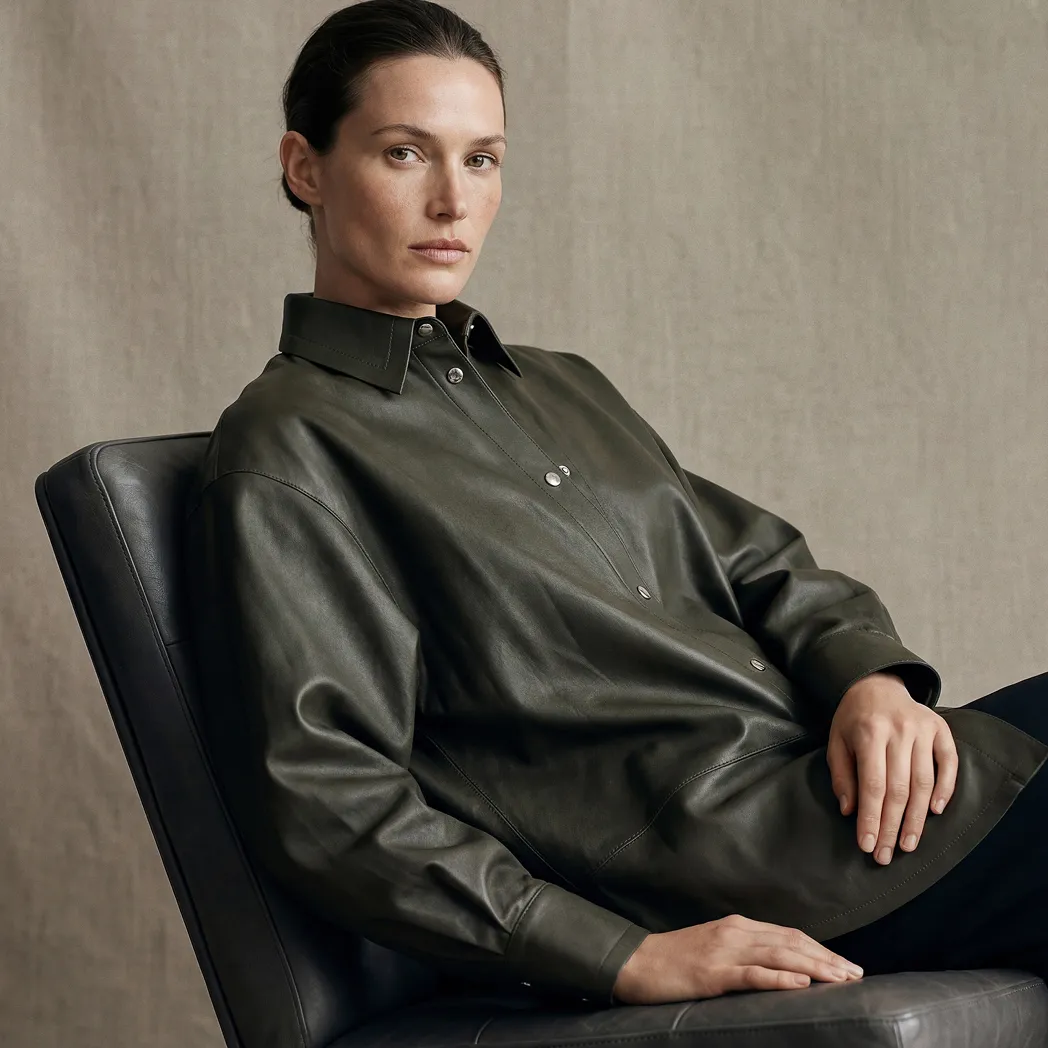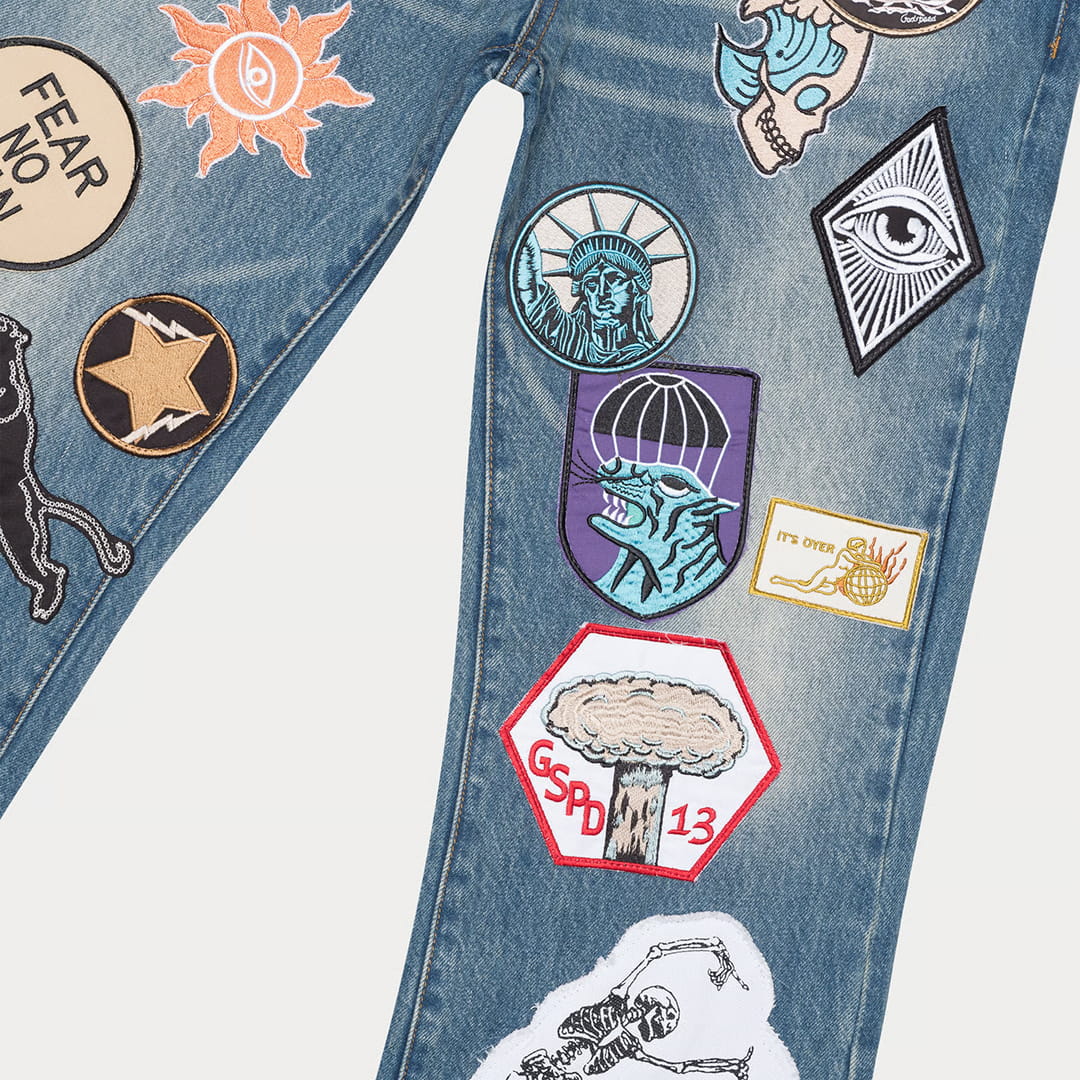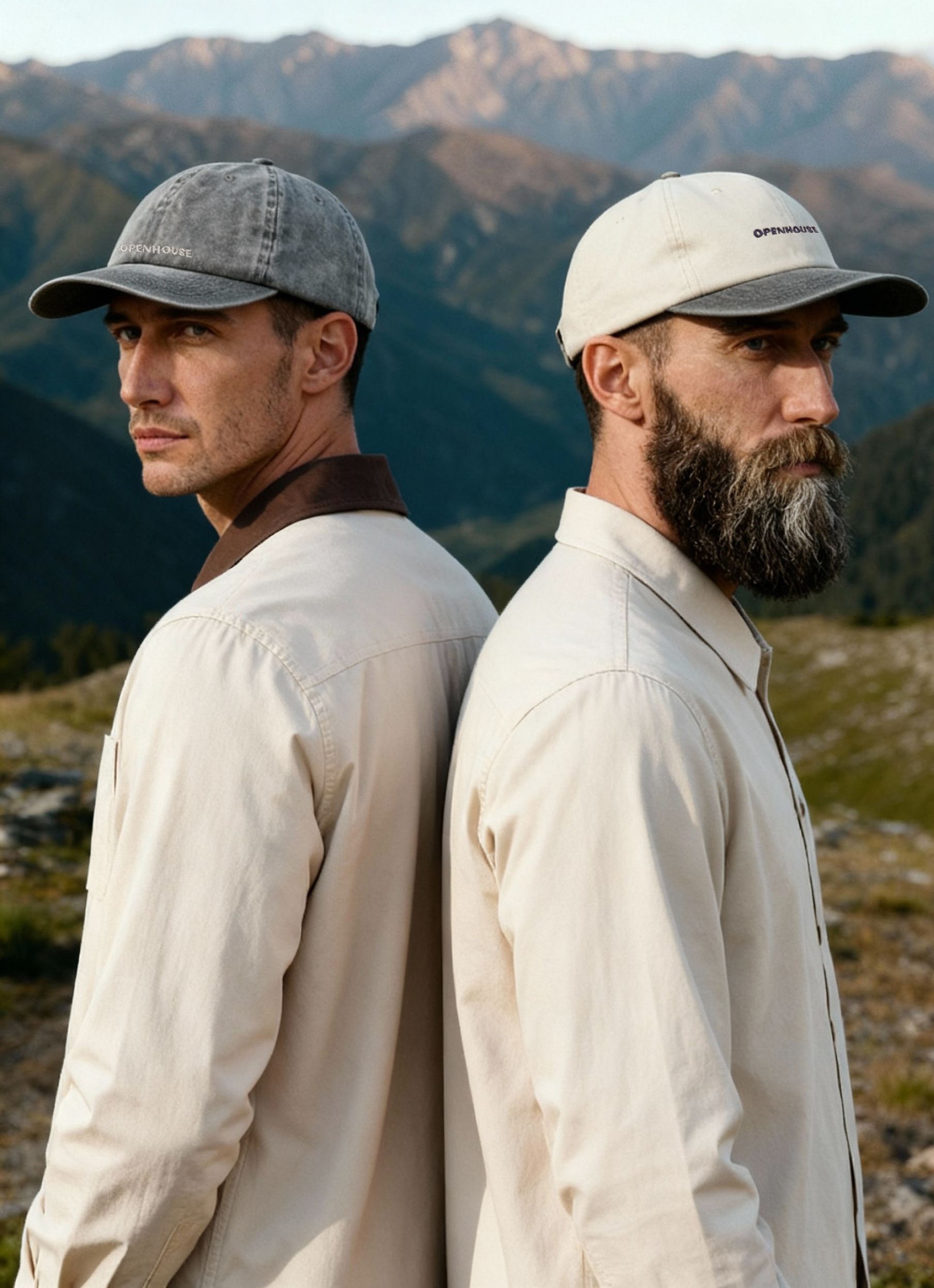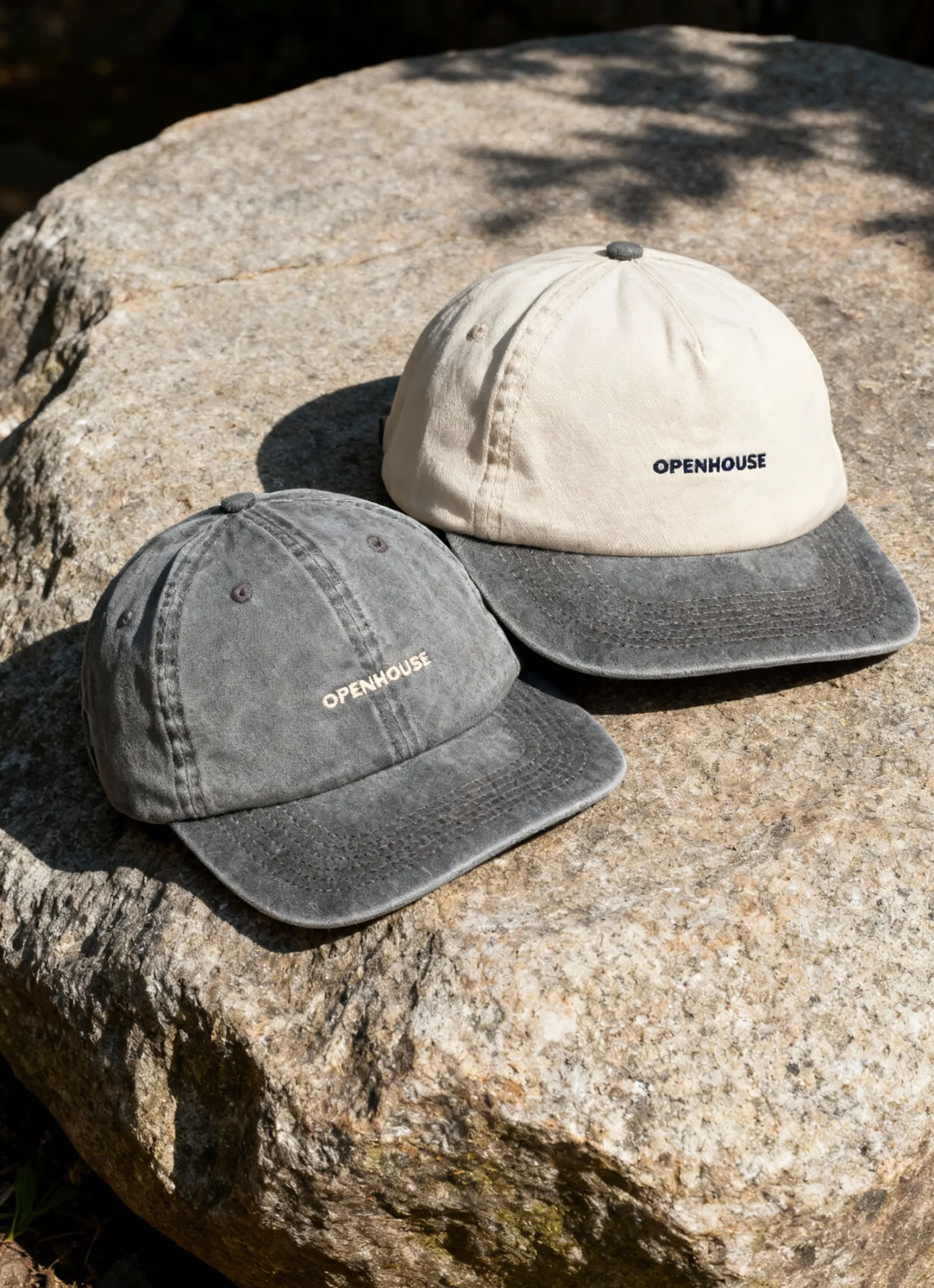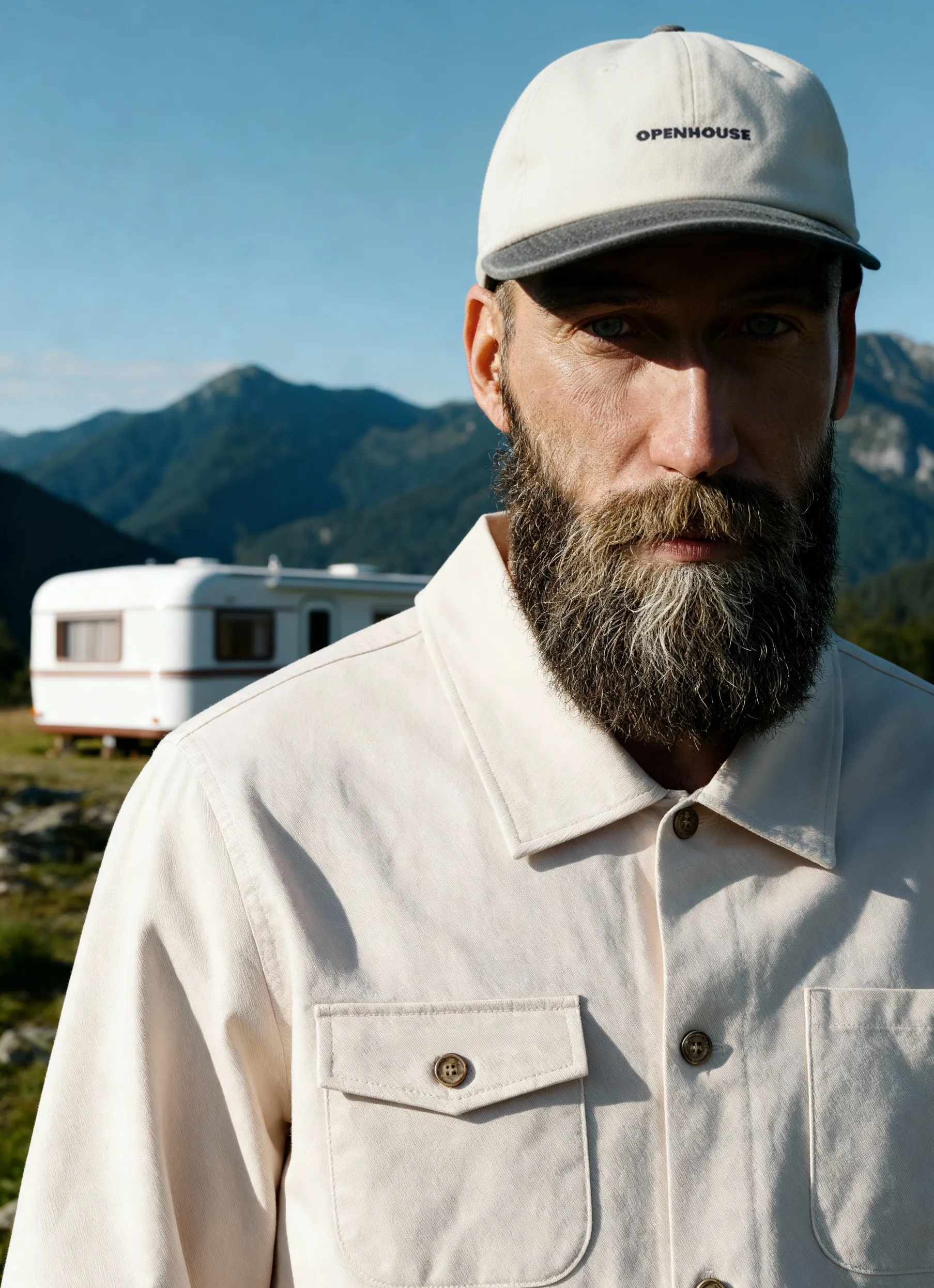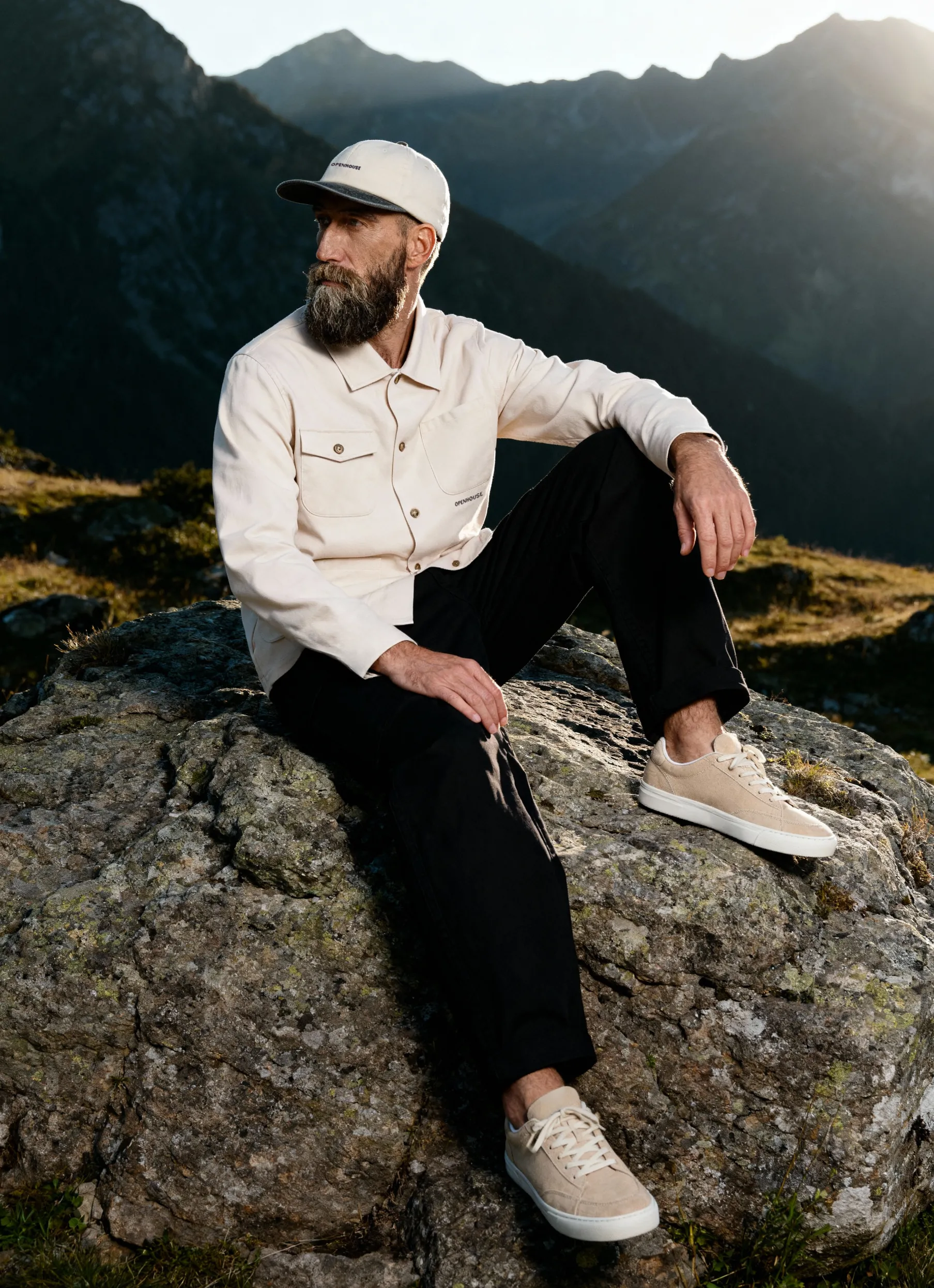


Commercial visual content has changed fast. Brands need faster turnarounds, cleaner aesthetics, and imagery built for every platform at once. Modern product photography has moved past simple catalog shots into a real piece of brand identity, blending technical precision with storytelling. Your photos need to work on Amazon listings, Instagram feeds, website galleries, and print, all at the same time, all with the same visual consistency and polish. Whether you're launching a clothing line, showcasing jewelry, or building an e-commerce catalog, knowing current photography standards is what keeps you competitive.
The Foundation of Modern Product Photography
Modern product photography comes down to three things: clarity, consistency, and adaptability. Traditional photography prioritized artistic interpretation. Today's product imagery has to do more than that; it needs to work across every function at once.
The technical foundation starts with lighting. High-key lighting has become the standard for the clean, modern look consumers expect in 2026. That means seamless white backgrounds and even illumination that shows product detail without harsh shadows getting in the way.
Key characteristics of modern product photography include:
- Clean, uncluttered compositions that prioritize the product
- Consistent lighting and color temperature across entire catalogs
- High resolution suitable for zoom features on e-commerce platforms
- Optimized file formats and dimensions for various channels
- Authentic representation of color, texture, and scale
The shift toward minimalist aesthetics has influenced minimalist product photography approaches across industries. Brands recognize that stripped-down visuals allow products to speak for themselves while reducing visual noise that might distract potential customers.
Equipment Selection for Professional Results
The equipment debate in modern product photography often centers on whether smartphones can compete with dedicated cameras. While mobile devices have improved significantly, professional camera equipment still offers substantial advantages for serious commercial work.
For businesses serious about product photography, following a comprehensive equipment checklist ensures nothing gets overlooked. The investment level should align with your volume, product complexity, and brand positioning.
Lighting remains the most critical element regardless of camera choice. Modern product photography typically employs continuous LED lighting or studio strobes that provide consistent, controllable illumination. Softboxes, diffusers, and reflectors help shape light to eliminate hotspots and create subtle gradations that reveal texture and dimension.
Workflow Optimization in 2026
The modern approach to product photography emphasizes efficiency without sacrificing quality. Professional studios have developed streamlined workflows that handle everything from pre-production planning to final delivery.
A comprehensive product photography workflow includes these essential phases:
- Pre-production planning - defining shot requirements, establishing visual identity, creating detailed shot lists
- Product preparation - cleaning, steaming, and inspecting items for defects
- Studio setup - configuring lighting, backgrounds, and camera positions
- Shooting phase - capturing primary shots, detail angles, and variations
- Post-production - culling images, color correction, retouching, and format optimization
- Quality control - reviewing against brand standards and client specifications
- Delivery - organizing files, applying naming conventions, and distributing across channels
For clothing brand photo shoots, additional considerations include model selection, styling coordination, and capturing both flat-lay and on-model variations. The complexity increases significantly compared to simple product shots, requiring more extensive planning and coordination.
Specialized Techniques for Different Product Categories
Modern product photography doesn't use one approach across the board. Reflective surfaces, transparent materials, intricate details, each one calls for something different.
Jewelry photography brings its own set of challenges. The common mistakes are improper focus stacking, weak lighting control, and color that's off. Professional photographers reach for macro lenses, focus rails, and tightly controlled lighting to capture the brilliance and detail that luxury items demand. Knowing the common jewelry photography mistakes up front saves you a costly reshoot and a disappointed client.
For watches and timepieces, proven photography techniques come down to precision and consistency. The angle, the lighting pattern, even the time on the watch face, all of it adds up to imagery that resonates with collectors and casual buyers alike.
Beauty products live and die on texture, color accuracy, and packaging detail. The photography has to signal quality while showing colors that match exactly what the customer will actually receive. Professional beauty photography often layers in lifestyle elements without losing the clean, professional look modern consumers expect.
Platform-Specific Requirements and Standards
Modern product photography must satisfy technical requirements across diverse platforms. Each marketplace and social media channel has specific image standards that directly impact visibility and conversion rates.
E-commerce Platform Standards
Amazon, Shopify, and other e-commerce platforms enforce strict image requirements. Understanding Amazon product image dimensions and Shopify product image requirements ensures your images display properly and qualify for enhanced features like zoom functionality.
Common e-commerce image requirements include:
- Minimum pixel dimensions (typically 1000px on the longest side)
- White or neutral backgrounds for primary images
- Accurate color representation
- Products filling 85% of the frame
- RGB color space
- JPEG or PNG file formats
The e-commerce image standards go beyond technical specifications to include compositional best practices. Primary images should show the full product on white backgrounds, while secondary images can demonstrate scale, show details, or include lifestyle context.
For optimal product image display, consider how images appear at various sizes. Thumbnails need clear silhouettes and high contrast, while full-size images should reveal texture and fine details when zoomed.
Adapting to Multiple Formats
Modern product photography creates a single source file that generates multiple derivatives. A professional shoot produces high-resolution master files that can be cropped and optimized for various uses:
- Square crops for Instagram and social media
- Vertical formats for Pinterest and mobile shopping
- Horizontal compositions for website banners
- Detailed crops highlighting specific features
- Background-removed PNGs for flexible placement
This multi-format approach maximizes the value of each photoshoot while ensuring visual consistency across all customer touchpoints.
The Role of AI and Automation
Artificial intelligence has introduced significant changes to modern product photography workflows. While some fear AI will replace photographers entirely, the reality in 2026 is more nuanced. AI tools for product photos enhance efficiency rather than replacing human creativity and technical expertise.
AI applications in product photography include:
- Background removal and replacement - automated isolation of products from backgrounds
- Color correction - intelligent adjustment of white balance and color accuracy
- Shadow generation - creating realistic shadows for composited images
- Batch processing - applying consistent edits across large image sets
- Scene generation - placing products in virtual environments
The question of whether brands should use AI product images depends on context and quality standards. AI excels at repetitive tasks and creating variations, but human photographers still provide irreplaceable value for complex setups, creative direction, and quality control.
Professional studios now integrate AI into their production workflows without sacrificing the quality that clients expect. The technology handles tedious tasks like background removal and basic retouching, freeing photographers to focus on lighting, composition, and creative problem-solving.
Creative Applications and Trend Awareness
While technical precision forms the foundation, creative execution differentiates good product photography from exceptional work. Modern product photography balances standardization with creative storytelling that resonates with target audiences.
Current trends shaping product photography in 2026:
- Authentic, unretouched aesthetics showing real textures and imperfections
- Environmental consciousness through sustainable set design and minimal waste
- Inclusive representation with diverse models and lifestyle contexts
- Dynamic compositions with movement and energy rather than static poses
- Contextual storytelling that shows products in use rather than in isolation
Staying current with product photography trends helps brands maintain relevance while distinguishing themselves from competitors. The key is adapting trends to your brand identity rather than following them blindly.
Flat Lay Photography Techniques
Flat lay photography has evolved from simple overhead shots to sophisticated compositions that tell stories through product arrangements. This technique works particularly well for clothing, accessories, beauty products, and lifestyle items.


Professional flat lay product photography requires careful attention to spacing, color harmony, and visual hierarchy. The best flat lays create balanced compositions where every element contributes to the overall message without overwhelming the primary product.
Essential tips for compelling flat lays:
- Use odd numbers of objects for more dynamic compositions
- Create visual triangles to guide the viewer's eye
- Vary heights and textures for dimensional interest
- Maintain consistent lighting across the entire scene
- Leave negative space to avoid a cluttered appearance
Perfect flat lay photography balances artistic expression with commercial objectives. The images must be visually appealing enough for social media engagement while clearly showcasing product features for purchase decisions.
Professional Production Considerations
For brands scaling their visual content production, understanding the business side of modern product photography ensures better planning and budgeting. Professional photography represents a significant investment that should align with marketing objectives and sales projections.
Pricing and Value Propositions
Product photography pricing varies dramatically based on volume, complexity, and deliverable requirements. The industry has moved toward transparent, tiered pricing that accounts for:
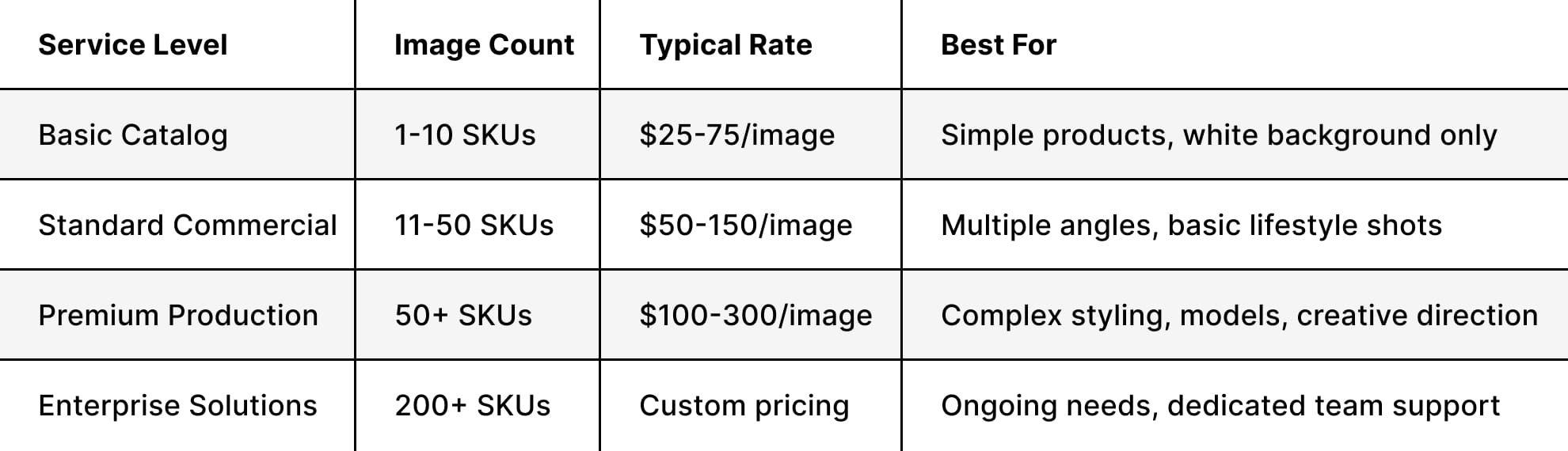
Understanding rates for different image volumes helps brands budget appropriately and select the right service tier for their needs. Volume discounts often apply when shooting larger catalogs.
For specialized needs like clothing brand photoshoots, additional costs include model fees, styling services, location rentals, and creative direction. These productions require more extensive planning and coordination than simple product shots.
Selecting the Right Photography Partner
The abundance of photography services makes selection challenging. Choosing the right commercial photography studio involves evaluating multiple factors beyond price.
Critical selection criteria include:
- Portfolio quality and relevant category experience
- Turnaround times and production capacity
- Technical capabilities and equipment quality
- Post-production and retouching standards
- Communication processes and project management
- Flexibility for custom requirements and rush orders
Reviewing product photography services helps identify providers that align with your brand standards, budget constraints, and timeline requirements. The best partnerships develop over time as photographers learn your brand guidelines and preferences.
Lighting Mastery for Different Applications
Lighting remains the most critical technical element in modern product photography. While equipment has become more accessible and affordable, the knowledge to use it effectively separates amateur results from professional work.
Professional photographers develop lighting expertise through years of practice with different product types, surface characteristics, and creative objectives. The same lighting setup that works beautifully for matte cosmetics will create problematic reflections on glass bottles or jewelry.
Common lighting scenarios in modern product photography:
- High-key white background - bright, even illumination from multiple angles, eliminating all shadows
- Gradient backgrounds - controlled falloff creating depth while maintaining a clean appearance
- Dramatic single-source directional lighting emphasizing form and texture through controlled shadows
- Diffused multi-light - soft, wraparound illumination revealing subtle details without harsh contrasts
- Backlighting - transmitted light showing transparency or creating glowing edge highlights
Achieving studio-quality product photos requires understanding how light interacts with different materials. Reflective surfaces need large, diffused light sources to create clean highlights. Textured materials benefit from slightly harder, directional light that reveals surface detail through micro-shadows.
Style Guides and Brand Consistency
As product catalogs expand across multiple categories and seasons, maintaining visual consistency becomes increasingly challenging. Professional brands develop comprehensive photography style guides that ensure every image aligns with brand identity, regardless of who shoots it or when.
Creating a photography style guide documents every decision that affects image appearance. These guides typically specify camera angles, lighting patterns, background choices, color grading, and compositional rules.
Essential elements of a product photography style guide:
- Precise lighting diagrams and equipment specifications
- Acceptable camera angles and framing ratios
- Background colors and textures for different product categories
- Color correction targets and tolerance ranges
- Post-processing standards and approved retouching techniques
- File naming conventions and folder structures
- Delivery formats and resolution requirements
Style guides become increasingly valuable as brands work with multiple photographers, expand into new markets, or transition between in-house and outsourced production. They ensure that images shot in different locations or time frames maintain the cohesive look that reinforces brand recognition.
Specialized Category Expertise
Different product categories demand specialized knowledge and techniques. Generic photography approaches rarely produce optimal results for complex or high-value items.
Jewelry and Watches
Jewelry photography requires exceptional attention to detail and precise technical execution. The challenges include managing reflections on metal surfaces, capturing gemstone brilliance, and reproducing accurate colors that match in-person viewing.
Professional jewelry photography angles emphasize the three-quarter view that shows dimension while revealing key design elements. Straight-on shots often appear flat, while extreme angles can distort proportions.
Focus stacking becomes essential for jewelry work, combining multiple images shot at different focus points to create final images with complete sharpness from front to back. This technique requires specialized equipment and post-processing skills but delivers the crystal-clear detail that luxury products demand.
Understanding Different Photography Types
The 15 types of product photography each serve specific purposes in the customer journey. White background images work for initial product discovery, detail shots answer specific questions, lifestyle images provide context and aspiration, while scale shots communicate size relationships.
Modern brands typically need multiple photography types for each product:
- Individual shots - isolated products on white backgrounds
- Group shots - product families or sets showing variety
- Detail crops - extreme close-ups revealing texture, materials, and craftsmanship
- 360-degree views - rotating perspectives for interactive exploration
- Lifestyle contexts - products in use or styled environments
- Packaging shots - showing retail presentation and unboxing experience
This kind of coverage meets customers wherever they are in the decision process, and gives you content for every marketing channel at once.
Final Words
Modern product photography brings together technical precision, creative vision, and real business thinking to create visual content that drives engagement and conversions everywhere a customer touches your brand. The investment in professional photography pays for itself: higher conversion rates, fewer returns, and a brand perception strong enough to justify premium pricing.
Whether you need catalog shots for a growing e-commerce business, creative content for social campaigns, or a full visual system across multiple product categories, Squareshot delivers high-quality product photography with the fast turnaround and attention to detail modern brands need. Our team handles everything from initial planning through final retouching, so every image comes back stronger than you expected.
Product A
SQUARE SHOT