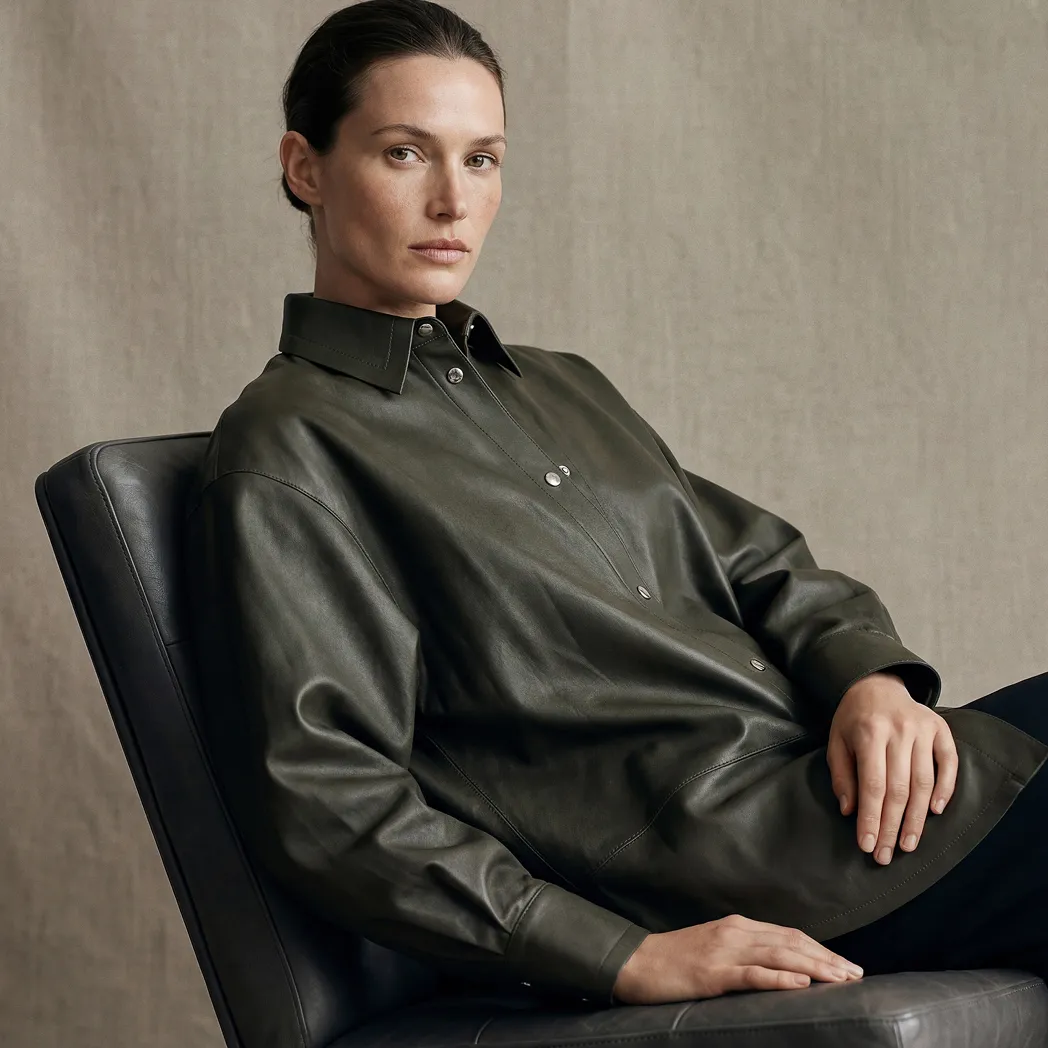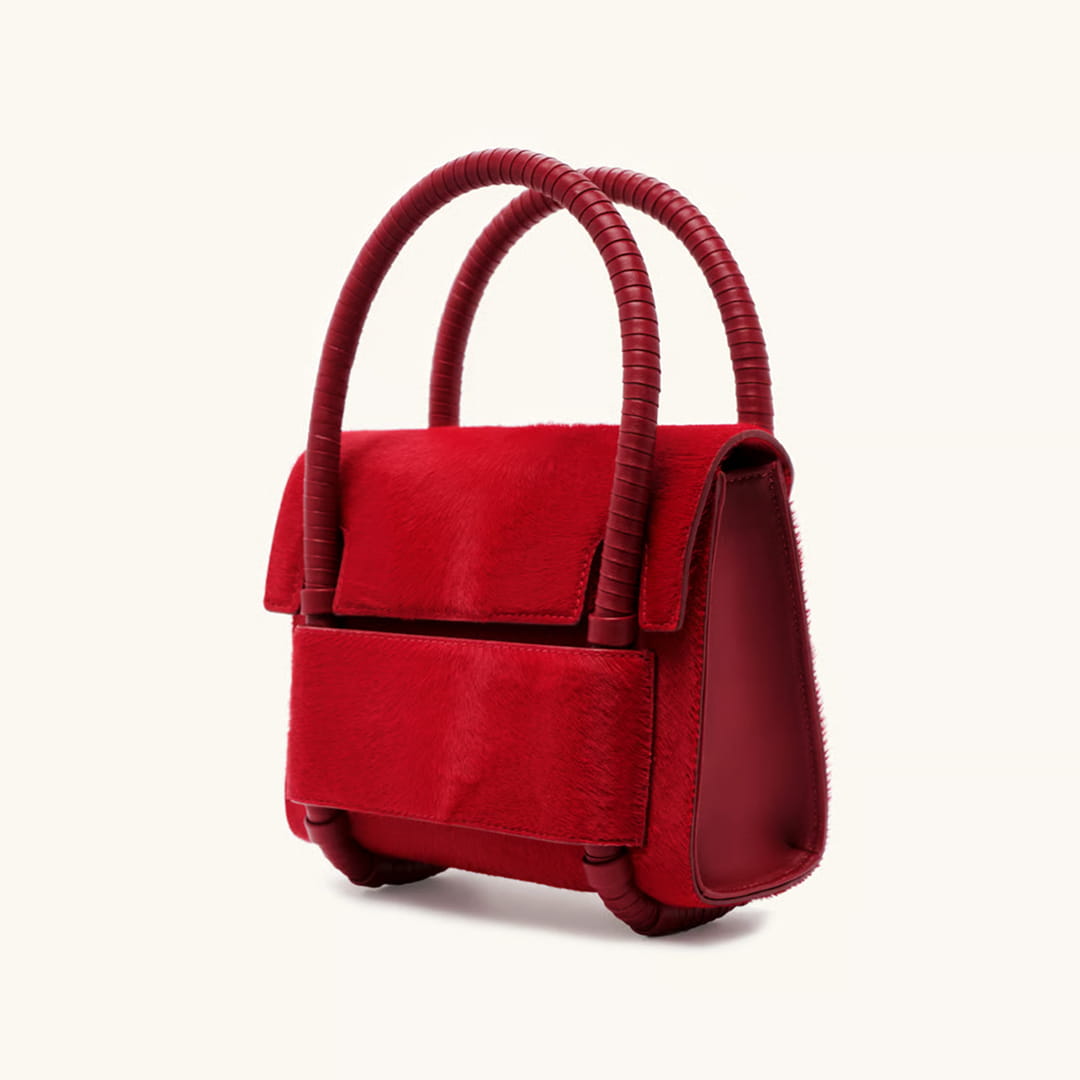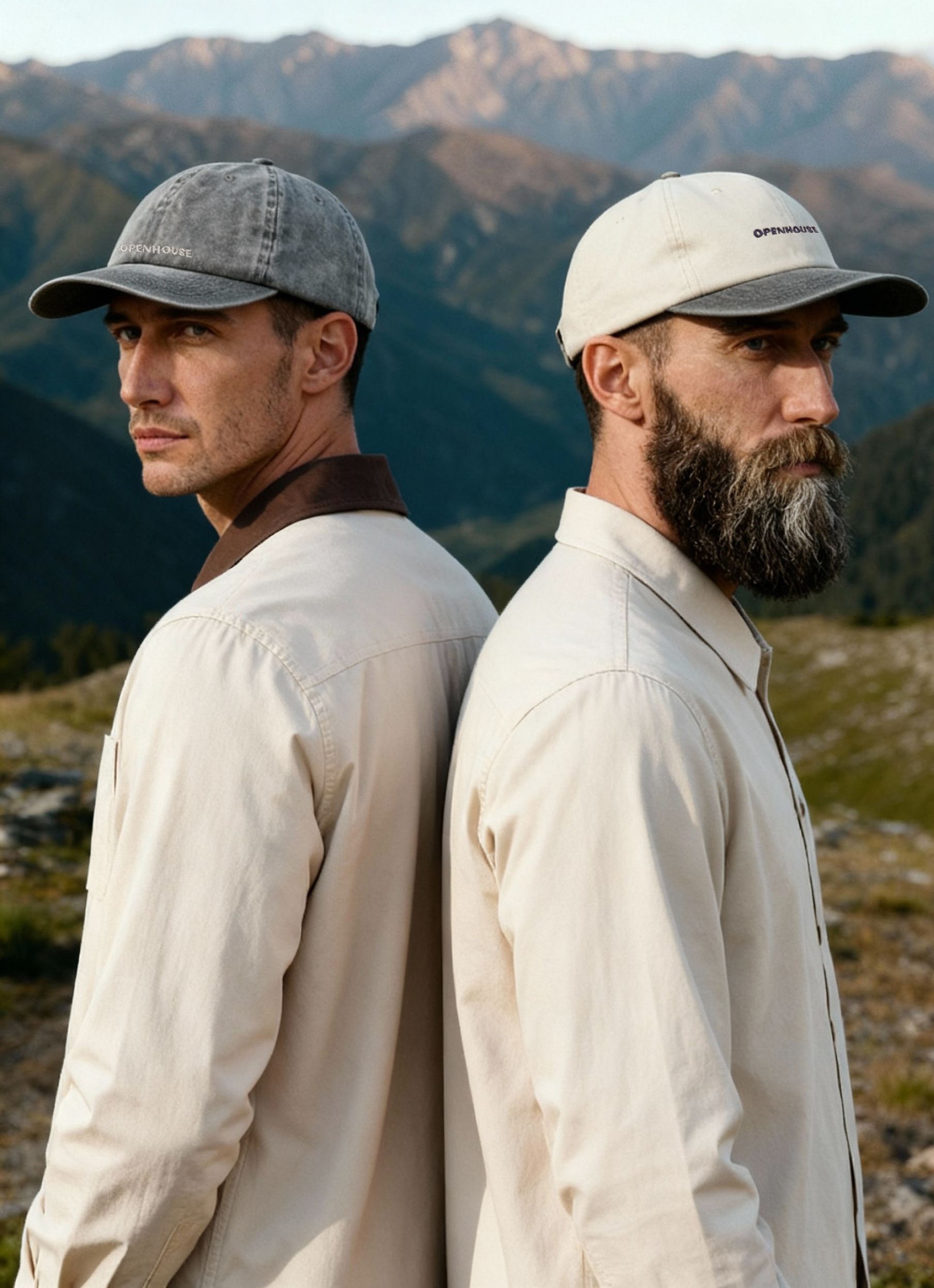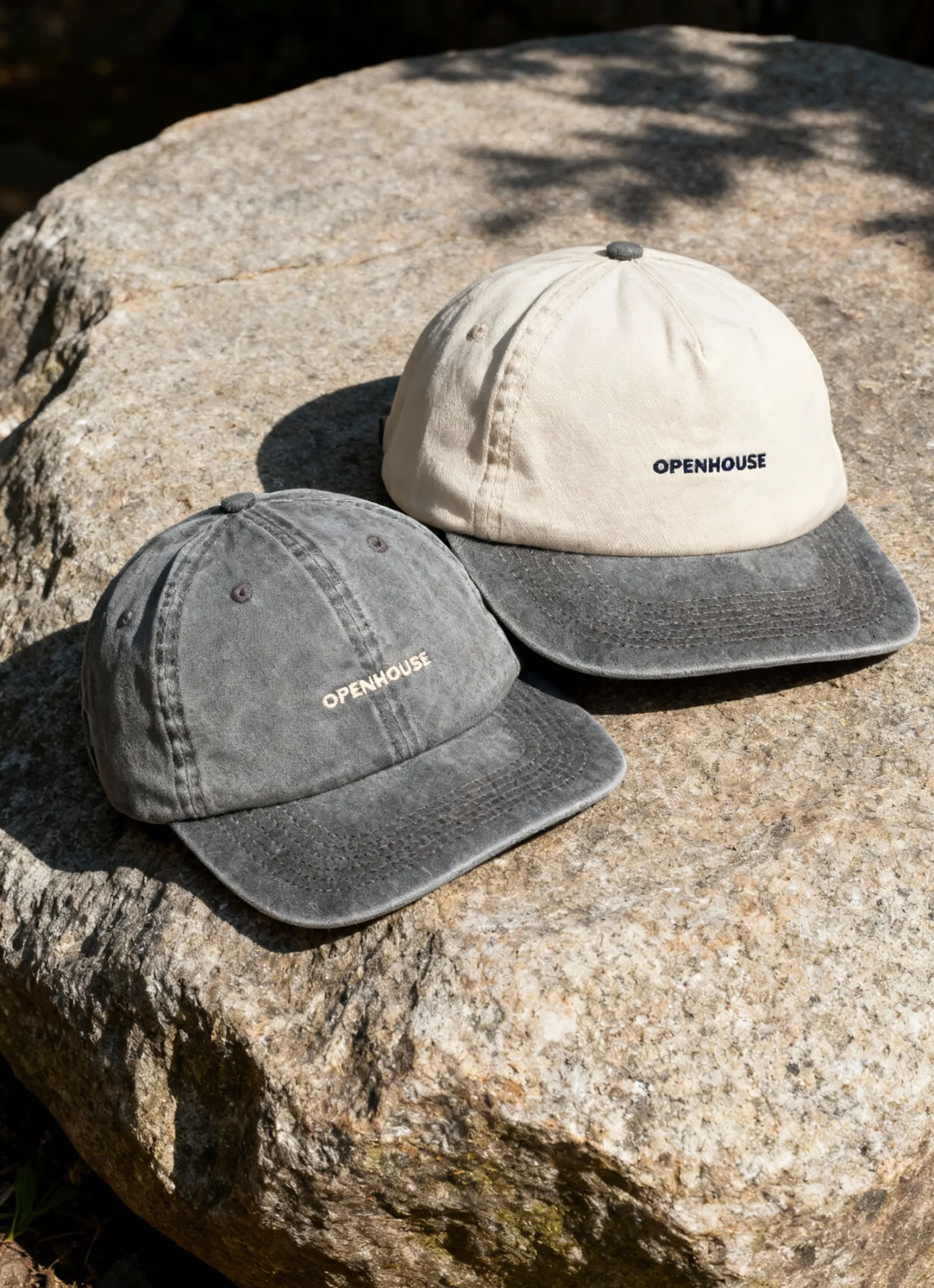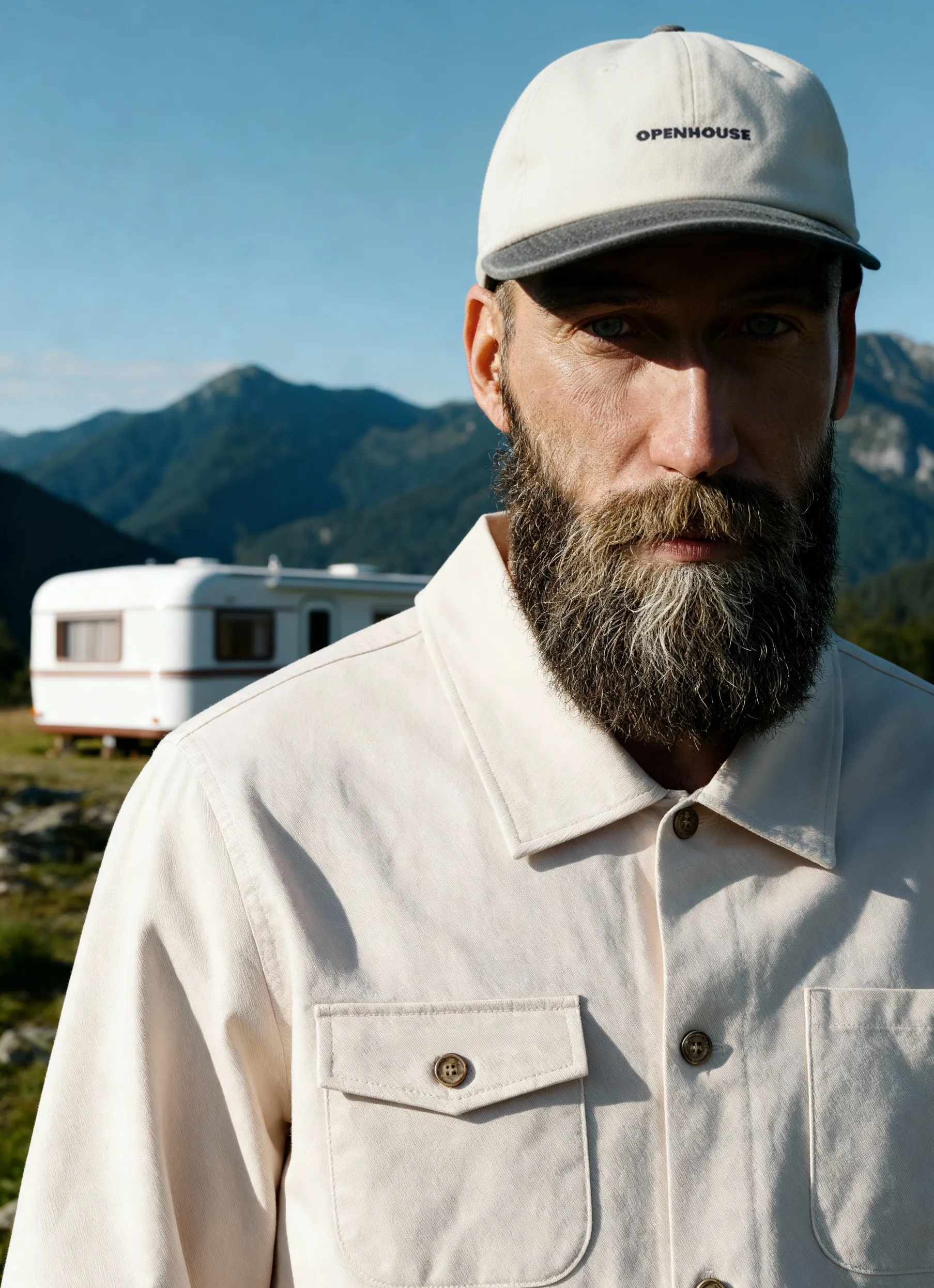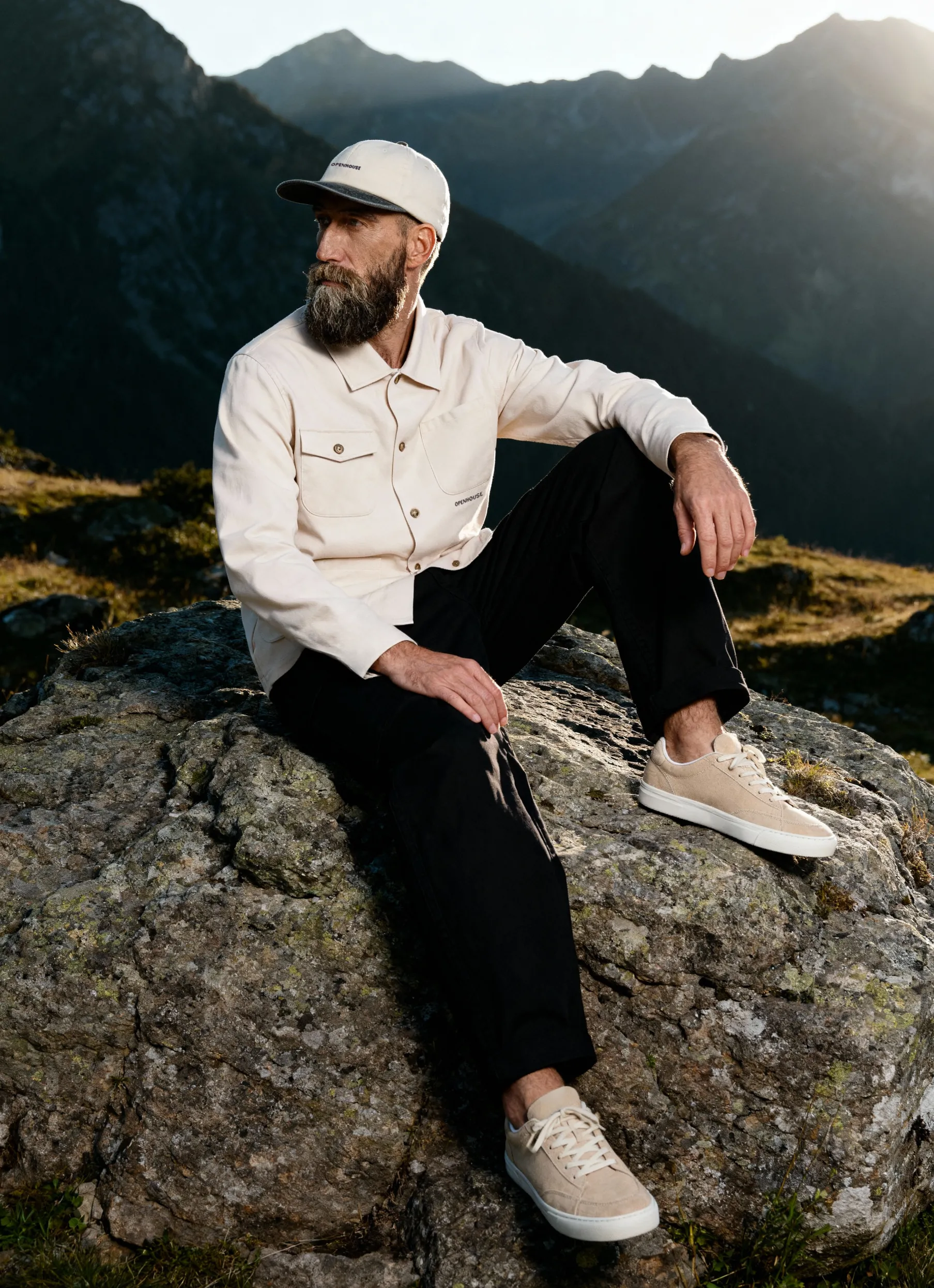


Product photography is changing fast, and 2026 raises the stakes. Brands now have to balance new technology with images that still feel human. Sterile, overly polished shots are losing ground to photos that tell a story, carry emotion, and build trust. Understanding this shift isn't optional. Customers scroll past thousands of images a day, and only the ones that connect get a second look.
The Performance-Driven Photography Revolution
Product photography has matured from a purely aesthetic discipline into a data-informed performance system. Brands now measure image effectiveness through conversion rates, engagement metrics, and scroll depth rather than just visual appeal. This fundamental shift means e-commerce product photography services must deliver images optimized for specific platforms and user behaviors.
Mobile-First Optimization Takes Center Stage
With over 70% of e-commerce traffic originating from mobile devices, product photos must perform flawlessly on small screens. This means larger product sizes within frame, bolder compositions, and details that remain visible at thumbnail dimensions.
Key mobile optimization strategies include:
- Increasing product-to-frame ratio to 80-90% for hero images
- Simplifying backgrounds to reduce visual clutter
- Testing images at actual display sizes before publication
- Prioritizing vertical compositions for mobile feeds
The shift toward performance-driven product photography emphasizes clarity over beauty, focusing on images that convert rather than simply impress. Brands working with professional studios should request mobile-optimized deliverables as standard practice.
AI Integration Reshaping Creative Workflows
AI has moved past the hype cycle. It's now a working part of product photography, not a novelty. It doesn't replace photographers; it augments them, taking repetitive tasks off their plate. Squareshot builds AI into post-production while keeping creative direction where it belongs: with people.
Where AI Adds Real Value
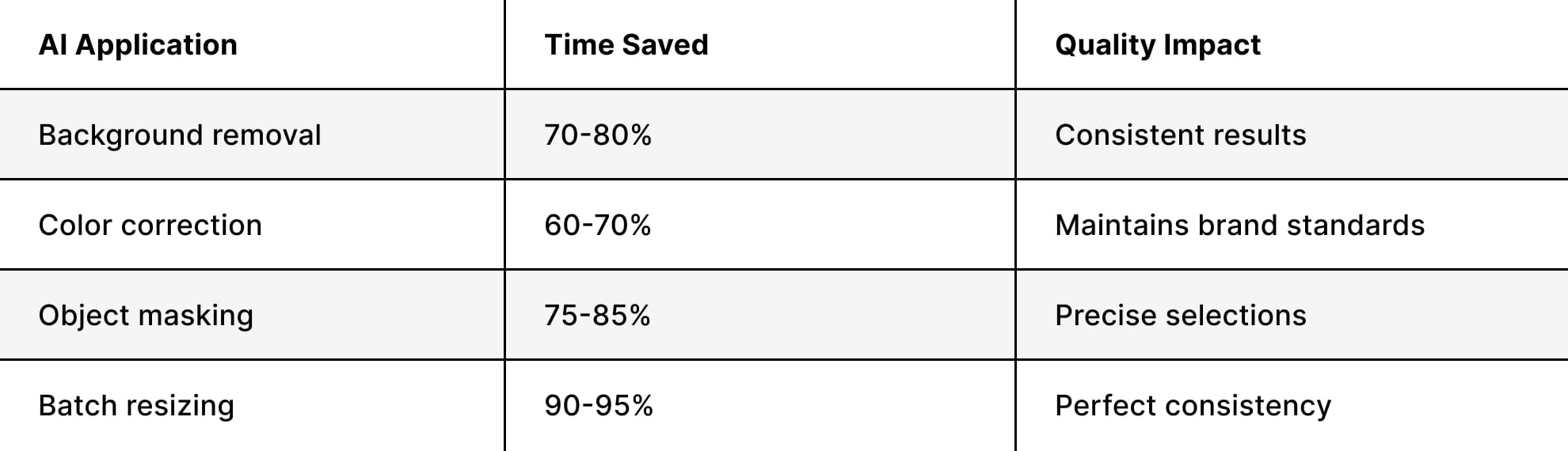
AI earns its place through efficiency, not replacement. Background removal, color correction, and batch processing eat up hours that should go toward creative decisions instead. Modern AI photo editing for e-commerce takes on this repetitive work so photographers can focus on composition and lighting.
But AI's rise has sparked a pushback toward authenticity. As AI-generated imagery floods every feed, consumers are drawn more to the imperfections that signal a human touch. The real question isn't whether AI helps. It's whether brands should use AI product images without losing what makes them feel real.
Embracing Imperfection and Authenticity
Perfection is losing its edge. One of the biggest product photography trends for 2026 is intentional imperfection. Brands spent years retouching every blemish and smoothing every texture. Now they're finding that a few rough edges build more trust than a flawless finish.


This isn't sloppy work. It's deliberate. The trend toward less perfection and more humanity comes from consumers tired of imagery that looks too good to be true. Real fabric wrinkles, subtle lighting variation, and natural shadows read as honest.
Authentic touches that resonate:
- Visible texture in fabrics and materials
- Natural shadows that show dimension
- Realistic color, no oversaturation
- Lifestyle contexts that feel lived-in, not staged
Building Trust Through Real-World Context
Lifestyle photography has moved past props. It's not a watch on a marble slab next to some geometric shapes anymore. It's a watch on an actual wrist, in natural light. This context helps customers picture the product in their own lives, and that's what moves them to buy.
For Shopify merchants and e-commerce brands tracking these shifts, communities like Talk Shop offer peer insight on what actually drives conversions, not just what looks good in a portfolio.
Texture, Warmth, and Tactile Rebellion
Product photography is picking up on a bigger shift in design. 2026 graphic design trends are pushing back against digital sterility with texture and warmth, and photographers are following suit: richer textures, warmer palettes, surfaces that look like they want to be touched.
This works especially well for apparel, home goods, and artisanal products. Creative product styling now leans on natural materials, layered surfaces, and compositions built to communicate physicality, not just show a product.
Material Matters More Than Ever
Close-up detail shots aren't optional anymore. Customers want to see the weave in fabric, the grain in leather, the finish on metal. Close-up product photography takes technical precision to pull off, but it delivers the proof that cuts returns and builds confidence before checkout.
The Resurgence of Cinematic Lighting
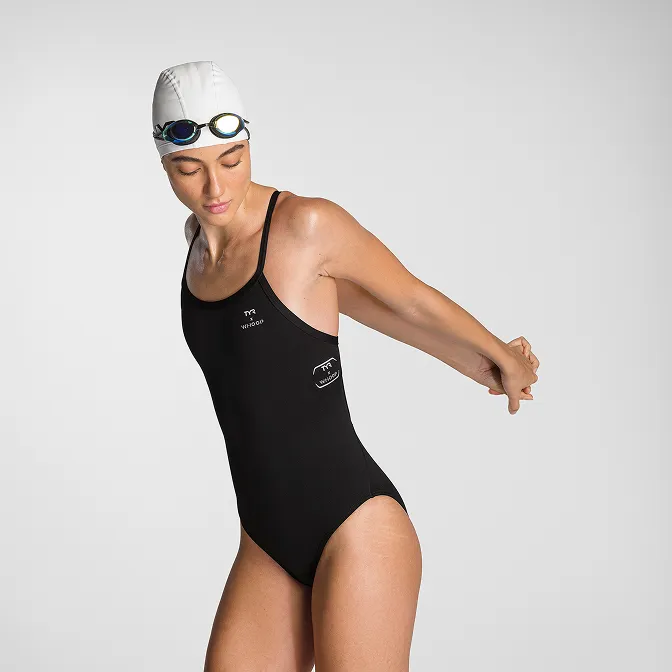
Minimalist photography still holds ground, but cinematic lighting has become a real point of differentiation. Dramatic shadows, directional light, and mood-driven compositions build an emotional connection that flat, even lighting just can't match.
Cinematic lighting characteristics include:
- Strong directional light creating defined shadows
- Color temperature variations adding depth
- Negative space that builds atmosphere
- Contrast ratios that draw the eye
This won't suit every product or brand. But for beauty product photography and premium goods, cinematic techniques signal luxury and aspiration. Lighting keeps showing up as one of the biggest differentiators across product photography trends.
Motion and Dynamic Content Integration
Static images still lead in e-commerce, but motion is now table stakes for full product content. Short video clips, cinemagraphs, and 360-degree views give customers a sense of dimension that a single angle can't deliver.
Practical Motion Applications
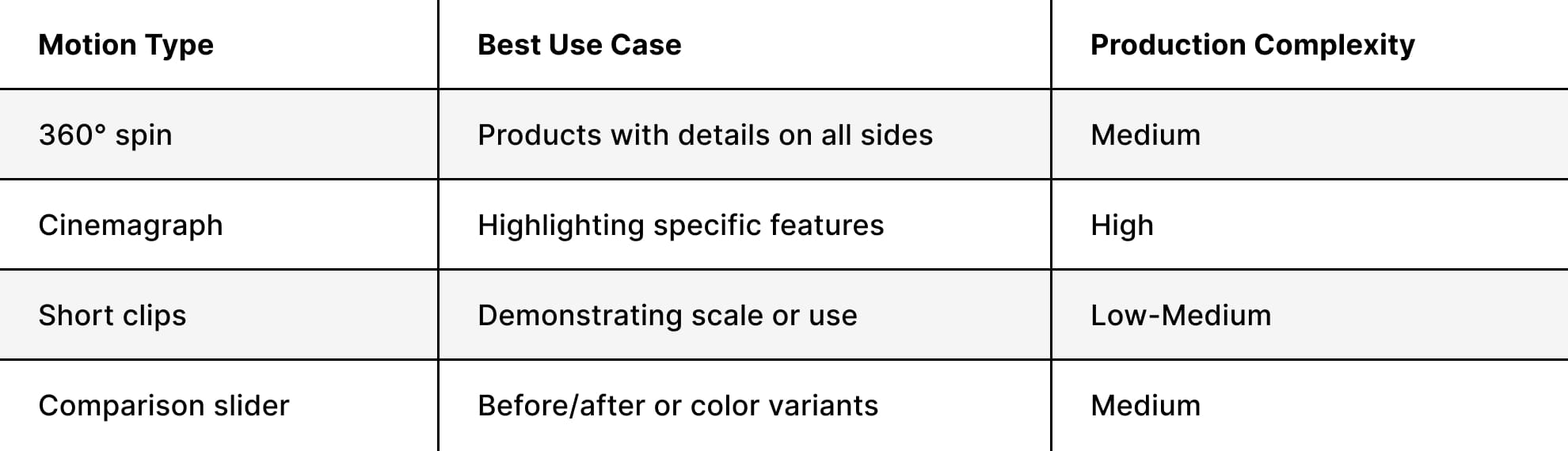
Adding motion doesn't mean giving up on photography. Most brands keep their core catalog in stills and layer motion on top for key products or landing pages.
Minimalism With Purpose
Minimalist photography still carries weight, but it's changed shape. Instead of a generic white background, brands are using minimalism with intent: deliberate color choices, subtle texture, and negative space that does something.
The aesthetic works because it clears away distraction and lets the product speak. But good minimalism isn't just an empty background. It takes an understanding of composition, of how to guide the eye and create interest without clutter.
When Minimalism Works Best
Minimalist approaches excel for:
- Technical products where features need clarity
- Luxury goods requiring sophisticated presentation
- Catalog images prioritizing consistency
- Mobile-first platforms with limited screen space
Lifestyle products, artisanal goods, and emotionally-driven purchases usually need the opposite: a richer context and a story behind the shot.
Platform-Specific Content Strategies
Different platforms call for different visuals, and the brands that win don't repurpose the same asset everywhere. Instagram wants authentic, lifestyle shots. Amazon wants clean, informative angles that meet strict dimension requirements.
Platform optimization priorities:
- Amazon: White backgrounds, multiple angles, dimension clarity
- Instagram: Lifestyle context, brand personality, engaging compositions
- Pinterest: Vertical formats, aspirational styling, clear subjects
- Website product pages: Comprehensive views, detail shots, consistency
Knowing e-commerce image standards across platforms is what keeps brands out of the one-size-fits-all trap, where content technically exists but performs nowhere.
Nostalgic and Retro Aesthetics
Nostalgia is one of the strongest product photography trends right now. Film grain, vintage color grades, and retro compositions tap into good memories and stand out against the clinical perfection everywhere else.
This works well for brands targeting millennials and Gen X, but only with real execution. A forced vintage filter reads as a gimmick. Thoughtful, period-accurate styling reads as genuine.
Executing Retro Without Kitsch
Good nostalgic photography comes from understanding the actual characteristics of an era, not slapping on a generic filter. That means researching the color palettes, composition styles, and props that belong to the period you're referencing.
3D Photography and AR Integration
3D product visualization used to be a luxury add-on. Now it's table stakes. 3D and AR let customers examine a product from every angle and picture it in their own space before they buy.
3D assets take specialized equipment and expertise to produce, but for the right categories, the conversion lift is worth it. Furniture, home decor, fashion accessories, and technical products benefit the most from dimensional viewing.
User-Generated Content Integration
Professional photography still matters, but smart brands pair it with real UGC. Customer photos build social proof and show real-world use in a way staged photography can't.
The hard part is holding the quality bar without losing what makes UGC feel real. Curating it means picking images that fit the brand without over-editing away their character.
UGC integration best practices:
- Establish clear submission guidelines
- Credit creators appropriately
- Mix professional and UGC strategically
- Maintain consistent editing style
- Feature diverse use cases and customers
The Equipment Evolution
Smartphones have come a long way, but dedicated cameras still give professionals an edge. The best cameras for product photos in 2026 balance resolution, lens options, and workflow integration in ways smartphones still can't touch.
That said, the camera industry's growth now depends more on community than spec sheets. Connection and storytelling matter as much as megapixels.
Workflow Optimization and Scalability
As catalogs grow and demand increases, an efficient workflow becomes a competitive edge. Knowing the essential product photography workflow, from planning through delivery, is what keeps output consistent and on time.
For brands managing hundreds or thousands of SKUs, scaling product photography with AI solves the volume problem without sacrificing quality. The real skill is knowing which steps to automate and which still need a human eye.
Building Sustainable Production Systems
Sustainable workflows balance quality, speed, and cost through:
- Standardized shot lists reducing decision fatigue
- Template-based photo editing ensuring consistency
- Batch processing similar products together
- Clear approval processes minimizing revisions
- Documented style guides for reference
Specialized Category Approaches
Every product category needs its own approach, and knowing the difference is what separates adequate photography from exceptional photography. Types of product photos range from flat lays to full model shots, each built for a specific purpose.
Watch photography needs precision to show off mechanisms and finish. Eyewear photography has to balance product clarity with lifestyle appeal. Flat lay photography works great for accessories and cosmetics, and falls flat for anything with real dimension.
Understanding what each category actually needs keeps photography working toward sales, not just toward looking good.
These 2026 trends come down to one thing: how people interact with visual content is changing, and so is what actually gets them to buy. Success means balancing new technology with real human connection, and optimizing performance without giving up creative quality. Whether you're refreshing an existing catalog or launching something new, working with people who do this for a living is what gets your imagery up to standard and keeps your brand competitive.
Squareshot pairs technical skill with creative direction to deliver photography that performs across every platform, built to stay ahead of where these trends go next. From catalog consistency to full creative campaigns, our team turns these trends into visual assets that convert browsers into customers.
Product A
SQUARE SHOT