

Imagine your products stopping shoppers in their tracks with one clean, powerful image that says it all. In a world crowded with distractions, minimalist product photography is your secret weapon for brand impact in 2026. This guide breaks down the essentials, giving you a clear, step-by-step path to mastering this style. You will discover why minimalism works, how to set up your shoots, top shooting and editing tips, plus the trends shaping tomorrow. Ready to stand out, build trust, and drive results? Dive in and transform your brand’s visual presence.
Understanding Minimalist Product Photography
Minimalist product photography is all about stripping away the noise, letting your product shine front and center. It is a style that thrives on simplicity, using clean lines, uncluttered compositions, and a focus that never wavers from the product itself. This approach relies on a few key elements:
- Plenty of negative space
- Neutral backgrounds like white, beige, or gray
- Limited props, if any
- A sharp, product-centric focus
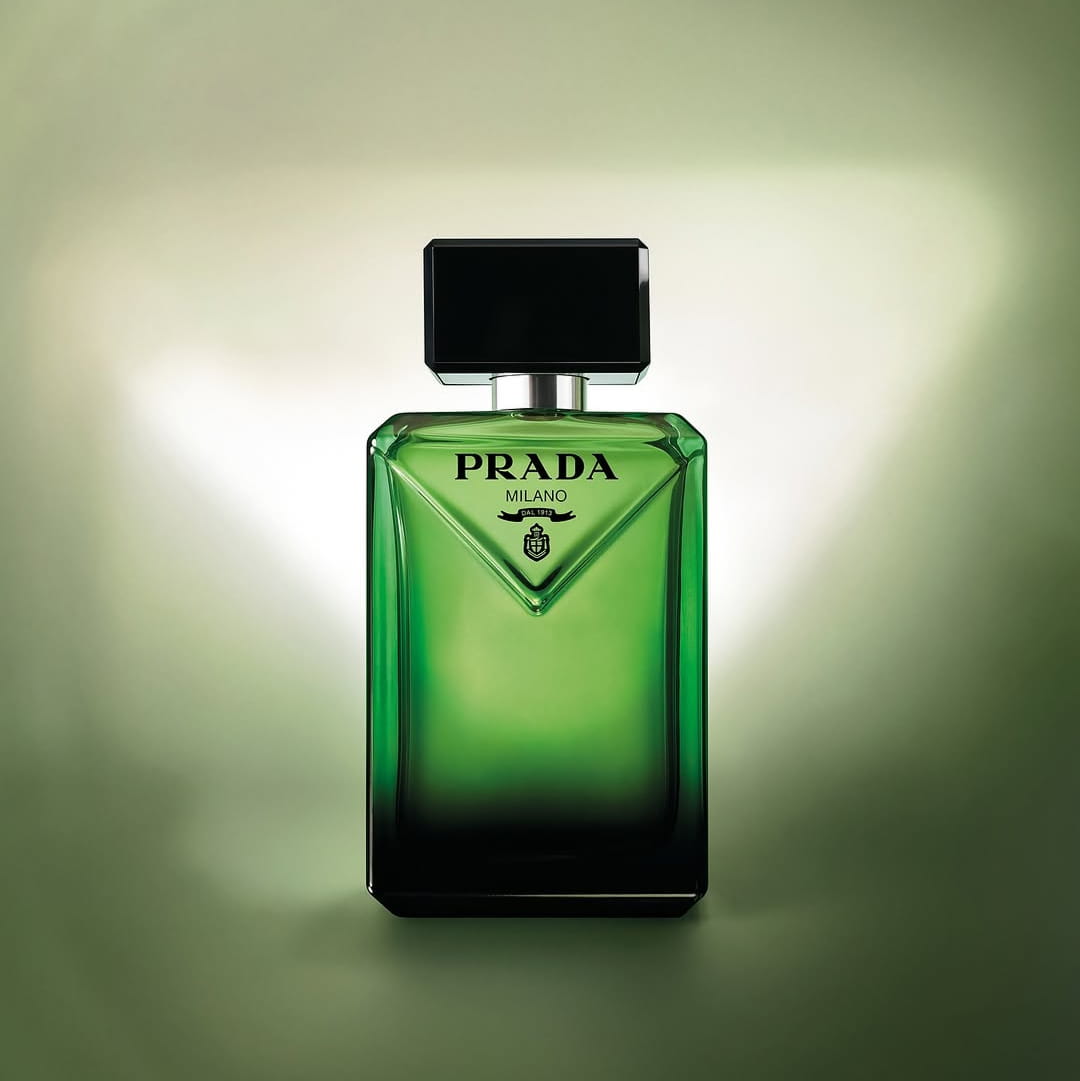
Unlike traditional product photography, which may include vibrant scenes or lifestyle elements, minimalist product photography removes anything that could distract. Imagine a single skincare bottle on a white surface, with just a hint of shadow — nothing else to pull your eyes away.


The Psychology & Consumer Impact
Minimalist product photography is more than just a visual trend — it taps into deep psychological triggers. When shoppers see a clean, distraction-free image, their cognitive load drops. This means they process the information faster, building trust and a sense of emotional calmness.
Modern consumers, particularly Millennials and Gen Z, crave authenticity and transparency. They want brands to be honest, and a minimalist approach delivers just that. In a world overflowing with content, clean visuals offer a welcome sense of relief. For example, skincare and beauty brands often use minimalist product photography to convey luxury and honesty, letting the product’s quality speak for itself. If you want to see how this looks in action, check out these skincare photography creative ideas showcasing minimalist techniques for beauty products.
When customers feel a sense of calm and clarity from your visuals, they’re more likely to engage and trust your brand.
Key Benefits for Brands
Embracing minimalist product photography offers a host of benefits for brands seeking a competitive edge.
- Clarity and focus: Your product’s features and design become unmistakably clear.
- Perceived sophistication: Simplicity is often linked to elegance and luxury, elevating your brand’s image.
- Brand consistency: A uniform minimalist style across all platforms builds recognition and loyalty.
- E-commerce advantage: Clean, focused images help customers make faster, more confident purchase decisions.
Consider a brand that uses the same minimalist product photography across its website, social media, and ads. The result? Increased trust, stronger recall, and a visual identity that stands out in crowded marketplaces.
When your visuals are consistent and clutter-free, you reinforce your brand’s promise and make it easier for shoppers to connect with your products.
Preparing for a Minimalist Product Shoot
Getting ready for a minimalist product photography session starts with thoughtful preparation. Every element, from your gear to your planning process, plays a part in creating clean, impactful visuals that let your product shine.
Essential Equipment & Studio Setup
A successful minimalist product photography shoot begins with the right equipment. You do not need a massive studio — many creators achieve stunning results from a small home setup.
Start with a quality camera, like a DSLR or mirrorless model, paired with a prime lens (such as a 50mm or 85mm) for sharpness and beautiful background blur. Lighting is essential: softboxes, reflectors, and diffusers help you create even, natural light that flatters your product. Consistent, shadow-free lighting is the foundation of minimalist product photography.
Backgrounds should be simple and neutral. White, beige, or light gray seamless paper or boards are ideal. For a deep dive on how to achieve distraction-free backgrounds, check out this white background studio guide.
Stability is key. Use a tripod to keep your framing consistent. Props should be minimal — think wooden risers or acrylic blocks. Beginners can substitute window light for studio strobes and use affordable foam boards as reflectors. With the right setup, minimalist product photography becomes accessible to everyone.
Planning Your Shoot: Moodboards & Briefs
Every impactful minimalist product photography session starts with a clear vision. Creating a moodboard helps you define your visual direction and gather inspiration. Moodboards can include color palettes, sample shots, and textures that reflect your brand’s style.
Align your moodboard with your brand’s aesthetics and campaign goals. This ensures your images feel consistent across all channels. Detailed briefs for photographers and stylists are crucial — they clarify expectations and keep everyone on the same page.
Look for inspiration in art, architecture, nature, or even pop culture. Involve stakeholders early to gather feedback and ensure alignment. This thoughtful planning helps your minimalist product photography stand out for all the right reasons.
Selecting Products & Props for Minimalism
Choosing the right products and props is vital for minimalist product photography. Focus on hero products that support your campaign objectives. Limit props to only those that enhance the story — nothing should distract from the main subject.
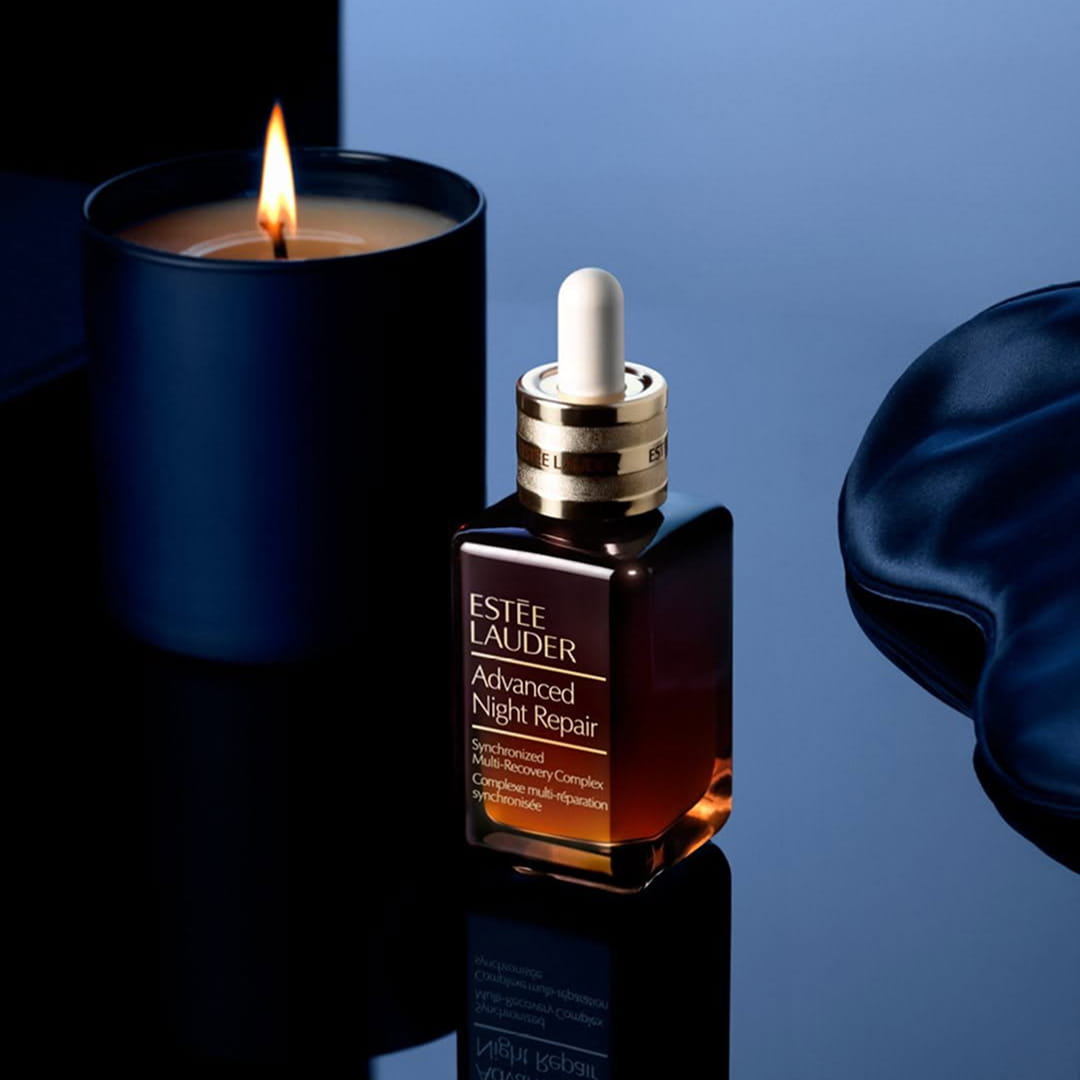
For example, pair a skincare product with a single natural ingredient, like aloe or chamomile, to reinforce its benefits. Clear acrylic blocks or simple risers can add elevation and a high-end feel. Rotate and reuse props for different products to keep your visuals fresh without increasing costs. The goal is always to keep the spotlight on your product and let its features stand out.
Setting Up for Consistency
Consistency is the secret to a strong minimalist product photography brand identity. Mark product positions on your shooting surface to replicate shots across sessions. Control lighting and camera angles to ensure every image feels unified.
Use reference shots for multi-product campaigns, so every photo matches in style and mood. Organize your files with clear naming conventions for efficient post-production. By maintaining a steady workflow, you reinforce your brand’s visual identity and make future shoots easier to manage.
Mastering Minimalist Shooting Techniques
Mastering minimalist product photography unlocks clarity and sophistication for your brand. Every detail, from composition to lighting, shapes how customers connect with your product. Ready to elevate your visuals?
Let’s break down the shooting essentials that will set your minimalist product photography apart.
Composing the Perfect Minimalist Shot
Composition is the backbone of minimalist product photography. Start by embracing negative space. Place your product off-center using the rule of thirds, allowing the eye to rest and focus. Avoid clutter — keep frames clean and let the product shine.
Balance is key. Use simple props, such as a clear acrylic block or a wooden riser, to subtly elevate the item. Try various angles: overhead for flat lays, eye-level for dimension, and close-ups for drama. Symmetry and leading lines can guide viewers directly to your hero product.
Want your images to convert? Align your approach with e-commerce image standards to maximize clarity and impact. Minimalist product photography ensures each element supports your brand story, never distracting from it.
Lighting for Minimalism
Lighting makes or breaks minimalist product photography. Soft, even light brings out your product’s true colors and textures. Natural daylight works wonders, but softboxes and diffusers can mimic this effect indoors.
Avoid harsh shadows and reflections by placing reflectors opposite your main light source. This balances the exposure and softens any contrast. Control color casts by adjusting white balance — true-to-life color is essential for online shoppers.
Experiment with setups until your minimalist product photography consistently delivers clean, luminous results.
Backgrounds & Negative Space
Backgrounds in minimalist product photography should never compete with your product. Stick to neutral tones — white, beige, or light gray. Monochrome backdrops are especially effective for making colors pop and ensuring a distraction-free frame.
Leverage negative space by leaving generous areas around your product. This technique draws attention directly to the item and creates a sense of luxury and calm. Try subtle textures, like a matte paper or seamless board, for depth without clutter.
Consistency is crucial. Use the same background style across all product images to reinforce your brand’s minimalist product photography identity.
Highlighting Product Details & Texture
Showcasing texture and detail is a secret weapon in minimalist product photography. Use close-up shots to reveal packaging finishes, creamy consistencies, or intricate materials. A macro lens can capture fine features, but cropping in post-production works too.
Light your product from the side to accentuate texture without overpowering it. Keep focus sharp on key details — blurred backgrounds can further isolate the hero element.
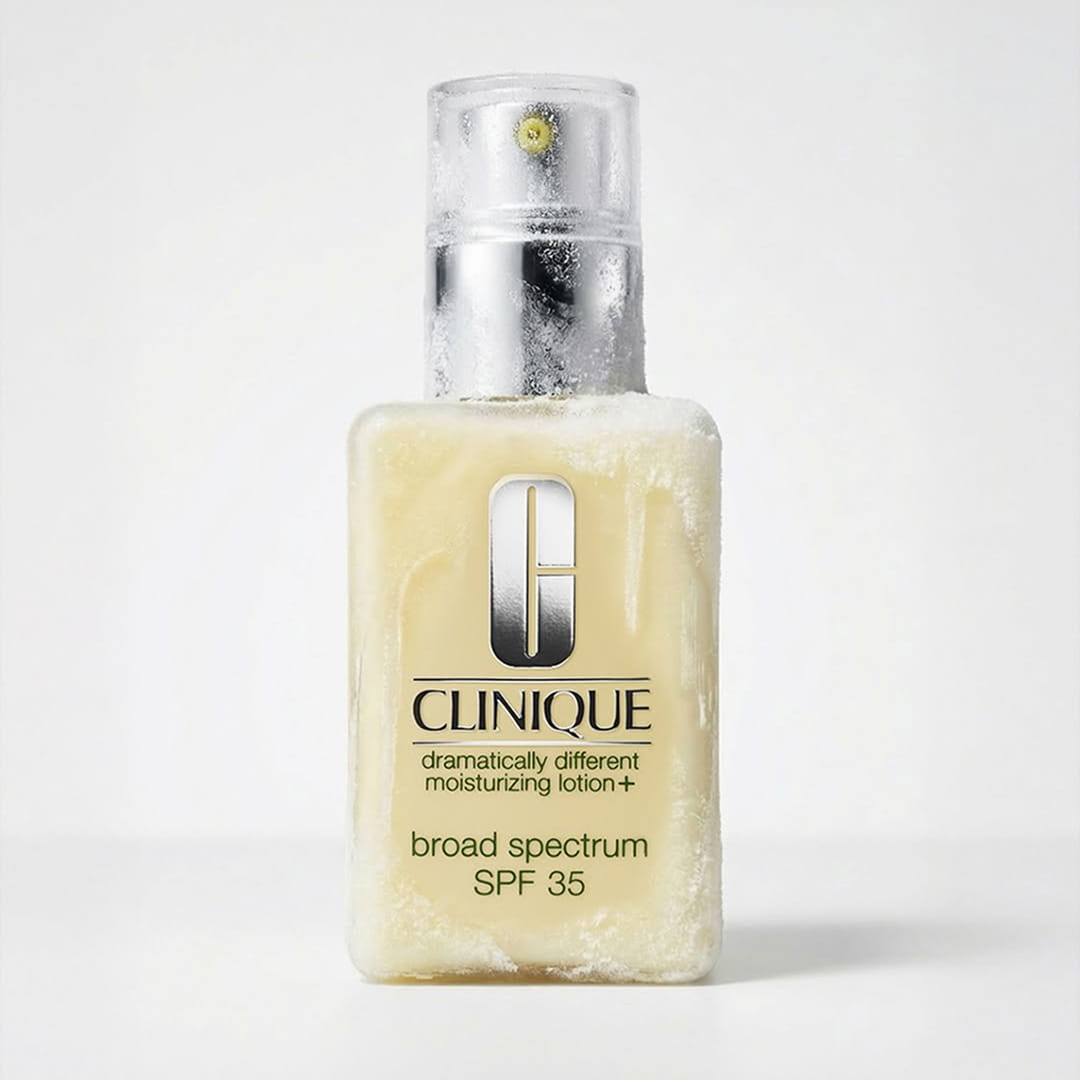
Minimalist product photography thrives on authenticity. Let the product’s natural beauty carry the shot, and avoid over-styling or artificial effects.
Incorporating Minimal Props & Color
Props in minimalist product photography should serve a clear purpose. Choose only what supports your message — think a single fruit slice for skincare, or a geometric block to add structure. Limit your color palette to one or two accent hues that complement your brand.
Remember, minimalist product photography is about restraint. Props and colors should enhance, not overshadow, your product. Keep refining until every element feels intentional and on-brand.
Post-Production & Editing for Minimalist Impact
Editing is where your minimalist product photography truly comes to life. Clean, impactful images depend on thoughtful post-production, where every adjustment reinforces simplicity and clarity.
Essential Editing Techniques
Start by culling your shots, keeping only the cleanest, most compelling images. In minimalist product photography, less is more, so select images where the product stands out, and distractions are eliminated.
Begin with basic adjustments:
- Tweak exposure and contrast for optimal brightness.
- Set white balance to ensure true-to-life color.
- Use spot healing to remove dust, fingerprints, or minor flaws.
Lightroom and Photoshop are popular choices for these steps. Aim for a natural look that feels authentic, not over-processed. Batch editing ensures your entire set maintains a cohesive, minimalist product photography style.
Enhancing Minimalist Aesthetics
Preserve negative space when cropping or resizing your images. This breathing room gives your products room to shine, a hallmark of minimalist product photography. Soften shadows and highlights to create a calm, inviting atmosphere. Subtle vignettes or gradients can help focus attention on the product without adding visual noise.
Consistent color tones across your catalog reinforce your brand identity. Use neutral backgrounds and keep edits subtle, ensuring each image feels part of a unified story.
Advanced Techniques: Texture & Color Correction
Showcasing product texture is key in minimalist product photography. Use selective sharpening to highlight fine details, such as the creamy texture of a moisturizer or the smooth surface of packaging.
Color correction is essential for accuracy. Adjust hues so that your products look true-to-life across all platforms. Match color palettes between images for a seamless, professional look.
For props like acrylic blocks, adjust their color in post-production to align with your campaign. These advanced edits help maintain a premium, minimalist product photography finish.
Exporting & Optimizing for Web
Export your images in the right format for each platform. JPEGs work well for e-commerce listings, while PNGs are ideal for images with transparency.
Keep resolutions high enough for crisp displays, but compress images to ensure fast loading. Add metadata and alt text to boost SEO and make your minimalist product photography more discoverable.
Organize your files by campaign and product for easy access during future updates. A consistent export workflow ensures your brand visuals always look sharp and professional.
Why Work with a Professional Studio like Squareshot
Professional studios like Squareshot specialize in minimalist product photography, offering expert styling, lighting, and retouching.
With advanced equipment and creative direction, we deliver consistent, high-impact results. Their streamlined process, transparent pricing, and quick turnaround make it easy for brands to scale their visuals and stay competitive.
Implementing Minimalist Photography Across Your Brand
Minimalist product photography is more than a style — it's a strategic tool for building a standout brand identity. When you apply minimalist product photography consistently across your entire visual ecosystem, you create a powerful sense of trust and recognition that modern consumers crave. Let's break down how to weave this approach into every aspect of your branding for maximum impact.
Building a Cohesive Visual Identity
To make your brand instantly recognizable, it's crucial to apply minimalist product photography across all touchpoints — website, social media, ads, and even packaging. Consistency in color, lighting, and composition sets the tone and builds familiarity with your audience.
Start by developing clear brand guidelines for photography. These should outline your preferred backgrounds, lighting setups, color palette, and cropping styles. For example, many beauty and skincare brands use minimalist imagery to convey purity and trust. A uniform approach means your audience can recognize your products instantly, no matter where they see them.
Minimalism for E-Commerce Success
Clean, distraction-free images are proven to improve product discoverability and boost conversion rates. Minimalist product photography simplifies the shopping experience, helping customers focus on the features and benefits that matter most.
Modern shoppers, especially those browsing on mobile devices, appreciate clutter-free visuals that speed up decision-making. According to recent product photography statistics, minimalist imagery can significantly increase engagement and sales. By making your products the hero, you reduce cognitive load and encourage faster purchases.
Adapting Minimalism for Different Product Categories
Minimalist product photography adapts beautifully to a wide range of categories. In fashion, flat lays or ghost mannequins with clean backgrounds let the clothing shine. Beauty brands benefit from close-ups and minimal props, while home goods pop against neutral surfaces with subtle context. Jewelry often looks best with macro shots and soft lighting.
No matter your niche, tailor your minimalist product photography to highlight product features and resonate with your target audience.
Integrating Minimalist Content into Marketing Campaigns
Minimalist product photography shines in marketing campaigns, from email blasts to social ads and influencer partnerships. Use these clean visuals to create eye-catching posts and banners that stand out in busy feeds.
Consider A/B testing minimalist images against traditional ones to see what resonates best. Many brands also incorporate minimalist motion graphics or stop-motion for extra engagement. Align your campaign messaging with the simplicity and sophistication of your visuals for a cohesive experience.
Measuring Impact & Iterating
To maximize the benefits of minimalist product photography, track key metrics like engagement, click-through rates, and conversions. Ask for feedback from your audience about image clarity and appeal.
Use analytics tools to see which visuals drive the most results. Brands often report increased loyalty and higher conversion rates after adopting minimalist product photography. Iterate on your strategy based on performance data, and don't be afraid to try new techniques as you learn what works.
Staying Consistent as You Scale
Scaling your visual content? Establish systems for managing large image libraries and train your team or external partners on your brand's minimalist product photography standards. Schedule regular audits to catch any inconsistencies.
For brands with high-volume needs, working with professional studios can help maintain quality and consistency at scale, ensuring your minimalist product photography always reflects your brand at its best.
Future Trends & Innovations in Minimalist Product Photography
Minimalist product photography is evolving rapidly, driven by changing consumer values and technological progress. Let’s explore what’s shaping the future for brands aiming to stay ahead with clean, impactful visuals.
Evolving Consumer Expectations
Modern shoppers crave authenticity and transparency in every aspect of their experience, including visuals. Minimalist product photography resonates with eco-conscious and design-savvy consumers, especially Millennials and Gen Z.
Minimalism reflects a brand’s commitment to sustainability and honesty. Clean, distraction-free product imagery signals that nothing is hidden — what you see is what you get. This aligns perfectly with current expectations for responsible and straightforward branding.
As trends continue shifting, brands adopting minimalist product photography will find themselves better positioned to meet their audience’s evolving needs.
Technology’s Role: AI, CGI & Automation
Technology is revolutionizing minimalist product photography in remarkable ways. Artificial intelligence streamlines editing by removing backgrounds, retouching imperfections, and batch processing images, saving time and ensuring consistency.
CGI (computer-generated imagery) allows for hyper-realistic product renders with flawless minimalism. Brands leverage CGI to create visuals that are impossible or costly to produce in real life, while automation solutions handle high-volume catalog shoots efficiently.
AI-powered platforms can analyze which minimalist product photography styles drive the most engagement, enabling brands to optimize their visual strategy. Some studios, like Squareshot, are already integrating AI services to deliver scalable, high-quality catalog images.
Looking ahead, automation and machine learning will likely further personalize and refine minimalist product photography, making it even more accessible and impactful for brands of all sizes.
Creative Experimentation Within Minimalism
Minimalist product photography thrives on simplicity, but that doesn’t mean creativity is left behind. In fact, the challenge is to innovate within boundaries.
Brands are experimenting with monochrome setups, selective pops of color, and striking negative-space treatments to create memorable images. Subtle motion — like stop-motion or cinemagraphs — adds a dynamic twist without clutter.
For inspiration and actionable ideas, explore 7 creative product photography ideas, which showcase how minimalism can remain fresh and visually compelling. The key is balancing brand guidelines with creative risk-taking to keep content engaging.
Preparing for 2026 and Beyond
The future of minimalist product photography is bright, with innovation and adaptability at its core. Brands should anticipate new digital shopping trends, including immersive experiences and evolving social platforms.
Investing in ongoing education is essential. Creative teams need to stay updated on the latest editing tools, camera technology, and visual storytelling techniques. Embracing new platforms and formats will ensure that minimalist product photography remains relevant and effective.
Building a future-ready visual identity means staying agile and always looking for opportunities to push the boundaries of minimalism.
Continuous Improvement & Learning
Minimalist product photography is not a one-time achievement but a continuous journey. Stay curious, learn from industry leaders, and engage with creative communities for fresh perspectives.
Experimentation and adaptation are your best allies. As consumer tastes and technology evolve, brands that commit to growth will lead the way in visual storytelling.
You’ve seen how powerful minimalist product photography can be for building trust and boosting sales — especially in a world where less truly is more. If you’re ready to put these ideas into action and want your brand visuals to stand out with that clean, sophisticated edge, why not take the next step?
Whether you’re launching something new or refreshing your look for 2026, starting your own project is easier than you think.
Let’s make your products shine in their best light together.
Product A
SQUARE SHOT