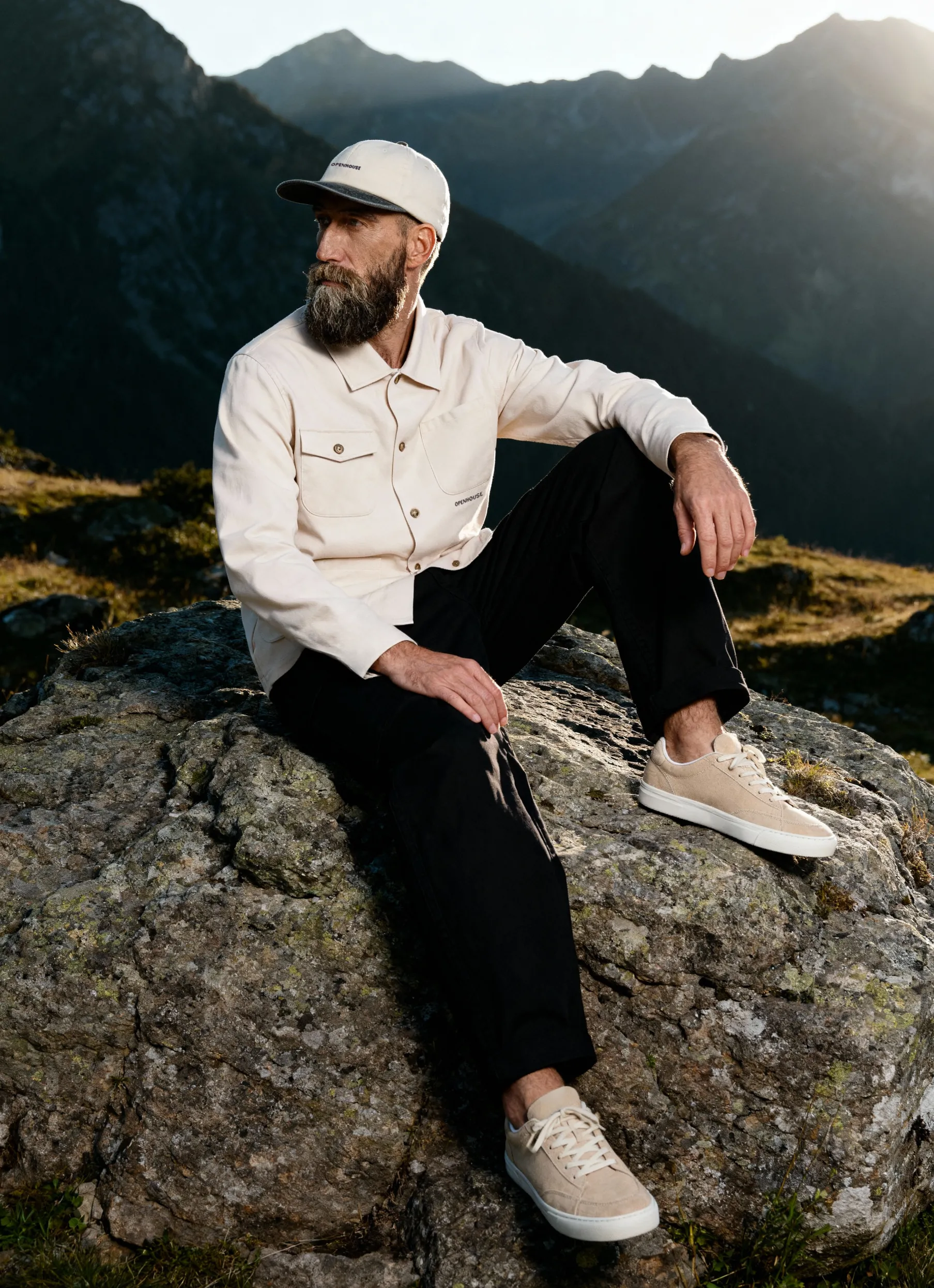


E-commerce is still on the rise – even though it probably is in its early adoption stage. Yes, online sales are still below 1/5th of all retail sales according to Statista.
There are more and more tricks and new norms invented by this multi-billion-dollar industry by the day, that are designed to bridge the gap between online and offline. But none is as effective as a professional attention-grabbing image.
The best thing is that, unlike shoes, suits, or dresses, wristwatches don't have to deal with the major e-commerce deal–breaker size. Most of the timepiece items will fit most hands, so watch e-commerce is much more reliant on photography than any other fashion segment.
Key Peculiarities of Shooting a Watch for an Online Store
Let’s get straight to it: watches are some of the most complex products to photograph. They demand precision, patience, and a setup that accounts for every detail. Here’s why they stand apart.
A Mix of Textures and Materials
Watches combine materials that react to light in completely different ways — glass, metal, leather, ceramics, crystals, and more. Each surface reflects or absorbs light differently, so every angle and exposure needs to be dialed in with care. Even minor adjustments can dramatically change how the watch reads on camera.
A Small Object With Even Smaller Details
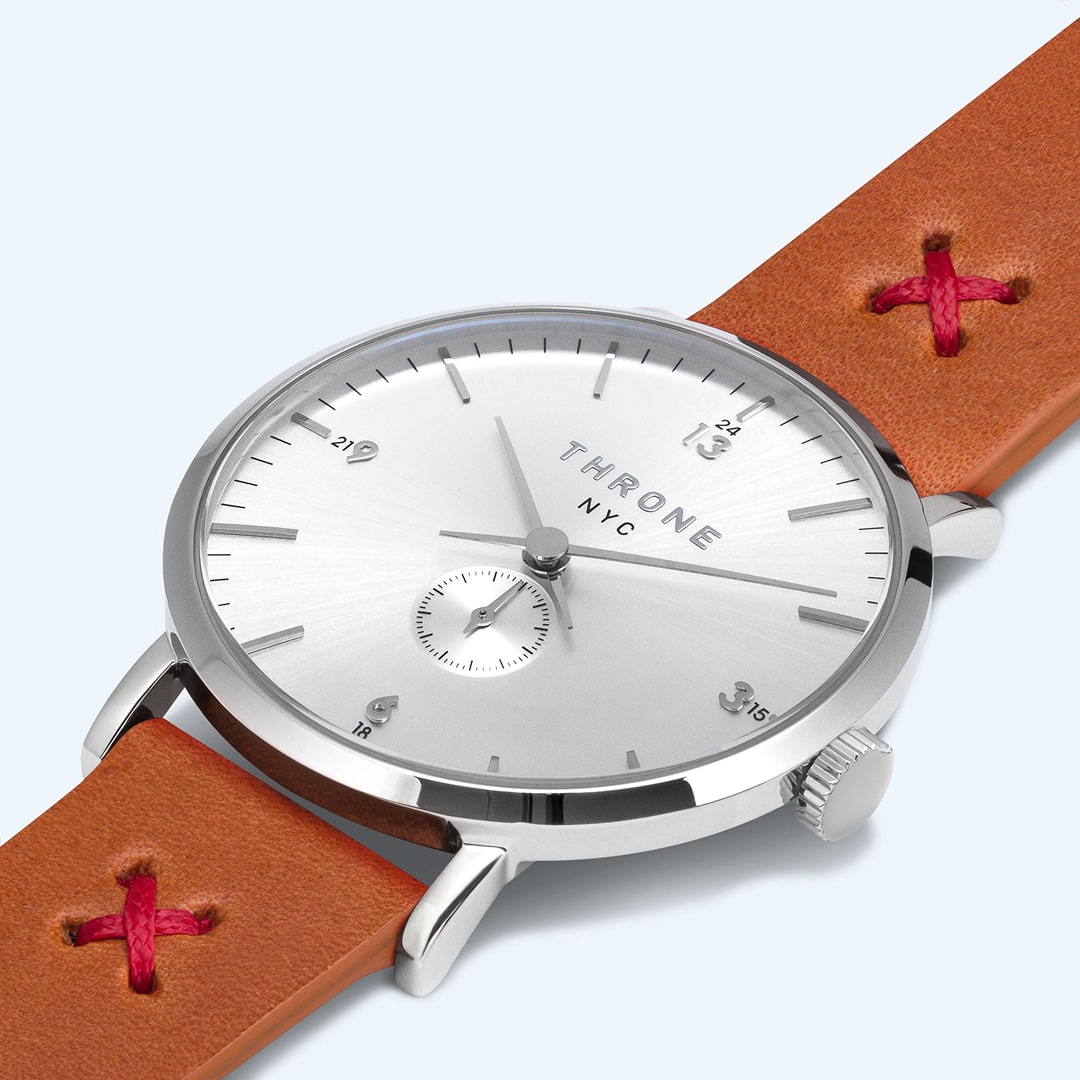
Watches are compact products packed with micro-details. Because the artificial light sources are large in comparison, getting everything sharp in one frame is nearly impossible. Photographers typically use macro lenses and capture multiple focus points, later merging them in post-production to ensure every component is crisp and readable.
Glossy Surfaces & Multiple Facets
Most watches include several glossy, reflective materials positioned at different angles — polished metal, glass, crystals, ceramic, and coated surfaces. These elements bounce light unpredictably, making a single perfect shot unrealistic. To achieve a clean, accurate result, the watch is photographed across many exposures and reflections, then composited into one precise final image
%201-min.jpg)
Specks of Dust & Scratches: The Usual Suspects
Even with gloves, canned air, and constant polishing, dust will still show up — especially under studio lighting and macro lenses. It’s normal, which is why retouching plays such a big role in watch photography. That said, cleaning the product right before the shot helps reduce the post-production workload and ensures a cleaner starting point.
For pre-owned watches, scratches add another layer of complexity. Each one needs to be assessed and retouched carefully to maintain accuracy without over-editing the product.
Setting the Time: 10 Past 10 as the Standard
Time settings matter more than most brands realize. In watch photography, 10:10 is the industry standard because it creates a balanced, symmetrical composition where the hands frame the logo and key design details.
Luxury watch photography campaigns almost universally follow this convention, with the seconds hand positioned around 30–33 seconds for additional balance. However, it’s not a strict rule — if the hands block a feature, the photographer adjusts the placement to suit the design.
To achieve the exact position, many watches require pulling the crown to stop the hands at the desired time before shooting. This ensures the composition stays consistent across all images.
%201-min.jpg)
Shooting a Timepiece
Because of all the challenges outlined above, watch photography is one of the most labor-intensive categories in e-commerce. Every surface, angle, and detail requires precision. It’s not unusual for a single image to take 3–4 hours to capture — plus several more in post-production.
Tethered Photography
For watches, tethered photography is almost non-negotiable. Connecting the camera, light boxes, and software ensures every frame stays perfectly aligned while only the light, reflectors, or focus planes change. This level of control is essential when you need dozens of exposures that will later be merged into one final image.
Focus Stacking
Focus stacking is a core part of watch photography. By shooting multiple frames with different focus points — often shifting focus layer by layer across the dial, case, and crown — photographers capture every detail at maximum sharpness. These frames are then combined in Photoshop or software like Helicon Focus to produce an image where every component is crisp.
What Matters in Watch Product Photography?
The Equipment a Watch Photography Studio Actually Needs
Watches are not ideal practice material for DIY photography. While you can take a photo with a smartphone, producing a commercial-grade watch image takes time, skill, and specialized tools.
A typical professional setup includes:
- DSLR or mirrorless camera
- Macro lens
- Tripod
- Stands or C-stands
- Strobes or continuous lights
- Reflectors and diffusers
- Editing software (Photoshop, Helicon Focus, etc.)
This is the baseline required to control reflections, extend depth of field, and maintain perfect alignment across many exposures.
Props That Enhance the Story
Prop choice depends on the watch’s design and the type of image you’re creating. Hero shots, lifestyle visuals, and social content can all benefit from textured backgrounds or category-specific elements.
For men’s watches: weathered wood, slate, metal parts, rope.
For women’s watches: silk, soft fabrics, petals, books, bags.
For specialty watches:
- Diver’s watches → diving gear or water textures
- Pilot’s watches → aviation elements
- Premium pieces → water drops, smoke, suspended particles, ink in water
Props help create context, elevate the brand story, and support the product’s positioning without distracting from the watch itself.
Time Is the Main Ingredient
A professional watch shoot is more of a marathon than a sprint. Setting up equipment alone can take 30 minutes or more. Finding the ideal angles, adjusting lighting, and testing reflections typically adds another 20–30 minutes before the real work begins.
Capturing a single timepiece often takes several hours, followed by several more hours of retouching. When done well, the result is a precise, high-impact image that reflects the product's craftsmanship.
Special Software for Tethering & Focus Stacking
A proper watch shoot relies on capturing a series of perfectly aligned frames. That’s why tethered photography is the standard — it keeps the camera, lights, and software fully synced as you adjust focus or reflections. Tools like Capture One make tethering seamless, while dedicated stacking software helps merge all exposures into a single, razor-sharp final image.
Skills and Experience Drive the Final Result
While it’s possible to DIY watch photography, the outcome rarely matches professional quality. Watches aren’t like apparel or bags — the mix of materials, reflections, and tiny facets requires experience, precision, and a strong understanding of lighting. The more seasoned the photographer, the more refined and impactful the final image will be.
Types of Watches: Classifications That Shape the Shoot
We won’t dive deep into the full taxonomy of watches — WatchRanker already covers that comprehensively. But here’s a quick overview of the categories that most impact photography:
- By style: luxury, fashion, casual, sports, classic
- By display: analog, digital, touchscreen, tactile
- By movement: solar, kinetic, quartz, automatic mechanical
- By power source: solar, quartz, battery-powered
Why this matters for photography
Different watch types call for different decisions around lighting, angles, props, and overall direction.
- Luxury watches require refined lighting, controlled reflections, and premium backgrounds.
- Sports watches often call for more dynamic setups or textured, rugged environments.
- Analog displays typically need multiple bracketed shots for proper focus stacking.
- LCD/digital watches may need only one clean exposure.
- Touchscreen watches often benefit from a lifestyle shot featuring interaction (e.g., a hand touching the screen).
Before starting a shoot, it’s helpful to explore references for the same watch category on Google or Pinterest to align expectations and direction.
Common Types of Watch Photos Used in E-Commerce
A strong online watch listing usually includes a mix of angles, compositions, and contexts. Here’s a clear breakdown:
1. Positioning Options
- Flat lay
- Hanging
- Ghost-mannequin effect
- On-wrist (model hand)
2. Number of Objects
- Single product
- Series or group shot
- Lifestyle scene with supporting props


3. Focus & Purpose
- Full watch
- Detail or macro focus (dial, crown, strap texture)
- Mood-driven lifestyle imagery
Tip: White-background images are best for product pages.
Wrist shots and lifestyle scenes work better for ads and social content.
4. Essential Angles
- Front
- ¾ view
- Side profile (case thickness)
- Back (engravings, mechanisms)
Recommended set: At least 4 white/black background images + 1–2 hero or lifestyle shots for marketing channels.
Key Factors to Consider When Planning a Watch Photoshoot
The right preparation significantly reduces production time and ensures consistent results.
1. Insurance & Security
High-value watches require secure transport, proper handling, and verified insurance in place before the shoot.
2. Inventory Management
Limited editions or high-demand pieces must be scheduled carefully so they can leave inventory without affecting sales.
3. Cleaning, Fixing & Reflection Control
- Lint-free microfibre cloths, gloves, canned air
- Nylon string, double-sided tape, small clamps
- Black and white cards to shape and block reflections
These items help maintain product cleanliness and keep micro-adjustments under control.
4. Reliable Hand Models
Strong hand models are not always easy to find. Maintain a shortlist — they’re essential for wrist shots and touchscreen sequences.
5. Tethered Shooting Setup
A tethered workflow keeps every frame aligned and reduces post-production work.
Prepare:
- All cables and backups
- Strobes or continuous lights
- Stands/C-stands
- Compatible tethering software
Partnering with an experienced studio for your first session helps you build efficient, repeatable pre-shoot checklists.
Watch Photography Costs: Built for Precision, Not for “Cheap”
Watch photography is one of the most technically demanding categories in e-commerce. Even simple white-background images require more time, equipment, and skill than apparel or accessories.
Because of this, pricing reflects the complexity.
As a general rule, expect $95+ per image, with higher rates for premium watches that require models, props, compositing, or art direction. Retouching is a significant part of the final cost, especially for dust removal, scratch correction, reflection cleanup, and focus stacking.
But for a category where customers buy based on detail and craftsmanship, high-quality imagery delivers measurable ROI — often far outweighing production costs.
Showcase craftsmanship with photography that matches the product.
Partner with Squareshot for premium watch images that elevate your brand.
Product A
SQUARE SHOT