

Your product image has about half a second to make a sale.
The digital marketplace is more competitive than ever, and that image is often your only shot at a first impression. Shoppers in 2026 scroll through hundreds of products a day, making split-second calls based mostly on what they see. Quality product images do more than show what you're selling. They signal professionalism, build trust, and directly shape whether someone buys.
Whether you're running a small Shopify store or managing a major brand's e-commerce presence, knowing how to create and optimize product photography isn't optional anymore.
Why Quality Product Images Matter More Than Ever
The statistics tell a compelling story. Studies consistently show that product photography plays a critical role in e-commerce success, with high-quality images significantly influencing customer trust and conversion rates.
When shoppers can't physically touch or examine products, they rely entirely on visual information. Poor quality images suggest poor quality products, regardless of actual product value. Conversely, professional photography signals attention to detail and brand credibility.
Consider these realities:
- Customers zoom in to examine details before purchasing
- Multiple product angles reduce uncertainty and returns
- Consistent styling builds brand recognition
- Mobile shoppers need images that scale perfectly
The investment in quality product imagery pays dividends through higher conversion rates, fewer returns, and stronger brand equity. As consumers become more visually sophisticated, their expectations continue rising.
Technical Foundations of Professional Product Photography
Creating quality product images starts with mastering technical fundamentals. Resolution, file format, and optimization balance quality with performance.
Resolution and File Specifications
Modern e-commerce platforms require high-resolution images to support zoom functionality. Following Shopify image quality best practices ensures your images meet marketplace standards while maintaining fast load times.
Most platforms recommend:
- Minimum 2048 x 2048 pixels for primary images
- Square aspect ratios for consistency
- JPEG format for photographs
- PNG for graphics requiring transparency
- File sizes under 500KB after optimization
Understanding e-commerce image standards helps you prepare images that perform across multiple channels. Different marketplaces have varying requirements, but starting with high-quality source files gives you flexibility.
Lighting Consistency and Control
Lighting makes or breaks product photography. Quality product images maintain consistent lighting across entire catalogs, creating visual harmony that shoppers trust.

Professional studios use controlled lighting environments to eliminate variables. Learning proper lighting techniques ensures your images maintain the same quality whether you're photographing one product or one thousand.
Composition Strategies That Convert
Technical quality means nothing without strong composition. How you frame and present products dramatically affects their perceived value and desirability.
The Power of Multiple Angles
Single-image product listings underperform significantly compared to comprehensive galleries. Shoppers want to see products from every angle to understand exactly what they're buying.
Effective product galleries include:
- Hero shot (main featured image)
- Side profile
- Back view
- Top-down perspective
- Detail close-ups
- Scale reference
- Lifestyle context
Each angle serves a specific purpose in the customer's decision-making process. Understanding different types of product photography helps you determine which shots your specific products need.
Background Selection and Consistency
Background choice significantly impacts how products are perceived. While pure white backgrounds remain the standard for many categories, strategic background selection can enhance product presentation.
Choosing the right background color involves understanding color psychology and contrast ratios. Neutral backgrounds keep focus on products, while contextual backgrounds tell stories.
Many successful brands use a hybrid approach:
- White background for primary marketplace images
- Lifestyle backgrounds for social media
- Minimalist settings for brand websites
- Consistent props across collections
The debate between lifestyle shots versus white background imagery isn't about choosing one over the other. Smart brands use both strategically across different touchpoints.
Category-Specific Photography Approaches
Different product categories require specialized photography techniques. Quality product images for jewelry demand different approaches than clothing or electronics.
Apparel and Fashion Photography
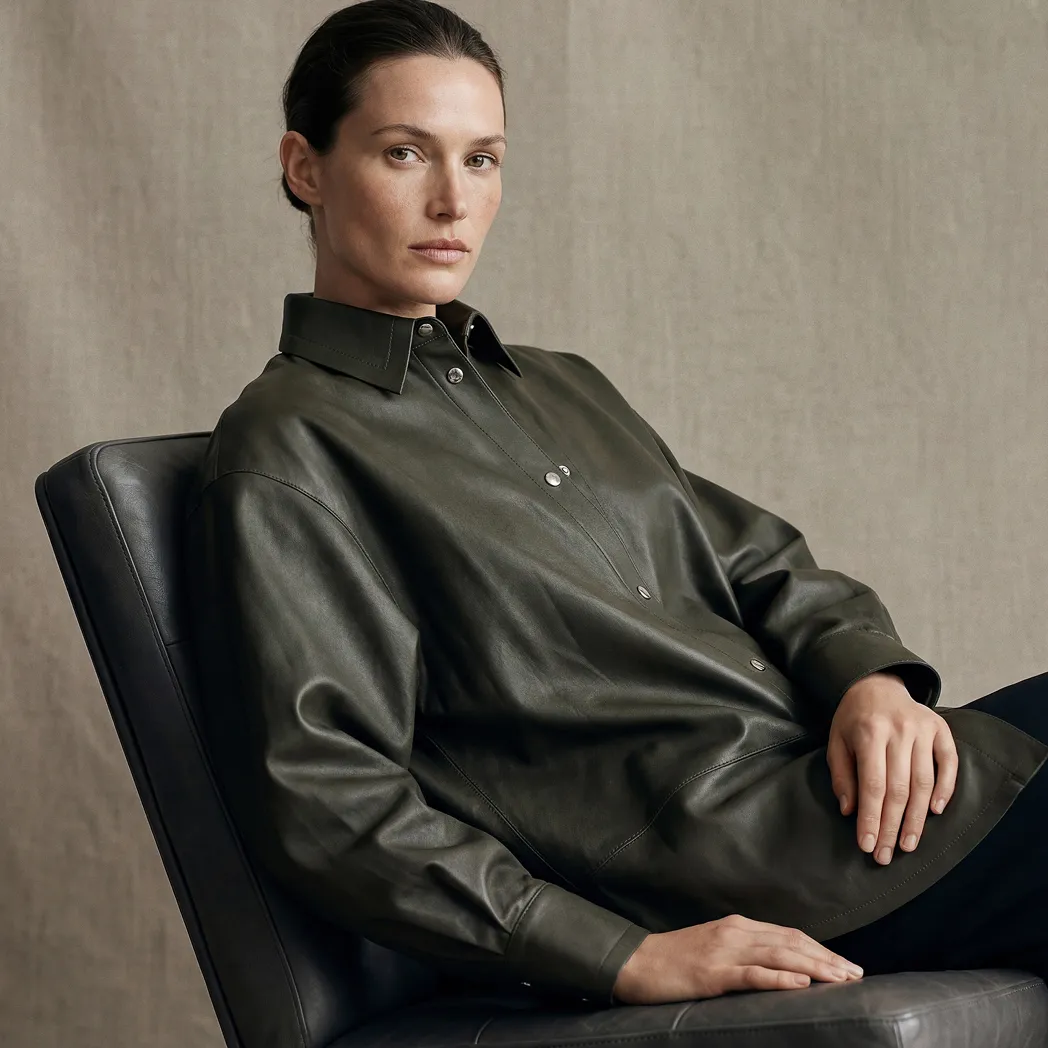
Clothing presents unique challenges. Garments need dimension and drape to look appealing online. Planning clothing brand photo shoots requires decisions about models versus flat lays, styling consistency, and seasonal considerations.
Model photography provides:
- Fit visualization
- Movement and drape
- Lifestyle context
- Emotional connection


Flat lay photography offers:
- Cost efficiency
- Detail clarity
- Consistent sizing
- Quick production
Understanding how to photograph clothing effectively helps you choose the right approach for your brand positioning and budget.
Jewelry and Small Products
Small, reflective products demand precision and specialized equipment. Common jewelry photography mistakes include poor focus, distracting reflections, and inconsistent color rendering.
Successful jewelry photography requires:
- Macro lenses for detail shots
- Careful reflection management
- Color-accurate lighting
- Stable shooting platforms
- Precise focus stacking
The same principles apply to watches, where specialized watch photography techniques showcase craftsmanship and detail.
Beauty and Cosmetics
Beauty products benefit from both clinical accuracy and aspirational styling. Product packaging, textures, and application results all require documentation. Beauty product photography balances technical precision with creative presentation.
Creating Visual Consistency Across Your Catalog
Brand recognition depends heavily on visual consistency. When customers browse your catalog, cohesive imagery creates professional credibility and easier navigation.
Developing Style Guidelines
Quality product images follow documented standards. Creating a photography style guide ensures consistency across multiple photographers, locations, and timeframes.
Essential style guide elements include:
- Exact lighting specifications
- Background requirements
- Composition templates
- Color profiles
- Editing standards
- Prop selection criteria
These guidelines become especially critical as brands scale. What works for 50 products becomes unmanageable at 5,000 without clear standards.
Scaling Production While Maintaining Quality
Growing brands face a challenging transition point. Early-stage businesses might handle photography in-house, but scaling requires professional infrastructure.

Working with experienced product photography services ensures quality remains consistent even as volume increases. Professional studios bring specialized equipment, experienced crews, and established workflows.
Optimizing Images for Different Platforms
Quality product images need platform-specific optimization. What works perfectly on your website might need adjustment for Amazon or Instagram.
Marketplace Requirements
Each platform has specific technical requirements. Understanding Amazon product image dimensions and other marketplace standards prevents rejections and ensures optimal display.
Platform-specific considerations:
- Amazon: Requires white backgrounds, 85% frame fill, minimum 1000px
- Shopify: Recommends square images, 2048px, optimized file sizes
- Instagram: Prefers 1:1 or 4:5 ratios, high contrast for feed visibility
- Pinterest: Vertical 2:3 ratio performs best, lifestyle context
Following best practices for product images across platforms maximizes your imagery investment.
Mobile Optimization
Over 70% of e-commerce traffic comes from mobile devices in 2026. Quality product images must work beautifully on small screens. Mobile optimization means:
- Fast loading times
- Clear details even at thumbnail size
- Zoom functionality that works smoothly
- Appropriate file compression
- Responsive image sizing
Testing images on actual devices reveals issues that desktop viewing misses. What looks sharp on a monitor might appear muddy on a smartphone.
The Role of Post-Production and Retouching
Raw camera files rarely represent finished quality product images. Professional retouching enhances without deceiving, presenting products accurately while maximizing appeal.
Basic adjustments include:
- Color correction for accuracy
- Exposure balancing
- Shadow and highlight recovery
- Dust and imperfection removal
- Background cleanup
Advanced retouching might involve product refinement, but ethical standards matter. Images should represent products accurately to prevent returns and maintain customer trust.
Batch Processing for Efficiency
Large catalogs benefit from automated workflows. Developing consistent editing presets speeds production while maintaining quality standards.
Professional studios use:
- Color profile calibration
- Action-based batch processing
- Template-based compositions
- Automated file naming
- Quality control checkpoints
This systematization allows studio-quality results at scale without proportional cost increases.
Emerging Trends and Technologies
The product photography landscape continues evolving. Staying current with 2026 product photography trends helps brands remain competitive.
AI-Assisted Photography
Artificial intelligence is transforming product photography workflows. While brands must carefully consider AI product images, the technology offers legitimate benefits when used appropriately.
AI applications include:
- Background removal automation
- Lighting adjustment assistance
- Perspective correction
- Image upscaling
- Batch processing optimization
However, AI cannot replace the creative direction and quality control that experienced photographers provide. The best approach combines human expertise with technological efficiency.
360-Degree and Interactive Imagery
Static images remain fundamental, but interactive formats increasingly influence purchasing decisions. 360-degree photography, video demonstrations, and augmented reality try-ons complement traditional quality product images.
These technologies work best alongside comprehensive still photography, not as replacements. Customers want multiple ways to evaluate products, with each format serving different needs.
Building an Effective Photography Workflow
Successful product photography requires systems, not just skills. Efficient workflows maintain quality while managing costs and timelines.
Planning and Preparation
Pre-production planning includes:
- Product preparation and cleaning
- Shot list development
- Prop and styling selection
- Schedule coordination
- Technical specification confirmation
Thorough preparation prevents costly reshoots. Understanding how to plan effective photo shoots saves time and budget while ensuring complete coverage.
Quality Control Processes
Maintaining standards requires systematic review. Professional operations implement multi-stage quality checks:
- On-set review during shooting
- Post-production technical verification
- Brand guideline compliance checking
- Final client approval workflow
These checkpoints catch issues early when corrections are inexpensive rather than discovering problems after images go live.
Measuring Photography ROI
Quality product images represent significant investment. Measuring their impact justifies budgets and guides optimization.
Key Performance Indicators
Track these metrics:
- Conversion rate by product page
- Time spent viewing product images
- Zoom feature usage
- Return rates correlation
- Cross-platform engagement
Analytics reveal which imagery approaches work best for your specific audience. What converts for luxury goods might differ completely from mass-market products.
Testing and Iteration
A/B testing different photography styles provides data-driven insights. Test variables like:
- Background colors or styles
- Number of images per listing
- Image order and priority
- Lifestyle versus product-only shots
Continuous improvement based on actual performance data ensures your photography investment delivers maximum returns.
Choosing the Right Photography Partner
For brands outsourcing photography, partner selection dramatically impacts results. The right studio becomes an extension of your team, understanding your brand and consistently delivering quality product images that meet your standards.
Evaluation Criteria
When choosing a commercial photography studio, consider:
- Portfolio relevance — shows industry-specific experience
- Production capacity — whether they can handle your volume
- Turnaround times — whether they can meet your launch schedule
- Retouching capabilities — the quality of their post-production
- Technical infrastructure — their equipment and facilities
- Communication systems — how clearly they manage the project
Understanding product photography rates helps you evaluate proposals and budget appropriately. The cheapest option rarely delivers the best value.
Long-Term Partnership Benefits
Ongoing relationships with photography partners deliver compounding benefits. Studios that understand your brand work faster, anticipate needs, and maintain consistency across seasons and collections.
Whether you're photographing jewelry, apparel, beauty products, or any other category, investing in professional photography pays measurable returns through higher conversion rates and stronger brand perception. Squareshot specializes in delivering exactly this kind of impactful product photography, combining experienced photographers, comprehensive production support, and advanced retouching to create images that elevate your brand and drive results.
Product A
SQUARE SHOT