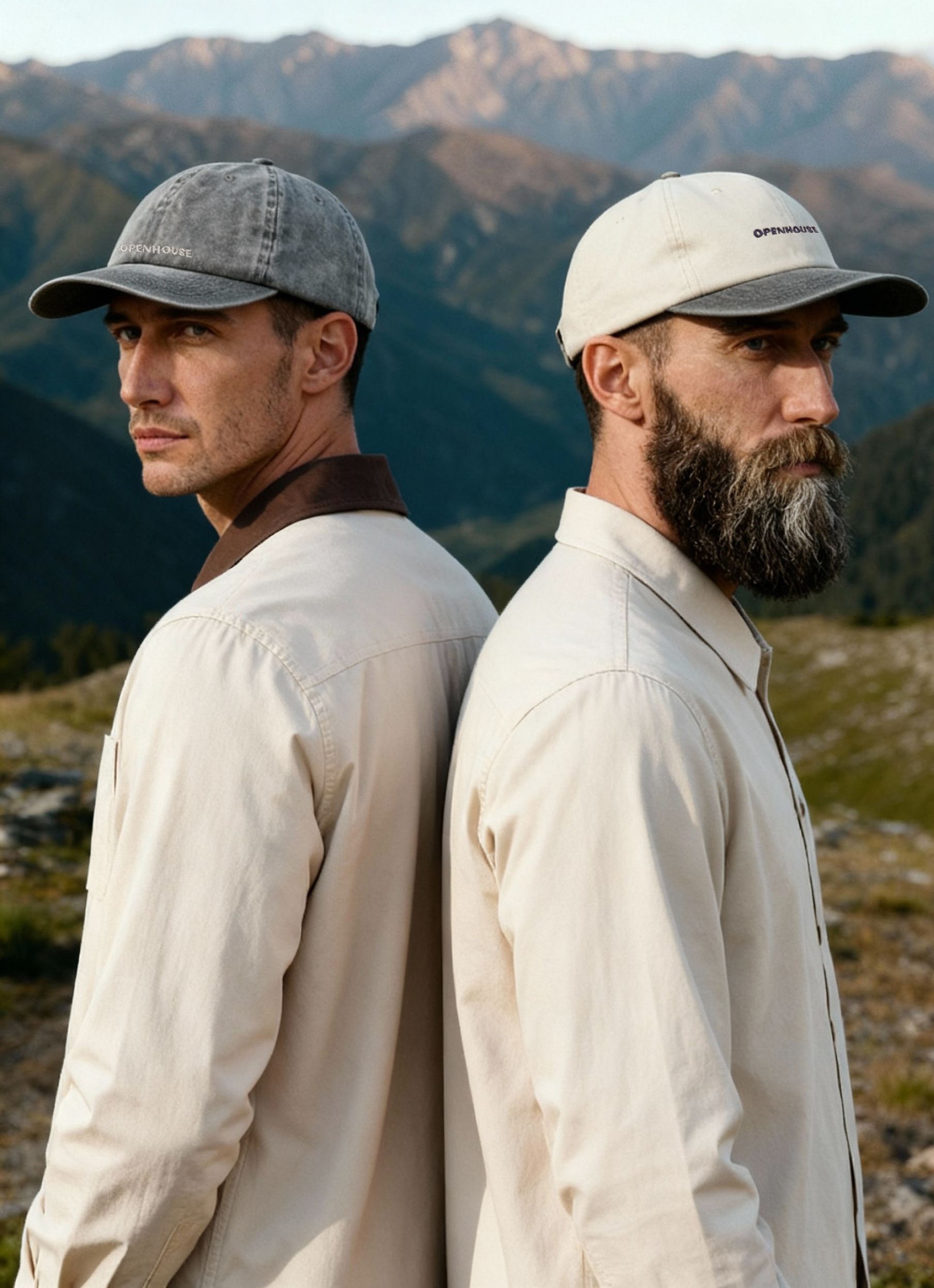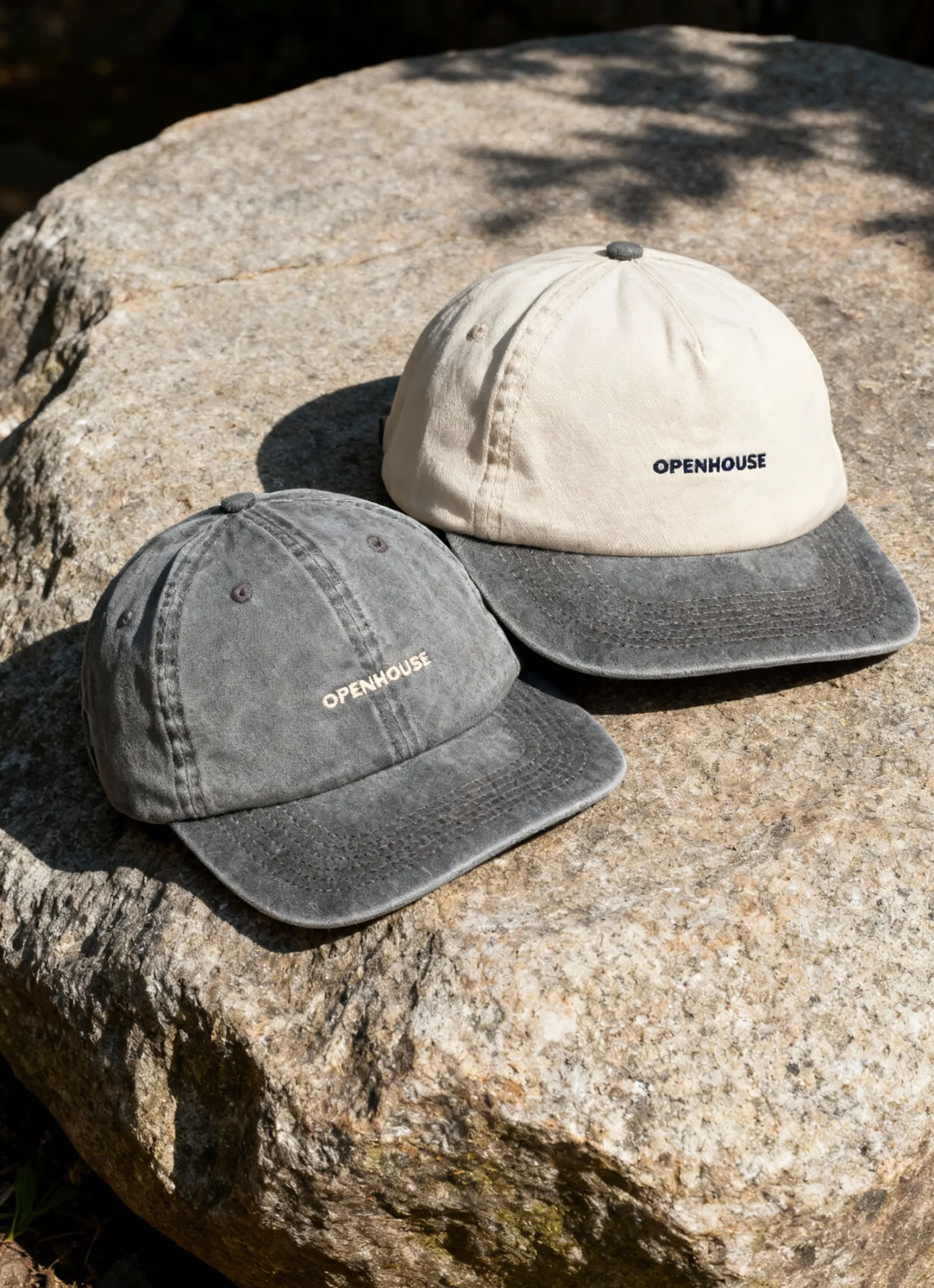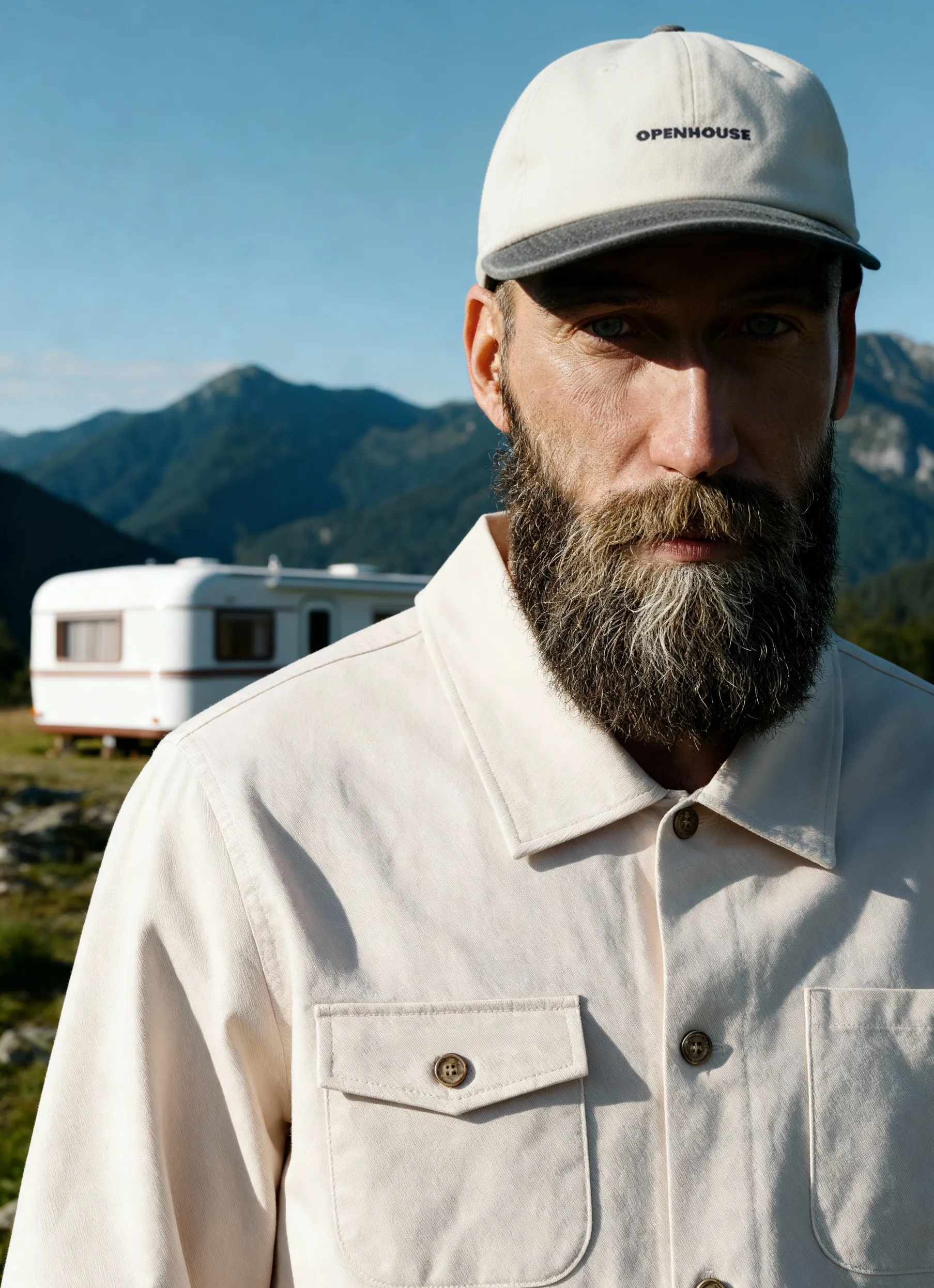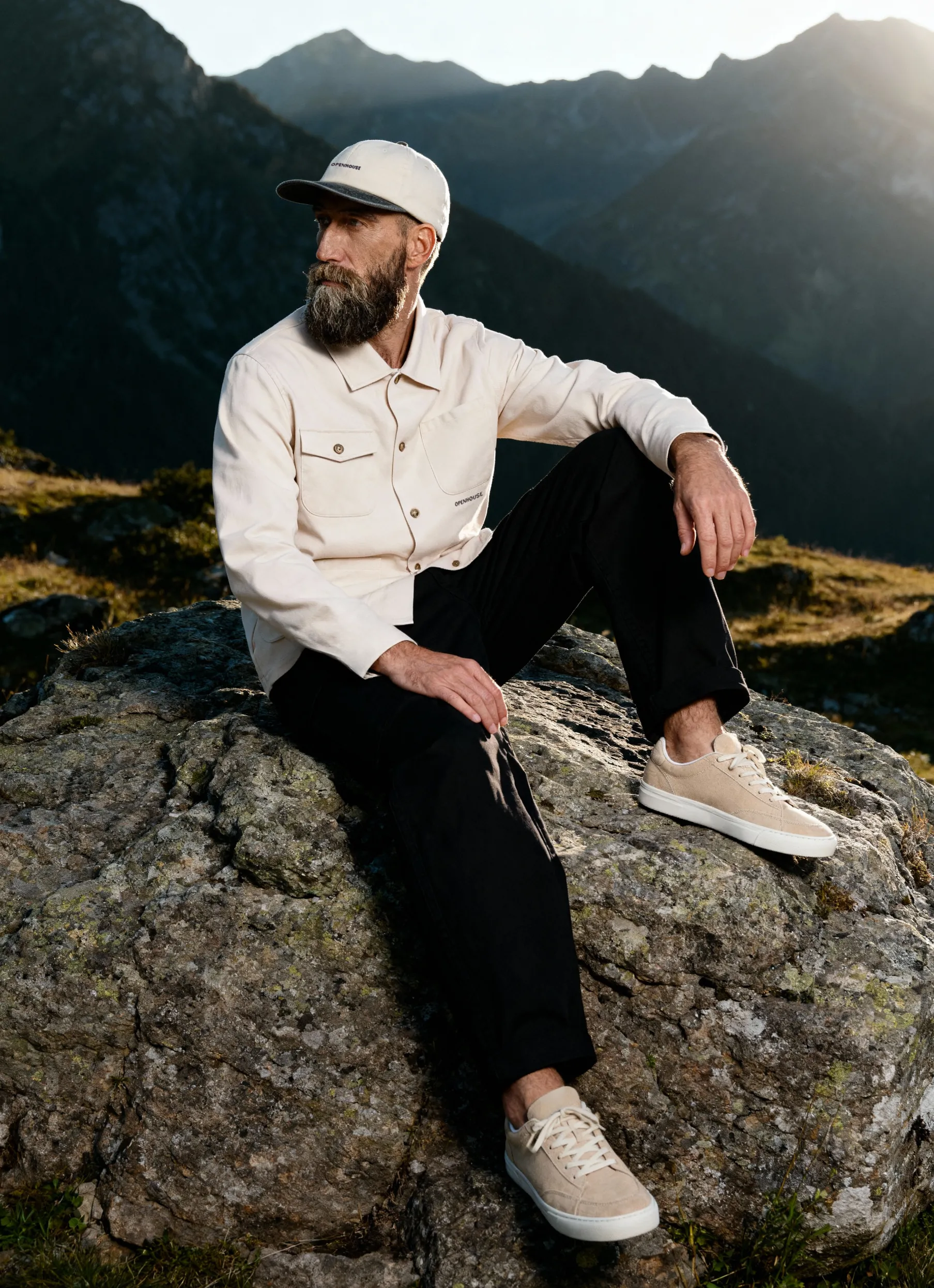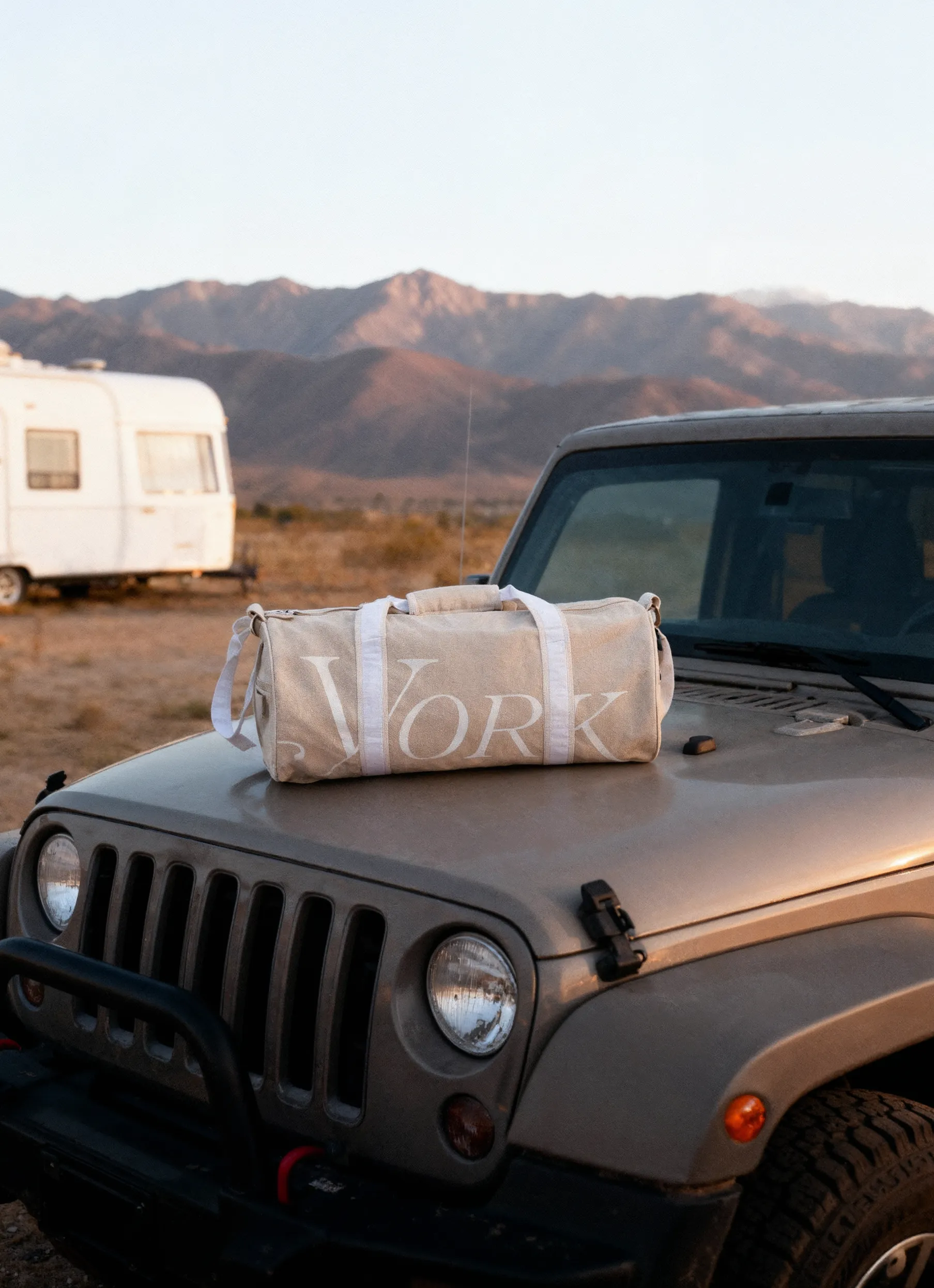


The world of product photography has entered a transformative era. Brands that once spent thousands on traditional photoshoots now experiment with artificial intelligence to create striking product images in minutes.
An AI product photo generator uses machine learning algorithms to produce professional-looking product photos, often requiring nothing more than a text description or a basic product snapshot. While this technology offers exciting possibilities for speed and cost reduction, it also raises important questions about quality, authenticity, and how it fits alongside traditional photography services.
Understanding where AI excels and where human expertise remains irreplaceable helps businesses make smarter decisions about their visual content strategy.
Understanding AI Product Photo Generators
An AI product photo generator leverages deep learning models trained on millions of images to create, enhance, or completely reimagine product photography. These tools have evolved dramatically since their early iterations in 2023 and 2024.
Modern generators work through several approaches:
- Text-to-image generation: Describe your product and desired setting, and the AI creates the entire image from scratch
- Image enhancement: Upload an existing product photo and let AI improve lighting, remove backgrounds, or add shadows
- Scene composition: Place your product into AI-generated lifestyle settings without physical staging
- Variant creation: Generate multiple color options, angles, or styling variations from a single source image
The technology draws from transformer models and diffusion processes similar to those powering consumer AI tools. Major camera manufacturers have taken notice, with Canon and Panasonic investing in AI startups focused on product image generation.
How the Technology Actually Works
These tools are trained on large libraries of professional product images. When you upload a photo or write a prompt, the system identifies visual patterns — lighting, composition, object relationships — and generates output that matches what successful product photography typically looks like. The more specific your input, the more useful the result. Vague prompts produce generic images; detailed ones, with references to lighting style, background, and context, get closer to usable output.
The training process involves:
- Analyzing millions of professional product photos
- Learning compositional rules, lighting patterns, and object relationships
- Understanding text descriptions and their visual correlates
- Generating new images through iterative refinement processes
Recent advancements like Microsoft's MAI-Image-1 demonstrate how tech giants are pushing boundaries in image quality and coherence. These systems now handle complex requirements like consistent branding, accurate product representation, and platform-specific formatting.
Popular AI Product Photo Generator Tools in 2026
The market has matured significantly, offering specialized solutions for different business needs. Photoup.ai exemplifies dedicated product photography AI, creating professional images specifically optimized for e-commerce platforms.
Beyond dedicated tools like Photoup.ai, the category breaks down into three other types. General Image AI offers a strong artistic range and customization, though it's not built for product-specific workflows. Enhancement Tools handle background removal and lighting fixes, but perform best when the source images are already decent. 3D-Aware Generators cover multi-angle needs with consistent product views — the tradeoff is higher processing requirements.
For businesses exploring their options, resources like this comprehensive AI tools guide review over 70 solutions, though not all specialize in product photography. Understanding which features matter for your specific catalog needs prevents wasting time on ill-suited platforms.
Specialized Features That Matter
Not all AI product photo generator platforms offer the same capabilities. When evaluating tools for your business, prioritize these differentiators:
Critical features include:
- Batch processing capabilities for large catalogs
- Brand consistency controls (colors, styles, backgrounds)
- Platform-specific formatting (Amazon, Shopify, Instagram)
- Customizable templates and presets
- Integration with existing workflows and DAM systems
Some advanced generators now incorporate 3D understanding, allowing for perspective-correct product placement in complex scenes. This matters when you need products to look natural in lifestyle settings rather than artificially pasted onto backgrounds.
Strategic Integration of AI and Traditional Photography
The smartest brands aren't choosing between AI and professional photography. They're strategically combining both. Squareshot's approach demonstrates how traditional expertise enhances AI-generated content through proper source material and quality control.


When AI Product Photo Generators Excel
AI stands out in specific scenarios where speed, volume, or variation outweigh the need for absolute perfection:
- Rapid prototyping: Testing how products look in different settings before committing to physical shoots
- Seasonal variations: Creating holiday or themed versions of existing product shots
- Background variations: Generating multiple scene options for A/B testing conversion rates
- Color variants: Showing products in different colors without reshooting each SKU
- Simple product shots: Clean, white-background images for catalog purposes
Brands selling on multiple platforms benefit enormously from AI's ability to reformat images. Understanding Shopify product image requirements and Amazon's specifications shows how different platforms demand different specs-something AI handles efficiently through automated resizing and optimization.
Where Professional Photography Remains Essential
Traditional photography with experienced teams still delivers irreplaceable value in crucial areas:
- High-value product launches: Premium items need perfection that AI can't guarantee
- Complex texture representation: Fabrics, materials, and finishes require nuanced lighting
- Brand authenticity: Consumers increasingly value genuine photography over generated content
- Model and lifestyle shots: Human authenticity in fashion photography creates emotional connections
- Jewelry and reflective surfaces: Jewelry photography demands precision lighting and expertise
The question of whether brands should use AI product images doesn't have a universal answer. It depends on product category, brand positioning, and specific use cases within your content strategy.
Building an Effective Hybrid Workflow
Smart integration of AI product photo generator tools alongside professional photography creates maximum efficiency without sacrificing quality. The key lies in understanding which assets deserve which approach.
The Strategic Framework
Start with professional photography for foundational assets. Invest in high-quality shots of your key products in primary contexts. These become source material for AI enhancement and variation.
Step-by-step integration process:
Start by commissioning professional shoots for hero products and main marketing campaigns. Use those images as source material for AI-generated background variants and contextual scenes. Deploy AI for catalog expansion and seasonal updates, and maintain professional photography for complex products and premium positioning. Test AI-generated versus professional shots regularly — conversion data should guide which approach you use where.
This approach mirrors how leading e-commerce brands are scaling product photography with AI while maintaining brand standards. The workflow ensures consistency while dramatically reducing time-to-market for new products or variants.
Quality Control Checkpoints
Even the best AI product photo generator occasionally produces flawed output. Implementing systematic quality checks prevents substandard images from reaching customers:
- Physical accuracy: Verify products maintain correct proportions, colors, and details
- Lighting consistency: Ensure shadows and highlights appear natural and directionally correct
- Background appropriateness: Check that generated scenes match brand aesthetics and don't distract
- Platform compliance: Confirm images meet technical specifications for intended channels
- Brand alignment: Validate that AI outputs maintain consistent visual language
Tools for detecting AI-generated images are becoming more sophisticated, which matters if your brand values transparency. Some platforms now require disclosure of AI content, making quality assessment even more critical.
Cost Considerations and ROI Analysis
Understanding the financial implications helps businesses make informed decisions about investing in AI tools versus traditional photography services.
For brands managing large catalogs, the economics favor AI for volume while preserving budgets for strategic professional shoots. Exploring product photography rates shows where traditional costs concentrate, helping identify opportunities for AI substitution.
Calculating Your Break-Even Point
Determine when an AI product photo generator investment makes financial sense:
Consider these variables:
- Number of SKUs requiring imagery
- Frequency of catalog updates or seasonal changes
- Current photography costs per product
- Quality requirements by product tier
- Platform diversity (number of different channels)
Brands updating 100+ products monthly often achieve ROI within 2-3 months. Those with smaller catalogs might find occasional professional shoots more cost-effective than maintaining AI subscriptions. The budgeting guide for e-commerce photography provides frameworks for this analysis.
Technical Implementation Best Practices
Successfully deploying AI-generated product photography requires more than just signing up for a tool. Technical considerations affect output quality and workflow efficiency.
Preparing Source Materials
The quality of AI-generated images depends heavily on input quality. When using enhancement or variation tools:
- Use high-resolution source images (minimum 2000px on the longest side)
- Ensure proper product lighting in original photos to give AI good reference data
- Maintain consistent shooting angles across product lines for brand coherence
- Organize assets systematically for efficient batch processing
- Document settings and prompts that produce desired results for repeatability
Understanding essential product photography workflow principles helps even when AI generates final images. The fundamentals of composition, lighting logic, and brand consistency still apply.
Integration With Existing Systems
Modern e-commerce operations rely on interconnected tools. Your AI product photo generator should fit seamlessly into your broader ecosystem:
- Product Information Management (PIM) systems for metadata and asset association
- Digital Asset Management (DAM) platforms for organization and version control
- E-commerce platforms like Shopify for direct publishing
- Project management tools for workflow coordination
- Analytics systems to track the performance of AI versus traditional imagery
For Shopify merchants specifically, AI-generated images need to be tested within the actual store environment — not just reviewed in isolation. How an image performs in a product grid, on a PDP, and in ads can differ significantly. Build that testing into the workflow before committing to AI-generated assets at scale.
Advanced Applications and Future Trends
The capabilities of AI product photo generators continue expanding beyond basic background removal and simple scene generation.
Emerging Capabilities in 2026
Recent developments push the boundaries of what's possible:
- Personalized product visualization: Showing products in settings matched to individual customer preferences
- Dynamic seasonal adaptation: Automatically updating imagery based on holidays, weather, or trends
- Multi-product scene composition: Intelligently arranging multiple items in cohesive lifestyle scenes
- Hyper-realistic material simulation: Rendering fabrics, metals, and textures with unprecedented accuracy
- Cross-platform optimization: Simultaneously generating optimized versions for different channels
Research on AI-generated image datasets reveals trends in how consumers interact with AI content, providing insights for brands considering these technologies. The data suggests that authenticity markers and quality consistency matter more than whether images are AI-generated or traditionally photographed.
Preparing for What's Next
Forward-thinking brands position themselves to leverage evolving AI capabilities:
Future-ready strategies include:
- Building comprehensive libraries of professional source imagery for AI enhancement
- Establishing clear brand guidelines that AI tools can reference
- Testing emerging platforms early to identify competitive advantages
- Training teams on both AI tools and traditional photography principles
- Maintaining flexibility in workflows to adapt as technology advances
The convergence of AI with e-commerce image standards creates opportunities for brands that stay current with both technological capabilities and consumer expectations. Community resources like Talk Shop, which brings together Shopify merchants, developers, and experts, provide valuable peer insights on how other e-commerce businesses successfully implement AI photography solutions while maintaining conversion rates.
Practical Tips for Different Product Categories
Not all products benefit equally from AI generation. Category-specific approaches maximize results while avoiding common pitfalls.
Fashion and Apparel Considerations
Clothing presents unique challenges for AI due to complex textures, drape, and fit representation:
- Use AI primarily for background variations and color swaps rather than full garment generation
- Maintain professional photography for fit and texture accuracy
- Leverage AI for flat lay photography layout variations
- Test AI-generated lifestyle scenes, but verify garment proportions carefully
- Prioritize traditional model shoots where fit demonstration matters
Home Decor and Furniture
This category excels with AI scene generation since context heavily influences purchase decisions:
Optimal AI applications:
- Room scene generation showing products in various interior styles
- Seasonal decoration variations without reshooting
- Scale demonstrations through contextual placement
- Multiple color and finish options from single product shots
Exploring home decor photography ideas shows creative approaches that AI can replicate or enhance, particularly for generating the volume of lifestyle content modern consumers expect.
Beauty and Cosmetics
Beauty products require careful color accuracy and texture representation:
- Use professional photography for color-critical hero images
- Deploy AI for packaging variations and background updates
- Test AI-generated lifestyle scenes against professional alternatives
- Maintain traditional photography for texture details and finish representation
- Leverage AI for rapid seasonal campaign variations
Beauty product photography demands precision that AI increasingly delivers, though human expertise in lighting reflective surfaces and capturing subtle color variations remains valuable.
Managing Image Assets at Scale
As catalogs grow and AI generates increasing volumes of imagery, effective asset management becomes critical.
Organization Systems That Scale
Implement structured naming conventions and metadata standards:
- Consistent file naming: SKU_angle_background_version_source (e.g., SKU12345_front_white_v2_AI)
- Comprehensive tagging: Product category, generation method, usage rights, approval status
- Version control: Track iterations and maintain access to previous versions
- Source attribution: Document whether images are professional, AI-generated, or hybrid
- Usage tracking: Monitor where each asset appears across channels
Proven image management strategies become even more important when AI multiplies your asset count exponentially. Without proper systems, you'll struggle to find the right image when needed.
Quality Benchmarking and Testing
Systematically compare AI-generated versus professionally photographed images:
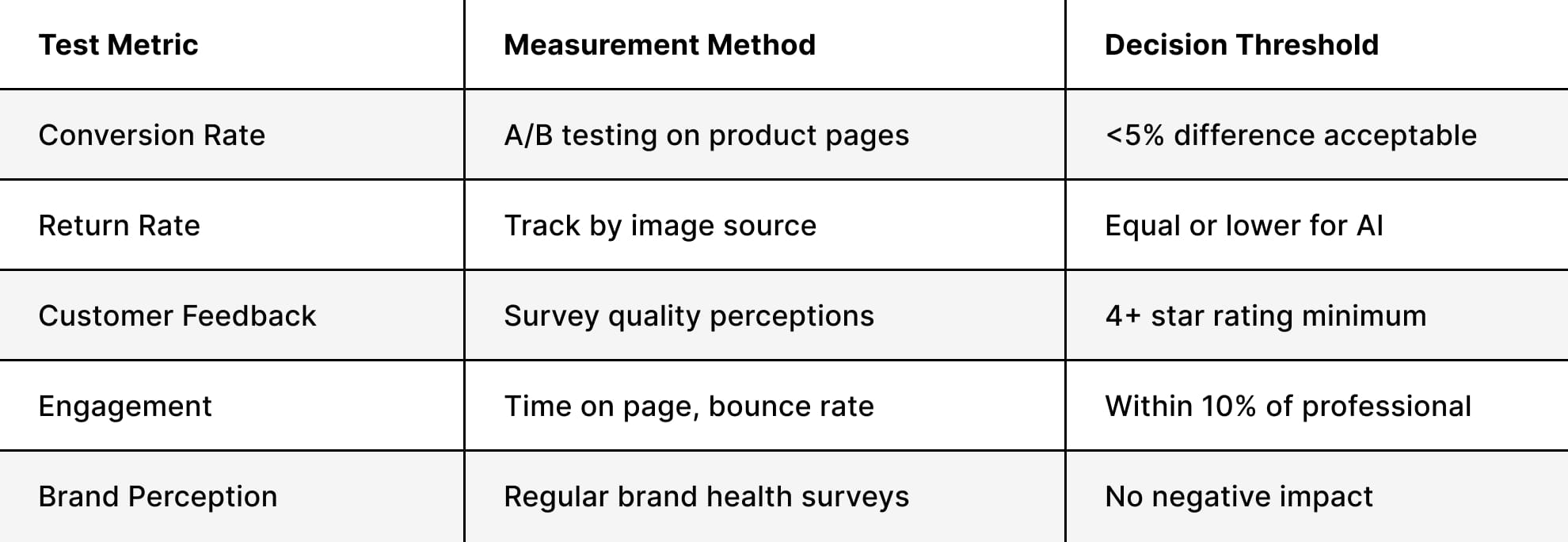
This data-driven approach ensures AI serves business goals rather than simply reducing costs. The insights inform which product categories work well with AI and which require professional photography.
Training Teams for Success
Technology alone doesn't guarantee results. Teams need skills to maximize the AI product photo generator's effectiveness.
Essential Competencies
Develop capabilities across your organization:
- Prompt engineering: Crafting descriptions that yield desired visual results
- Visual quality assessment: Recognizing issues like incorrect shadows, proportions, or lighting
- Brand consistency evaluation: Ensuring outputs align with established visual standards
- Technical specifications: Understanding platform requirements and optimization
- Workflow design: Integrating AI tools into existing production processes
Many companies underestimate the learning curve. Even intuitive AI tools require practice to master, particularly for maintaining consistency across large catalogs. Consider how AI photo editing for e-commerce requires new skills from brand managers accustomed to traditional processes.
Building Institutional Knowledge
Document successful approaches as your team discovers what works:
- Create prompt libraries for common product categories and scenes
- Establish approval workflows with clear quality checkpoints
- Maintain style guides showing successful AI outputs versus rejected ones
- Share learnings across teams to prevent redundant experimentation
- Update documentation as AI tools evolve and capabilities expand
This knowledge base becomes increasingly valuable as team members change or new products launch, ensuring consistency despite personnel shifts.
Ethical Considerations and Disclosure
Transparency matters in an era where consumers and platforms increasingly scrutinize AI-generated content.
Best Practices for Authenticity
Balance AI's efficiency benefits against consumer expectations for authenticity:
- Disclose AI generation when platform policies or transparency values require it
- Avoid misleading representations where product appearance matters critically
- Maintain accuracy in how AI depicts product features, colors, and materials
- Test customer reactions to AI imagery in your specific market segment
- Preserve the option for customers to see traditionally photographed alternatives
Different markets show varying acceptance of AI imagery. Luxury segments often demand traditional photography's prestige, while value-focused consumers may prioritize comprehensive visualization over generation method.
Platform Requirements and Policies
Stay current with evolving guidelines from major e-commerce platforms:
Key platform considerations:
- Some marketplaces now require AI-generated image disclosure
- Advertising platforms may restrict AI imagery in certain categories
- Social media networks implement varying policies on synthetic content
- International markets show different regulatory approaches
Understanding product image display requirements across platforms helps ensure compliance while maximizing AI benefits where permitted.
AI product photo generators are most valuable when they're treated as production tools, not replacements for creative judgment. They handle volume, variation, and speed well. They don't replace the precision required for hero shots, complex materials, or products where accuracy directly affects purchase decisions. The brands getting the most out of AI are the ones that started with strong foundational photography and built AI workflows on top of it — not the ones that swapped one for the other.
That foundational photography is what Squareshot provides. If you're building a visual content workflow that's meant to scale, it starts with source images worth scaling from.
Product A
SQUARE SHOT
%201.jpg)