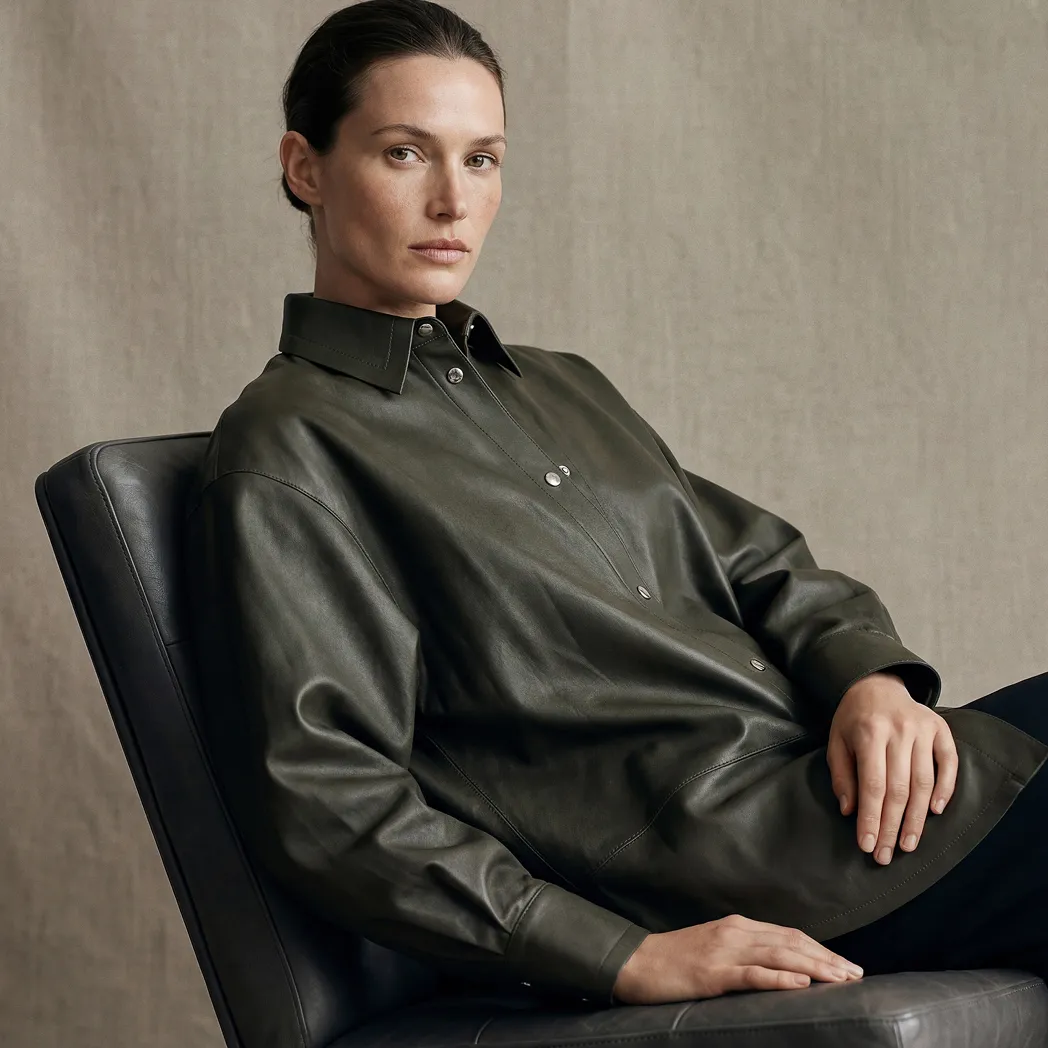


The direct-to-consumer revolution has fundamentally changed how brands communicate with their customers. Without traditional retail intermediaries, DTC brands must rely entirely on digital touchpoints to showcase their products, and DTC photography has become the cornerstone of that visual communication.
Unlike conventional product photography that might prioritize in-store display or print catalogs, DTC photography demands a multi-channel approach that works seamlessly across websites, social media, email campaigns, and digital advertising. Today's consumers expect authentic, high-quality visuals that tell a story, build trust, and provide the detailed product information they need to make confident purchasing decisions.
Understanding the DTC Photography Landscape
DTC photography represents a distinct discipline within commercial photography, specifically tailored to the needs of brands selling directly to consumers through digital channels. This approach requires an understanding not just of how to create beautiful images, but also of how those images function within the entire customer journey.
The fundamental difference lies in purpose and distribution. Traditional product photography often served a single master: the catalog, the billboard, or the retail display. DTC photography must work harder and smarter across multiple platforms simultaneously. A single image might need to perform on Instagram, convert on a product detail page, engage in an email newsletter, and retarget in a Facebook ad.
The Multi-Platform Challenge
Today's DTC photography must account for diverse technical requirements and viewing contexts:
- Square formats for Instagram feeds and carousel ads
- Vertical orientations for Stories, Reels, and TikTok
- High-resolution files for website zoom features
- Optimized file sizes for fast mobile loading
- Lifestyle contexts for social media engagement
- Clean, detailed shots for conversion-focused landing pages
This versatility requires careful planning during photoshoots. Rather than capturing variations as an afterthought, successful DTC brands build multi-format delivery into their initial creative briefs. When working with professionals who understand e-commerce photography standards, brands can ensure every angle and format serves a strategic purpose.
Building Trust Through Authentic Visual Content
Consumer trust represents the most valuable currency in direct-to-consumer commerce. Without the ability to physically examine products before purchase, customers rely heavily on visual information to assess quality, understand features, and imagine ownership. Research consistently shows that professional photography increases DTC conversion rates and sales by creating the confidence needed to complete purchases.
The authenticity factor matters enormously in 2026. Consumers have become sophisticated visual readers, quickly distinguishing between stock imagery, AI-generated content, and genuine brand photography. While AI tools certainly have their place in product photo enhancement, the foundation must remain authentic, professionally captured imagery.
.jpg)
Creating Photography That Converts
The DTC photography approach to conversion goes beyond aesthetics. Every image should answer specific customer questions, address potential objections, and move buyers closer to making a purchase. High-converting DTC product photography strikes a balance between multiple objectives simultaneously.
Consider the typical product detail page. A customer might need:
- Hero image establishing overall product appearance
- Multiple angles showing all sides and details
- Scale reference demonstrating actual size
- Feature highlights calling attention to unique elements
- Lifestyle context showing real-world application
- Detail close-ups revealing quality and craftsmanship
Each image type serves a distinct psychological purpose in the buying decision. The hero shot creates initial interest. Detailed views build confidence. Lifestyle images create emotional connections. Together, they work as a comprehensive visual argument for purchase.


Strategic Planning for DTC Photoshoots
Successful DTC photography begins long before the camera clicks. Strategic planning ensures maximum asset value and efficiency, particularly important for DTC brands operating with lean teams and tight budgets.
Pre-Production Essentials
The planning phase determines shoot success. Smart DTC brands develop detailed shot lists that tend to specific marketing needs rather than just capturing "nice photos." This means collaborating across teams to understand what content will support email campaigns, paid advertising, social media, and website updates over the coming months.
Working with experienced photographers who specialize in catalog and creative shoots streamlines this process significantly. Professional teams bring knowledge of what works across channels and can suggest variations you might not have considered.
Key planning considerations include:
- Seasonal content needs and campaign calendars
- Platform-specific format requirements
- Inventory of existing assets to identify gaps
- Budget allocation across shoot types
- Timeline for asset delivery and deployment
For product-intensive brands, establishing ongoing relationships with photography partners creates consistency and efficiency. Rather than starting from scratch each time, the photography team develops deep familiarity with your brand aesthetic, technical requirements, and workflow preferences.
Styling and Art Direction for Direct-to-Consumer Brands
Art direction separates forgettable product shots from memorable brand imagery. For DTC brands, styling choices communicate brand values, target audience, and product positioning in subtle but powerful ways.
Developing Your Visual Identity
Every styling decision contributes to brand perception. Background colors, prop selections, lighting choices, and compositional approaches all carry meaning. A minimalist product photography approach might communicate sophistication and premium quality, while vibrant, dynamic styling suggests energy and accessibility.
The key lies in alignment. Your DTC photography should visually echo the brand voice customers encounter in your copywriting, packaging, and customer service. Inconsistency creates confusion and erodes trust. When customers move from your Instagram to your website to your email newsletter, they should experience a coherent visual language throughout.
Core styling elements to define:
- Color palettes that complement products while maintaining brand consistency
- Props and accessories that add context without overwhelming products
- Surface textures that enhance rather than distract
- Lighting mood from bright and airy to dramatic and moody
- Composition style, including negative space, product placement, and visual balance
Understanding how to choose background colors for product photography represents one fundamental decision that impacts the entire aesthetic. White backgrounds work brilliantly for marketplace listings and product catalogs, while colored or textured backgrounds often perform better for social media and brand storytelling.
Technical Excellence in DTC Product Photography
While creativity drives engagement, technical excellence ensures usability. DTC photography must meet exacting standards for resolution, color accuracy, lighting consistency, and file optimization.
Meeting Platform Requirements
Each sales and marketing channel imposes specific technical requirements. Amazon demands particular image dimensions and product image requirements. Shopify has its own product image specifications. Social platforms constantly update their recommended formats and aspect ratios.
Professional DTC photography accounts for all these variations during capture, not just in post-production. Shooting with proper framing and composition for multiple crop ratios saves time and maintains quality across all final deliverables.
Post-Production and Retouching Standards
Advanced retouching represents the final critical step in DTC photography workflows. Professional post-production removes distractions, corrects color, ensures consistency, and optimizes files for their intended uses without crossing into misleading territory.
The balance matters enormously. Customers expect polished, professional imagery, but they also expect accuracy. Over-retouching creates unrealistic expectations and drives returns. The goal is to present products at their best while maintaining honest representation.
For special products, especially in tough markets like supplements and nutrition, knowing the best ways to photograph supplements helps. This ensures your images meet industry rules and stand out.
Lifestyle Photography Within DTC Strategies
Pure product shots serve essential functions, but lifestyle photography creates emotional connections and demonstrates real-world application. This is where DTC photography often delivers its highest return on investment.
Showing Products in Context
Lifestyle imagery answers the question every customer subconsciously asks: "How will this fit into my life?" A handbag photographed on a white background shows its features and construction. That same bag, photographed with a customer at a coffee shop, heading to work, or exploring a new city, tells a story and triggers aspirational emotions.
The most effective approach combines both. According to insights on lifestyle shots versus white background imagery, successful DTC brands use clean product shots for conversion-focused touchpoints while deploying lifestyle content for awareness, engagement, and brand-building.
Effective lifestyle photography strategies include:
- Real customers or models who represent your target audience
- Authentic scenarios that align with actual product usage
- Environmental details that reinforce brand values
- Multiple lifestyle contexts for a versatile content library
- Opportunities for user-generated content inspiration
For certain product categories such as apparel and accessories, lifestyle photography becomes even more critical. Understanding how to photograph clothes for sale requires specialized knowledge of styling, fit representation, and movement capture that brings garments to life.
Leveraging Video and Motion Content
Static photography remains foundational, but DTC photography strategies increasingly incorporate video and motion content. Short-form video dominates social media, and product videos consistently outperform static images for engagement and conversion.
Expanding Beyond Still Images
The production approach for motion content shares a lot in common with still photography but requires additional considerations for movement, duration, and storytelling flow. Many DTC brands find efficiency in hybrid content shoots that capture both stills and video simultaneously, maximizing the value of set design, styling, and production time.
Video content types valuable for DTC brands:
- Product demonstrations show features and functionality
- Unboxing sequences create anticipation and perceived value
- How-to tutorials educate customers on product use
- Behind-the-scenes content builds brand transparency
- Customer testimonial videos feature real users
- Stop-motion content highlighting product details creatively
Brands that want aerial views or unique angles can work with experts like Extreme Aerial Productions. They add dramatic effects to product launches, facility tours, or brand stories. These projects need professional drone filming.
Building a Sustainable DTC Photography System
One-off photoshoots create temporary asset bumps. Sustainable DTC photography requires systematic approaches that generate consistent content aligned with ongoing marketing needs.
Creating Content Calendars and Asset Libraries
Strategic DTC brands think in campaigns and quarters rather than individual content shoots. This perspective shift enables better planning, budget allocation, and creative development. A well-organized asset library becomes a valuable business resource, easily searched and deployed across multiple channels.
System components for sustainable photography:
- Quarterly content calendars map photography needs to marketing initiatives
- Digital asset management with consistent naming, tagging, and organization
- Style guides document brand standards for photography and editing
- Vendor relationships with reliable photography partners who understand your brand
- Performance tracking connects specific imagery to conversion and engagement metrics
- Refresh schedules ensure product photography remains current and competitive
This systematic approach transforms photography from an occasional expense into a strategic investment. Brands can plan budgets more accurately, maintain consistent visual quality, and respond quickly to market opportunities when they have organized, accessible photography assets ready to deploy.
When evaluating product photography pricing, consider the total value delivered rather than just per-image costs. Photographers who provide comprehensive content production support, organized delivery, and ongoing partnership often deliver better overall value than lowest-price providers.
Measuring DTC Photography Performance
Photography represents a significant investment for DTC brands. Measuring its impact ensures resources flow toward what actually drives business results.
Key Performance Indicators
Different image types serve different purposes, requiring different success metrics. Hero images on product detail pages should be evaluated by conversion rate. Social media content measures engagement. Email imagery tracks click-through rates.
Conversion impact is measured by product page conversion rate and add-to-cart rate — test image quantity, angles, and styling to move the needle. Engagement comes down to likes, shares, comments, and saves, where experimenting with lifestyle versus product shots reveals what your audience actually responds to. Traffic quality is tracked through click-through rate from ads and emails, which tells you whether your creative concepts and compositions are compelling enough to earn the click.
Brand perception is harder to quantify but shows up in survey responses and customer feedback — use it to check whether your photography is aligned with how you want the brand to be seen. Efficiency metrics — cost per asset, shoot time, editing turnaround — keep the operation honest and highlight where workflows or vendor relationships need tightening.
A/B testing different photography approaches reveals what resonates with your specific audience. One brand might find creative product styling drives higher engagement, while another discovers minimal white backgrounds convert better. Data removes guesswork and guides investment decisions.
Industry-Specific DTC Photography Considerations
While core principles apply across categories, different product types demand specialized DTC photography approaches.
Apparel and Fashion
Clothing photography studios face unique challenges around fit representation, fabric texture, and style communication. Ghost mannequin techniques show garment shape without distraction. Model photography demonstrates fit and styling possibilities. Flat lays work brilliantly for social media but rarely convert as effectively as worn product shots.
Beauty and Cosmetics
Beauty product photography requires exceptional attention to color accuracy, texture detail, and aspirational styling. Customers need to see exact shades for makeup products while also connecting emotionally with lifestyle imagery showing results and application.
Jewelry and Accessories
Jewelry photography demands macro capabilities for detail shots, creative lighting for sparkle and dimension, and scale references so customers understand actual size. Technical accuracy and artistic style make jewelry photos go from good to great.
Home Goods
Home product photography benefits enormously from room settings and styled vignettes that help customers visualize products in their own spaces. Dimensional accuracy and material representation become critical factors in reducing returns.
Future Trends in DTC Photography
The DTC photography setting continues evolving as technology advances and consumer expectations shift. Staying ahead of trends provides a competitive advantage.
Emerging Technologies and Approaches
3D product visualization and AR integration are transforming how customers interact with products online. While traditional photography remains essential, forward-thinking DTC brands explore how computer vision and AI applications can enhance customer experience and streamline content creation.
The rise of user-generated content creates both opportunities and challenges. Brands must balance professionally created DTC photography with authentic customer photos and videos that build community and trust. The most successful approaches integrate both, using professional imagery for conversion touchpoints while amplifying customer content for social proof and engagement.
Sustainability and transparency increasingly influence photography decisions. Customers want to see behind the curtain: manufacturing processes, material sources, and brand values. This shift toward photographers engaging directly with audiences mirrors the direct-to-consumer model itself, creating opportunities for authentic brand storytelling through visual content.
Emerging trends to watch:
- Interactive 360-degree product views
- AR try-on experiences requiring specialized capture
- Increased video content across all channels
- Authentic, unpolished content balancing professional imagery
- Inclusive representation in model selection and styling
- Sustainable content production practices and transparent sourcing
- AI-assisted editing, maintaining human creative direction
As these technologies mature, the fundamentals of effective DTC photography remain constant: understand your audience, solve their questions visually, maintain brand consistency, and measure what works. Technology amplifies these principles rather than replacing them.
Mastering DTC photography requires balancing technical excellence, creative storytelling, and strategic business thinking. The most successful direct-to-consumer brands treat photography not as a periodic expense but as a core marketing asset that drives conversion, builds trust, and differentiates their brand in crowded digital marketplaces.
The brands that treat photography as a core business asset — not a line item to minimize — are the ones building lasting visual equity. Every image either earns trust or costs it. There's no neutral.
Squareshot produces product photography built for how DTC brands actually operate: high volume, multiple channels, tight timelines, and zero tolerance for inconsistency.

Product A
SQUARE SHOT