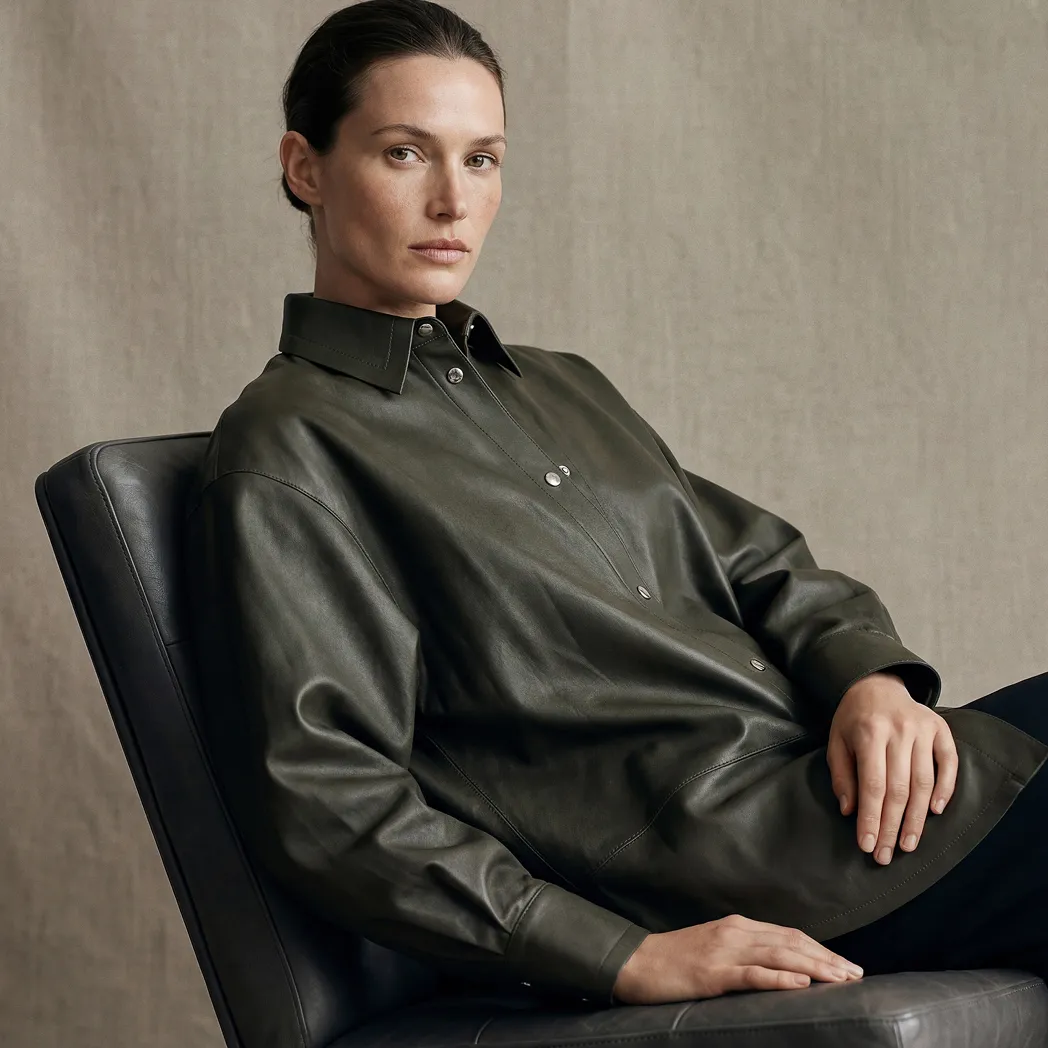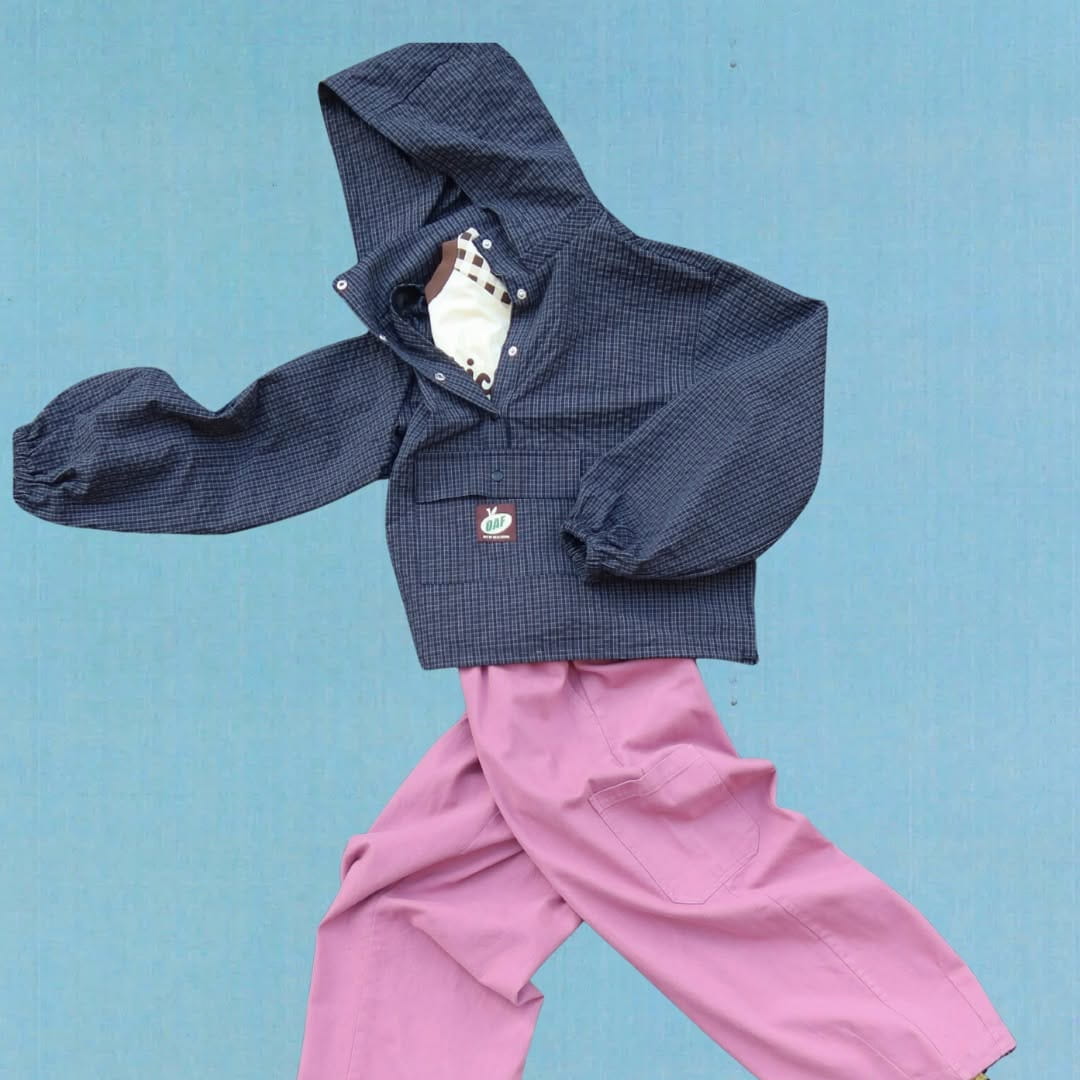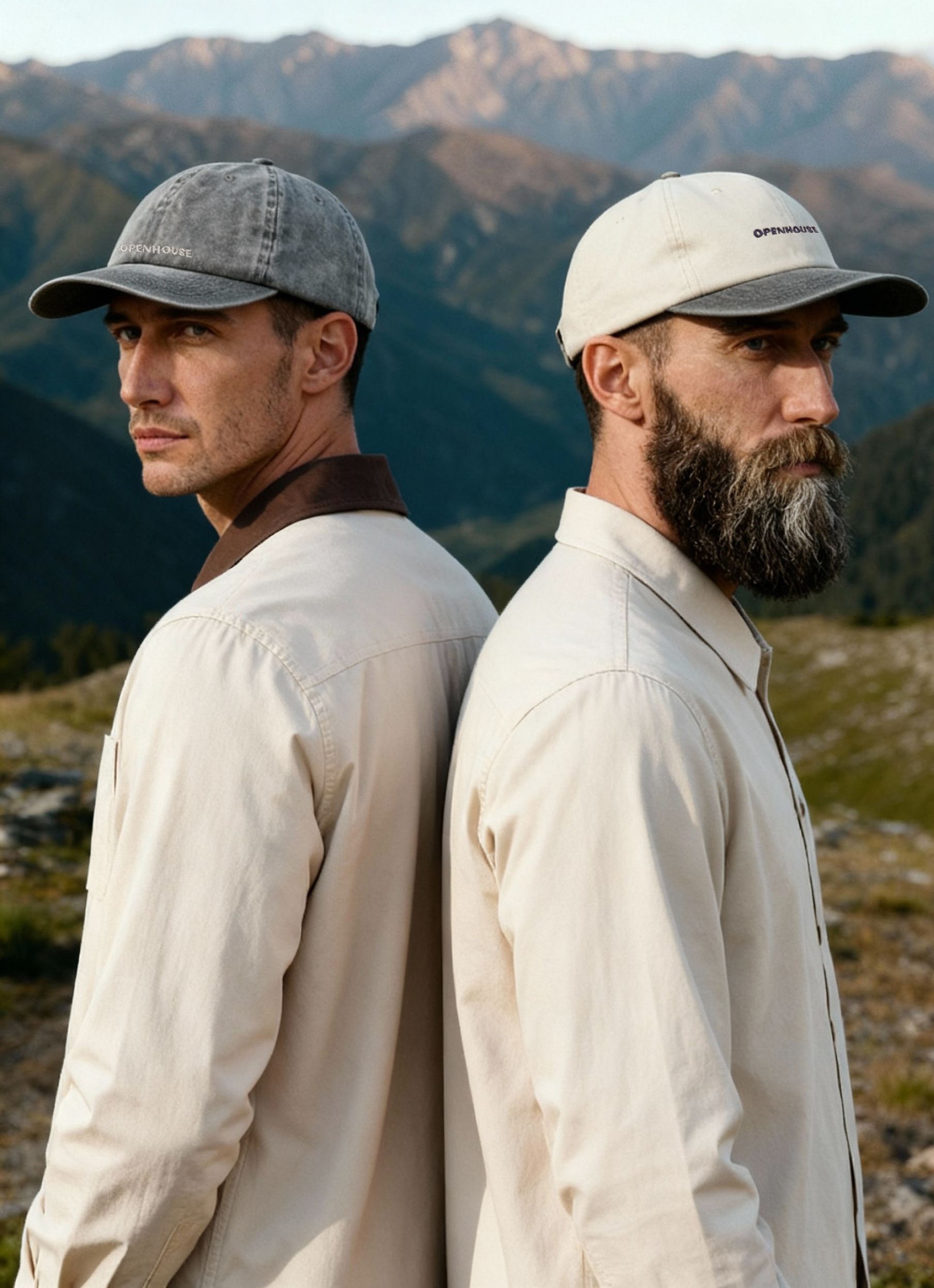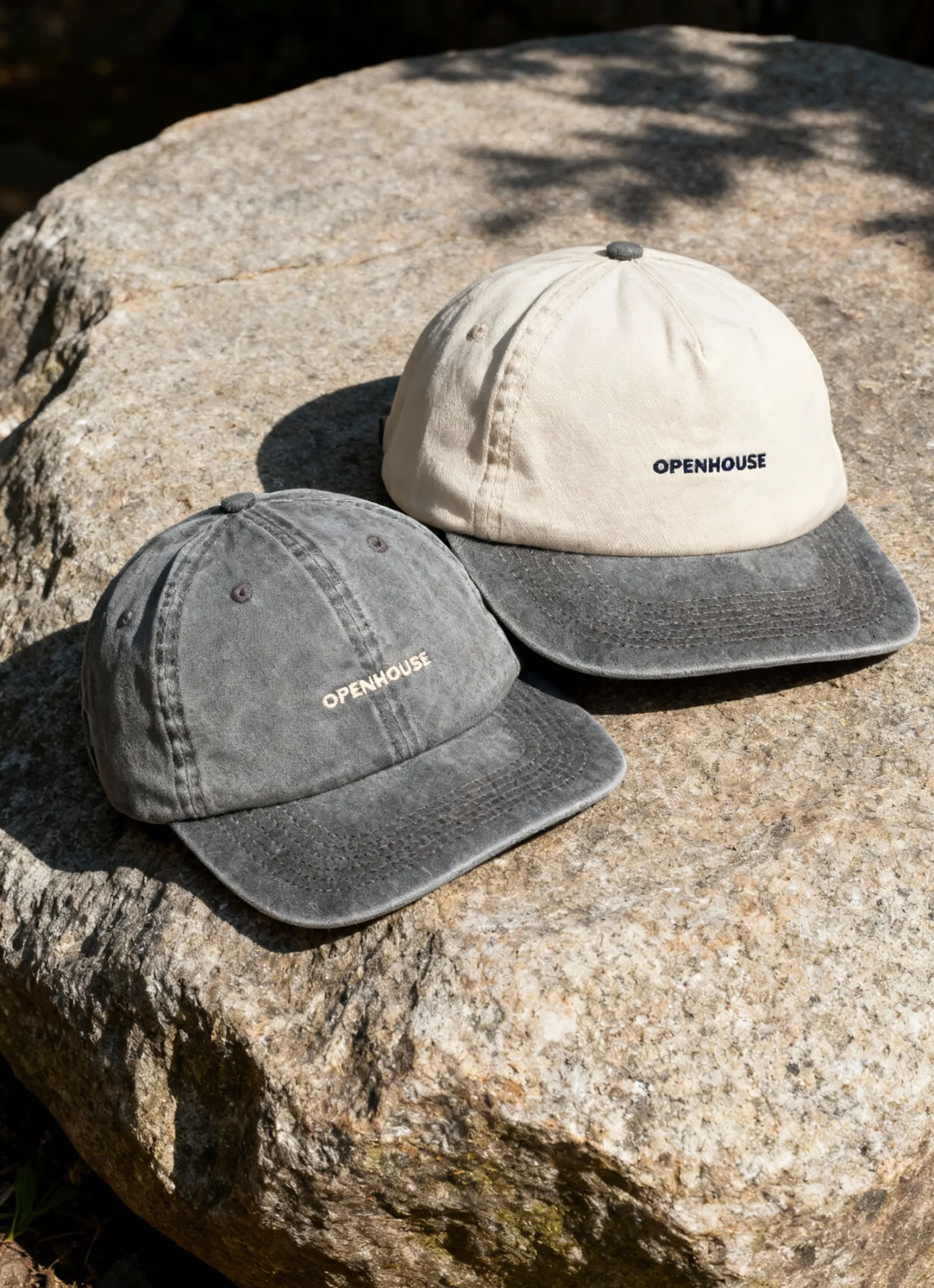


The styling choice you make for a product shoot directly affects click-through rates, return rates, and add-to-cart behavior. This guide covers seven product styling approaches that e-commerce brands use to increase conversions — with specific use cases for each, so you can match the technique to your product type and channel
Why Product Styling Directly Affects Conversion
Today, product photography styling stands at the center of digital commerce. As shoppers spend more time online, the competition for attention intensifies. Brands that embrace creative visuals are not just keeping up; they are setting the pace for what customers expect in 2026.
The Shift in Consumer Expectations
Consumers in 2026 have raised the bar for what makes a product image appealing. With the surge in online shopping and the dominance of social commerce platforms like Instagram and TikTok, visuals are now the primary decision driver.
Recent studies show that over 75% of online shoppers say product shots influence their purchasing choices. Brands must use product styling photography to stand out and win trust in this crowded landscape. For a deeper dive on why this matters, check out the Importance of Product Photography.
The Role of Storytelling and Branding
Successful product styling photography goes beyond showing a product; it tells a story. When brands use creative styling, they build emotional connections and invite customers to imagine the product in their own lives.
Brands like Glossier have built loyal audiences by weaving visual consistency and strong on-brand aesthetics into every image. This reliability nurtures trust and makes products instantly recognizable, proving that product styling photography is key for brand identity.
Technology and Trends Shaping 2026
In 2026, technology is transforming product styling photography. AI-driven image editing tools, AR/VR integration, and automated studios are making advanced visuals more accessible than ever.
Sustainability and inclusivity are also shaping how products are styled, with trends like hyper-realism, mixed media, and experiential photography gaining traction. These innovations help brands reflect evolving consumer values and stay ahead of the curve.
Challenges and Opportunities for Brands
Despite the potential, many brands struggle to balance creativity with consistency in product styling and photography. Common hurdles include standing out in saturated markets and keeping visuals cohesive across platforms.
The good news? With strategic planning and innovative concepts, brands of all sizes can elevate their visual presence. Embracing new techniques opens the door to greater engagement, brand recognition, and sales in 2026.
7 Creative Product Styling Photography Ideas for 2026
Ready to unlock the future of product styling photography? The digital marketplace in 2026 is more competitive than ever, making it essential to stand out with fresh, creative visuals. Below, you’ll find seven ideas that blend technology, visual storytelling, and artistry — all designed to help you master product styling in photography and capture your target audience’s attention.
1. 360-Degree Views: Reduce Returns, Increase Confidence
Interactive 360-degree product scenes are transforming product styling photography by giving customers the power to explore every angle. Imagine spinning a sneaker or zooming in on a handbag’s stitching, all from your screen. This immersive approach is quickly becoming an industry standard.
To create these scenes, start with a motorized turntable and a DSLR or mirrorless camera. Use consistent lighting to minimize shadows. Specialized software like Adobe’s 3D suite helps stitch images together seamlessly. For best results, keep your background neutral and ensure each frame is perfectly aligned.
The benefits are clear: higher engagement, reduced product return rates, and a richer understanding of your product’s features. For example, a fashion retailer can showcase the intricate textures of a dress or the details of a shoe’s sole. According to industry research, interactive content in product photography can significantly boost conversion rates.
You can take this further by adding clickable hotspots that reveal product features or embedding short videos for layered storytelling. However, be mindful of production time, file sizes, and ensure compatibility with your e-commerce platform.
Interactive 360-degree scenes are a powerful way to modernize your product photography styling and create a memorable shopping experience.
Best for: footwear, bags, and electronics on PDP pages where return rates are high.
2. AR Product Placement: Let Shoppers See It Before They Buy
Augmented reality is reshaping product styling photography by letting shoppers visualize products in their own environment. In 2026, AR product placement is not just a trend — it’s a must-have for brands looking to connect digitally savvy consumers with their offerings.
The process begins with shooting your product against a transparent or white background. High-resolution images and consistent lighting are crucial. Next, integrate these assets into AR apps or e-commerce platforms, optimizing for mobile responsiveness and accurate scaling.
Beauty brands now offer virtual try-ons, while furniture retailers let customers see sofas in their own living rooms. When planning AR product styling photography, remember to maintain lighting consistency and ensure your product appears true to size.
Key tools in 2026 include ARKit, ARCore, and specialized platforms built for retail. This approach allows you to tell a lifestyle story, showing products in a real-world context — something traditional photos can’t achieve. For those interested in growth trends, the AR in E-Commerce Market Growth report highlights a projected CAGR of 35.8 percent through 2030.
With AR, your product photography can bridge the gap between imagination and reality, driving deeper engagement and sales.
Best for: furniture, home decor, and beauty brands selling on mobile-first platforms.
3. Cinemagraphs: Stop the Scroll on Paid Social
Cinemagraphs bring product styling photography to life by adding subtle, looping movement to otherwise still images. Think of a perfume bottle with its liquid swirling or a necklace gently rotating — these details catch the eye and hold attention.
Creating a cinemagraph requires shooting a short video with a tripod to keep everything steady. Use image editing software such as Adobe Photoshop or Flixel to isolate the moving part and freeze the rest of the frame. Export in formats optimized for the web and social media, such as GIF or MP4.
Motion in product photography increases dwell time and emotional engagement. Beauty brands often use cinemagraphs to highlight the texture of a cream or the shimmer of makeup. These animated shots are perfect for social feeds, where movement stands out.
Remember to keep animations subtle to avoid overwhelming viewers or slowing down your site. Balance creativity with practicality — test file sizes and loading times across different platforms.
Cinemagraphs are a fresh way to add personality to your product styling photography and make your visuals unforgettable.
Best for: beauty, fragrance, and skincare brands running paid social campaigns.
4. Eco-Friendly Styling: Convert Conscious Shoppers
Sustainability is now a defining value in product styling photography. In 2026, consumers want brands to reflect their ethical and eco-conscious mindset, and your product visuals are the perfect place to start.
Incorporate green themes by using recycled props, natural textures, and earth-toned color palettes. Props made of reclaimed wood, stone, or organic fabrics add authenticity. Skincare brands, for example, often style their products with botanicals and upcycled surfaces, reinforcing their commitment to the environment.


Authenticity is key — avoid greenwashing by genuinely sourcing sustainable props and being transparent about your product styling choices in your photography.
Challenges include finding reliable, eco-friendly materials and balancing aesthetics with sustainability. However, the payoff is huge: eco-friendly styling builds trust and attracts conscious shoppers. Study how competitors use minimal packaging or natural elements to inspire your own shoots.
Eco-friendly product styling photography isn’t just a trend — it’s a movement that can strengthen your brand’s values and appeal.
Best for: wellness, skincare, and sustainable fashion brands where brand values drive purchase decisions.
5. Macro Photography: Justify the Price with Detail
Hyper-realistic macro photography is a standout trend in product photography for 2026. This technique highlights the smallest details, from the intricate gears of a watch to the texture of a moisturizer, making craftsmanship and quality the stars of your visuals.
To master this style, use a macro lens and a sturdy tripod. Employ soft, diffused lighting to reveal fine textures without harsh shadows. Focus stacking — combining multiple images at different focus points — ensures every detail is razor-sharp.
Macro shots work especially well for jewelry, electronics, and beauty products. For example, a watch brand can showcase the complexity of its dial, while a skincare company can highlight the smoothness or richness of a cream. According to industry experts, focusing on product styling details helps premium fashion items stand out.
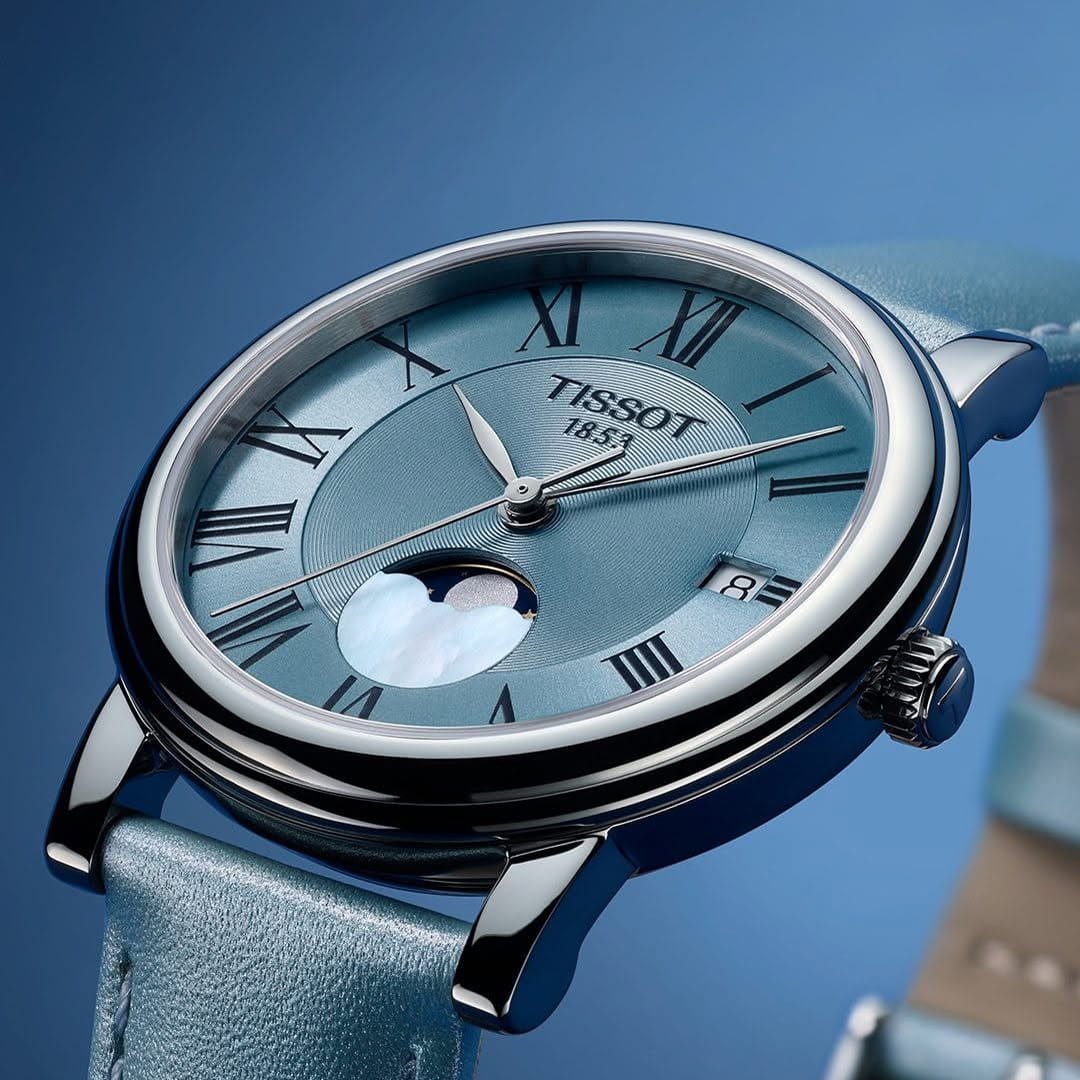
For an extra creative twist, experiment with colored gels or reflective surfaces to add vibrancy. Remember to keep your product the hero — avoid cluttering the frame with unnecessary elements.
Macro product styling photography is your ticket to showcasing quality and setting your brand apart in a crowded market.
Best for: jewelry, watches, and premium skincare where craftsmanship justifies price point.
6. Lifestyle Shots: Show the Product in Use, Drive the Sale
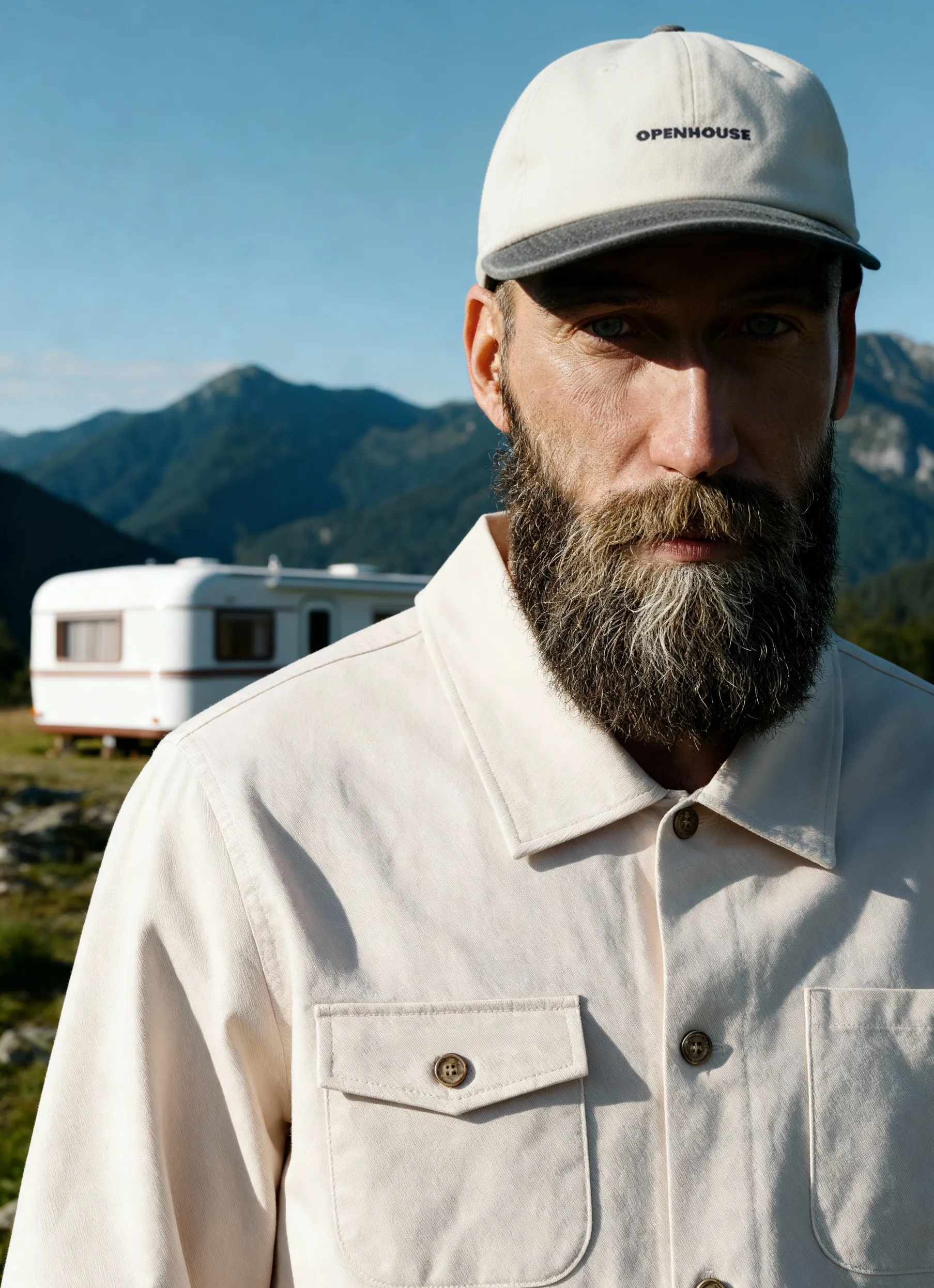
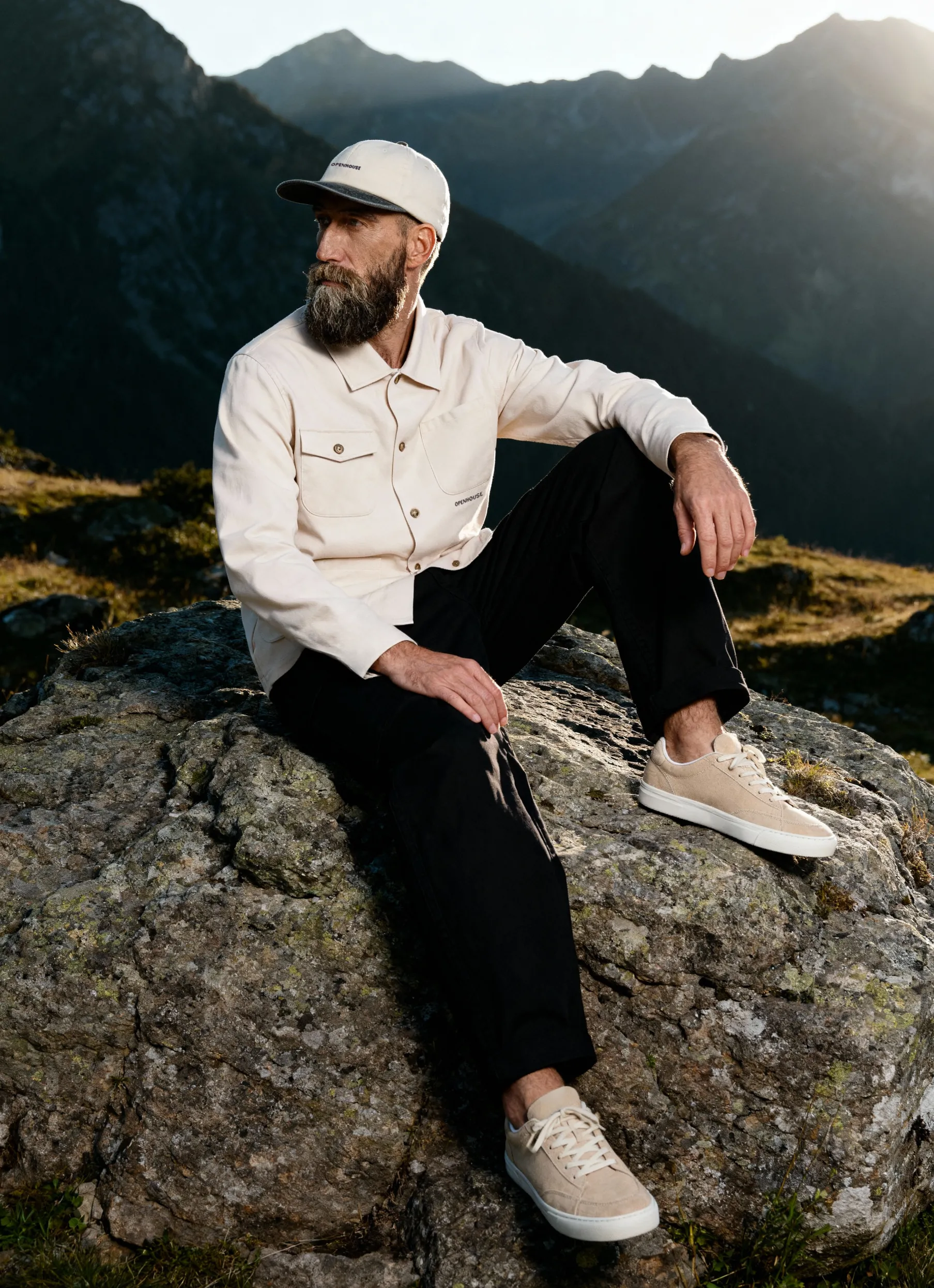
Nothing connects with shoppers more than seeing real people using products in authentic settings. Lifestyle storytelling in product styling brings your products to life, showing how they fit into everyday experiences.
Start by casting a diverse group of models who reflect your target audience. Scout locations that feel genuine and plan shots that tell a story — think fitness gear in action or kitchenware during a family meal. These scenes help customers visualize themselves using your products, boosting relatability and trust.
Candid moments, laughter, and unscripted interactions create emotional connections. Aim for inclusivity by featuring people of diverse ages, backgrounds, and abilities.
Keep things authentic — avoid overly staged poses. Capture natural light and genuine expressions to create images that feel real and inviting.
Lifestyle-driven product styling photography is a proven way to build brand loyalty and inspire your audience to take action.
Best for: apparel, fitness, and kitchenware brands targeting top-of-funnel awareness and social commerce.
7. Mixed Media: Stand Out in Saturated Ad Environments
Mixed media is pushing the boundaries of product styling photography in 2026. By blending photography with illustration, collage, or 3D elements, you create visuals that are vibrant, unique, and impossible to scroll past.
This approach often involves collaborating with artists to overlay hand-drawn sketches or digital graphics onto your product photos. Fashion brands might add whimsical doodles, while tech products could use futuristic effects to highlight features.
Mixed media product photography stands out on busy social feeds and helps explain complex product benefits in a visually engaging way. However, it’s important to maintain product clarity — don’t let artistic elements overshadow what you’re selling.
Keep your brand’s personality front and center. Experiment with color, texture, and composition, but always ensure the product remains the focal point.
Artistic product styling photography is all about creative freedom, so don’t be afraid to push the envelope and develop a signature visual style that sets you apart.
Best for: fashion and tech brands running campaign-level content for paid ads or editorial placement.
Essential Tools and Technologies for Next-Level Styling
Staying ahead in product styling photography means embracing the latest tools and technologies. In 2026, brands are leveraging cutting-edge gear, smart editing software, and collaborative platforms to create visuals that truly shine. Let’s break down the essentials that will elevate your workflow and results.
Cameras, Lenses, and Lighting Innovations
The backbone of any product styling photography setup is the right camera and lens combination. In 2026, high-resolution sensors and AI-powered autofocus make capturing sharp, detailed images effortless. Compact mirrorless cameras are now favored for their portability and performance.
Lens choice matters, whether you need a macro lens for intricate textures or a wide-angle for dramatic scenes. Lighting is equally crucial. Portable LED panels with color-tunable settings let you adapt to any product or mood. For expert advice, check out these light techniques for product photos that can transform your shots.
Post-Production and Editing Software
After the shoot, great product photography relies on advanced editing. AI-driven software now automates background removal, color grading, and retouching for consistent, professional photos. Batch processing tools speed up delivery for high-volume brands.
Animation and cinemagraph creation tools are also essential for dynamic content. Curious about future trends? Explore how AI trends in product photography are reshaping creative workflows, from emotion-led edits to micro-personalized visuals.
Popular Editing Tools:
- Adobe Creative Cloud
- Capture One
- Specialized cinemagraph apps
AR, 3D, and Interactive Content Platforms
Interactive experiences are redefining product styling photography. AR and 3D platforms let customers engage with products in new ways, from spinning 360-degree views to placing items in their own space. These tools make products more tangible and boost engagement.
Choosing the right platform depends on your budget and audience. Look for solutions that integrate with your e-commerce system and support mobile optimization. Many platforms also offer analytics to track interaction rates and improve your strategy.
Pro Tip: Test interactive features across devices to ensure a seamless user experience.
Workflow Optimization and Collaboration Tools
Efficient workflows are the secret to scaling product styling photography. Project management platforms like Asana or Trello keep tasks organized and deadlines clear. Cloud storage services such as Google Drive or Dropbox enable easy sharing and backup of assets.
Remote collaboration tools help creative teams work together, even across continents. Real-time feedback and version control ensure everyone stays on brand and on schedule. Streamlined workflows mean more time for creativity and less for logistics.
With the right tools and technologies, brands of all sizes can achieve next-level product styling, photography, and stand out in 2026’s digital marketplace.
Best Practices for Consistent, High-Converting Product Photography
Mastering best practices in product styling photography is the secret to building trust and driving sales in 2026. Consistency, adaptability, and strategy give your brand a professional edge, no matter the industry or product.
Visual Consistency Across All Touchpoints
Visual consistency is the backbone of high-performing product styling photography. Every image should align in color, lighting, and composition, creating a seamless experience for shoppers. This approach not only enhances brand recognition but also builds consumer confidence.
For actionable steps, explore these Product Photography Consistency Tips to keep your visuals uniform, even as you scale up production.
- Match backgrounds and props across SKUs
- Use the same lighting setups for each shoot
- Standardize camera angles and distances
Consistency is what makes your product styling instantly identifiable in a crowded market.
Building and Using a Brand Style Guide
A detailed style guide is essential for achieving excellence in product styling and photography. It serves as the blueprint for every shoot, ensuring all team members — photographers, editors, and marketers — are on the same page.
A style guide should cover:
- Brand-approved color palettes and tones
- Lighting preferences and shadow details
- Approved crops, margins, and image ratios
If you’re creating or updating your own, this Essential Guide to Product Style breaks down the process and helps you maintain a cohesive, professional look.
With a clear guide, your product styling photography remains consistent and on-brand across campaigns.
Optimizing for Every Platform
Adapting your product styling photography for each platform is crucial. E-commerce sites, social media, and print all have different requirements for image dimensions, file sizes, and color profiles.
- Resize and crop for each channel
- Test images on both light and dark backgrounds
- Use platform-specific editing presets
This ensures your product styling photography looks flawless and loads quickly everywhere your audience shops.
Measuring and Improving Your Results
To maximize impact, track the performance of your product styling photography. Monitor engagement rates, conversion data, and run A/B tests with variations in background or composition.
- Use analytics tools to see which images drive clicks or sales
- Regularly audit your image library for outdated visuals
- Stay updated on trends and experiment with new styles
Continuous improvement keeps your product styling photography fresh and competitive in 2026’s fast-paced market.
The technique you choose for a product shoot is a conversion decision, not just a creative one. If you're mapping your next shoot to a specific channel or product type and want a recommendation, talk to the Squareshot team.
Product A
SQUARE SHOT