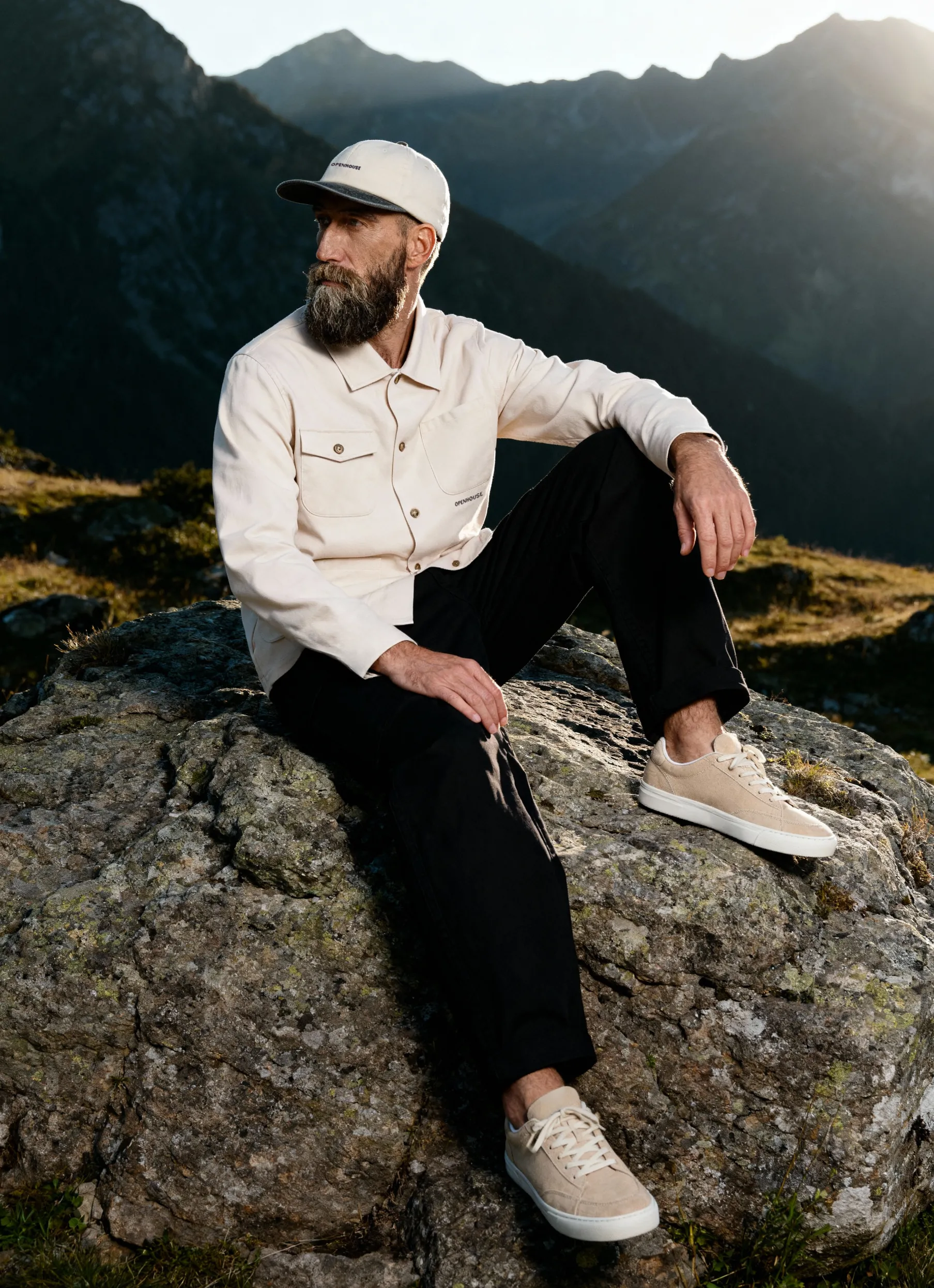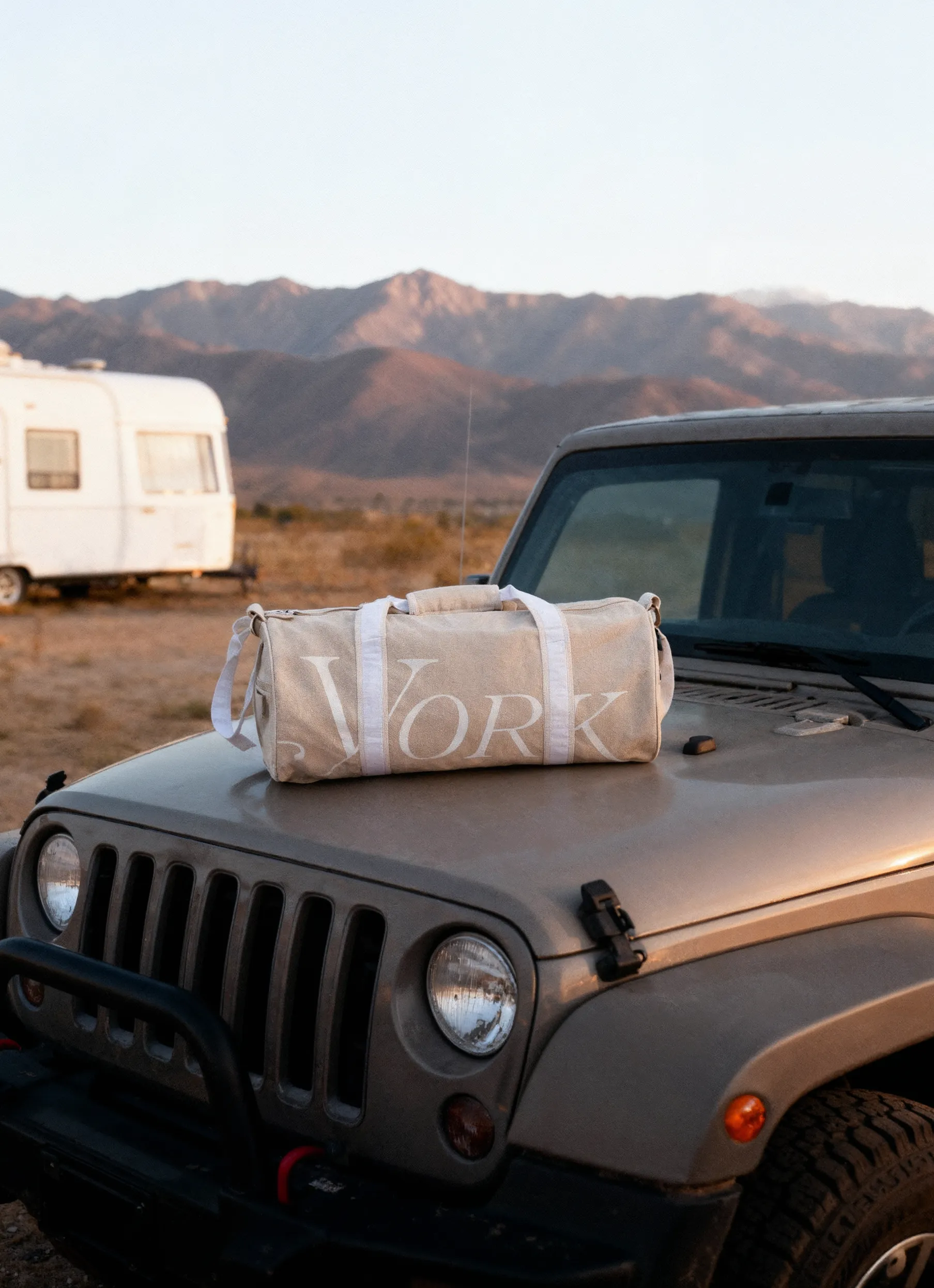


Did you know that 75% of shoppers say product photos influence their buying decisions? In 2026, knowing how to photograph clothes for sale is crucial for boosting your online sales and standing out from the competition. High-quality images not only capture attention but also build trust and credibility with your buyers.
This guide will walk you through every step, from preparing garments and setting up your space to mastering lighting, styling, shooting, editing, and optimizing for each platform. Ready to elevate your listings and maximize results?
Preparing Clothes for Photography
Getting your garments ready is the first step in mastering how to photograph clothes for sale. Preparation not only boosts visual appeal but also builds trust with your buyers. Let’s break down each step to ensure every item looks its absolute best before you even pick up the camera.
Cleaning and De-wrinkling
Professional, spotless clothing makes every listing shine. When learning how to photograph clothes for sale, always start with clean, wrinkle-free items. Steamers work wonders on delicate fabrics, while irons are best for crisp cotton and linen.
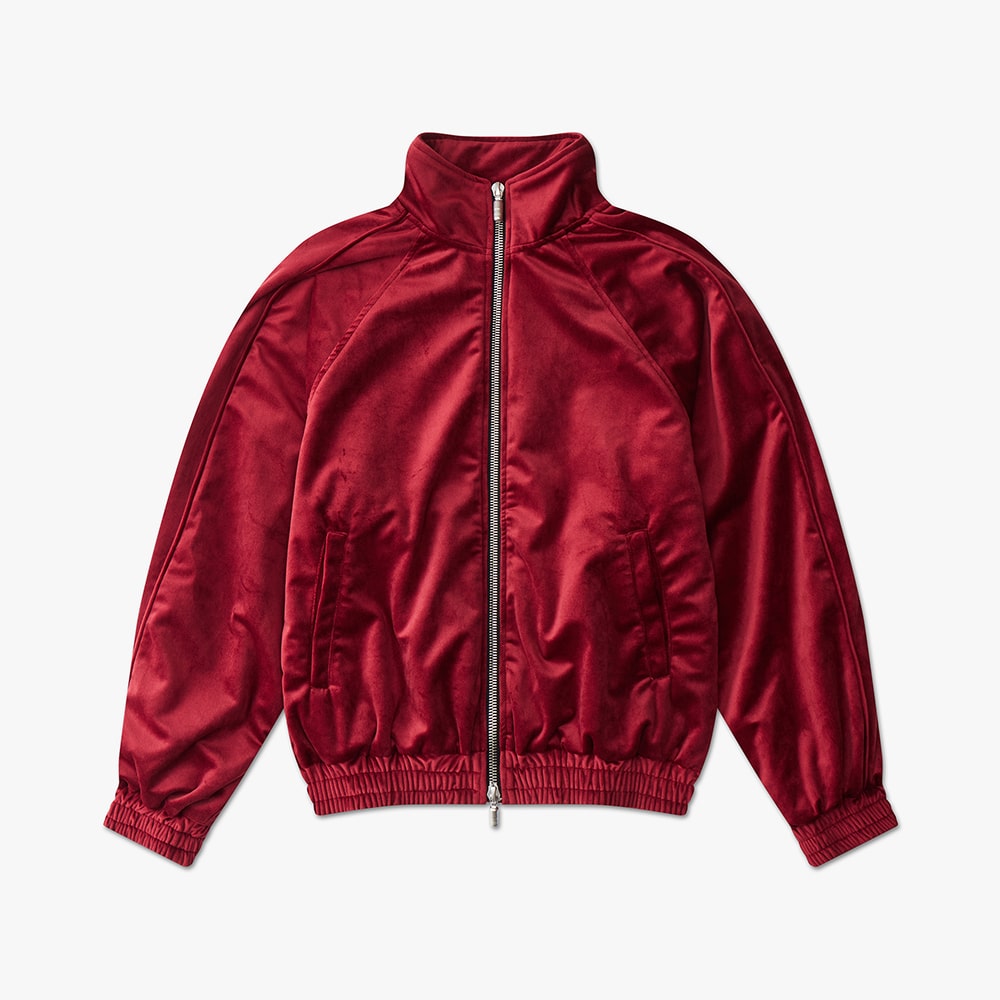
Don’t forget to remove stains and stray hairs. A quick before-and-after photo can show just how much difference this step makes. For more tips on meeting image expectations, check out the E-commerce Image Standards Guide.
Inspecting for Flaws and Repairs
Before you move on, inspect each garment closely. This is a critical part of how to photograph clothes for sale, ensuring nothing gets missed. Scan for missing buttons, loose threads, or minor damages.
Quick fixes like sewing or fabric glue can save a shoot. If you spot a flaw you can’t fix, photograph it honestly. Being transparent helps build buyer trust and avoids returns.
Organizing and Sorting Clothing
Staying organized streamlines your process and helps you master how to photograph clothes for sale efficiently. Group clothing by type, color, or collection. This allows for consistent lighting and easier batch shooting.
Create a shot list or use a checklist to avoid missing important details. For example, tick off “front, back, detail shot” as you go. This approach keeps your workflow smooth and your listings consistent.
Sizing and Tagging
Accurate sizing is essential for photographing clothes for sale. Double-check that all size tags are correct or use a reference item for scale. Including sizing details in your photos gives buyers confidence in their purchase.
You might display a measuring tape next to the garment or photograph the size tag. Clear sizing reduces questions and increases the likelihood of a sale.
Final Touches Before Shooting
Finish your prep with a last-minute check for dust, pet hair, or marks. Hang or fold each piece properly to avoid new creases. A well-prepared garment means less editing later and a more professional result every time.
Setting Up Your Photography Space and Equipment
Setting up the perfect space is essential if you want to master how to photograph clothes for sale. The right environment, tools, and workflow can make your images look polished and professional, helping your listings grab attention and convert browsers into buyers. Let’s break down each part of the setup, so you can create a space that works for you — whether you’re using a smartphone or a pro-level camera.
Choosing the Right Camera and Gear
Selecting the right camera is the first step in photographing
clothes for sale. You can use a smartphone or a DSLR, depending on your budget and needs. Smartphones are convenient and have improved a lot, but DSLRs typically offer better image quality and more control.
For sharp, detailed images, set your camera’s aperture to f/11 or higher and keep your ISO low to avoid grain. White balance should match your lighting source for true-to-life colors. Lenses like a 35mm or 50mm prime are ideal for a natural look.
Try taking the same shot with both a smartphone and a DSLR to see the quality difference and decide which works best for your workflow.
Backdrops and Surfaces
Your choice of backdrop significantly impacts how you photograph clothes for sale. A plain white or light gray seamless backdrop helps ensure accurate color and keeps the focus on your garments.


You can use a professional seamless paper roll or create a DIY version with a bedsheet or foam board.
Avoid busy backgrounds that distract from the clothing. Make sure the surface is clean and wrinkle-free. If you’re shooting flat-lay images, use a large, smooth table or a floor. Consistent backgrounds make your listings look more professional and cohesive, which shoppers notice right away.
Lighting Essentials
Lighting is a game-changer for photographing clothes for sale. Natural light from a large window is great, especially during the morning or late afternoon when it’s soft. Position your setup near the window and use a white reflector to bounce light and reduce shadows.
Artificial lighting, like softboxes or continuous LED panels, provides control and consistency. Ring lights are handy for small spaces or close-ups. Even diffused lighting helps bring out garment colors and textures. For more detailed lighting advice, check out these Light Setup Tips for Product Photos to make sure every detail pops in your shots.
Space Organization and Workflow
Organizing your space is key for efficiency in how to photograph clothes for sale. Set up a dedicated area with easy access to your camera, lighting, and clothing rack. Keep props, lint rollers, and tools within arm’s reach to avoid wasting time searching for essentials.
Use a shot list to stay on track and ensure you capture all necessary angles. Whether you have a small corner or a spacious studio, plan your layout to move smoothly from prepping garments to shooting and editing. A tidy, well-organized space not only looks professional but also helps you work faster and smarter.
Professional Product Photography Services: Squareshot
Sometimes, outsourcing is the smartest move when figuring out how to photograph clothes for sale. If you have a large batch of items, need creative styling, or want model shots, professional studios like Squareshot can help.
We offer catalog, creative, and model shoots tailored for clothing brands. You get high-quality images, advanced retouching, and fast turnaround, which can elevate your brand’s image and sales. Many brands see increased conversions after switching to pro photography, as studios streamline production and ensure every garment looks its best. Consider professional help if you want to scale up, save time, or achieve a flawless look across your listings.
Styling and Displaying Clothes for Maximum Appeal
When learning how to photograph clothes for sale, styling and presentation are just as important as camera settings. The way you display garments directly affects buyer perception and can set your listings apart. Let's break down the top methods, pro tips for arrangement, and common pitfalls to avoid so your photos always shine.
Ghost Mannequins vs. Models vs. Flat Lay
Choosing the right display method is essential for anyone wondering how to photograph clothes for sale. Mannequins provide consistency and are ideal for “ghost mannequin” effects, which create a 3D look without distractions.
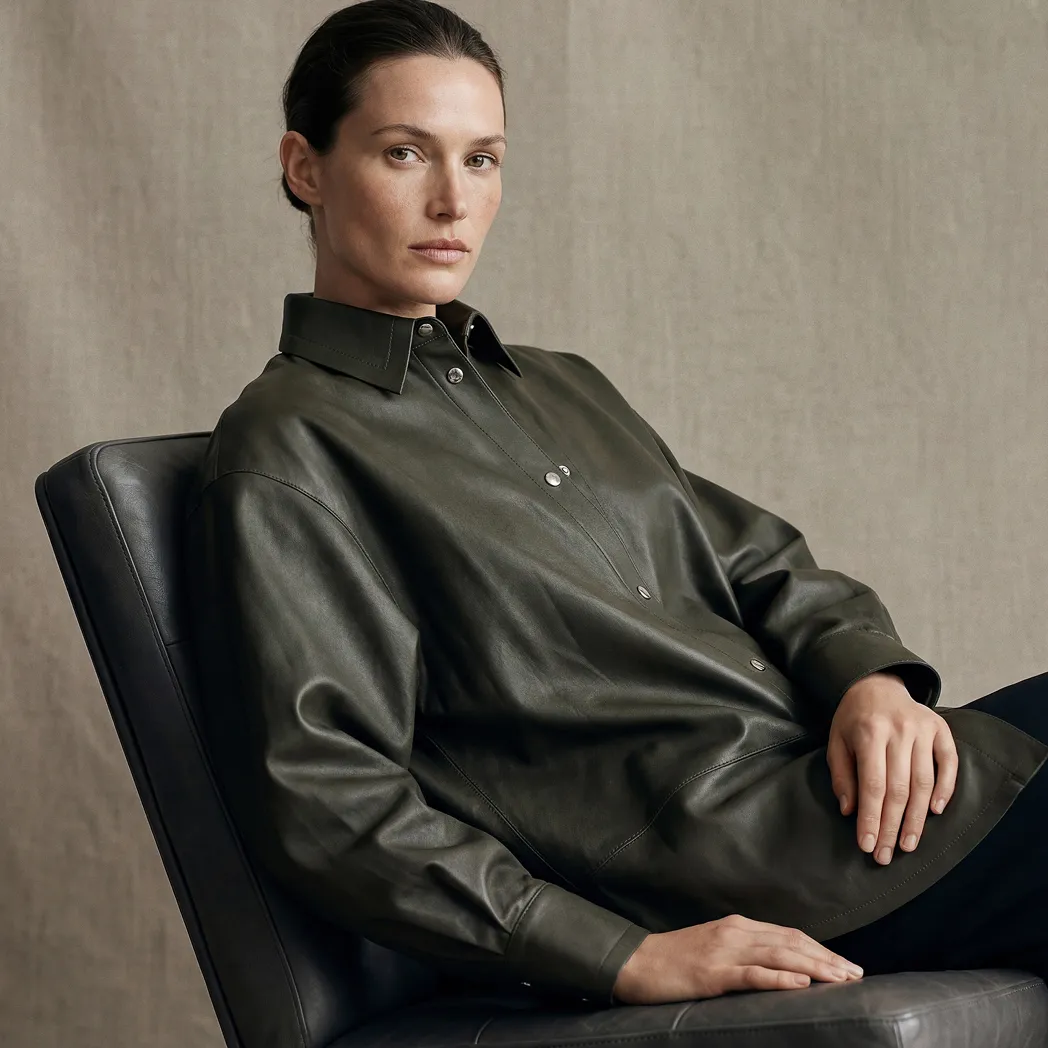
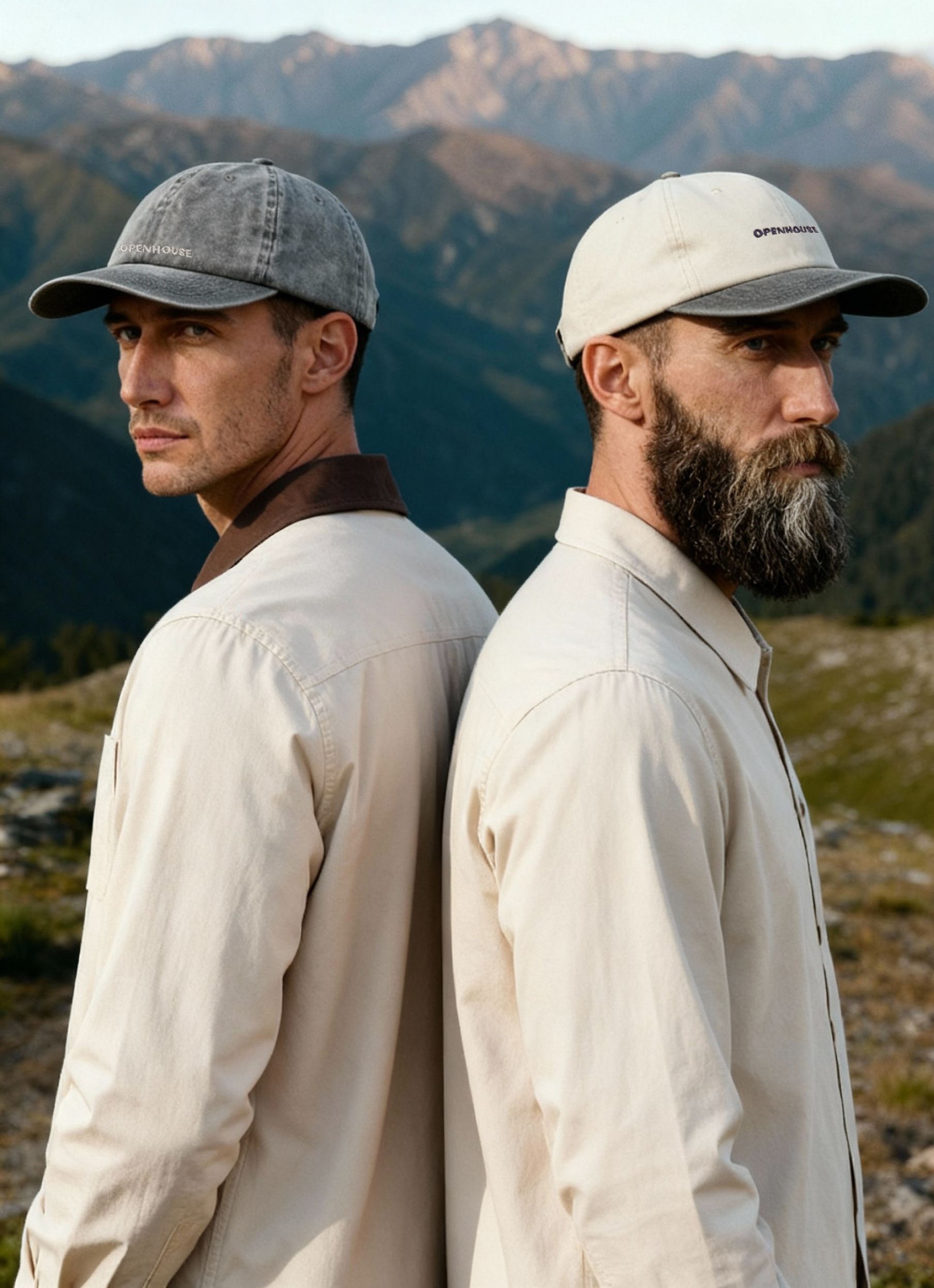
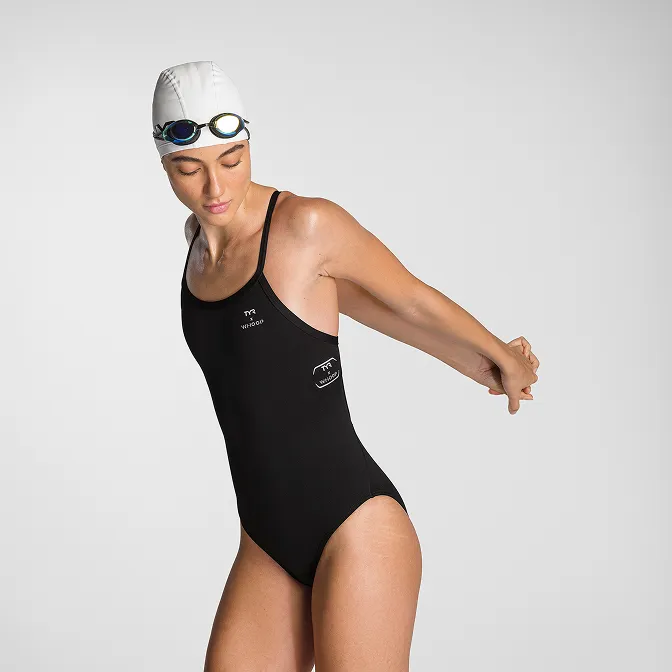
Models offer a human touch, making it easier for buyers to imagine wearing the piece. Flat lay is perfect for casual items, accessories, or if you have limited space. Visual variety can help you appeal to different types of shoppers.
Posing and Arranging Garments
Proper posing is crucial for photographing clothes for sale, whether you use models, mannequins, or a flat lay. For models, opt for relaxed stances that show movement and fit. When using mannequins, fill out sleeves and torsos with tissue or padding for a natural shape.
For flat lay, smooth out wrinkles, arrange sleeves symmetrically, and use light weights to keep hems in place. Try arranging a shirt with the collar neatly folded, sleeves slightly rolled, and buttons aligned to create a polished, inviting look that draws buyers in.
Accessorizing and Contextual Styling
Accessories can elevate your strategy for photographing clothes for sale by creating a complete look. Add shoes, bags, or jewelry that complement the garment without overshadowing it. Use props sparingly and only if they add to the story you want to tell.
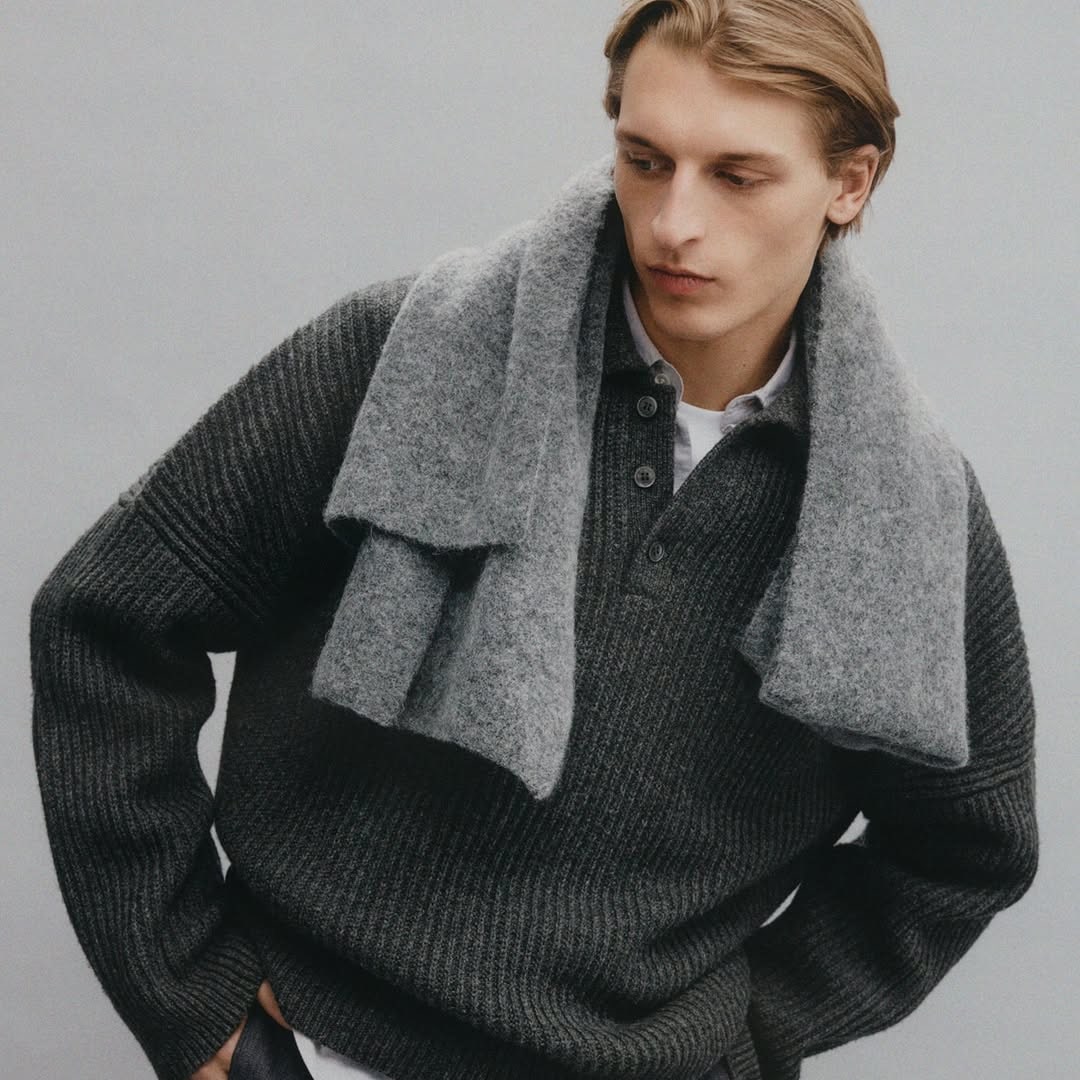
Contextual styling, such as adding a hat to a summer dress, can help buyers envision the piece in real life. This approach can increase perceived value and encourage shoppers to explore more items from your collection.
Consistency Across Listings
Consistency is a game-changer for photographing clothes for sale, especially for growing brands. Use the same background, lighting, and angles for all your product shots. Templates or style guides can help you maintain uniformity across sessions.
A cohesive look builds brand trust and makes your online store feel more professional. Compare listings from top brands — they all have a recognizable style that sets them apart and keeps buyers coming back.
Avoiding Common Styling Mistakes
Avoiding errors is crucial when mastering how to photograph clothes for sale. Over-accessorizing can distract from the main item, while improper fit or excessive pinning makes garments look unnatural. Busy or cluttered backgrounds pull focus away from the product.
Always double-check that garments are clean, properly sized, and styled simply. Refer to a checklist to ensure every item looks its best before taking that first shot.
Shooting Techniques and Best Practices
Nailing the technical side of photographing clothes for sale is what sets your listings apart. With the right approach, your photos will look crisp, detailed, and enticing, helping you convert browsers into buyers. Let’s break down the key shooting techniques every seller needs to master.
Framing and Composition
Great composition is the foundation of how to photograph clothes for sale. Use the rule of thirds to place garments for a more visually appealing arrangement. For mannequins or models, shoot at eye level to create a natural look.
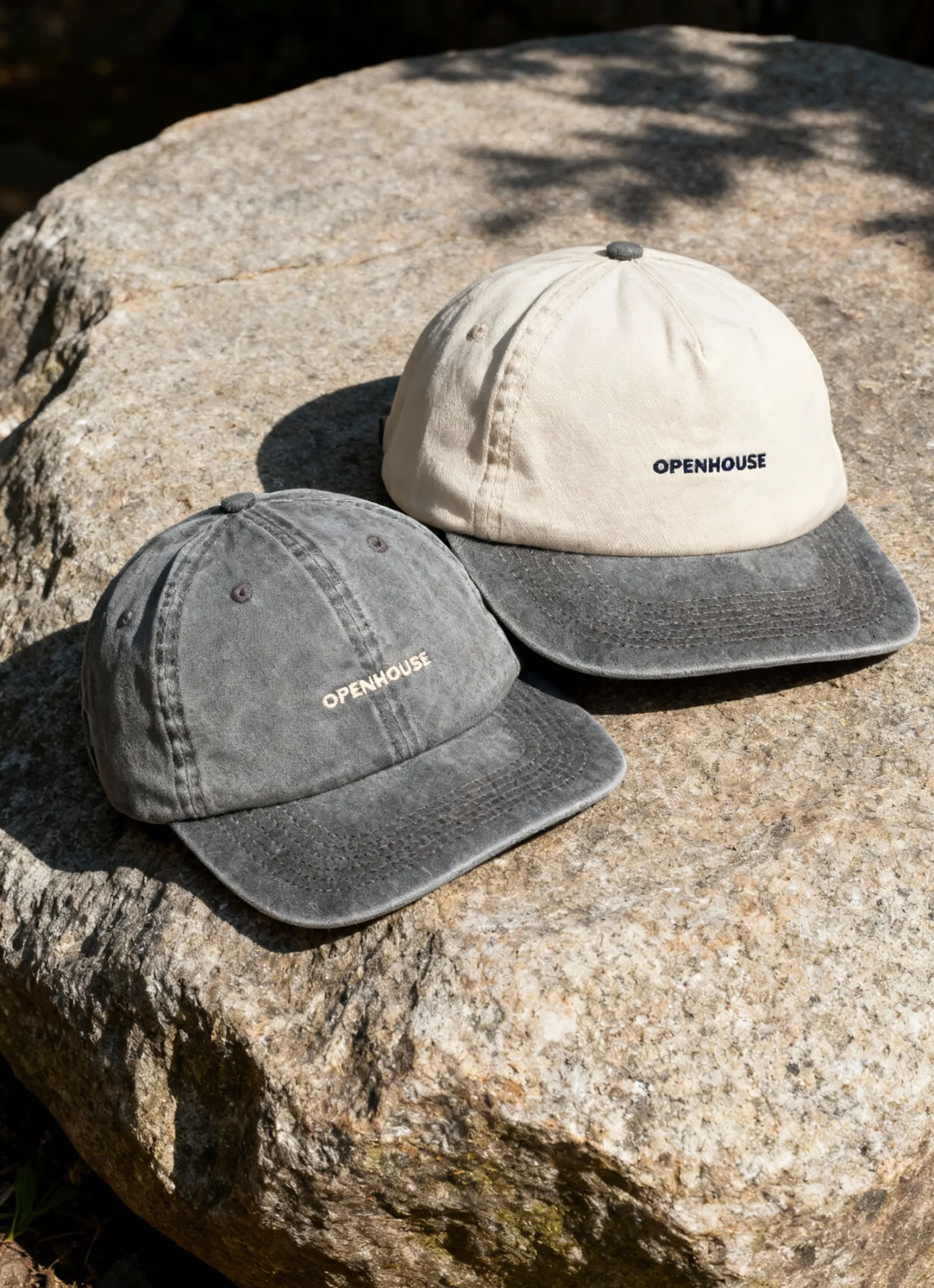
Flat lays work best with overhead shots, keeping lines straight.
Include a variety of angles for each item:
- Front - to show full garment view
- Back - to show rear details
- Side - to show fit and silhouette
- Close-up of details - to highlight features
- Tag or label shot - to confirm authenticity
A consistent shot list ensures you never miss an important angle. This approach not only looks professional but also helps buyers visualize the item fully.
Camera Settings and Focus
Mastering your camera settings is essential for photographing clothes for sale. Make sure your focus is sharp, especially on key features like buttons or patterns. Use a higher aperture (f/11 or above) for deep, sharp focus across the whole garment.
Set your white balance according to your lighting to keep colors accurate. If you’re unsure, custom white balance or the daylight preset usually works well.
If your images turn out blurry, use a tripod and set your camera’s timer or remote shutter. Double-check that autofocus is selecting the garment, not the background. This step can make all the difference in professional results.
Capturing Detail Shots
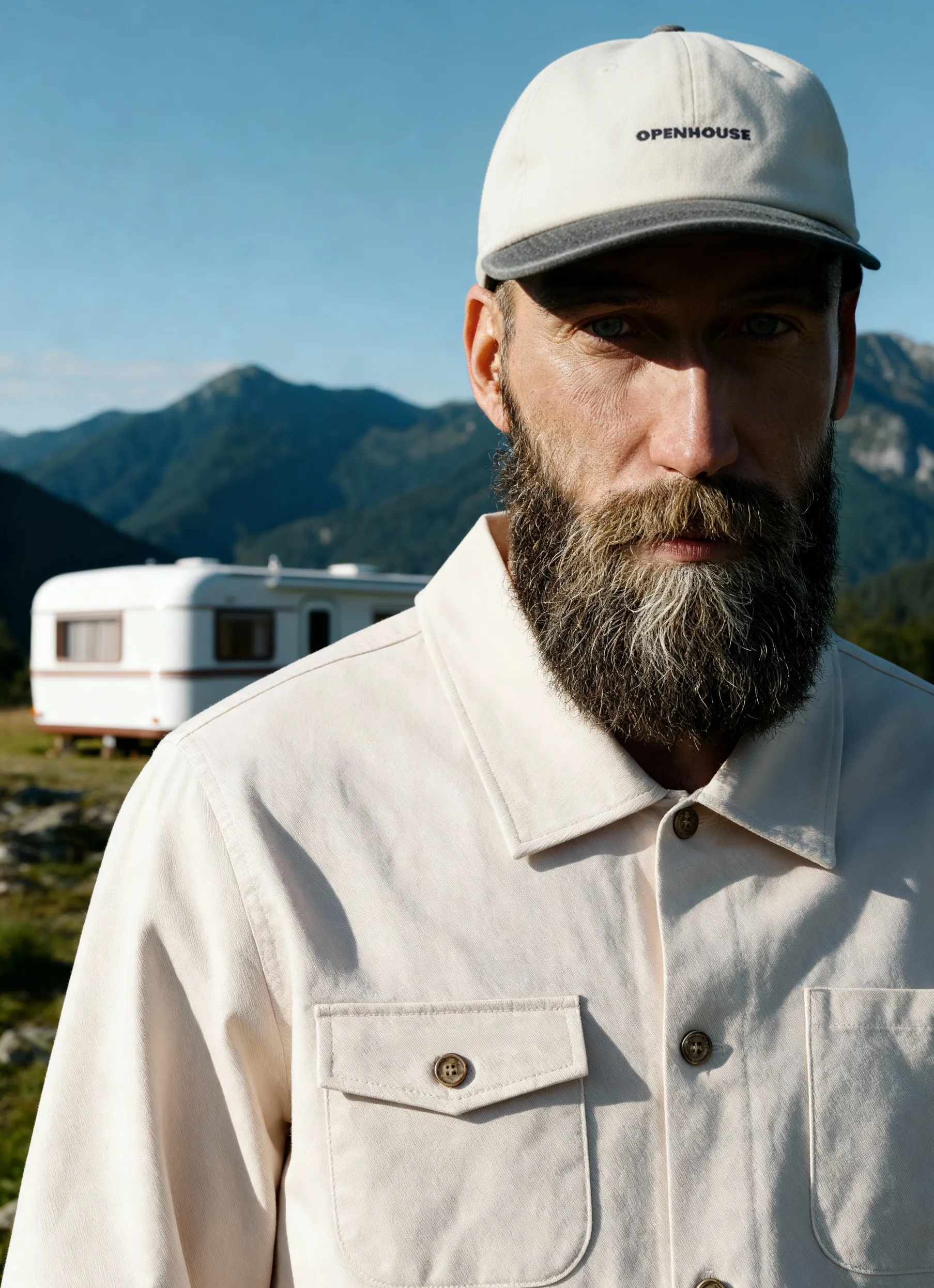
Buyers want to see the story behind every stitch, so close-ups are a must in photographing clothes for sale. Use a macro lens if you have one, or switch your smartphone to portrait mode for extra clarity.
Zoom in on:
- Fabric texture
- Stitching
- Buttons and zippers
- Unique patterns or embellishments
These close-ups reduce buyer uncertainty and returns by showing the garment’s true quality. A good detail shot can highlight craftsmanship and set your listing apart from the rest.
Lighting Adjustments During Shoot
Lighting can make or break your clothing photos. To photograph clothes for sale, aim for soft, even lighting that brings out texture and color without harsh shadows. Natural window light works well, but softboxes or ring lights offer consistent results when shooting indoors.
Move your lights or reflectors to minimize shadows and enhance the garment’s features. Diffusers can soften harsh light. Try shooting a test image, then adjust your setup as needed. The difference between flat, lifeless lighting and a well-lit shot is instantly noticeable.
Managing Reflections and Glare
Reflective fabrics and shiny accessories can create glare, which distracts from your product. The best way to manage this in how to photograph clothes for sale is by adjusting your shooting angle and moving your light sources.
If glare persists, try a polarizing filter on your camera lens. This tool reduces unwanted reflections and helps colors appear richer. Always review your images on a larger screen to spot glare early and reshoot if necessary.
Shooting for Different Fabrics and Colors
Every fabric has its quirks, and knowing how to photograph clothes for sale means adapting your technique. For white garments, avoid overexposure by lowering your exposure compensation. Black or dark fabrics often lose detail, so add extra fill light or use reflectors.
Patterned items require careful focus to avoid moiré (weird wavy patterns). Take test shots and check for any loss of detail. Adjust lighting and camera settings as needed to showcase true color and texture.
Batch Shooting for Efficiency
When you have multiple items, batch shooting saves time and keeps your process smooth. Group similar items together, set up your camera and lights once, and use the same camera presets for every shot. Mark the garment and camera positions with tape for consistent framing.
Create a checklist for each session:
- Garments prepped and organized
- Camera and lights set
- Shot list printed
- Batteries and memory cards checked
Batch shooting not only speeds up your workflow but also keeps your process of how to photograph clothes for sale consistent and stress-free.
Editing and Post-Production for Professional Results
Editing is the final crucial step in photographing clothes for sale. Clean, well-edited photos not only look professional but also help you stand out in crowded marketplaces. In fact, recent product photography statistics reveal that high-quality images can significantly increase your conversion rates. Here’s how to perfect your photos from start to finish.
Basic Editing Workflow
Start by importing your images into photo-editing software like Adobe Lightroom or Capture One. Sort and select the best shots, focusing on sharpness and color accuracy. Crop and straighten each image for a uniform, polished look. Adjust exposure, contrast, and white balance so the clothing appears true-to-life. This foundational workflow is essential for anyone learning to photograph clothes for sale, as it sets the tone for a professional outcome.
Advanced Retouching Techniques
Go beyond the basics by removing dust, lint, or minor distractions with tools like the healing brush or clone stamp. Smooth out minor wrinkles, but avoid making the fabric look unnatural. Enhance textures to showcase garment quality, but never over-edit. Authenticity is key when you want to master how to photograph clothes for sale, ensuring buyers trust what they see. Always compare before-and-after images to maintain a natural appearance.
Background Removal and Ghost Mannequin Effect
For a clean, distraction-free presentation, use background removal techniques in Photoshop or similar tools. This is especially useful for creating the popular ghost mannequin effect, which gives clothing a 3D, in-store feel. If you want to learn more, check out this step-by-step guide to creative flat lay photography, which covers advanced editing methods. Mastering these skills will elevate how you photograph clothes for sale and help your products stand out.
Batch Processing and Automation
Speed up your post-production by using batch editing features in Lightroom or Photoshop. Create presets or actions for repetitive adjustments, such as exposure and color correction. Automation tools help you maintain consistency across your entire catalog. For sellers handling large volumes, batch processing is a game-changer for efficiently photographing clothes for sale. This approach saves time and ensures every image meets your brand standards.
File Naming, Sizing, and Exporting
Organized file management is crucial when you want your listings to be found online. Use descriptive, SEO-friendly file names such as blue-men-shirt-front.jpg. Export images at the optimal size for web — usually between 1200 and 2000 pixels on the longest side — to balance quality and load speed. Following these steps is vital for photographing clothes for sale so your images load fast and look sharp on all platforms.
Preparing Images for Different Platforms
Every marketplace has its own image requirements. Make sure your photos meet minimum resolution, aspect ratio, and background color guidelines. For example, Amazon prefers white backgrounds, while Etsy allows more creative styling.
Adapting to each platform is a key part of how to photograph clothes for sale and maximize visibility across channels.
Optimizing Clothing Photos for Online Marketplaces and Social Media
Getting your clothing photos marketplace-ready is the secret sauce for boosting visibility and sales. If you want to master photographing clothes for sale, you need to tailor your images to each platform, write compelling captions, build a cohesive brand, and keep your listings fresh and legal.
Understanding Platform Requirements
Each marketplace has its own image rules. Knowing these is crucial if you want your listing to shine. For anyone learning how to photograph clothes for sale, meeting these specs means your photos will look professional and won’t get rejected.
Sticking to these specs helps your photos display perfectly. The explosive growth of the e-commerce product photography market proves why quality images matter — see the stats at E-commerce Product Photography Market Growth.
Writing Compelling Photo Captions and Descriptions
Your images catch the eye, but words seal the deal. To optimize your product photography, pair each photo with a description that highlights fabric, fit, and unique features.
Tips for writing photo captions:
- Focus on benefits, not just features.
- Use keywords naturally (like “how to photograph clothes for sale”).
- Be specific, such as “soft, breathable cotton” or “vintage-inspired buttons.”
Example:
“Classic blue denim jacket, photographed to highlight its sturdy stitching and faded wash. Perfect for layering in any season.”
Using Photos to Build Brand Identity
Consistency is key. When you master how to photograph clothes for sale and apply the same style across your website, social media, and ads, shoppers instantly recognize your brand.
Ways to build brand identity:
- Use the same background and lighting for every shot.
- Stick with a signature editing style.
- Mix in lifestyle images for Instagram and Pinterest.
Storytelling through visuals not only boosts trust but also encourages repeat visits. High-quality, branded images can make your products stand out in a crowded marketplace.
Monitoring Performance and A/B Testing
Tracking what works is the best way to improve. By testing different angles, backgrounds, or models, you’ll discover what converts best for photographing clothes for sale.
Try this:
- Run A/B tests with flat lay vs. on-model photos.
- Monitor click-through and sales rates.
- Swap in new images and compare engagement.
Legal Considerations and Image Rights
Protect your work. When you learn how to photograph clothes for sale, always use your own images or secure the proper rights.
Essentials:
- Get model release forms if people appear in your shots.
- Avoid using stock photos without a license.
- Watermark your images or use metadata to deter unauthorized use.
Staying legal helps you avoid headaches and builds credibility with buyers.
Updating and Refreshing Listings
Online trends change fast. To stay relevant, regularly update your images and keep your listings fresh. This is crucial for anyone serious about photographing clothes for sale.
Set a schedule to review and refresh photos each season or after major trends shift. Your product gallery will always look current and appealing.
You’ve made it through all the steps for capturing clothing photos that truly sell — from prepping your garments to fine-tuning them for each platform. If you’re ready to put these tips into action and want professional-quality images without the hassle, why not let the experts help?
At Squareshot, you get tailored photography solutions that boost your brand and save you time. Whether you’re launching a new collection or refreshing your listings, working with a dedicated team can make all the difference.
Product A
SQUARE SHOT