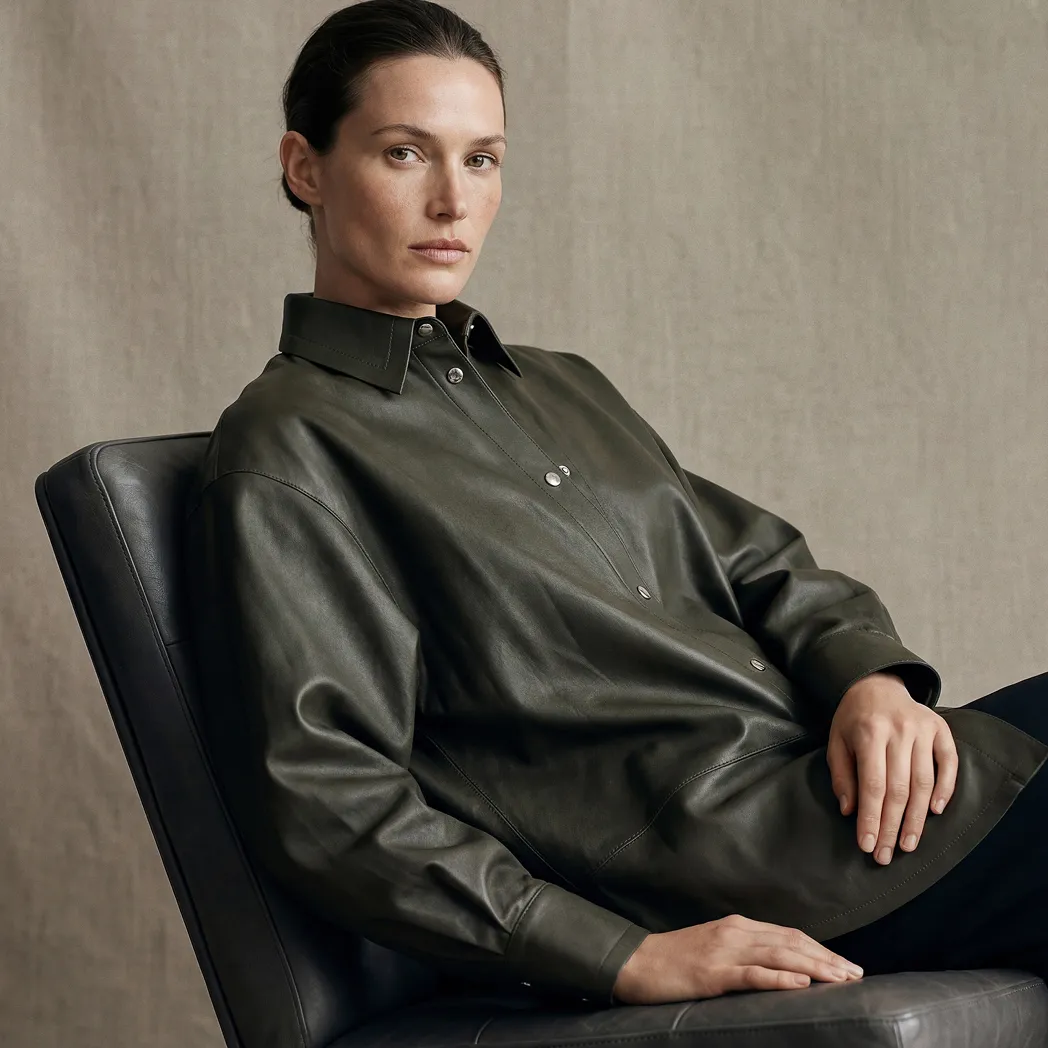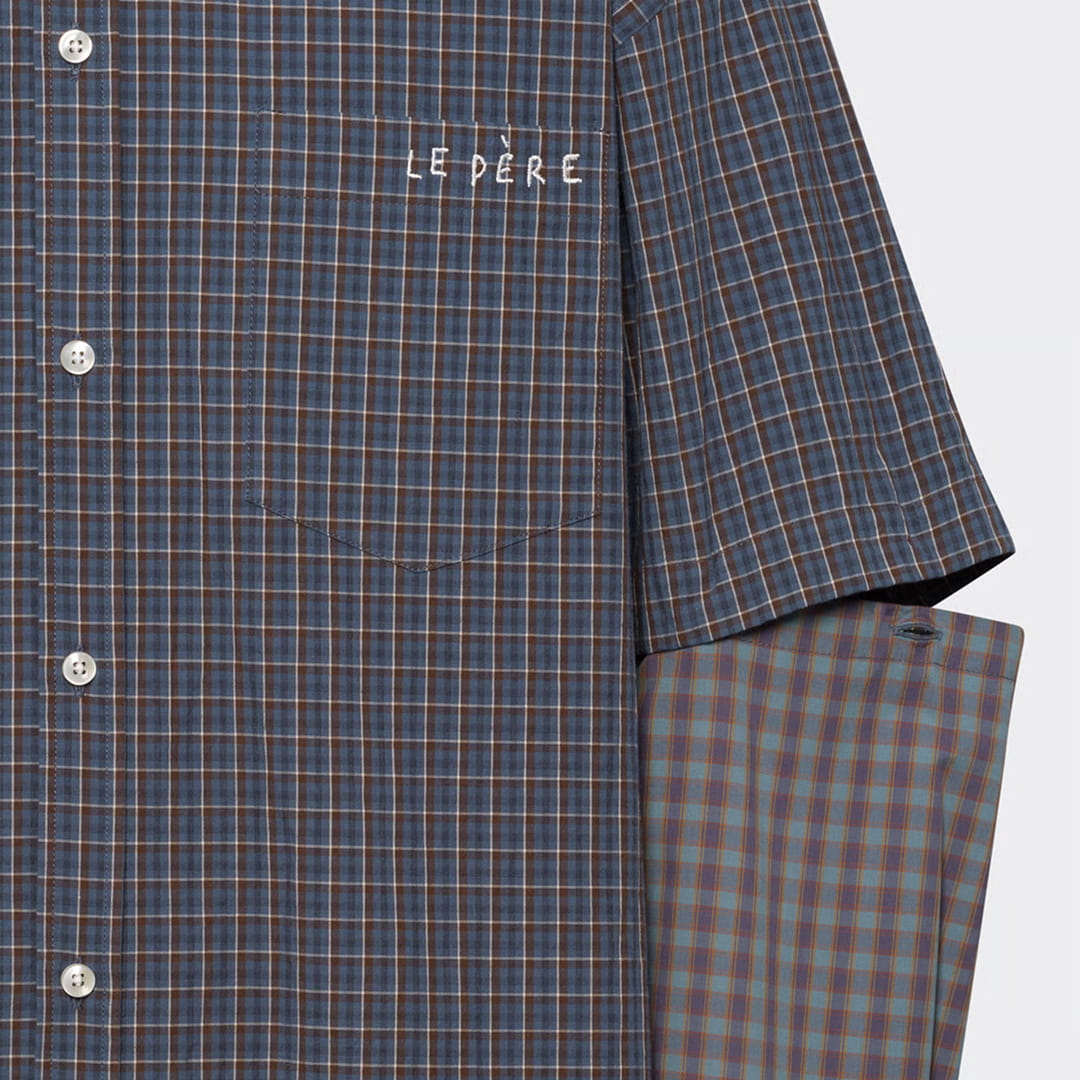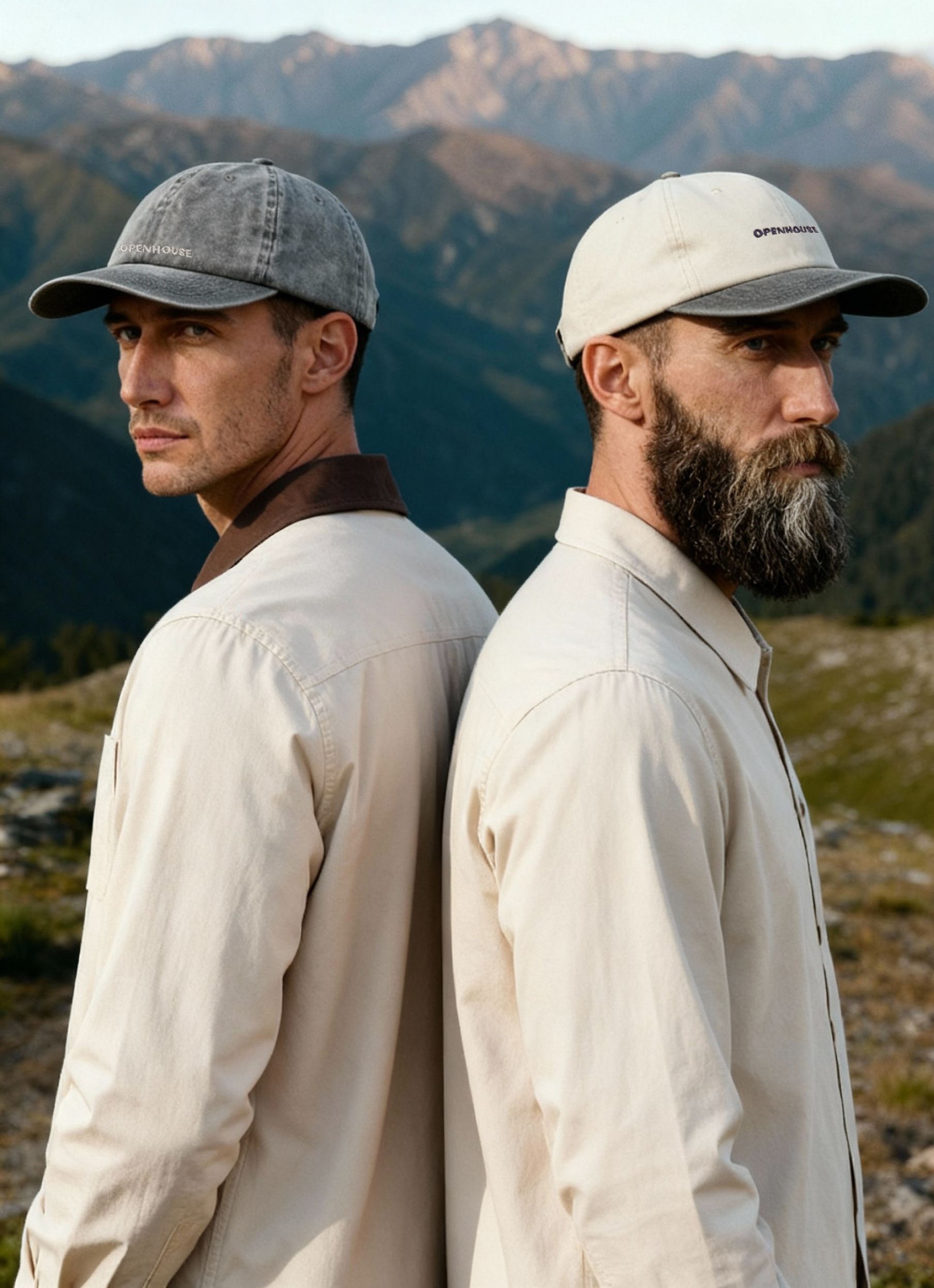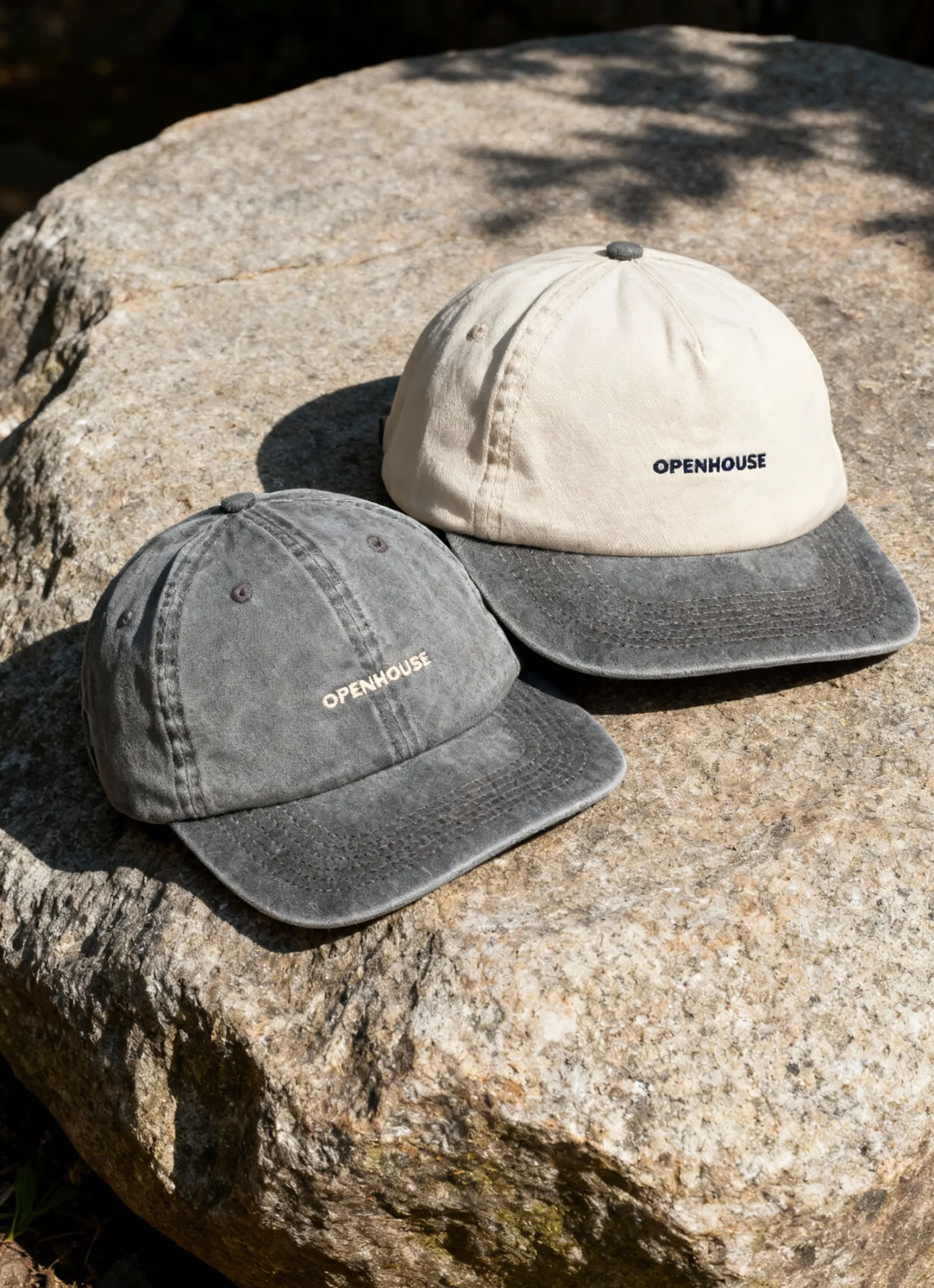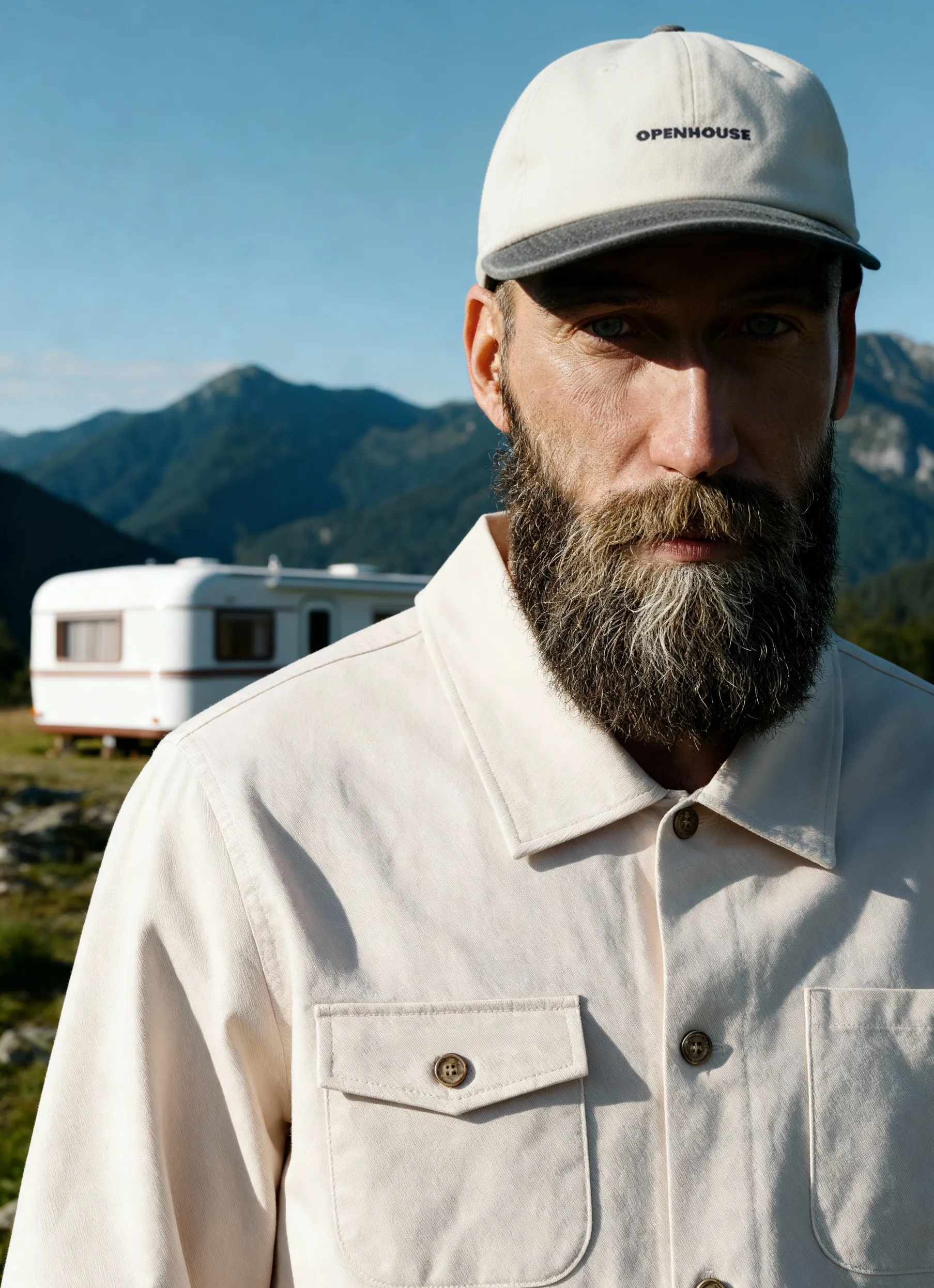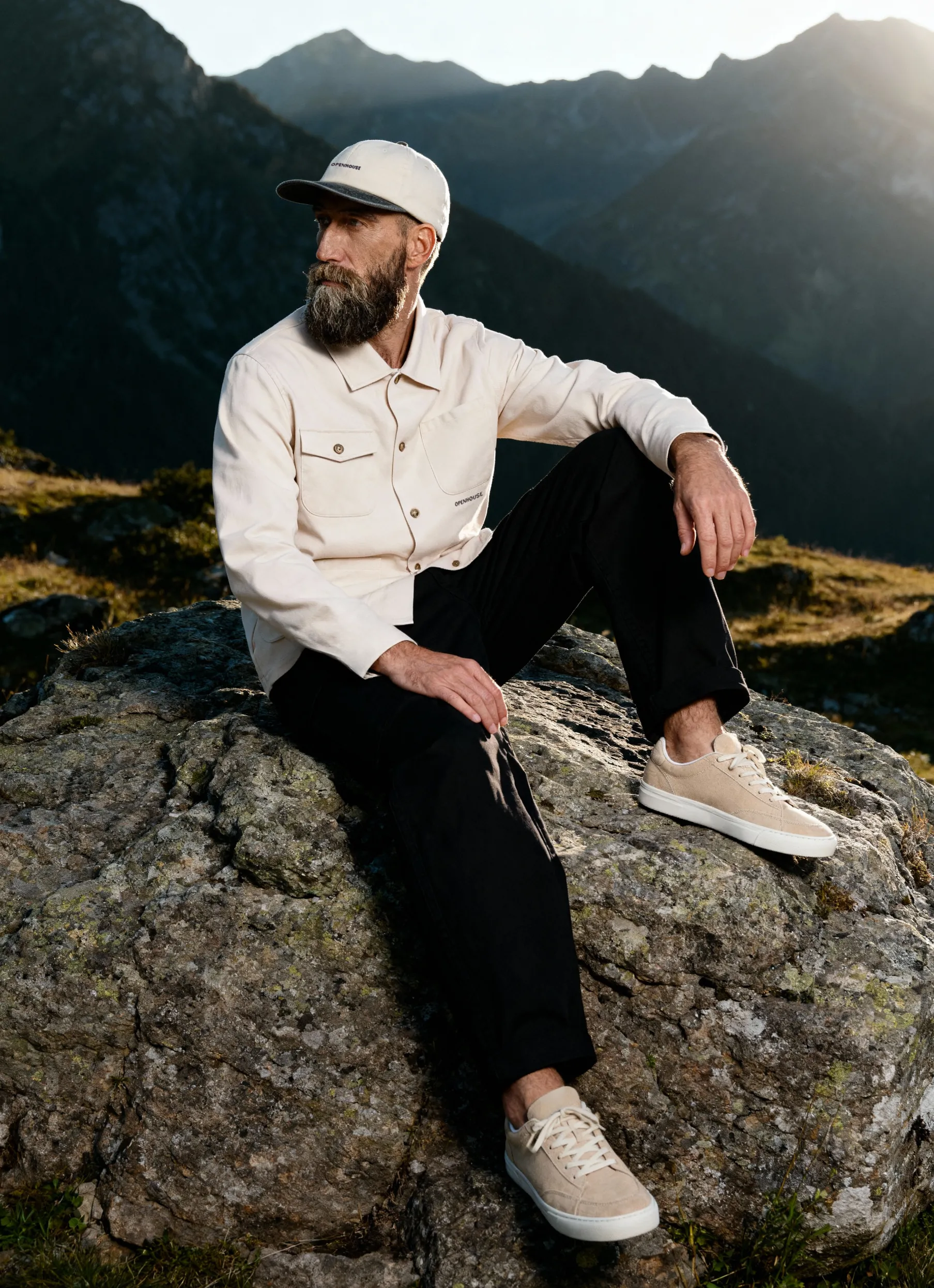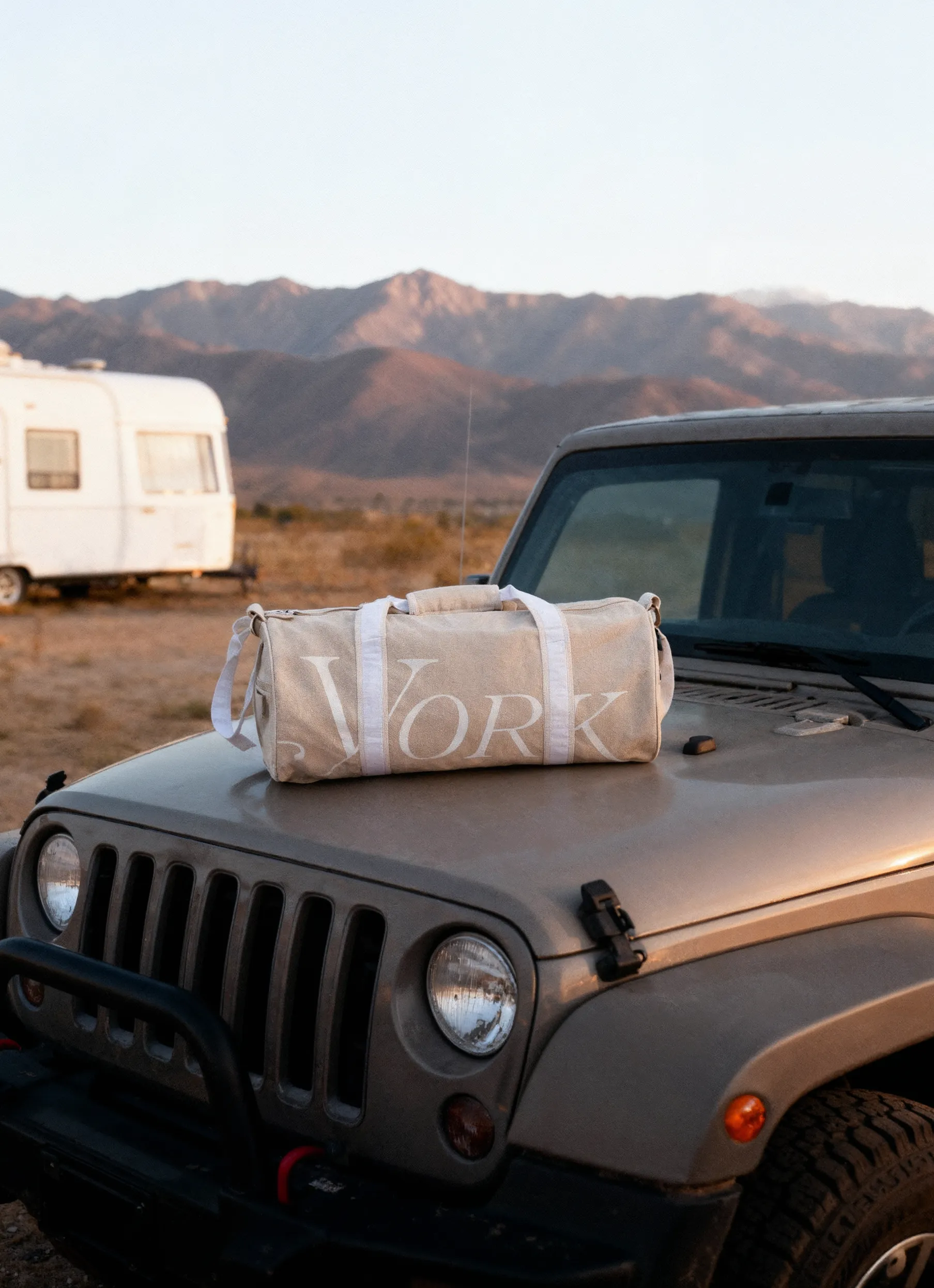

Commercial clothing photography isn't a line item to cut. It's the difference between a garment that sells and one that sits. In 2026, whether you're launching a new line, refreshing your e-commerce catalog, or producing a seasonal lookbook, your images are doing the work a fitting room used to do — showing fit, texture, and quality before a customer ever touches the product.
That requires more than a camera and a clean background. It requires technical precision, an eye for how fabric reads on screen, and the experience to shoot for every platform your catalog lives on.
Understanding Commercial Clothing Photography Essentials
Commercial clothing photography serves a fundamentally different purpose than editorial or artistic fashion photography. While editorial work prioritizes storytelling and artistic expression, commercial photography focuses on accurately representing products to drive purchasing decisions. This distinction shapes every aspect of the photo shoot, from lighting choices to styling decisions.
The primary goal is consistency, clarity, and conversion. Your customers need to see fabric texture, true colors, fit details, and construction quality. According to comprehensive clothing photography research, product images influence up to 93% of purchasing decisions, making them the single most important element of your online store.
Key Differences Between Commercial and Editorial Work
When planning your clothing photography strategy, understanding these distinctions helps set appropriate expectations and budgets:
- Commercial: Product-focused, accurate color representation, consistent backgrounds, multiple angles required
- Editorial: Mood-driven, creative lighting, storytelling emphasis, artistic interpretation welcomed
- Catalog: High volume, standardized setup, efficiency prioritized, template-based layouts
- Lookbook: Style combinations shown, lifestyle context included, brand aesthetic highlighted
The differences between commercial and editorial lookbook photography become particularly important when deciding which approach best serves your business goals.
Equipment and Studio Setup Requirements
Creating professional commercial clothing photography requires strategic equipment investments. The good news? You don't need to break the bank to get started, though scaling up does require more sophisticated gear.
Camera and Lens Selection
Your camera choice impacts image quality, shooting speed, and post-processing flexibility. Most professional studios use full-frame DSLRs or mirrorless cameras with 24+ megapixel sensors. This resolution ensures you can crop, zoom, and reformat images without quality loss.
Recommended focal lengths for clothing photography:
- 50mm prime lens for detail shots and flat lays
- 85mm lens for on-model shots and lifestyle imagery
- 24-70mm zoom for versatility in tight studio spaces
- Macro lens for texture and fabric detail close-ups
The equipment recommendations guide provides detailed comparisons across different budget levels, helping you choose gear that matches your production volume.
Lighting Systems That Deliver Results
Lighting makes or breaks commercial clothing photography. The goal is soft, even illumination that reveals fabric texture without creating harsh shadows or blown-out highlights. Most professional studios use continuous LED lights or strobe systems with large softboxes.
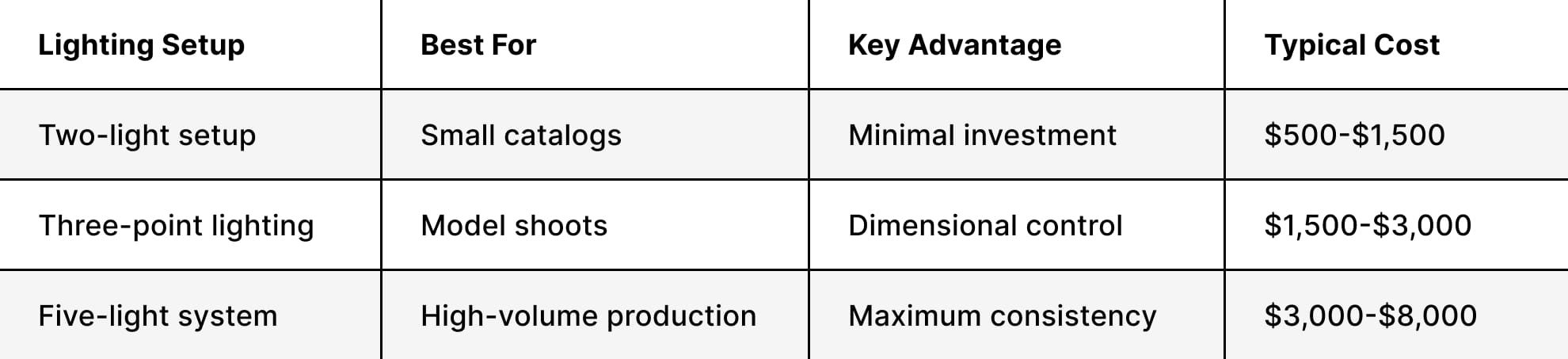
According to professional lighting techniques for clothing, soft light is crucial for capturing fabric texture and detail without creating distracting glare or unwanted reflections on materials like silk or satin.
Shooting Techniques for Different Clothing Types
Not all garments photograph the same way. Commercial clothing photography demands different approaches based on fabric type, garment structure, and intended use.
Ghost Mannequin Photography
This technique creates the illusion of clothing worn by an invisible model, showing both exterior and interior details. It's become the gold standard for e-commerce because it provides dimensional context without model costs. The ghost mannequin approach involves shooting the garment on a mannequin, then photographing the interior separately before combining images in post-production.


Benefits of the ghost mannequin technique:
- Shows fit and drape naturally
- Eliminates model hiring costs
- Creates a consistent brand aesthetic
- Allows customers to envision themselves wearing the item
- Works across all clothing categories
Flat Lay Styling
Flat lay photography arranges clothing items on a flat surface, photographed from directly above. This approach works beautifully for accessories, folded items, and creating lifestyle compositions. The technique requires careful styling and proper camera positioning to avoid distortion.
For detailed techniques on creating compelling flat lay images, check out these flat lay photography tips that cover everything from composition to lighting angles.
On-Model Photography
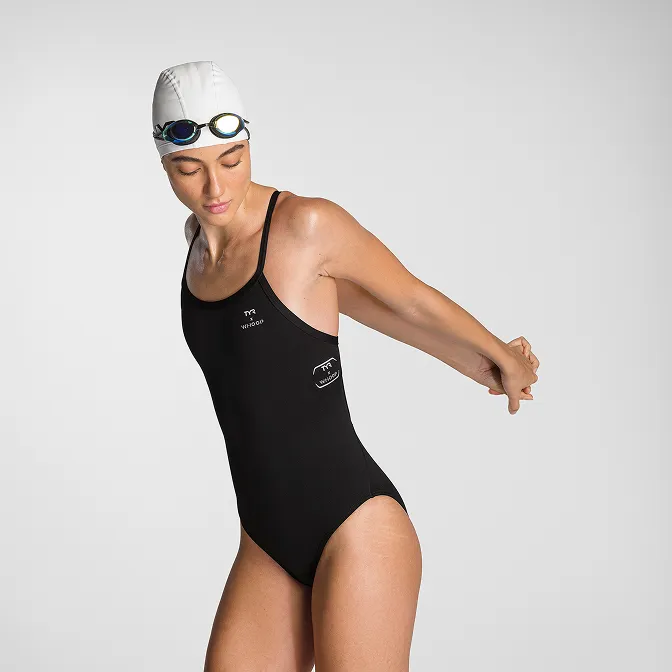
When showcasing fit, movement, or lifestyle context matters, on-model commercial clothing photography delivers unmatched results. This approach requires additional coordination, model casting, styling, hair, and makeup, and directing, but creates emotional connections with customers.
Model photography considerations include diverse representation, consistent poses across your catalog, and multiple angles showing how garments move and fit real bodies. Understanding various product photography types helps you select the right approach for each collection.
Post-Production and Retouching Standards
Raw images from your commercial shoot are just the beginning. Professional commercial clothing photography requires consistent post-processing to achieve the polished look customers expect from established brands.
Essential Retouching Steps
Post-production work typically includes color correction, background removal or replacement, wrinkle removal, and minor adjustments to ensure garments look their absolute best while remaining true to reality.
- Color correction: Ensuring colors match physical products exactly
- Background processing: Clean white backgrounds or lifestyle settings
- Garment refinement: Removing lint, threads, and minor imperfections
- Shadow enhancement: Adding natural shadows for dimensional depth
- Consistency checks: Matching exposure and white balance across the entire catalog
The retouching process must strike a balance between enhancement and accuracy. Overly edited images create return problems when customers receive products that don't match what they saw online. Maintaining e-commerce image standards helps reduce returns while building customer trust.
Batch Processing for Efficiency
High-volume commercial clothing photography demands efficient workflows. Professional studios create presets and actions that apply consistent adjustments across hundreds or thousands of images, maintaining brand consistency while reducing manual editing time.
Platform-Specific Image Requirements
Your commercial clothing photography needs to perform across multiple sales channels, each with unique technical specifications and customer expectations.
E-commerce Platform Standards
Different platforms have varying requirements for image dimensions, file sizes, and formats. Amazon, Shopify, and standalone e-commerce sites each have their own preferred image parameters.
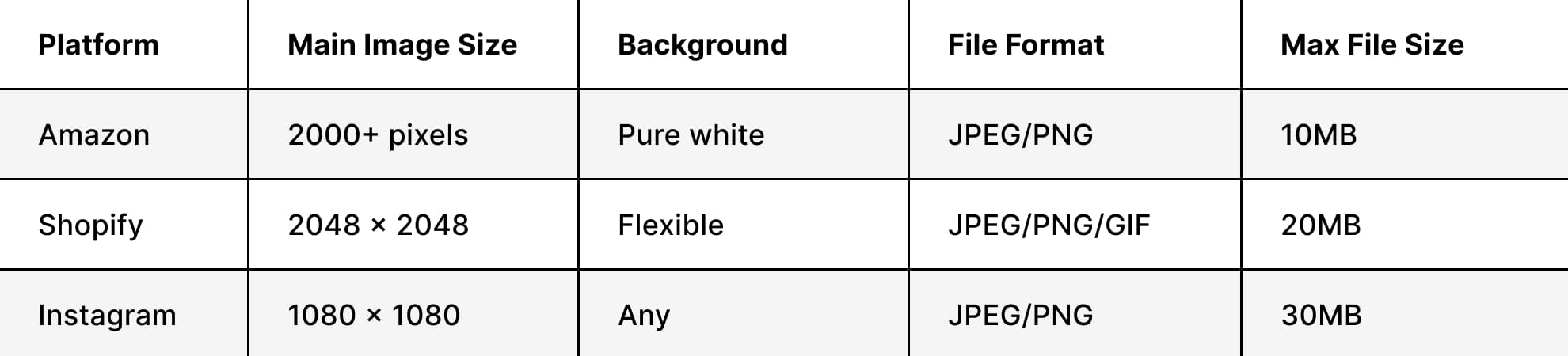
*30MB applies to native app uploads only. If posting via third-party tools or scheduling platforms, the limit drops to 8MB.
Understanding Shopify product image requirements and Amazon product image dimensions ensures your images display correctly across all selling channels without compromising quality.
Mobile Optimization Considerations
In 2026, over 70% of e-commerce traffic comes from mobile devices. Your commercial clothing photography must look stunning on smartphone screens, which means optimizing for smaller displays without sacrificing detail when customers zoom.
Mobile-first photography principles:
- Ensure key garment details are visible at thumbnail size
- Use sufficient contrast for small-screen viewing
- Test images on actual devices before publishing
- Consider vertical compositions for mobile scrolling
- Maintain fast load times through proper compression
Styling and Art Direction Fundamentals
Great commercial clothing photography requires more than technical camera skills. Styling decisions communicate brand identity and help customers understand how to wear your products.
Preparation and Garment Care
Before any commercial shoot begins, garments need proper preparation. Steaming removes wrinkles, pinning creates an ideal fit on mannequins, and careful inspection catches defects before they're photographed.
Professional studios maintain steaming stations, sewing kits for quick repairs, and lint rollers as standard equipment. These seemingly minor details separate amateur from professional commercial clothing photography results.
Props and Context Elements
While product-focused shots emphasize the clothing itself, strategic prop use can enhance understanding and appeal. A leather jacket might be photographed with vintage motorcycle goggles, workout wear with yoga mats, or sustainable clothing alongside eco-friendly accessories that align with conscious brand values.
Context elements should enhance without distracting. The clothing always remains the hero of your commercial photography.
Consistency Across Your Catalog
Brand recognition depends on visual consistency. When customers browse your collection, every image should feel part of a cohesive whole, creating professional polish that builds trust and credibility.
Creating Style Guides
Professional brands document their commercial clothing photography standards in comprehensive style guides. These documents specify lighting setups, background choices, model poses, color profiles, and editing parameters.
Style guide components:
- Lighting diagrams with exact equipment placement
- Color correction standards and calibration targets
- Approved poses and angles for each garment category
- Background specifications and alternatives
- Retouching parameters and quality checkpoints
- File naming conventions and delivery formats
Learning how to achieve product photography consistency prevents the disjointed look that undermines brand credibility.
Quality Control Processes
Before images go live, professional studios implement multi-step quality control. This includes technical checks (proper exposure, sharpness, color accuracy), styling reviews (no visible pins, proper garment positioning), and brand alignment verification.
Cost Considerations and ROI
Understanding commercial clothing photography costs helps you budget appropriately and evaluate service providers. Prices vary dramatically based on volume, complexity, and turnaround requirements.
Pricing Structures Explained
Photography services typically charge per image, per hour, or per project. Per-image pricing works best for large catalogs, while hourly rates suit smaller batches with extensive creative direction. Understanding clothing brand photoshoot costs helps you plan budgets and negotiate effectively.
Typical price ranges (2026):
- Basic flat lay: $15-$50 per image
- Ghost mannequin: $25-$75 per image
- On-model shots: $50-$200 per image
- Creative/lifestyle: $150-$500 per image
Volume discounts typically apply for catalogs exceeding 100 images. The investment in professional commercial clothing photography typically delivers 3-5x ROI through increased conversions and reduced returns.
Working With Professional Photography Studios
Choosing the right photography partner significantly impacts your results and experience. Professional studios bring expertise, equipment, and efficiency that in-house solutions struggle to match.
What to Look for in a Photography Partner
When evaluating studios, consider their portfolio, turnaround times, pricing transparency, and additional services like styling and retouching. Studios specializing in commercial product photography understand the unique demands of clothing and apparel.
Key selection criteria include:
- Portfolio quality: Review previous clothing photography work
- Turnaround time: Confirm delivery schedules match your launch needs
- Retouching capabilities: Ensure they offer comprehensive post-production
- Scalability: Verify they can handle your current and future volume
- Technical expertise: Ask about equipment, backup systems, and quality control
Professional studios also understand essential product image display tips that help your images perform across platforms.
Streamlining the Production Process
Efficient commercial clothing photography requires clear communication and organized product delivery. Provide detailed shot lists, reference images, and brand guidelines upfront. Send garments properly packaged with clear labeling and any special instructions.
Studios with experience photographing accessories like those featured in tote bag product photography understand how different materials and construction methods require adjusted approaches.
Emerging Technologies and Trends
The commercial clothing photography industry continues evolving with technological advances that improve efficiency and expand creative possibilities.
AI and Virtual Photography
Artificial intelligence tools now assist with background removal, color correction, and even virtual try-on experiences. While AI product images offer interesting possibilities, they work best when combined with professional photography rather than replacing it entirely.
Sustainability in Production
Eco-conscious brands increasingly consider the environmental impact of their photography production. This includes minimizing sample shipping, efficient shooting schedules that reduce energy use, and digital-first workflows that eliminate unnecessary printing.
Brands focused on sustainability often extend their environmental values to all aspects of their visual content creation, including choosing photography partners who share these commitments.
Seasonal Planning and Content Calendars
Strategic brands plan their commercial clothing photography months in advance, aligning shoots with product development cycles, marketing campaigns, and seasonal launches.
Building an Effective Shoot Schedule
Coordinate photography with your broader content calendar. Most fashion brands shoot seasonal collections 3-4 months before launch, allowing time for retouching, marketing material creation, and platform uploads.
Typical annual photography schedule:
- Spring collection: Shoot in December/January
- Summer collection: Shoot in March/April
- Fall collection: Shoot in June/July
- Holiday/Winter: Shoot in September/October
This timeline ensures imagery is ready when marketing campaigns launch and products become available for purchase.
Investing in professional commercial clothing photography transforms how customers perceive and interact with your brand, directly impacting conversion rates and long-term success. From technical equipment choices and lighting setups to styling decisions and post-production workflows, every element contributes to creating compelling images that drive purchasing decisions.
Squareshot specializes in delivering exactly this level of quality with industry-leading turnaround times, combining experienced photographers with comprehensive retouching services to help apparel brands showcase their products at their absolute best across all sales channels.
Product A
SQUARE SHOT