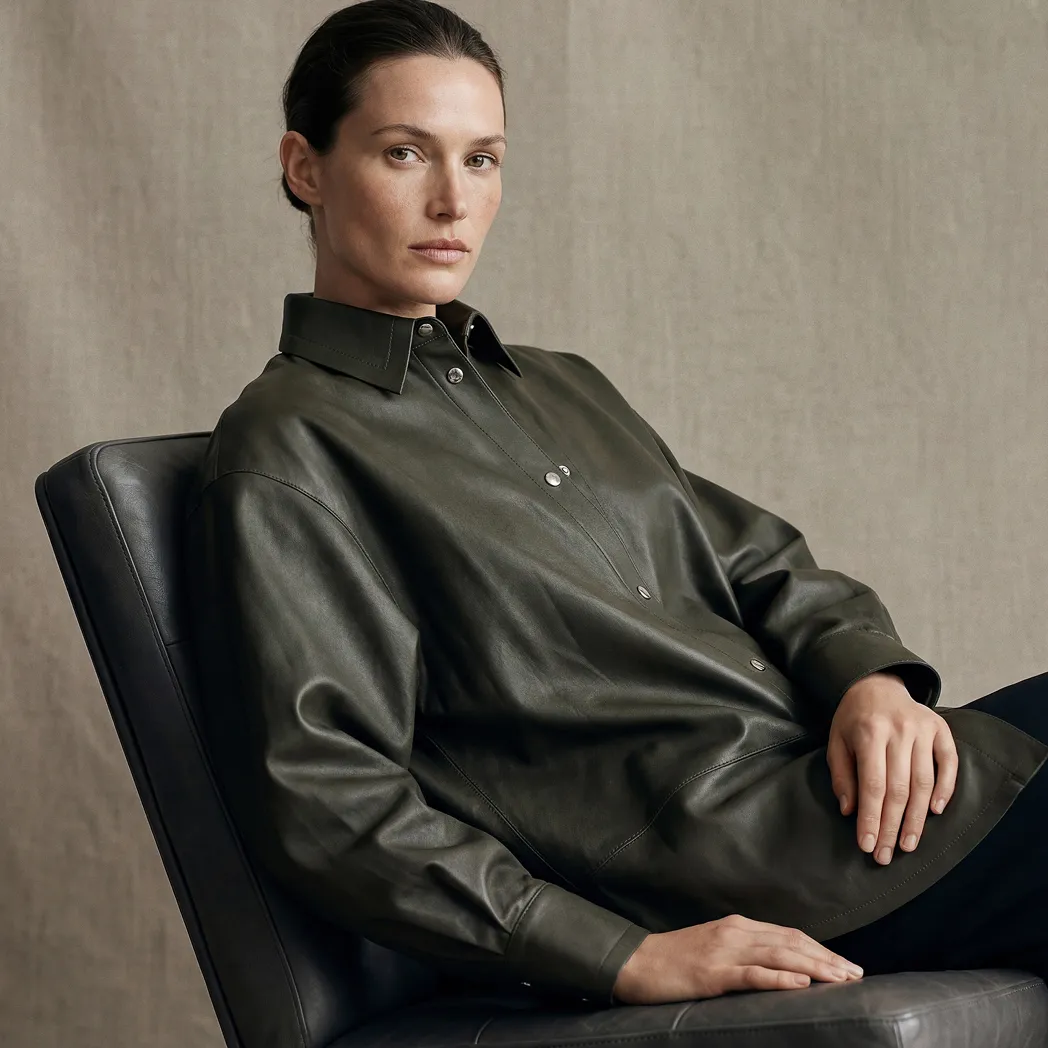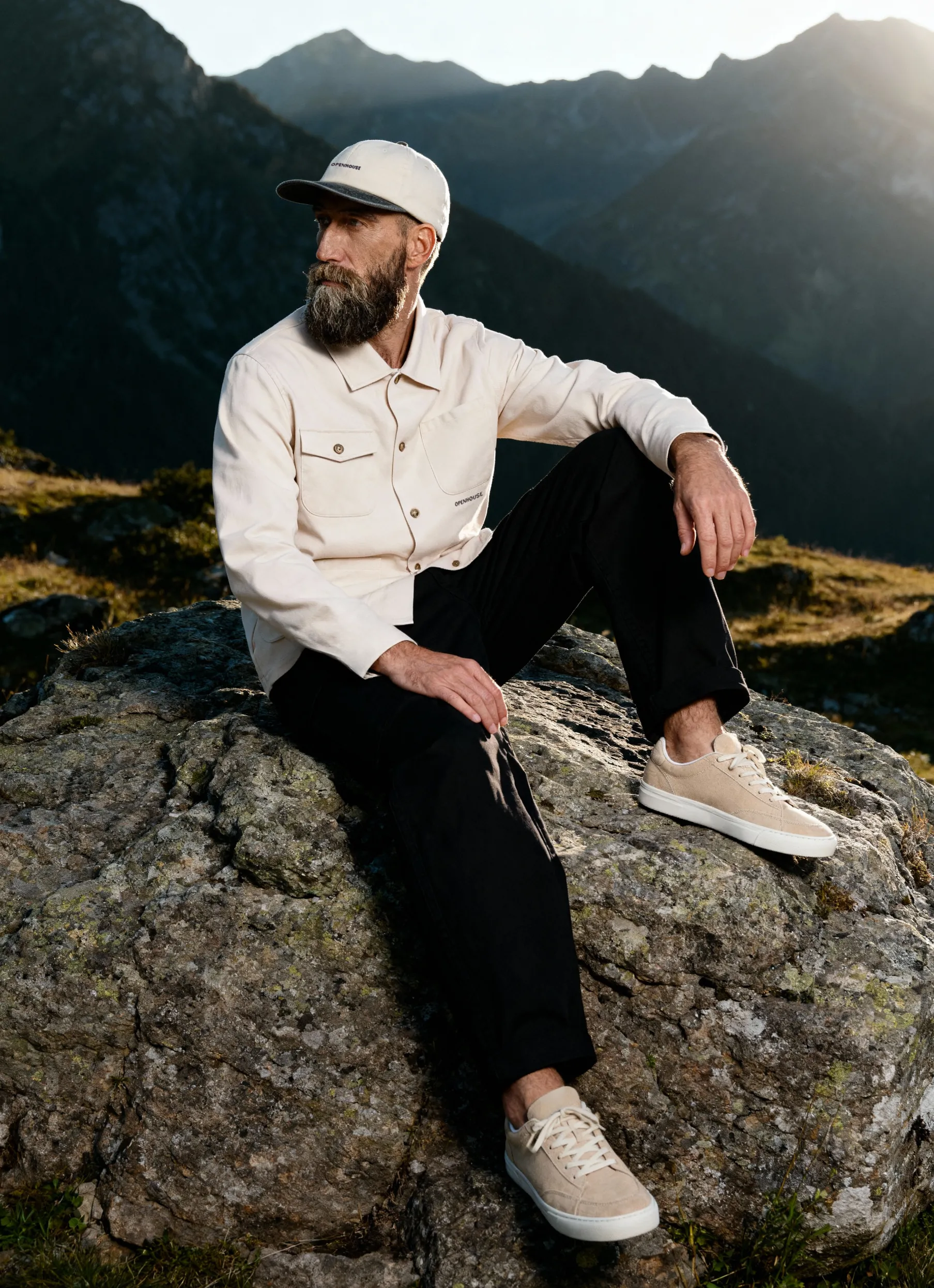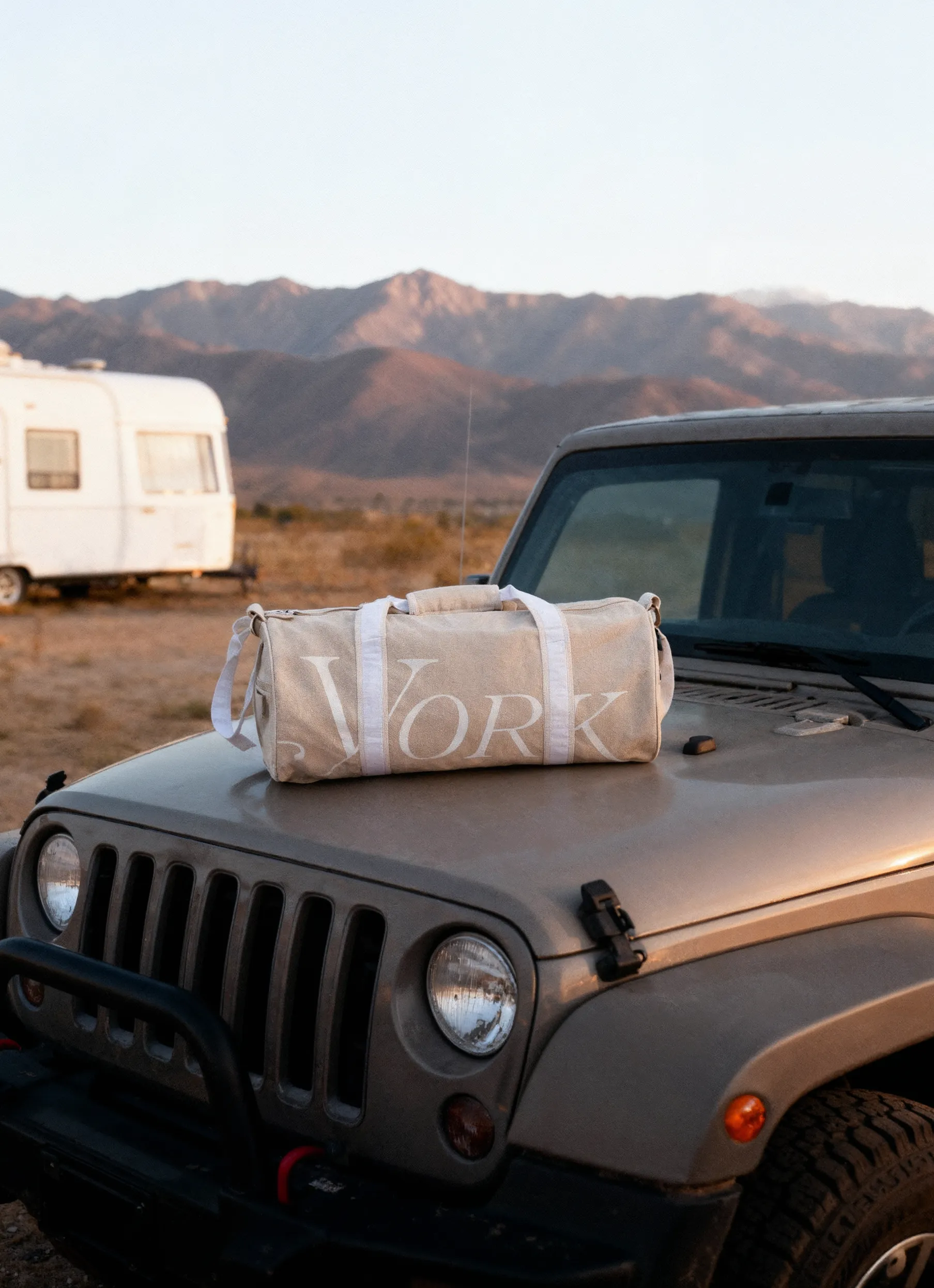


In today’s e-commerce landscape, strong visuals play a key role in how customers evaluate products online. Clear, well-executed tote bag photography helps communicate quality, details, and brand identity, supporting informed purchasing decisions.
This guide covers the full process — from planning and equipment to shooting, styling, editing, and current visual trends. Whether you're refining your existing approach or building a workflow from scratch, you’ll find practical steps to create consistent, high-quality tote bag images.
Understanding Tote Bag Product Photography in 2026
Stunning tote bag imagery is a key driver of online selling in 2026. Strong visuals are now a standard expectation in e-commerce; they are essential for attracting attention and building trust with shoppers. As tote bags continue to rise in popularity, standing out in a crowded handbag market depends on visuals that truly connect with modern consumers.
The Role of Product Photography in E-commerce Success
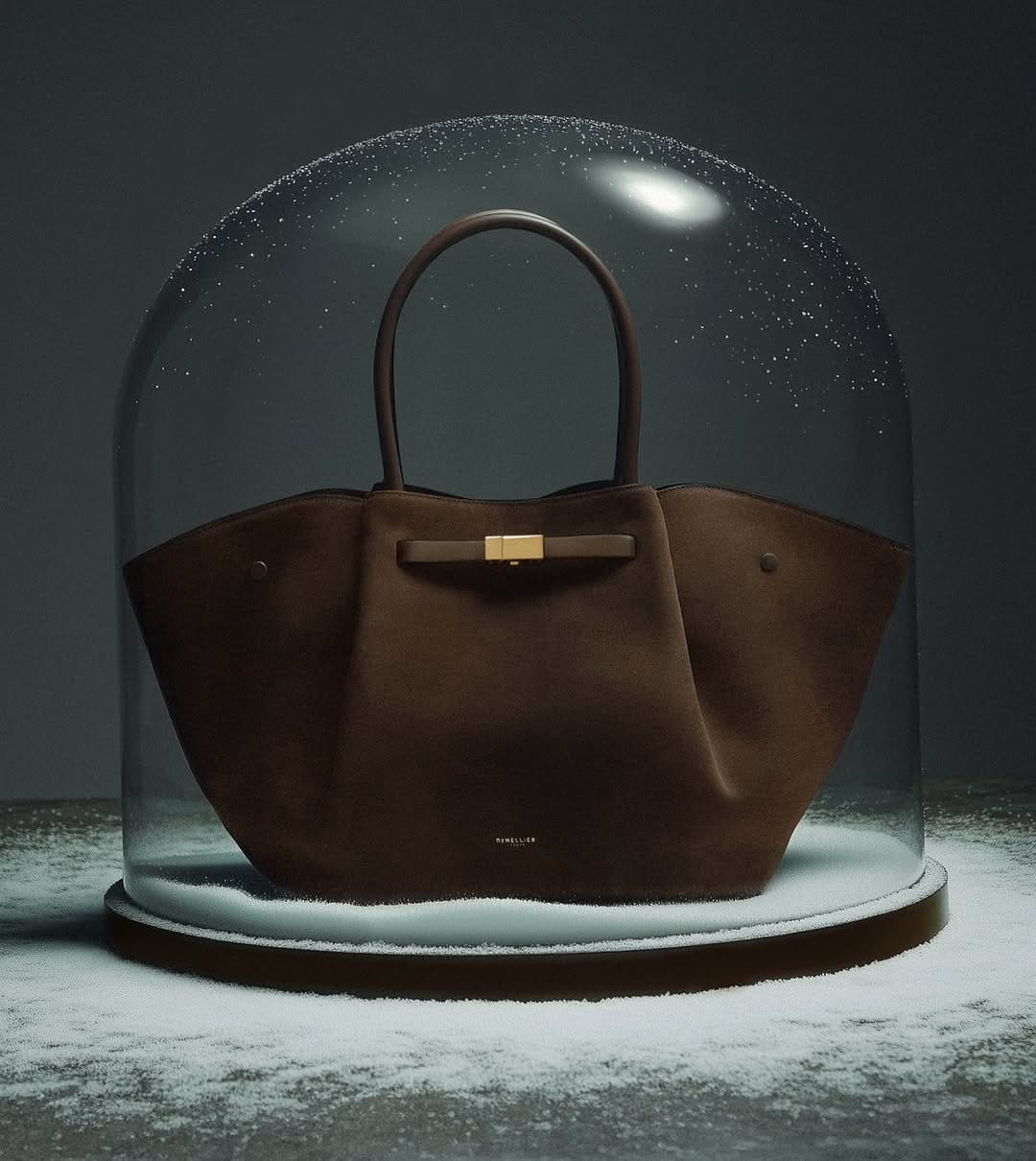
Professional tote bag product photography is a powerful driver of e-commerce success. Studies show that about 75% of online shoppers rely on product photos to make buying decisions. In fact, imagery can influence conversion rates and shape overall brand perception.
Tote bags, with their variety of shapes, materials, and uses, need a tailored approach. Unlike generic products, tote bags often reflect a lifestyle or personal value, so your visuals must showcase both the design and the context. This is where choosing between catalog and lifestyle photography becomes important.
Consistency is another cornerstone of product visuals. Unified backgrounds, lighting setups, and editing help reinforce brand identity, making your collection instantly recognizable. A consistent visual language also builds trust, which is vital in a digital marketplace.
When planning your shoot, always ask: Does this image reflect my brand style guide and help the shopper imagine the tote bag in their own life? If yes, you are on the right track.
2026 Visual Trends for Tote Bags
The visual landscape of product visuals in 2026 is evolving fast. Minimalism is more than a style; it is a statement. Clean lines, neutral backgrounds, and uncluttered compositions let the tote bag take center stage, making details like stitching and eco-friendly materials pop. For a deeper dive on this trend, check out this Minimalist product photography trends guide.
Eco-conscious themes are everywhere, with brands using natural textures, recycled props, and soft lighting to highlight sustainability. AI-generated backgrounds and augmented reality previews are now mainstream, letting shoppers see tote bags in virtual settings before they buy.
Sustainability messaging is woven directly into imagery, using subtle cues like greenery or reusable items. Social commerce is also changing the game, with tote bag visuals optimized for platforms like Instagram and Pinterest.
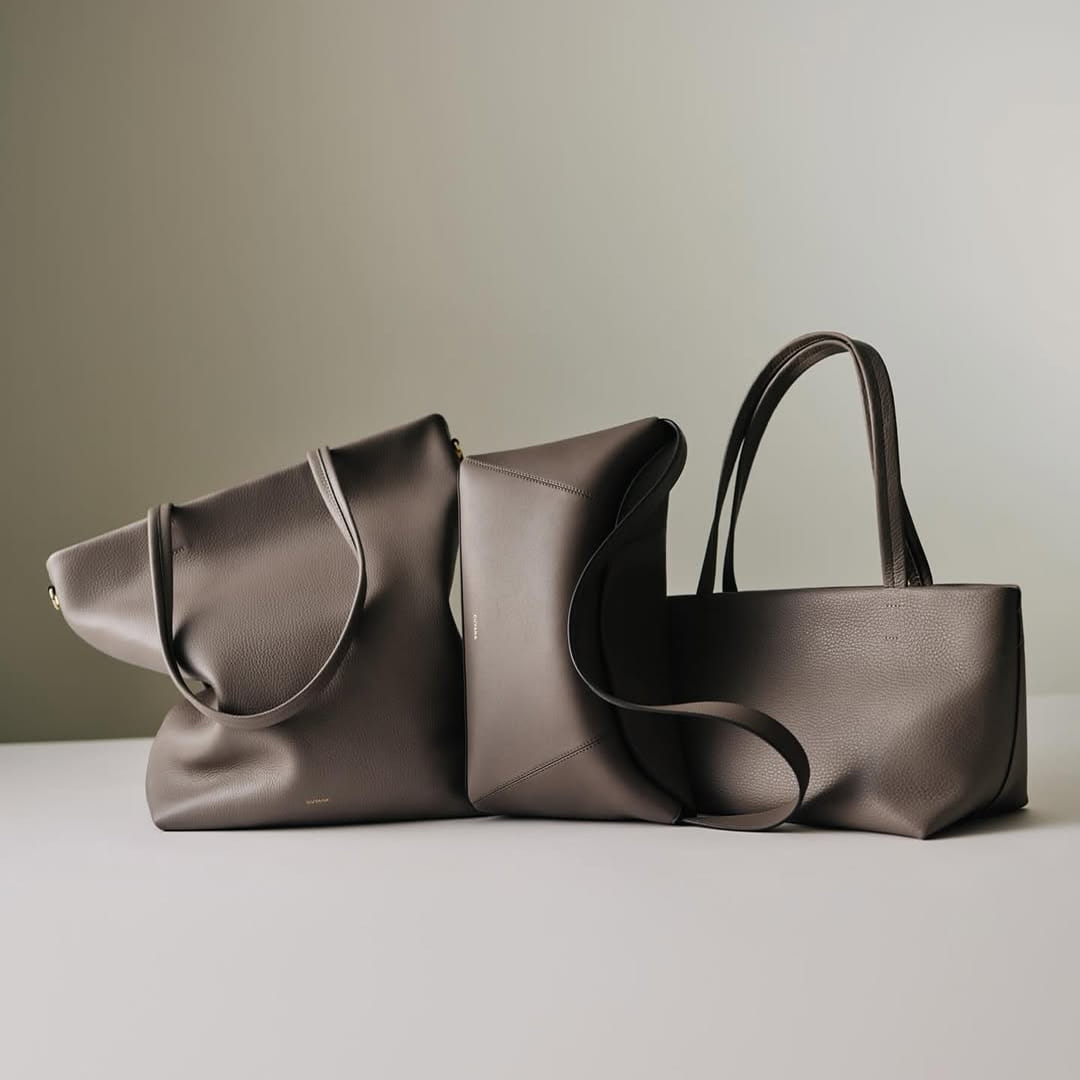
Brands that tell a story through their visuals, showing tote bags on city streets, in cozy cafes, or at the farmer's market, are capturing more attention and driving engagement. In 2026, effective product imagery shows not only the bag itself but also how it fits into a customer’s lifestyle.
Planning Your Tote Bag Photoshoot
Success in tote bag product photography starts long before you pick up your camera. Careful planning ensures every shot aligns with your brand, meets the expectations of modern shoppers, and captures the latest 2026 trends. Let’s walk through the pillars of a well-organized and impactful photoshoot.
Defining Your Creative Direction
The foundation of every tote bag product photography session is a clear creative direction. Start by setting your primary goal. Are you shooting for a clean catalog, a lifestyle story, or an eye-catching campaign? Each approach changes how you style, light, and present the bag.
Next, pinpoint your target audience. A minimalist, eco-conscious shopper will respond differently from someone looking for bold, artistic designs. Build a mood board using platforms like Pinterest or Freepik, or experiment with AI-powered inspiration tools. This helps you visualize color palettes, textures, and props that resonate with your audience.
Color and prop choices can make or break your shoot. For example, use greenery and neutral tones to highlight eco-friendly materials. Or, add books and tech accessories for a modern, versatile vibe. Always ensure the concept remains consistent with your brand identity, and consider referencing Top Product Photography Trends for 2026 when choosing styles and themes.
Choosing Locations & Backdrops
The location and backdrop set the stage for tote bag product photography. Decide between a controlled studio and a natural-light setup. Studios offer reliability and control, while natural light creates organic, relatable visuals. In 2026, textured walls, wooden surfaces, and urban scenes are trending, adding depth and context to your images.
Digital backgrounds and AI-generated scenes are gaining popularity, providing flexibility without costly location changes. Seamless paper in muted shades or fabric backdrops can complement your tote bag’s design, making the product stand out.
Harmony is key. Make sure the background never overpowers the tote bag. For example, a Mediterranean-inspired setting is perfect for summer collections, while a plain wooden surface highlights craftsmanship. Keeping your tote bag photography locations consistent helps strengthen your brand’s visual identity and makes your content more recognizable.
Assembling Your Team & Equipment List
A successful tote bag photography shoot relies on the right team and tools. Key roles include a photographer, a stylist, a model, and an assistant. Each person ensures the process runs smoothly and the creative vision comes to life.
Prepare your equipment checklist:
- DSLR or mirrorless camera
- Prime lenses (50mm, 85mm)
- Tripod
- Reflectors and lighting kits
Incorporate AI-driven camera settings to streamline shooting and maintain quality. If budget is a concern, consider renting high-end gear or outsourcing post-production. When planning, always factor in who will handle retouching and file management to keep the workflow efficient.
Safety is crucial. Keep cables organized and workspaces clear. Assign roles for each task, ensuring nothing is overlooked. With the right team and equipment, your tote bag product photography session will run smoothly, yielding images that hold attention and communicate value.
Essential Equipment and Setup for Stunning Visuals
Setting up for tote bag product photography in 2026 means blending reliable tools with fresh techniques. Your gear and workspace can make the difference between a flat, forgettable image and a visually striking shot. Let’s break down the essentials to help you capture the best possible visuals.
Camera and Lens Selection
Choosing the right camera and lens is the foundation of tote bag imagery. Most photographers opt for mirrorless cameras due to their speed and clarity, but a classic DSLR can still deliver sharp results. When selecting a lens, prime lenses like 50mm or 85mm are popular for their crispness, while zoom lenses offer flexibility for framing flat lays or model shots.
Sensor size and megapixels also play a role. A larger sensor captures more detail, which is key when showing off the texture and stitching of a tote bag. Aim for at least 24MP for e-commerce-ready images. If you want more practical tips, check out this Handbag product photography guide for equipment recommendations that translate perfectly to tote bag product photography.
Lighting Techniques for Tote Bags
Lighting can transform your tote bag product photography from average to refined. Natural light is ideal for lifestyle shots, offering a soft, authentic vibe. Position your setup near a large window and use white curtains to diffuse harsh sunlight. For consistent results, especially in catalog shoots, artificial lighting is your friend.
Invest in softboxes or diffusers to achieve shadow-free, balanced exposure. Reflectors help bounce light into darker areas, ensuring every detail of the tote bag is visible. Avoid using direct flash because it can create harsh highlights and unwanted reflections. For on-trend visuals, try a sunlit room or pair studio lights with AI-driven camera settings for perfect exposure every time.
Keep these essentials in your lighting kit:
- 2 softboxes or LED panels
- 1–2 reflectors
- White foam boards for fill light
Test your lighting before shooting to see how it interacts with the bag’s material and color. This step is crucial for tote bag product photography, as it ensures accurate color and texture representation.
Setting Up Your Shooting Space
A clutter-free, organized shooting space is a must for bag photography. Start by clearing your table or floor area, then set up your backdrop. Seamless paper, textured fabric, or even digital backgrounds are all popular in 2026, and each brings a unique vibe to your shots.
Mark your camera and lighting positions with tape to replicate your setup easily for future shoots. Place your tote bag front and center, making sure it stands upright or lies flat without distortion. Use a tripod to keep every shot sharp and level.
Efficiency is key. Arrange all props, cleaning supplies, and extra gear within arm’s reach. Safety matters too — secure cords and lights to avoid accidents during your tote bag product photography sessions. As you work, review your images on a laptop or tablet to catch styling or exposure issues early.
By focusing on these setup essentials, you’ll create a professional workflow that supports stunning, consistent visuals every time.
Styling and Composition Techniques for Tote Bags
Creating scroll-stopping visuals is the heart of effective tote bag product photography. The way you style and compose your images can transform a simple bag into a practical wardrobe staple. Let’s break down the essential steps that bring out the best in every tote bag, making your products desirable to online shoppers.
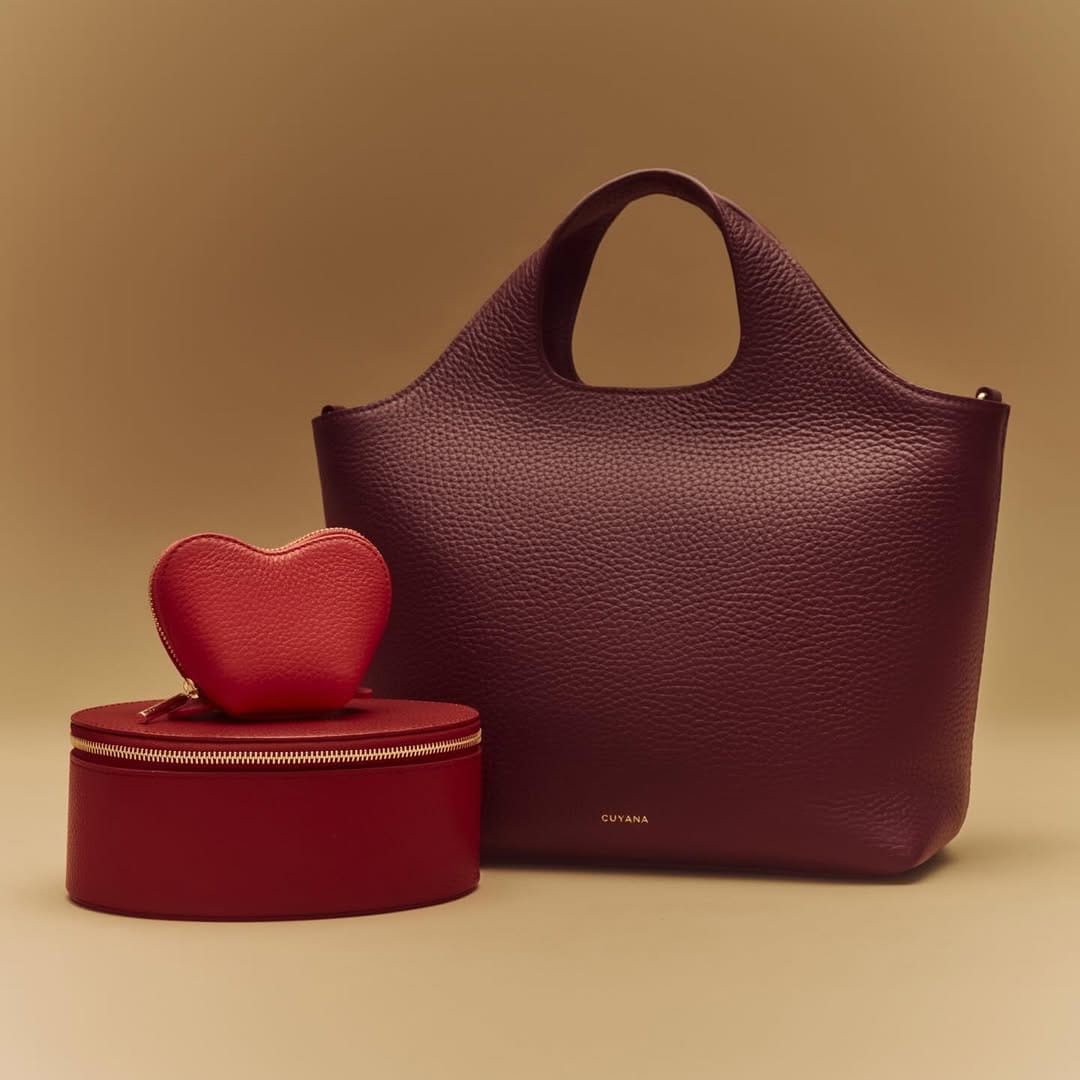
Preparing Tote Bags for the Camera
Before you even pick up the camera, proper preparation is crucial for tote bag photography. Start by cleaning the bag to remove dust and fingerprints. Use a steamer to eliminate wrinkles and creases for a flawless look.
Shape the tote bag by gently stuffing it with tissue paper or soft fabric. This gives it structure and helps highlight its capacity. Remove any distracting tags or stickers, and check for loose threads or imperfections.
Attention to these details ensures the tote bag looks polished and ready for close-ups. Remember, a well-prepared product is more likely to captivate potential buyers, making your tote bag product photography stand out from the competition.
Prop Selection and Scene Building
Choosing the right props can elevate your tote bag product photography by adding context and personality. Select props that complement the tote bag’s color and style without stealing the spotlight.
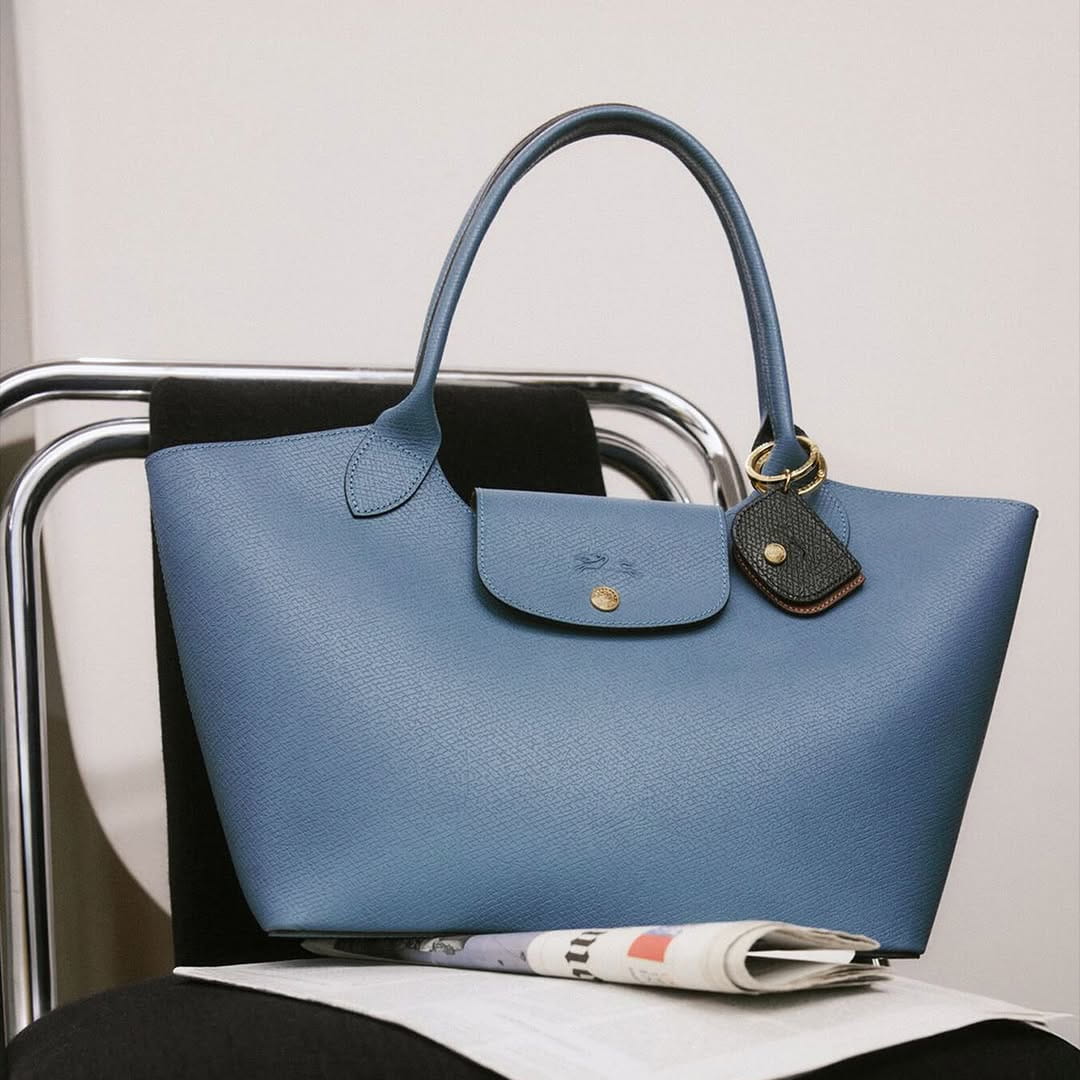
Think about the story you want to tell. Are you creating a lifestyle scene, a flat lay, or an on-model shot? Each approach brings a unique perspective. Flat lays work well for showcasing content, while on-model images add relatability.
Here are some prop ideas:
- Fresh flowers for a soft, inviting look
- Books or tech accessories for a modern vibe
- Groceries for practicality and sustainability
Building a story around your tote bag draws shoppers in, making your tote bag product photography more engaging and memorable.
Mastering Composition and Angles
Composition is what gives your shoot structure and clarity. Use the rule of thirds to position the bag and key features so they guide the viewer’s eye. Symmetry works well for catalog shots, while creative angles add energy to lifestyle images.
Highlight key details such as handles, stitching, and interior pockets with close-up shots. For catalog images, capture the front, back, and side views. In creative campaigns, experiment with dynamic angles and playful perspectives.


Don’t forget negative space. Leaving room around the tote bag creates a modern, uncluttered look that lets the product shine. With thoughtful composition, every tote bag photography session becomes a visual story that draws customers closer.
Color, Texture, and Material Representation
Accurate color and texture are critical in tote bag product photography. Adjust your camera’s white balance and exposure to reveal the fabric’s true hue and weave. Use soft, diffused lighting to avoid harsh shadows and blown highlights.
To highlight materials like canvas or recycled fibers, try macro shots that focus on texture. Consistency is key across your product line. Using the same editing style, lighting, and backgrounds helps reinforce your brand identity. For more insights on maintaining a uniform look, check out this guide on Consistency in product photos.
By accurately showcasing color and material, you build trust and transparency with your audience, making your tote bag product photography a reliable window into your brand’s quality.
Shooting Process: Step-by-Step Guide
Creating compelling tote bag product photography requires a precise, methodical approach. Each stage of the shoot builds on the last, ensuring your final images both stand out and convert. In fact, high-quality product images can increase conversion rates by up to 67%, making every step in this process crucial for e-commerce success.
Step 1: Setting Up the Scene
Begin your tote bag product photography session by preparing your environment. Arrange your lighting, whether natural or artificial, to create soft, even illumination. Position your camera on a tripod for stability and mark your camera and light spots for repeatability.
- Use seamless paper or fabric backdrops for a clean look.
- Place props and backgrounds in harmony with your tote bag’s design.
- Take a few test shots to check exposure, focus, and color accuracy.
A well-prepared scene reduces post-production work and ensures your tote bag product photography starts strong.
Step 2: Positioning the Tote Bag
How you position the tote bag impacts how shoppers perceive its quality and features. Stand the bag upright, hang it, or lay it flat, depending on your creative direction.
- Ensure symmetry and alignment to avoid visual distortion.
- Stuff the bag with tissue or soft fillers to maintain shape.
- Make sure handles and straps are straight and visible.
Consistent positioning is key for catalog-style tote bag product photography, while creative campaigns may experiment with unique arrangements.
Step 3: Capturing Core Angles and Details
Next, capture all essential angles and close-up details. Comprehensive coverage helps customers visualize the product and minimizes uncertainty.
- Photograph the front, back, sides, and the interior.
- Take close-ups of key features like stitching, pockets, and branding.
- Use a macro lens to highlight fabric texture and special details.
By systematically documenting every angle, your tote bag product photography delivers a complete visual story for online shoppers.
Step 4: Incorporating Lifestyle Elements
Bring your tote bag product photography to life by adding lifestyle context. Use models, props, and location-specific touches to create relatable scenes.
- Direct models to interact naturally with the bag, showing scale and use.
- Include props like books, flowers, or tech accessories to suggest real-life scenarios.
- Capture candid moments and movement for an authentic feel.
Lifestyle images not only showcase the tote’s versatility but also build emotional connections with your audience.
Step 5: Reviewing and Adjusting On-Set
After each round of shots, review your images carefully. Check for sharpness, accurate exposure, and well-arranged styling.
- Make real-time adjustments to lighting or props as needed.
- Organize and back up files during the shoot to prevent data loss.
- Ensure consistency across all images for a cohesive product gallery.
This iterative process is vital for tote bag product photography, enabling you to spot issues early and produce a polished, professional result.
Post-Production and Editing for Professional Results
After a successful shoot, post-production is where your tote bag product photography truly appears at its best. Editing polishes your visuals, ensures brand consistency, and helps your tote bags stand out in the crowded 2026 e-commerce market.
Essential Editing Techniques
Start by reviewing each image for composition and clarity. Cropping and straightening are basic but vital steps. They help you remove distractions and focus attention on the tote bag. Use perspective correction tools to fix any distortion, especially if you shot at unusual angles.
Color correction is next. Adjust white balance to ensure the tote bag’s true color is represented. This step is crucial for building trust with online shoppers. Accurate color in tote bag product photography reduces returns and increases satisfaction.
Retouching comes last in this stage. Remove dust, wrinkles, and any unwanted marks on the bag or background. Pay attention to details like stray threads or minor blemishes. A clean, polished look elevates your tote bag product photography and makes products more appealing.
Advanced Retouching and Enhancements
Once the basics are done, move on to advanced enhancements. Use clarity and texture tools to highlight fabric details without making the image look unnatural. This is especially important for eco-friendly or textured tote bags.
Background cleanup can make a world of difference. Remove imperfections and add soft, realistic shadows to anchor the bag. Preparing images for web use is also key in tote bag product photography. Resize, compress, and optimize your files so they load quickly and look sharp, no matter the device.
For a detailed breakdown of best practices, refer to E-commerce image standards and optimization. Following these guidelines helps ensure your tote bag product photography meets modern e-commerce requirements and drives sales.
Consistency and Branding Across Images
Consistency is the secret weapon in tote bag product photography. Batch editing tools let you apply the same adjustments to all images in a collection. This creates a seamless look that reinforces your brand identity.
Apply branded overlays or subtle watermarks if needed. Keep lighting, color balance, and exposure uniform across every photo. This attention to detail makes your tote bag product photography instantly recognizable.
For example, maintaining the same white balance and exposure throughout your tote bag product photography lineup ensures customers always know what to expect. Consistent visuals are key to building trust and encouraging repeat purchases.
Maximizing Impact: Publishing, Optimization, and Trends
Creating visually compelling tote bag product photography is just the beginning. To truly stand out, you need to optimize, publish, and leverage trends that keep your visuals fresh and engaging.
A well-planned publishing and optimization strategy ensures your tote bag product photography not only looks great but also performs at its best across every platform.
Optimizing Images for E-commerce and Social Media
Optimizing your tote bag product photography for each platform is crucial for visibility and sales. Start by saving your images in web-friendly formats like JPEG or WebP for fast loading without sacrificing quality.
Use descriptive file names that include relevant details, such as canvas-eco-tote-bag-green-front.jpg. This helps search engines and shoppers understand your product at a glance.
Add alt text to every image, using phrases like "eco-friendly canvas tote bag" to improve accessibility and SEO. For marketplaces like Amazon or Shopify, follow their specific image size and resolution guidelines to avoid any upload issues.
Create multiple variants of each tote bag product photography shot for different channels. For Instagram, square crops work best, while Pinterest favors vertical images. Maintain consistent branding and color profiles across all platforms.
Leveraging 2026 Visual Trends for Engagement
Staying current with visual trends is essential for modern tote bag photography. In 2026, AR previews and interactive visuals are taking center stage, letting customers virtually try out tote bags before buying. Brands are also embracing video snippets and 360-degree spins to give shoppers a dynamic feel for each product.
Shoppable images in social media posts let users add tote bags to their cart with a single tap. Experiment with these emerging formats to keep your product photography fresh and irresistible.
Measuring Success and Iterating
Tracking the performance of your tote bag product photography is key to long-term growth. Monitor engagement metrics like clicks, saves, shares, and conversion rates across all platforms.
A/B testing different photo styles, backgrounds, or props can reveal what resonates most with your audience. Use analytics tools provided by e-commerce platforms and social networks to gather actionable data.
Encourage customer feedback on your visuals through surveys or social polls. This insight helps you refine your approach and ensures your tote bag photography continues to drive results.
Staying Ahead: Resources and Inspiration
To keep your tote bag product photography at the cutting edge, look to industry leaders and creative communities for inspiration. Follow top tote bag brands on Instagram and Pinterest to see how they present their products.
Use platforms like Freepik and Pinterest to build mood boards and discover new styling ideas. Leverage AI tools to generate fresh concepts or streamline editing.
Invest in your skills by attending workshops, webinars, and online courses focused on product photography and digital marketing. Continuous learning is your ticket to staying ahead of trends and maximizing the impact of your visuals.
Now that you’ve got the behind-the-scenes considerations on creating stunning tote bag visuals for 2026, why not put those ideas into action?
If you prefer to outsource the process, working with an experienced product photography team can help ensure consistency and efficiency. Let’s take the next step together.
Product A
SQUARE SHOT