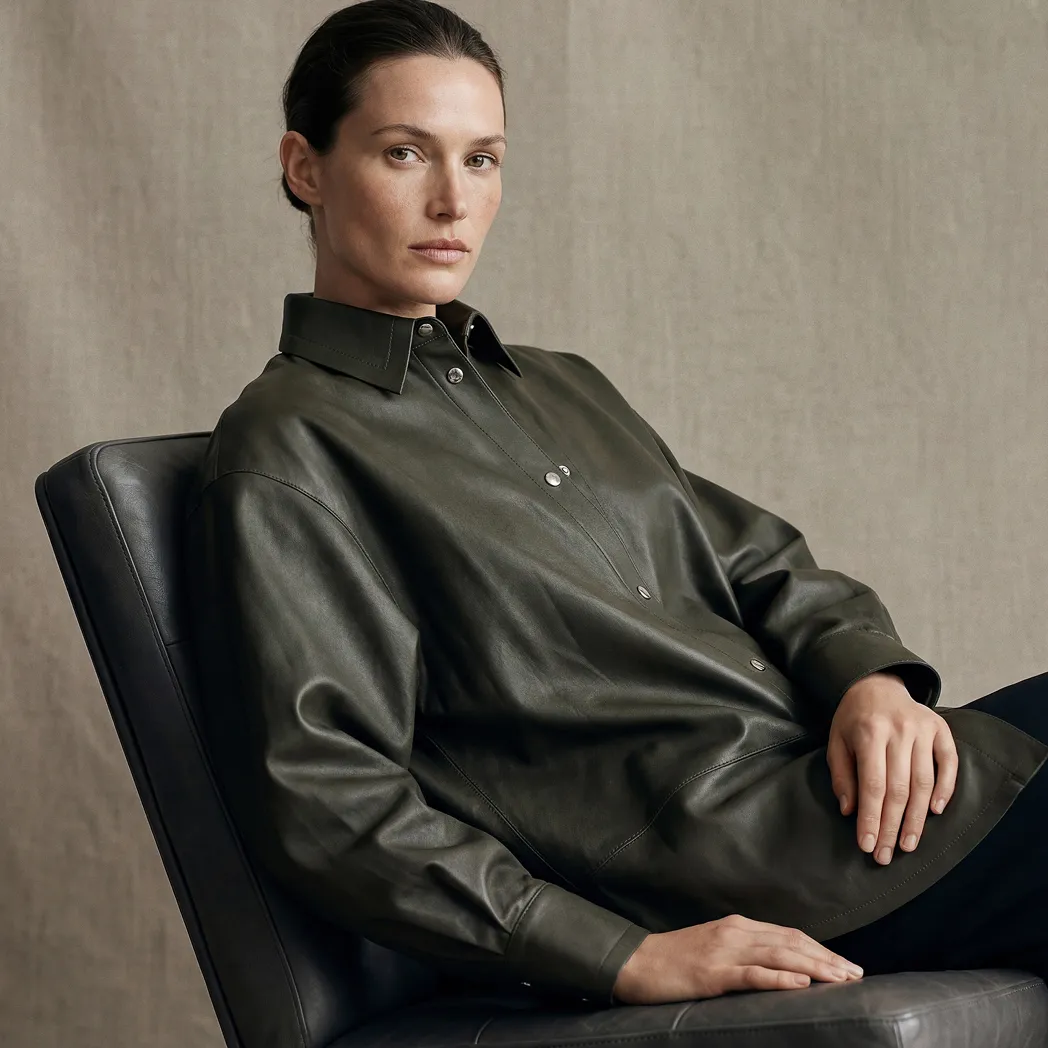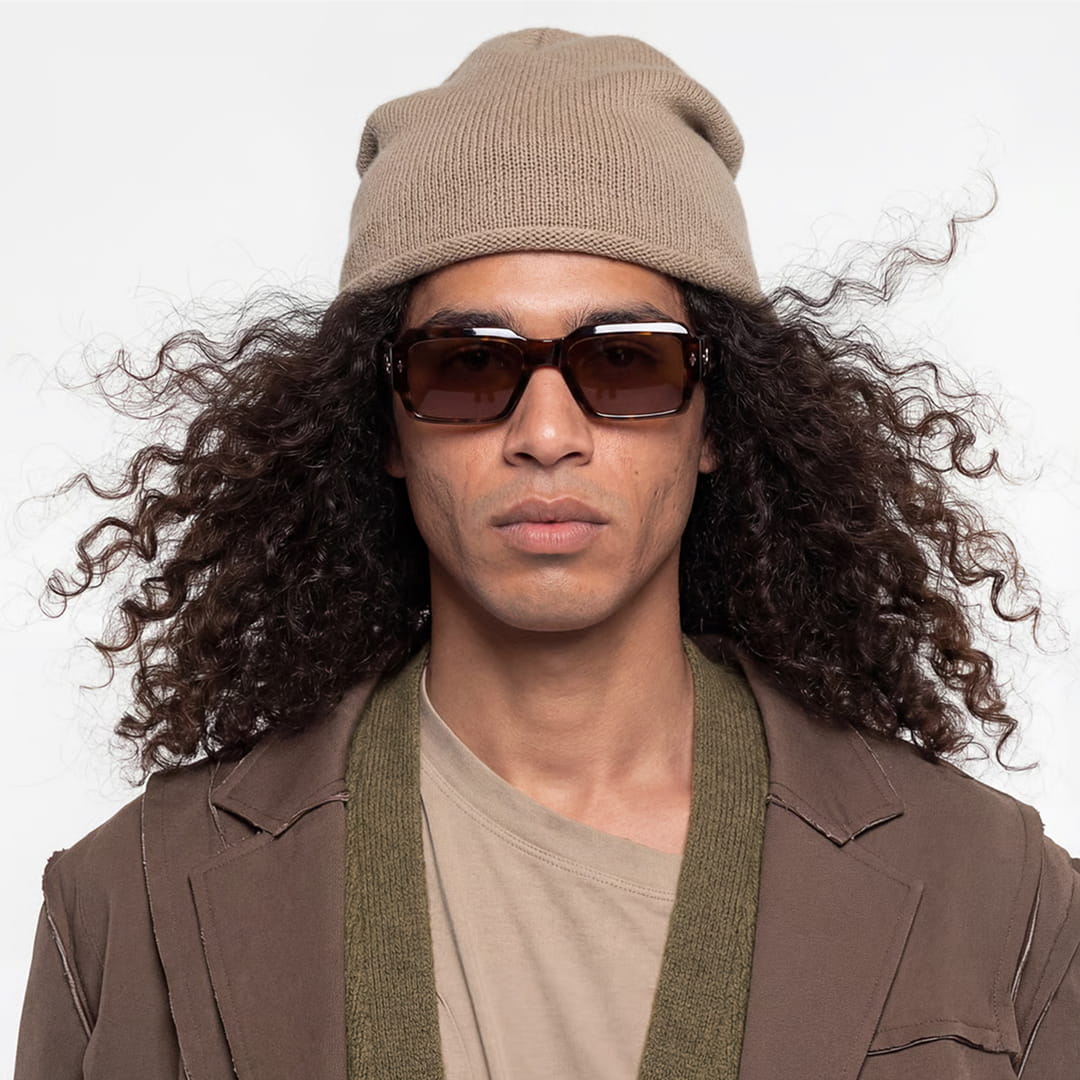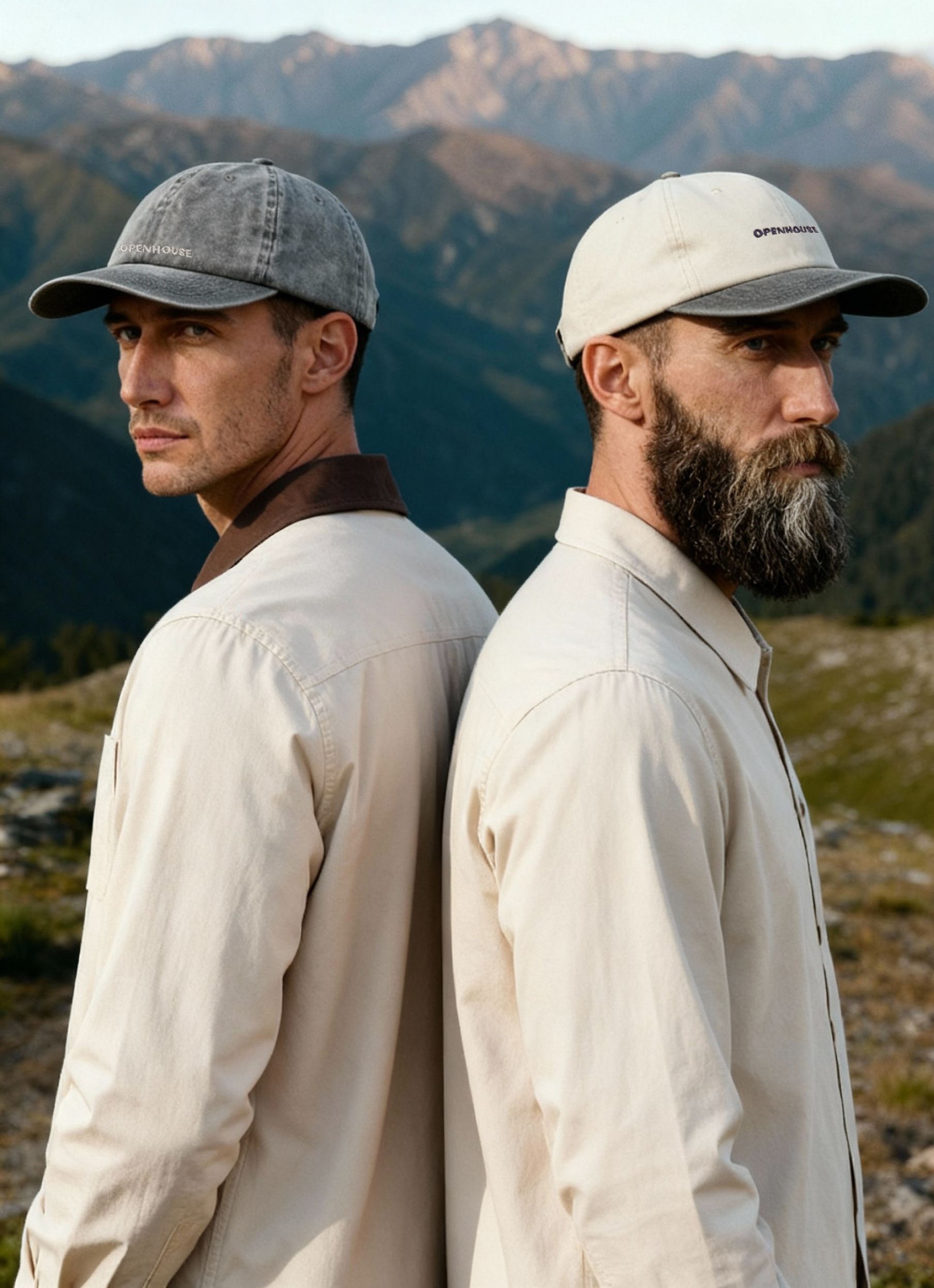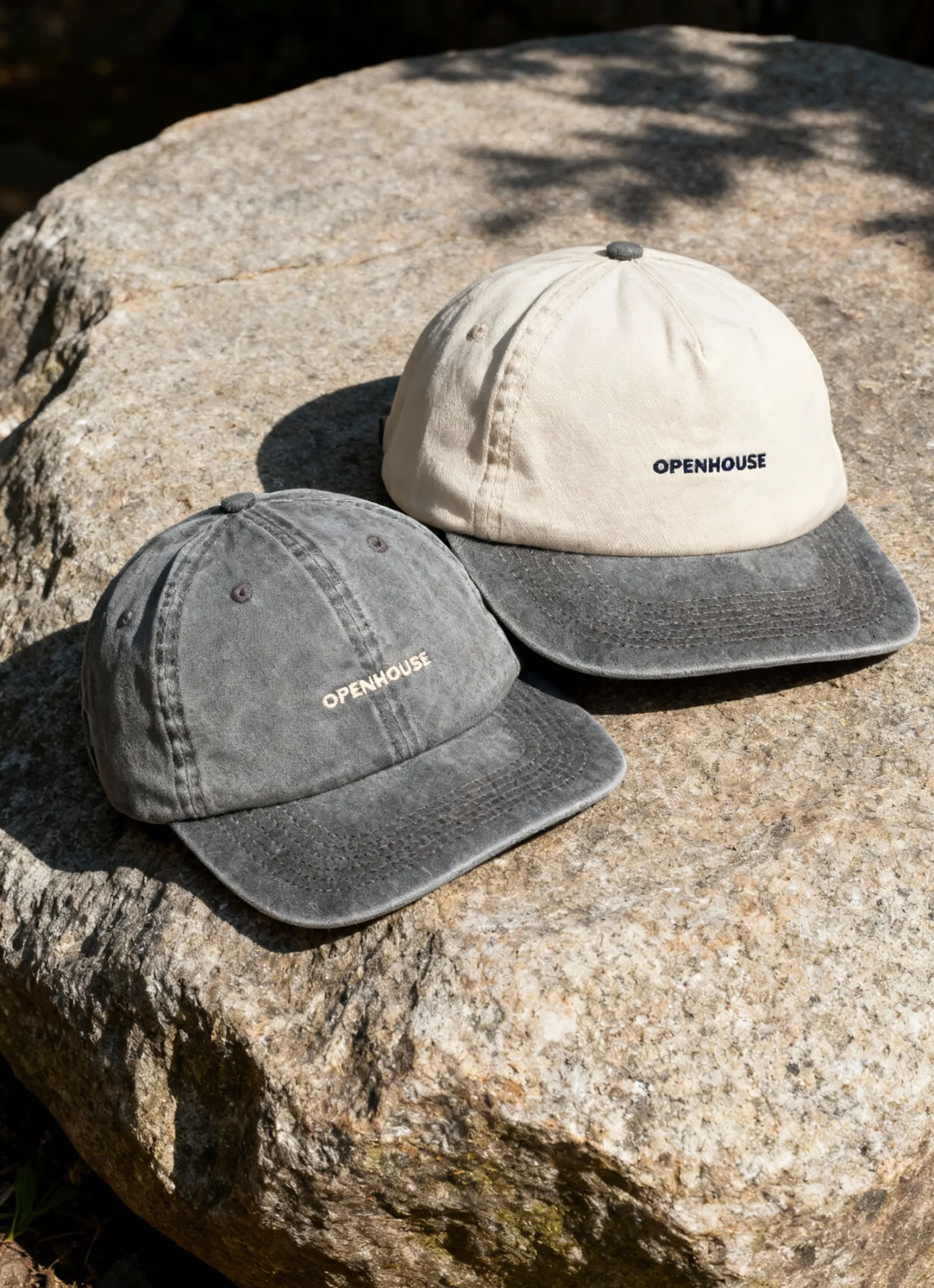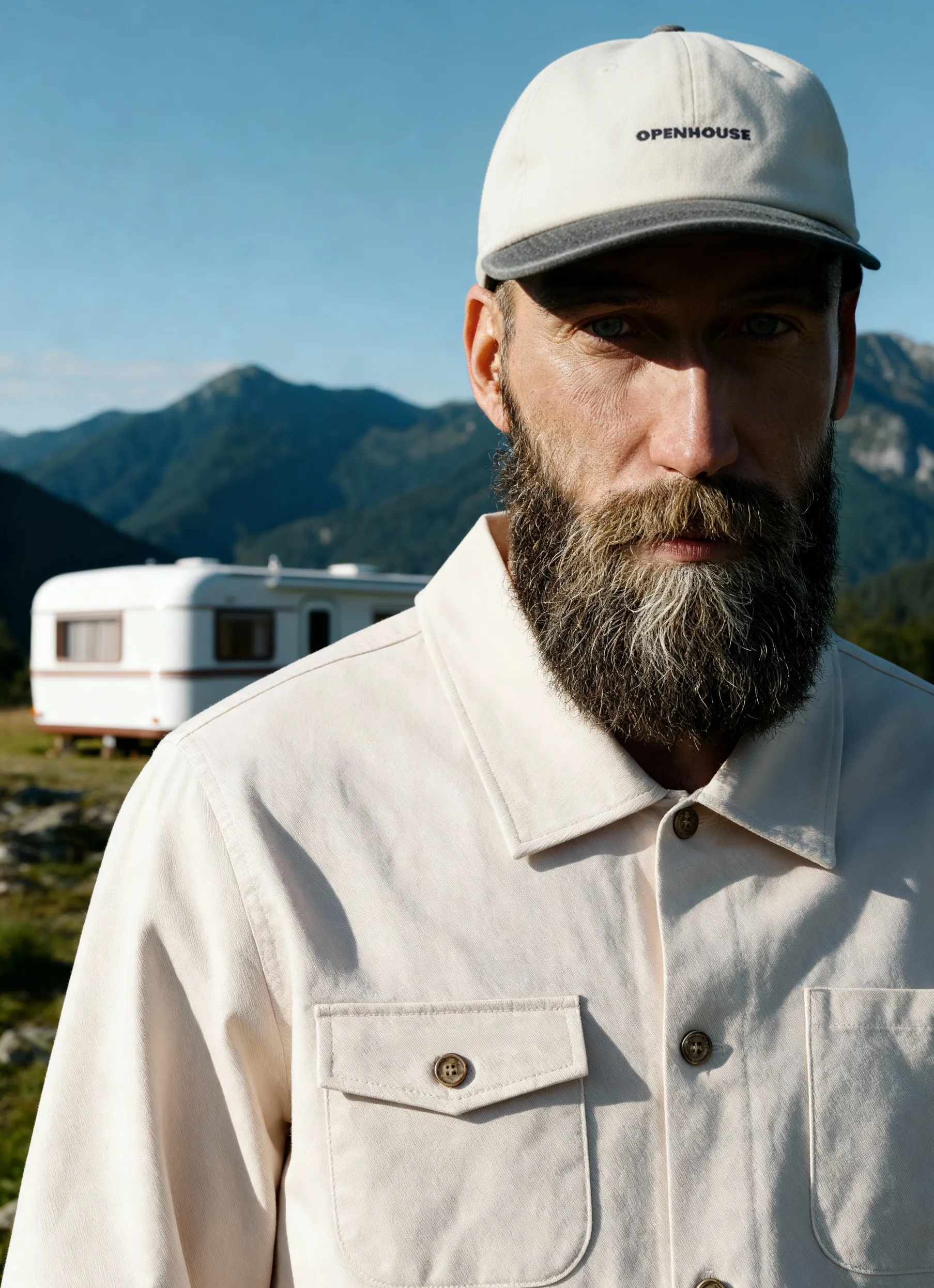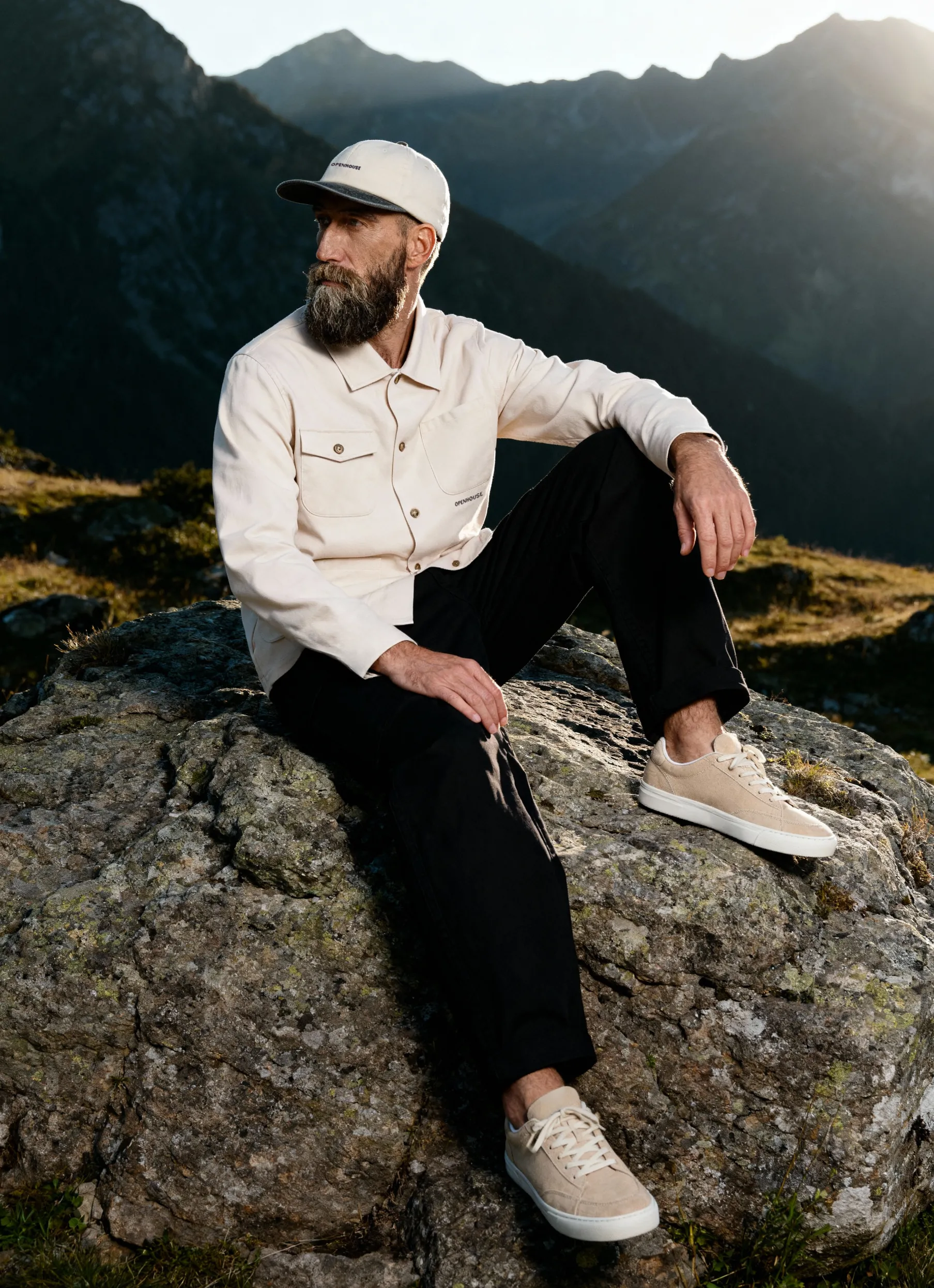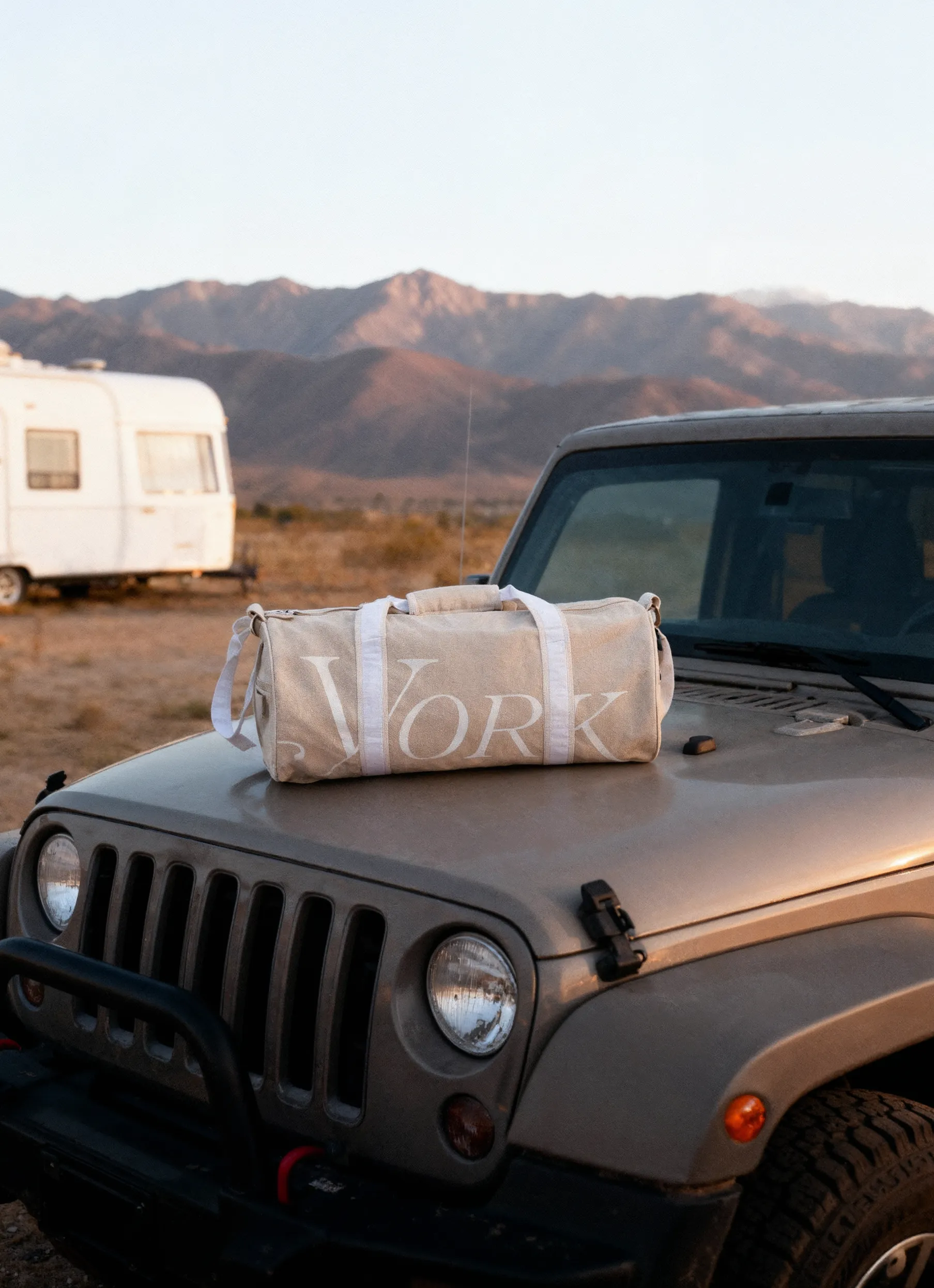

AI has become part of fashion photography's toolkit, and 2026 is the year it stopped being optional. AI fashion product photography pairs real photography expertise with new technology to produce strong visuals faster.
It's not replacing photographers; it's giving them room to do things that used to be impossible or too expensive to pull off. If you manage a clothing line, run an e-commerce store, or own a brand's visual strategy, understanding how AI fits into product photography is what keeps you competitive.
How AI Fashion Product Photography Works
AI fashion product photography works across several stages of the image creation process. It automates repetitive tasks, sharpens image quality, and can even generate new product presentations from photos you already have.


Modern AI systems handle fashion photography through a few key methods:
- Background removal and replacement within seconds
- Automatic color correction and lighting adjustments
- Smart retouching that maintains fabric texture authenticity
- Model generation from flat product shots
- Scene composition suggestions based on brand style
Professional studios now build these tools directly into their product photography workflow, blending human creativity with machine speed. The photographer still owns artistic direction, lighting, and composition. AI just speeds up post-production and opens up more creative room.
Camera manufacturers see it too. Canon and Panasonic have invested in AI Model Inc., a startup that generates fashion images from product photos. Even the traditional camera companies are treating AI as a complement, not a threat.
AI-Powered Retouching Capabilities
Post-processing is where AI fashion product photography pays off fastest. Advanced retouching software uses machine learning to identify fabric types, catch imperfections, and correct them without flattening out natural texture.
Evoto AI offers sophisticated retouching tools built specifically for fashion photography, turning hours of manual editing into minutes while keeping garments looking real. These systems can tell the difference between a deliberate design detail and an unwanted wrinkle, and make smart calls on what to enhance and what to leave alone.
Benefits for Fashion Brands and E-Commerce
Speed is the biggest draw of bringing AI into fashion product photography. Traditional shoots take heavy planning, coordination, and hours of post-production. AI speeds up every stage without cutting into quality.
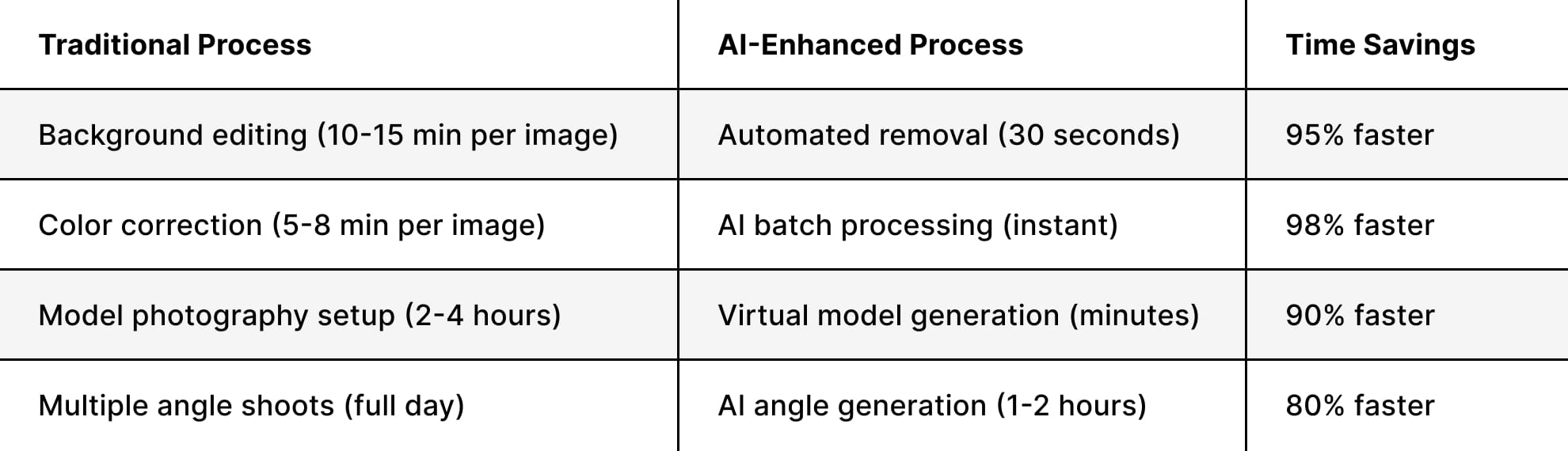
That efficiency shows up directly in cost and time-to-market. Fashion brands can launch seasonal collections faster, test photography variations without booking another shoot, and jump on trends while they're still relevant.
Consistency Across Product Catalogs
Keeping hundreds or thousands of SKUs visually consistent is hard, even for experienced photographers. Lighting shifts, individual style creeps in, and manual editing introduces small variations.
AI fashion product photography fixes this by applying the same processing rules across the whole catalog. Set your brand's visual standards once, and AI keeps every image matching those specs exactly. That consistency matters a lot for e-commerce image standards, especially when shoppers compare items side by side.
Consistency benefits include:
- Unified color profiles across all product categories
- Standardized lighting and shadow treatment
- Identical background treatments
- Matching perspective and angle execution
- Cohesive brand aesthetic throughout your store
Build AI tools into your clothing brand photo shoot from the start, and that consistency carries through your whole production pipeline naturally.
Virtual Models and AI-Generated Imagery
Virtual models might be the most controversial part of AI fashion product photography. The technology can now generate photorealistic human models wearing your products, no model bookings, no studio time, and none of the usual coordination.
That controversy came to a head when an AI-generated model appeared in fashion advertising, raising real questions about what this means for human models' jobs and how authentic brand representation actually is.
Practical Applications for Virtual Models
Controversy aside, virtual models solve real problems in specific situations:
- Rapid prototyping - Test product presentations before committing to a full shoot
- Size representation - Show the same garment across body types without booking multiple models
- Global customization - Adapt model appearance for different regional markets
- Seasonal flexibility - Shoot summer imagery in winter, no travel required
- Budget optimization - Save traditional model shoots for hero images and campaigns
Most brands that get this right use a hybrid approach. Real models and traditional photography are for primary marketing and hero images, and AI-generated imagery fills in catalog completion and fast-turnaround content.
Google's Doppl app shows what this looks like for consumers, letting shoppers try on clothes virtually. The same technology lets brands show products across diverse models without a single physical shoot.
Integration with Traditional Photography Services
The strongest approach to AI fashion product photography doesn't ditch traditional methods; it combines both with intention. Professional studios now build integrated services that use AI where it adds value and keep hands-on photography where human artistry still matters.
Squareshot's own AI services follow this exact model. Every image starts as a real product shot. AI extends it into models, scenes, props, and backgrounds. A post-production team refines each result to commercial standards before delivery. The product stays real. AI handles speed and scale.
A typical integrated workflow looks like this:
Initial Capture Phase:
- A professional photographer shoots a product on a mannequin or a flat lay
- Multiple angles captured with proper lighting and composition
- High-resolution images ensure quality for AI processing
AI Enhancement Phase:
- Background removal and replacement
- Color and lighting optimization
- Virtual model application for additional presentations
- Angle generation for supplementary views
Quality Control Phase:
- Human review of all AI-processed images
- Manual touch-ups where needed
- Final approval before publication
This keeps the quality bar that studios offering clothing product photography services are known for, while still gaining the efficiency AI brings to the table.
Choosing the Right Mix
Which images need AI and which need full traditional photography comes down to a few factors:
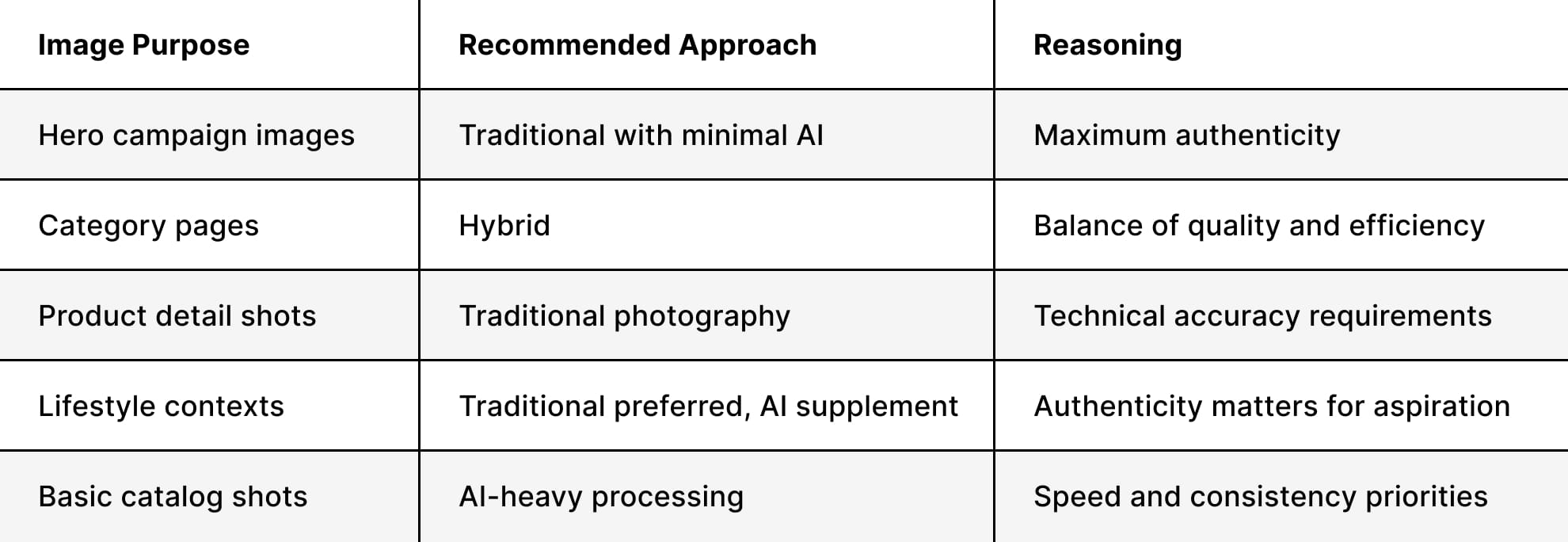
When you're evaluating commercial photography studios, look for partners who understand this balance, not ones who pitch AI as a full replacement for traditional skill.
AI Tools Transforming Fashion Photography
A handful of specialized AI platforms now serve the fashion photography space, each built for a specific job.
Background and editing tools handle the most time-consuming post-production work. They recognize product boundaries, separate foreground from background with pixel-perfect precision, and swap backgrounds instantly. Flowing fabric, transparent materials, fine detail work, things that used to mean hours of manual editing, they handle in seconds.
Color-matching systems keep product lines consistent. AI reads your brand's color palette and adjusts images to match it automatically, so you don't get the color drift that frustrates shoppers comparing similar items.
Composition assistants suggest product placement, angle adjustments, and styling based on performance data pulled from thousands of successful fashion images. That helps photographers get the strongest shot on the first try, not in a reshoot.
For brands exploring the best AI tools for product photos, the goal is finding tools that slot into your existing workflow, not ones that force a full process overhaul.
Advanced AI Capabilities
Some of the newer AI fashion photography tools go past basic enhancement into creative territory. Ralph Lauren's AI stylist "Ask Ralph" shows how AI can understand how products relate to each other and suggest what to pair, which shapes how those products should be photographed together in the first place.
Systems like LookSync point to where this is headed: AI playing a bigger role in visual product search and fashion look generation. These tools read image features to predict what's popular and what consumers actually want, giving photography decisions a data backing they didn't have before.
Cost Considerations and ROI
The financial case for AI fashion product photography goes beyond per-image cost. Look at total production efficiency and what it does for the business.
Initial investment areas include:
- AI software subscriptions or licenses
- Training for photography and editing teams
- Workflow integration and setup
- Quality control process development
- Testing and refinement period
These upfront costs pay off fast, usually through fewer labor hours, faster turnaround, and fewer reshoots. A brand photographing 500 products a month could see ROI within the first quarter.
Compare that to traditional product photography pricing, where per-image cost stacks up photographer time, studio rental, model fees, and heavy post-production. AI doesn't remove all of these costs, but it cuts the time each one takes significantly.
Measuring Performance Impact
The real payoff of AI fashion product photography goes past production savings into business performance:
- Conversion rate improvements from consistent, high-quality imagery
- Reduced return rates when images accurately represent products
- Faster seasonal rollouts capturing trend momentum
- Increased content volume for A/B testing and optimization
- Better customer engagement through diverse product presentations
Track these alongside production costs, and you get the real ROI picture. When your e-commerce product photography moves the sales needle, the investment justifies itself through revenue, not just savings.
Quality Standards and Brand Authenticity
AI fashion product photography can do a lot, but quality and authenticity still come first. Shoppers have gotten good at spotting fake-looking imagery, and nothing wrecks brand trust faster than product photos that feel off.
Key quality considerations:
- Fabric texture must appear natural and tactile
- Colors should accurately represent physical products
- Proportions and fit must match real-world garments
- Lighting should follow physically plausible rules
- Overall aesthetics align with brand identity
This is where a professional photographer's judgment matters most. They know which AI enhancements make an image better and which tip into uncanny valley territory that pushes shoppers away. That judgment matters even more for minimalist product photography, where authenticity and clarity carry the image, not an elaborate AI-generated backdrop.
Disclosure and Transparency
As AI shows up more in fashion imagery, the disclosure question follows. Should brands tell shoppers when an image uses an AI-generated model or a heavily processed background?
Best practices are still taking shape, but transparency tends to build trust. The strongest brands talk openly about how they use AI, and frame it as something that supports authentic product representation, not something that replaces it. The line that matters: using AI to show your real products more effectively is a different thing entirely from fabricating a product presentation that isn't real.
Platform-Specific Optimization
Every sales channel wants something different from your images, and this is where AI fashion product photography really pulls its weight, generating platform-optimized variations from a single source file.
Amazon, Shopify, Instagram, Pinterest, and traditional websites each come with their own technical requirements and visual conventions. AI can generate the exact dimensions, file formats, and compositional tweaks each platform needs automatically.
Platform optimization includes:
- Automated cropping to meet dimension requirements
- File size compression, maintaining quality standards
- Format conversion (JPEG, PNG, WebP)
- Mobile-responsive variations
- Social media-optimized previews
Requirements like Shopify product image specifications or Amazon product image dimensions get a lot less painful once AI handles the technical adaptation, and you focus on getting a strong source image.
Future Developments in AI Fashion Photography
AI fashion product photography is headed toward even more capability in the next few years. Current research is looking at systems that understand fashion trends, seasonal shifts, and cultural context well enough to suggest styling and presentation on their own.
Technologies under development include:
- Real-time AI guidance during shoots - On-set feedback about composition, lighting, and styling effectiveness
- Predictive performance modeling - AI forecasts which image variations will drive the highest engagement before publication
- Automated A/B testing - Systems generate and test multiple variations to identify top performers
- Dynamic personalization - Different shoppers see customized product images based on preferences
- 3D integration - Seamless movement between 2D photography and interactive 3D product views
These shifts will keep changing how fashion brands approach visual content, and it's making one thing clearer: a photography partner who stays current with the technology is worth more, not less.
Practical Implementation Steps
For brands ready to bring AI fashion product photography into their workflow, a phased approach tends to work best.
Phase 1: Assessment and Planning (Weeks 1-2)
- Evaluate current photography workflow and pain points
- Research AI tools matching your specific needs
- Calculate projected ROI based on production volume
- Define quality standards and success metrics
Phase 2: Pilot Testing (Weeks 3-6)
- Select a product subset for initial testing
- Process images using chosen AI tools
- Compare results against traditional methods
- Gather feedback from the team and the test audience
Phase 3: Process Integration (Weeks 7-10)
- Train team on AI tool usage and workflows
- Establish quality control procedures
- Create templates and standardized processes
- Document best practices and guidelines
Phase 4: Scaling and Optimization (Ongoing)
- Gradually expand AI usage across product lines
- Monitor performance metrics and adjust approaches
- Stay current with tool updates and new capabilities
- Refine processes based on results and feedback
Working with experienced product photography services can speed this up considerably. You get their existing AI integration expertise instead of building everything from scratch.
Final Words
AI fashion product photography is an opportunity, not a threat, for brands serious about visual quality. Blend AI capabilities with real photography expertise, and you get more compelling imagery, faster production, and the authentic brand representation that earns customer trust.
Whether you're refreshing an existing catalog or launching a new collection, Squareshot combines current technology with experienced photographers and production professionals to deliver fashion photography that holds up in 2026's competitive market.
Product A
SQUARE SHOT