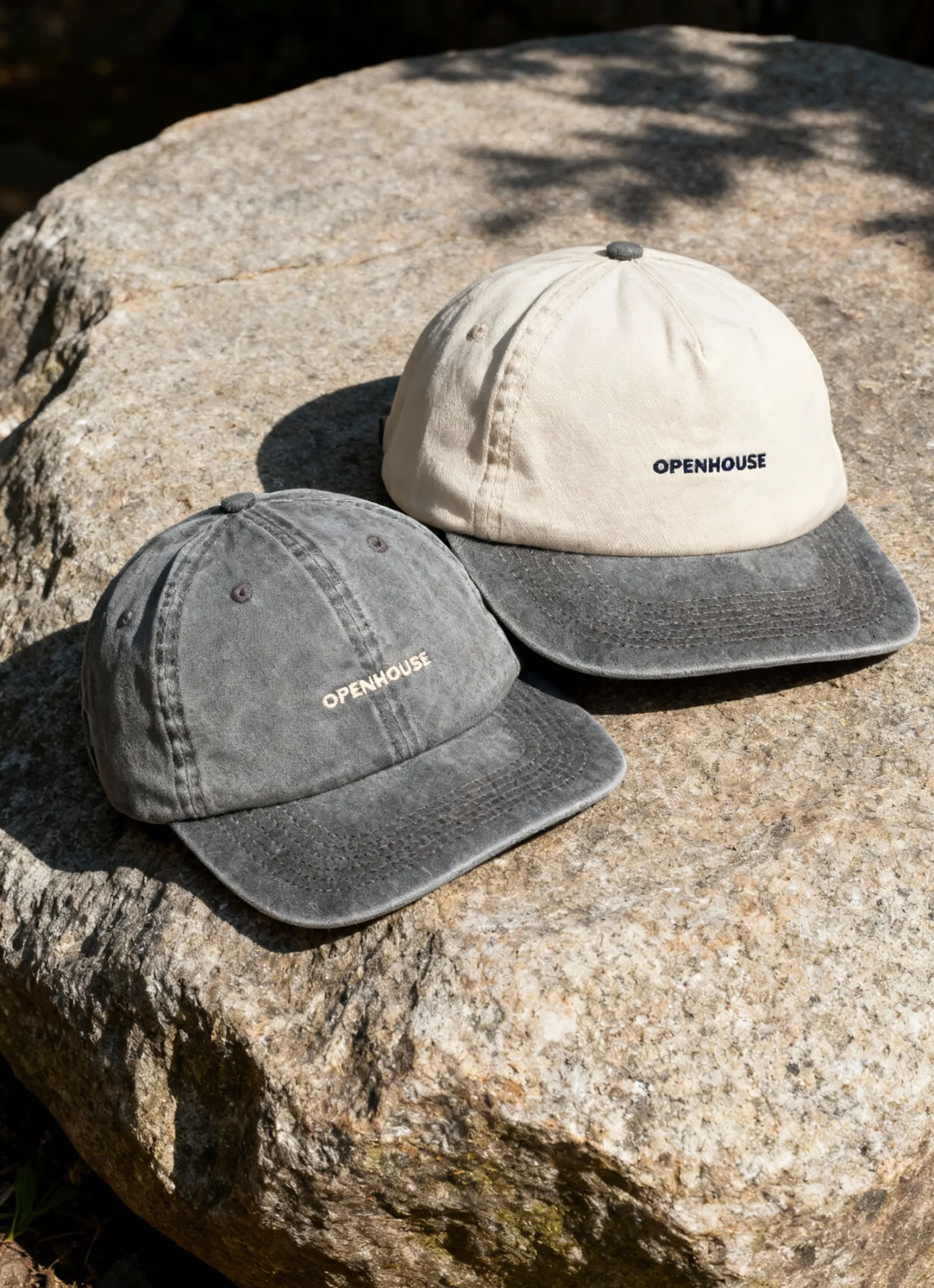


The field of product imagery has fundamentally shifted in 2026, with artificial intelligence reshaping how brands create, edit, and optimize their visual content.
AI e-commerce photography combines traditional photography expertise with machine learning algorithms to produce consistent, high-quality images at scale. This technology doesn't replace professional photographers but enhances their capabilities, allowing businesses to streamline workflows while maintaining the creative vision that sets their brand apart.
Whether you're shooting hundreds of SKUs monthly or need rapid turnaround times, understanding how AI fits into your photography strategy is essential for staying competitive.
Understanding AI E-Commerce Photography in 2026
AI e-commerce photography encompasses several technologies working together to automate and enhance the product imaging process. At its core, this approach uses machine learning models trained on millions of product images to understand composition, lighting, and post-production requirements.
The technology has matured significantly over the past few years. What once required manual masking and hours of retouching now happens in seconds through AI-powered tools. Background removal, color correction, shadow generation, and even content-aware filling have become automated processes that maintain professional standards.
Key components include:
- Automated background removal that recognizes product edges with precision
- Smart retouching that identifies and corrects imperfections
- Batch processing capabilities for consistent editing across product lines
- Intelligent upscaling that enhances image resolution without quality loss
- Style transfer that applies a consistent look and feel across catalogs
The real power emerges when these tools integrate with existing photography workflows. Professional studios now capture images with AI post-processing in mind, optimizing their shooting setups to maximize automation benefits. This partnership between human creativity and machine efficiency defines modern product photography.
The Technology Behind AI Photography Tools
Machine learning models that power AI e-commerce photography rely on neural networks trained through supervised learning. These networks analyze thousands of professionally edited product images to understand what constitutes quality output. The training data includes various product categories, lighting conditions, and styling approaches.
Computer Vision Fundamentals
Computer vision enables AI systems to "see" and interpret images as humans do. For product photography, this means identifying:
- Product boundaries - distinguishing the item from background elements
- Material properties - recognizing fabric, metal, glass, or plastic surfaces
- Lighting characteristics - understanding highlights, shadows, and reflections
- Quality issues - detecting dust, scratches, or color inconsistencies
Modern AI tools use convolutional neural networks (CNNs) that excel at image recognition tasks. These networks process images through multiple layers, each extracting increasingly complex features. Early layers detect edges and textures, while deeper layers recognize complete objects and scenes.
Generative AI Capabilities
The latest advancement involves generative models that create entirely new content. These systems can generate realistic shadows, add environmental reflections to products, or even create lifestyle context around studio-shot items. The applications extend beyond simple editing into creative territory.
.jpg)
Understanding product photo retouching helps contextualize how AI enhances traditional techniques rather than replacing them entirely.
Practical Applications for E-Commerce Brands
Implementing AI in e-commerce photography requires aligning technology with business needs. Different product categories and brand requirements call for specific approaches.
Background Replacement and Enhancement
Clean white backgrounds remain the e-commerce standard, particularly for marketplace listings. AI tools now handle this task with remarkable accuracy, even on challenging products like jewelry with intricate details or glass items with complex reflections.
Beyond simple removal, advanced systems generate appropriate shadows and reflections that make products appear naturally lit. This creates depth and dimension that pure cutouts lack. The technology considers light direction, surface properties, and product geometry to render realistic effects.
Brands selling on multiple platforms benefit from:
- Automatic adaptation to platform-specific requirements
- Consistent background treatment across thousands of SKUs
- Rapid reformatting for different aspect ratios
- Compliance with Amazon product image requirements
Smart Retouching at Scale
Professional retouching typically represents 30-40% of total photography costs. AI dramatically reduces this expense while maintaining quality standards. The technology identifies common issues such as dust spots, fabric pills, or surface scratches and applies appropriate corrections.
For apparel specifically, AI handles wrinkle reduction, color uniformity across sizes, and fit adjustments. The benefits of retouching in e-commerce photography extend beyond aesthetics to building customer trust through accurate product representation.
Image Optimization and Formatting
Loading speed directly impacts conversion rates, making image optimization critical for e-commerce success. AI-powered compression algorithms analyze each image to determine optimal file sizes without visible quality degradation.
These systems automatically:
- Select appropriate file formats (JPEG, PNG, WebP)
- Compress images based on content complexity
- Generate responsive versions for different devices
- Add metadata and alt text for SEO
The process ensures that detailed product shots maintain clarity while thumbnail images prioritize speed. This intelligent approach balances visual quality with performance requirements across your entire catalog.
Choosing the Right AI Photography Solution
The market offers numerous AI photography tools, from standalone applications to integrated platform solutions. Selecting the right option depends on volume, budget, and quality expectations.
Standalone Software vs. Integrated Platforms
Standalone tools like Adobe's AI features or specialized apps provide powerful capabilities but require manual workflow integration. You shoot images, export them, process them through AI software, and then upload them to your e-commerce platform.
Integrated solutions connect directly with your product management system, automating the entire pipeline from capture to publication. These platforms often include asset management, brand guidelines enforcement, and multi-channel distribution capabilities.
.jpg)
Quality Considerations
Not all AI tools produce professional-grade results. Testing prospective solutions with your actual products reveals limitations that generic demos might hide.
Evaluate based on:
- Edge detection accuracy on your product types
- Color fidelity across different materials
- Shadow and reflection realism
- Consistency across batches
- Handling of complex scenarios (transparent items, fine details)
Many businesses adopt a hybrid approach, using AI for bulk processing while routing challenging products to professional retouchers. This balances efficiency with quality assurance.
Implementing AI in Your Photography Workflow
Successfully integrating ai e-commerce photography requires strategic planning rather than simply adopting new tools. The transition affects multiple stakeholders, from photographers to marketing teams.
Workflow Optimization
Begin by mapping your current photography process from product arrival to final image publication. Identify bottlenecks where AI could deliver immediate impact. Common high-value targets include background removal, basic retouching, and image resizing.
A typical optimized workflow follows this sequence:
- Capture - Professional photography following consistent standards
- Initial Processing - AI-powered background removal and basic corrections
- Quality Review - Human verification of AI output
- Advanced Retouching - Manual intervention for hero images or complex products
- Optimization - AI-driven compression and formatting
- Distribution - Automated publishing to sales channels
This structure preserves creative control while maximizing automation benefits. The essential guide to product photography workflow provides an additional framework for structuring efficient processes.
Team Training and Adaptation
Photographers need to understand how their capture techniques affect AI processing outcomes. Consistent lighting, proper exposure, and clean staging produce better automated results than inconsistent inputs.
Training should cover:
- Shooting for AI post-processing
- Quality review protocols
- When to override AI suggestions
- Managing edge cases manually
Marketing teams benefit from understanding AI capabilities and limitations. This knowledge improves brief writing and sets realistic expectations for turnaround times and creative possibilities.
Cost-Benefit Analysis
While AI reduces per-image costs, implementation requires upfront investment in software, training, and workflow redesign. Calculate potential savings across your typical monthly volume.
Consider these factors:
- Current retouching costs per image
- Time spent on manual editing tasks
- Opportunity cost of delayed product launches
- Quality consistency improvements
- Scalability for future growth
Most businesses see ROI within 3-6 months when processing more than 100 images per month. Smaller volumes might justify adopting AI for speed rather than for cost savings alone.
Creative Applications Beyond Basic Editing
Advanced AI e-commerce photography extends beyond automation, into creative territory that previously required significant manual effort. These applications help brands differentiate their visual presentation.
Lifestyle Image Generation
Some AI platforms now generate lifestyle contexts around product-only images. By analyzing the product category and brand aesthetics, these tools place items in appropriate environments — kitchen products on countertops, clothing in relevant settings, electronics in modern workspaces.
While generated scenes don’t replace professional lifestyle photography for hero images, they provide cost-effective secondary visuals for category pages, ads, or social media. The technology also makes it possible to quickly produce multiple variations and test different visual contexts.
At Squareshot, we’ve begun integrating these capabilities into our workflow through AI services, allowing brands to transform existing product images into scalable campaign visuals without organizing a new shoot.


Seasonal and Trend Adaptations
AI enables rapid visual updates aligned with seasons, holidays, or trending aesthetics. Background colors, styling elements, and compositional treatments can vary across your catalog without requiring you to reshoot every product.
This flexibility supports marketing campaigns requiring consistent visual themes. Products photographed months ago receive fresh presentation aligned with current promotions. The approach extends the longevity of product photography while maintaining visual relevance.
Virtual Model Photography
For apparel brands, AI-generated models present an alternative to traditional model shoots for catalog updates. The technology maps clothing onto virtual figures with various body types, poses, and demographics.
Current limitations include accuracy in fabric drape and sizing representation, making this approach supplementary rather than a replacement for professional model photography. However, rapid improvements suggest broader adoption ahead. Understanding how to photograph clothes for sale remains crucial even when using AI augmentation.
Quality Control and Brand Consistency
Automation introduces risks alongside benefits. Without proper oversight, AI-processed images might drift from brand standards or introduce subtle quality issues that accumulate across large catalogs.
Establishing Visual Guidelines
Document your brand's visual standards in formats AI systems can reference. This includes color palettes, shadow styles, composition rules, and acceptable retouching levels. Some advanced platforms learn from your approved images to automatically maintain consistency.
Create guidelines covering:
- Background specifications (pure white, lifestyle contexts)
- Lighting characteristics (soft, dramatic, natural)
- Color accuracy requirements
- Acceptable retouching interventions
- Image dimension standards for each platform
These guidelines serve both human photographers and AI systems, ensuring alignment regardless of processing method.
Human Review Checkpoints
Strategic quality checks prevent AI errors from reaching customers. Rather than reviewing every image, implement sampling protocols that verify AI performance across product categories.
High-value or complex products warrant individual review. Standard items photographed in controlled conditions might only need periodic batch sampling. This risk-based approach balances quality assurance with efficiency gains.
Future Trends in AI Product Photography
Technology continues to evolve rapidly, with several developments likely to impact e-commerce photography in the coming years. Understanding these trends helps businesses prepare for shifting capabilities and customer expectations.
Real-Time AI Processing
Camera manufacturers are incorporating AI processors directly into professional equipment. This enables real-time feedback about exposure, composition, and even preliminary background removal while shooting. Photographers see AI-processed previews immediately, reducing reshoots and accelerating workflows.
Enhanced Personalization
AI will increasingly generate personalized product images based on individual customer preferences. The same product might appear in different contexts, colors, or styles based on browsing behavior and demographic data. This one-to-one visualization enhances relevance while maintaining automated efficiency.
3D Model Generation
Converting 2D product photography into manipulable 3D models represents the next frontier. Customers could view products from any angle, zoom into details, or visualize items in their own spaces through augmented reality. AI bridges the gap between traditional photography and these interactive experiences.
Sustainability Considerations
Digital-first approaches reduce waste associated with physical sample shipping, multiple reshoot rounds, and extensive post-production resources. As sustainability becomes a competitive differentiator, AI's efficiency gains align with environmental objectives. Brands can highlight reduced carbon footprints from optimized photography workflows.
Integration with E-Commerce Platforms
Modern AI e-commerce photography solutions connect directly with major platforms, automating image distribution and ensuring compliance with platform-specific requirements. This integration eliminates manual uploads and reformatting across channels.
Platform-Specific Optimization
Each marketplace and e-commerce platform maintains unique image specifications. Shopify, Amazon, eBay, and others have different requirements for dimensions, file sizes, and background treatments. AI systems automatically generate compliant versions from master images.
This multi-channel capability proves especially valuable for brands selling across numerous platforms. A single photography session produces appropriately formatted assets for all distribution channels simultaneously. Understanding product image optimization for e-commerce ensures maximum impact from these automated workflows.
Dynamic Content Updates
When products receive new variations (colors, sizes, package designs), AI can propagate changes across existing images without complete reshoots. Background, lighting, and styling remain consistent while product details update automatically.
This capability significantly reduces the cost and time associated with catalog maintenance. Product line extensions that once required full photography sessions now need only master image updates processed through AI systems.
Measuring Success and ROI
Implementing AI in e-commerce photography should deliver measurable improvements across operational and commercial metrics. Tracking these indicators validates technology investments and guides ongoing optimization.
Operational Metrics
Monitor efficiency gains through concrete workflow measurements:
- Time per image - from capture to publication
- Retouching hours - total manual editing time required
- Quality rejection rate - percentage requiring rework
- Catalog update speed - days from product arrival to live listing
- Cost per image - fully loaded, including labor and technology
Comparing these metrics before and after AI implementation quantifies operational impact. Most businesses see 40-60% reductions in processing time and 30-50% cost decreases at scale.
Commercial Impact
Ultimately, improved product imagery should drive business results:
- Conversion rate changes after image quality improvements
- Return rates influenced by accurate product representation
- Customer engagement measured through image interactions
- Cross-sell effectiveness from better visual merchandising
These results vary with implementation quality and starting conditions, but they establish reasonable expectations for performance improvement.
Best Practices for Maximum Impact
Success with AI e-commerce photography requires thoughtful implementation rather than simply activating new software. These practices help businesses realize the full potential of AI investments.
Maintain photography quality standards - AI enhances good photography but can't rescue poor capture. Continue investing in proper lighting, composition, and staging. Resources like staging product photos effectively remain relevant even with advanced post-processing.
Start with high-volume, standardized products - Initial AI deployment should target product categories with consistent photography requirements. Apparel basics, packaged goods, and simple accessories deliver quick wins that build confidence before tackling complex items.
Preserve human creativity for hero content - Automate catalog photography while maintaining manual control over homepage features, campaign imagery, and brand storytelling content. This balanced approach optimizes efficiency without sacrificing creative excellence.
Test continuously - Run A/B tests comparing AI-processed images against traditional methods. Measure customer response rather than assuming AI superiority. Some product categories or customer segments might respond better to specific approaches.
Document your processes - Create standard operating procedures that specify when AI handles tasks automatically versus requiring human review. Clear protocols prevent quality issues and ensure consistent output as teams scale.
AI e-commerce photography represents a powerful evolution in product imaging, combining automated efficiency with professional-quality standards. The technology enables businesses to scale their visual content production while maintaining the creative vision that differentiates their brand.
Whether you're managing hundreds of SKUs or launching new products weekly, Squareshot delivers professional photography services enhanced by modern workflows that ensure timely delivery without compromising quality.
Product A
SQUARE SHOT
%201.jpg)