

E-commerce is more competitive than ever in 2026, and image quality can make or break a sale. With so many options online, shoppers are quick to judge a product by its visuals.
Did you know that 75% of online shoppers rely on product photos to decide what to buy? The right images not only attract attention but also build trust and reduce returns.
This article reveals the top 7 e-commerce image types that have been proven to boost sales and minimize returns. Get ready to discover essential image types, their unique advantages, and practical strategies you can use to increase your conversions now.
The Power of Visual Content in E-Commerce
First impressions count, especially in e-commerce, where shoppers cannot touch or try products. The right types of e-commerce images instantly communicate value, style, and trustworthiness, shaping how buyers feel about your brand.
Want to know what makes some stores stand out while others get lost in the crowd? It all starts with the images you choose.
Why Images Are Critical for Online Sales
Visuals are your digital storefront, making them essential for capturing attention and building buyer confidence. Around 68% of brands report that high-quality visuals help reduce cart abandonment and hesitation.
Did you know that 22% of returns are due to the product not matching the photo? That is why it is so important to use accurate and professional photos. On platforms like Etsy, shoppers say images influence 90% of their purchase decisions. If you want to learn more about why different image types matter, check out this guide on the importance of product photography.
How Image Types Evolve with Technology
The types of e-commerce images available are rapidly evolving thanks to technology. We have moved from simple product shots to immersive 3D and interactive images. Now, shoppers can zoom in, spin products 360 degrees, or even use AR to see how items look in their space.
Brands adopting these advanced visuals report increased engagement and lower return rates. As mobile-first shopping grows, images must adapt to different screens and load quickly. E-commerce platforms are also rolling out new features to support interactive and 3D images, making it easier than ever for brands to stand out.
Data-Driven Impact on Sales and Returns
Data shows 75% of shoppers rely on images when making purchase decisions, so the types of e-commerce images you use have a measurable impact on conversions. High-quality, accurate images lower return rates, while interactive features like 360-degree views boost user confidence.
Retailers using 3D or AR imagery see a 15–30% lift in sales and fewer product-related questions. Zoomable and detailed images also increase time-on-page, meaning customers spend more time considering your products. The numbers prove that investing in advanced images pays off.
Key Trends Shaping E-Commerce Imagery in 2026
In 2026, the types of e-commerce images dominating the market include 3D modeling, AR, and virtual try-on. Consumers now expect hyper-realistic, interactive visuals that provide transparency and context. Lifestyle and in-context photos are also on the rise, helping shoppers imagine products in their own lives.
Platforms are integrating more visual features, letting brands create unique shopping experiences. Staying ahead means using innovative image types and constantly updating your strategy to match what buyers want. The future favors brands willing to experiment and adapt.
Top 7 Types of E-Commerce Images to Boost Sales in 2026
With e-commerce evolving at lightning speed, the right types of e-commerce images can make or break your online store’s success. In 2026, shoppers expect more than just a quick snapshot. Each image type serves a unique purpose, helping you build trust, drive conversions, and reduce returns. Let’s dive into the seven essential types of e-commerce images you need to stay ahead.
1. Product-Only Images (Studio/White Background)
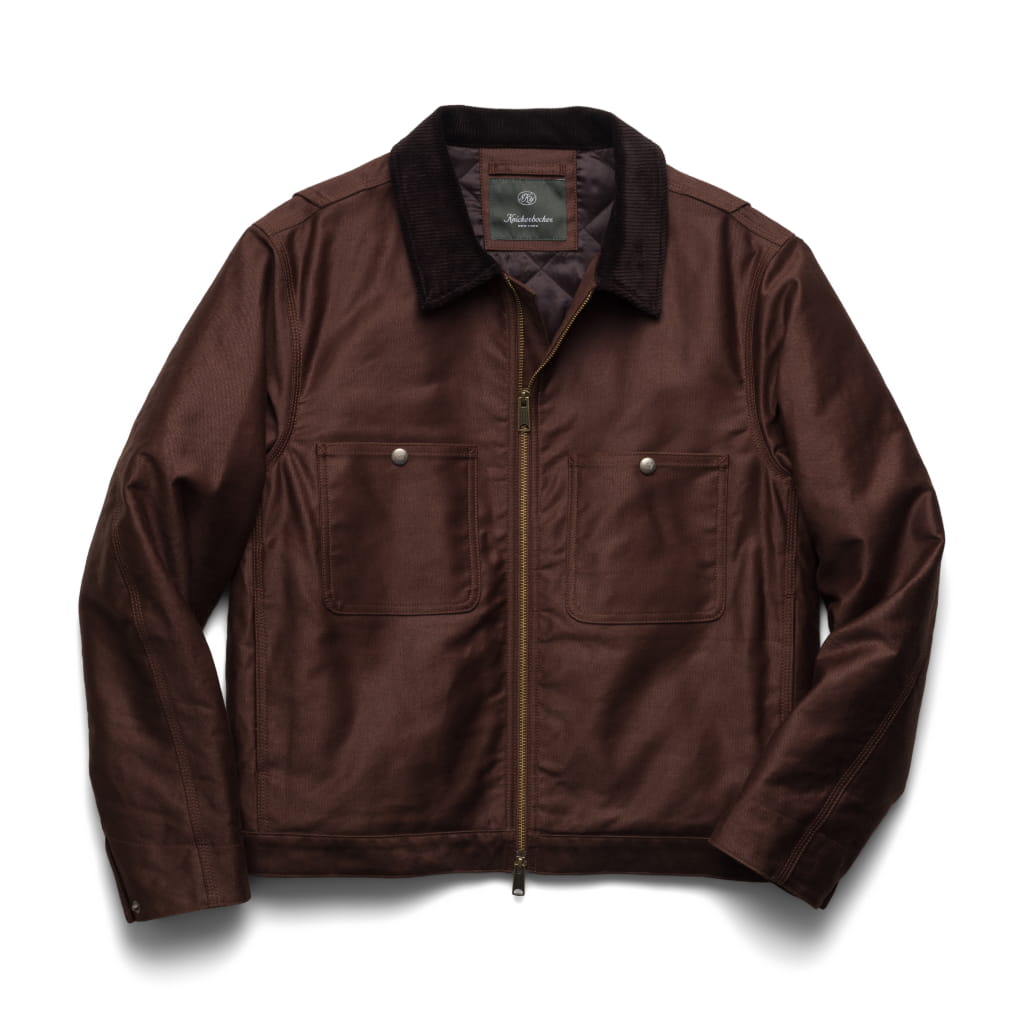
Product-only images are the backbone of any successful e-commerce catalog. These clean, distraction-free shots focus solely on the item, typically against a white or neutral background. This type of image is crucial for platforms like Amazon and Shopify, where clarity and consistency drive buyer confidence.
Why are these types of e-commerce images so effective? For starters, they eliminate visual noise so shoppers can quickly evaluate the product. This is especially important when customers compare similar items. Multiple angles (front, back, side, close-ups) provide comprehensive views, reducing uncertainty and boosting trust.


Best practices for product-only images:
- Use consistent, even lighting for accurate color representation.
- Minimize shadows and reflections.
- Maintain sharp focus and high resolution for every shot.
- Present the product at various angles, including detail shots (close-ups)
For large catalogs, consider 3D renders to ensure uniformity across hundreds of SKUs. Consistency is key — learn more in this product photography consistency guide.
By prioritizing this type of image, you create a professional, trustworthy storefront that sets the stage for the other types of e-commerce images.
2. Lifestyle Images (In-Context/Product-in-Use)
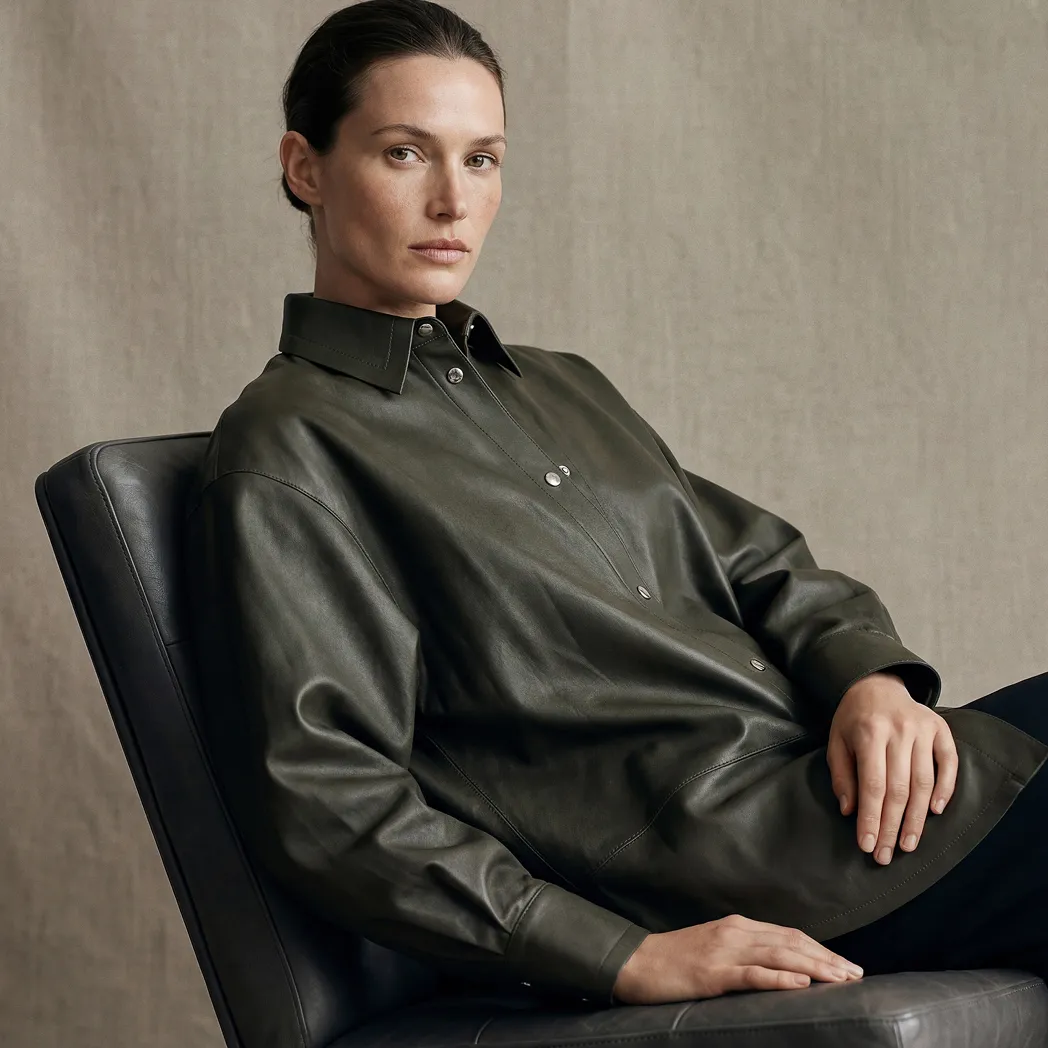
Lifestyle images take your products out of the studio and into real-life scenarios. These types of e-commerce images show items in use or styled within relevant environments, helping customers visualize how the product fits into their own lives.
Imagine a sofa staged in a cozy living room or a jacket worn by someone exploring the city. These images build an emotional connection, making shoppers feel like owners. They also clarify scale and context, answering the “Will this work for me?” question.
Data backs up their power — lifestyle images can boost conversion rates by 20 to 30 percent. They increase perceived value and inspire customers, especially for fashion, home goods, and tech accessories.
Tips for creating impactful lifestyle images:
- Use models or props that reflect your target audience.
- Select backgrounds that enhance, not distract from, the product.
- Keep the scene authentic to your brand’s story.
A blend of lifestyle and product-only images covers both practical and aspirational needs, delivering a complete visual journey for online shoppers. As you plan your image strategy, remember to include lifestyle shots in your mix of types of e-commerce images.
3. 360-Degree Product Views
360-degree product views offer a fully interactive experience. Shoppers can spin and examine products from every angle, bridging the gap between online browsing and in-store exploration. This type of image is a game-changer for categories where product details matter, such as electronics, watches, and footwear.
These types of e-commerce images reduce buyer hesitation by revealing hidden features, intricate craftsmanship, and design elements that static photos can miss. Retailers using 360-degree views report lower return rates, higher engagement, and more confident buyers.
Best practices for 360-degree images:
- Capture smooth, seamless rotations with consistent lighting.
- Use high-resolution images to prevent blurriness at every angle.
- Ensure easy navigation with intuitive controls.
Combining 360-degree views with zoom functionality allows customers to inspect details up close, further increasing trust. As technology and consumer expectations grow, adding this type to your e-commerce images lineup is a smart move.
4. Zoomable Product 3D Images
Zoomable product 3D images let customers get up close and personal with your products. These high-resolution images or 3D renders enable users to zoom in on textures, materials, stitching, and other fine details — just like picking up an item in-store.
This type of e-commerce image is especially valuable for high-ticket items like jewelry, luxury goods, and electronics, where buyers want to scrutinize every feature before committing. Detailed zoom builds confidence and reduces product-related questions and returns.
How to make the most of zoomable images:
- Ensure sharpness and clarity at all zoom levels.
- Highlight key features with annotations or callouts.
- Pair with 360-degree or AR views for a seamless, interactive experience.
By offering zoomable 3D product imagery as part of your e-commerce image types, you cater to detail-oriented shoppers and set your store apart from competitors.
5. Rotatable Product Models (Interactive 3D)
Rotatable product models take engagement to the next level. With these types of e-commerce images, customers can interact with fully 3D models, rotating them horizontally and vertically to examine every angle — even the underside or interior.
This format is perfect for complex products like furniture, gadgets, and bags, where buyers want to understand form, function, and fit. Studies show that interactive 3D models can increase time-on-page by 30 to 50 percent, boosting the likelihood of conversion.
Best practices for rotatable 3D models:
- Optimize file sizes for fast loading on all devices.
- Ensure compatibility with mobile and desktop platforms.
- Allow smooth, intuitive controls for rotation and zoom.
For brands seeking to go beyond standard images, integrating AR with rotatable models enables real-world visualization. Learn more about how 3D models enhance e-commerce sales by increasing customer engagement and conversions.
Including rotatable models in your e-commerce image types is a must for future-proofing your store’s visual strategy.
6. Interactive Product Configurators
Interactive product configurators empower shoppers to personalize products in real time. These types of e-commerce images let users select colors, materials, or components and instantly see the result, increasing engagement and perceived ownership.
Think of custom shoes, modular furniture, or build-your-own electronics. Configurators can boost conversion rates by up to 40 percent, as customers feel more invested in their choices and are less likely to return customized items.
Tips for effective configurators:
- Provide instant, high-quality visual feedback for every option.
- Use 3D models for smooth, realistic updates.
- Integrate AR to let users preview customizations in their space.
If your brand offers customizable products, adding interactive configurators to your e-commerce product images can set you apart and drive higher sales.
7. Virtual Try-On Images and AR Experiences
Virtual try-on images and augmented reality (AR) experiences are revolutionizing online shopping. These types of e-commerce images allow customers to “try on” products digitally, addressing concerns about fit, style, and appearance.
Popular in fashion, eyewear, and cosmetics, AR lets users see glasses on their face or shoes on their feet using a smartphone. This technology increases customer satisfaction and dramatically reduces returns — a major win for any e-commerce business.
Best practices for virtual try-on and AR:
- Use accurate 3D modeling and real-time rendering.
- Ensure a seamless, user-friendly interface.
- Integrate with mobile apps and social platforms for broader reach.
As consumer expectations rise, offering virtual try-on as part of your e-commerce image types will help you stay ahead of the curve and deliver a standout shopping experience.
Optimizing Your E-Commerce Images for Conversion
Optimizing the types of e-commerce images you use can be the difference between a shopper clicking “buy now” or abandoning their cart. With online competition at an all-time high, it is crucial to get every detail right, from technical quality to user experience, compliance, and performance tracking. Let us break down the key strategies for making your images work harder for your business.
Technical Best Practices for Image Quality
When selecting the types of e-commerce images for your store, technical precision is non-negotiable. Use high-resolution files to ensure every detail is visible, even when customers zoom in. Choose file formats like WebP or JPEG 2000 to balance quality and loading speed. Accurate color representation prevents customer disappointment, while consistent sizing across your catalog keeps your site looking professional.
Best PracticeWhy It MattersHigh resolutionPrevents pixelation, sharp visualsColor accuracyMatches real product expectationsFast file formatsReduces page load timeConsistent sizingCreates a unified look
Brands that prioritize high-quality product images in e-commerce report lower bounce rates and greater customer trust. Refine edges and remove backgrounds carefully to avoid distractions. These technical details help your e-commerce image types convert browsers into buyers.
Enhancing User Experience with Interactive Features
Interactive features can take your e-commerce image types to the next level. Integrate zoom functionality so customers can inspect fine details, and add 360° or AR support to offer an immersive, in-store feel. Mobile responsiveness is critical, as more shoppers browse on their phones.
Consider tooltips and simple annotations to highlight product benefits without clutter. For example, interactive images can increase session duration and keep shoppers engaged. However, avoid overwhelming users with too many features at once. Remember, every enhancement should make the customer journey smoother and more enjoyable with your e-commerce image types.
Compliance and Accessibility Considerations
Compliance and accessibility are essential for the types of e-commerce images you display. Always follow platform-specific guidelines, such as Amazon or Shopify image specs. Add descriptive alt text to every image for both SEO and visually impaired users, ensuring your site is ADA-compliant.
Regularly audit your images for broken links or outdated visuals. Using a product style guide for brands helps standardize your approach, making it easier to maintain consistency across all e-commerce image types. Accessible images not only expand your audience but also show your brand cares about every customer.
Measuring Image Performance and A/B Testing
To maximize the impact of your e-commerce image types, track key metrics such as click-through rates, conversions, and return rates. Use heatmaps to see how users interact with images and identify which visuals drive engagement.
A/B test different image types and placements. For example, compare lifestyle images with product-only shots to see what resonates most. Use this data to iterate and refine your strategy. Continuous improvement ensures your e-commerce image types stay effective and relevant as shopper expectations evolve.
Future-Proofing Your E-Commerce Image Strategy for 2026
Staying ahead in e-commerce means preparing for tomorrow’s changes, not just today’s trends. To keep your business competitive, you need a proactive approach to the types of e-commerce images you use. Let’s explore four key strategies to ensure your visuals stay relevant and drive results in 2026.
Embracing Emerging Technologies
The rapid evolution of e-commerce is powered by new tech. To future-proof your store, prioritize adopting innovations like 3D modeling, augmented reality, and AI-driven image optimization. These advancements are transforming the types of e-commerce images that shoppers expect, making experiences more interactive and lifelike.
For example, integrating 3D and AR can boost engagement and reduce returns. Brands that invest in these technologies often see measurable gains, as highlighted in this overview of the Impact of 3D Visualization on Sales. Stay alert to trends like virtual try-on and immersive product views to keep your image strategy fresh.
Building a Scalable Visual Content Workflow
As your product catalog grows, managing a variety of e-commerce image types becomes more complex. Setting up a scalable workflow is essential for efficiency and quality. Start by using Digital Asset Management (DAM) systems to quickly organize and retrieve images.
Automate repetitive editing tasks where possible. Outsourcing can help with bulk image creation, ensuring consistency and speed. A streamlined process means you can launch products faster and keep your visuals up to date, even as trends shift.
Collaborating with Professional Photography Studios
Professional studios bring expertise and consistency to your visual content. When you work with specialists, you ensure your e-commerce image types meet high standards for color accuracy, lighting, and composition. Studios often provide creative direction and advanced retouching that elevate your brand.
To get the most from this partnership, consider exploring Expert tips on product photography lighting. With the right collaborators, you can maintain a premium look across your entire image library, supporting customer trust and satisfaction.
Staying Ahead with Continuous Innovation
The e-commerce landscape never stands still. Regularly update the types of e-commerce images you use by testing new formats and features. Encourage customer feedback to understand what works best. Use A/B testing and analytics to measure impact and refine your visuals.
Brands that foster a culture of experimentation are better positioned to outpace competitors. By staying open to change and actively seeking improvement, your image strategy will remain effective and relevant year after year.
Now that you know which e commerce images can really boost sales and build trust in 2026 you might be thinking about how to put these strategies into action for your own brand. The right visuals don’t just showcase your products they tell your story and set you apart from the competition.
If you’re ready to elevate your online store and want a team that understands what works, we’re here to help.

Product A
SQUARE SHOT