

Selling on Amazon in 2026 means competing with millions of other sellers for customer attention. Your product might be exceptional, but if your listing isn't optimized, potential buyers will never find it.
The difference between a mediocre listing and an optimized one can mean thousands of dollars in monthly revenue. Whether you're launching your first product or refining existing listings, optimizing Amazon product listings is crucial for marketplace success. This guide breaks down the essential strategies, from visual presentation to keyword optimization, that will help your products stand out and convert browsers into buyers.
Understanding Amazon's A10 Algorithm
Amazon's search algorithm determines which products appear when customers search. The A10 algorithm prioritizes listings that convert well and satisfy customer intent. Unlike traditional SEO, Amazon focuses heavily on sales velocity and customer satisfaction metrics.
Key ranking factors include:
- Conversion rate (percentage of visitors who purchase)
- Sales history and velocity
- Customer reviews and ratings
- Relevance of keywords to search queries
- Price competitiveness
- Fulfillment method (FBA vs. FBM)
The algorithm rewards listings that answer customer questions quickly and accurately. When you optimize Amazon product listings effectively, you're essentially helping Amazon's algorithm understand what you're selling and who should see it. This means every element of your listing must work together to communicate value and relevance.
Your images, title, and content need to align with customer search intent. If someone searches for "wireless headphones noise canceling," your listing should immediately demonstrate those features through both visuals and text.
Crafting High-Converting Product Titles
Your product title is the first thing customers see and one of the most weighted ranking factors. Amazon allows up to 200 characters for most categories, but the visible portion varies by device. Front-load your title with the most important information.
Title Structure Formula
An effective title follows this pattern:
Brand + Key Feature + Product Type + Important Attributes + Size/Quantity
For example: "TechSound Wireless Bluetooth Headphones, Noise Canceling Over-Ear, 40-Hour Battery, Black."
Include your primary keyword naturally within the first 80 characters. This ensures visibility on mobile devices where titles get truncated. Avoid keyword stuffing or using all caps, as both violate Amazon's terms of service and create a poor user experience.
Consider these title optimization tips:
- Research competitor titles in your category
- Identify which features customers search for most
- Test different title variations using Amazon's Brand Analytics
- Include measurable specifications (hours, ounces, dimensions)
- Use proper capitalization for readability
The title should answer the question "What exactly am I buying?" at a glance.
Mastering Product Photography for Amazon
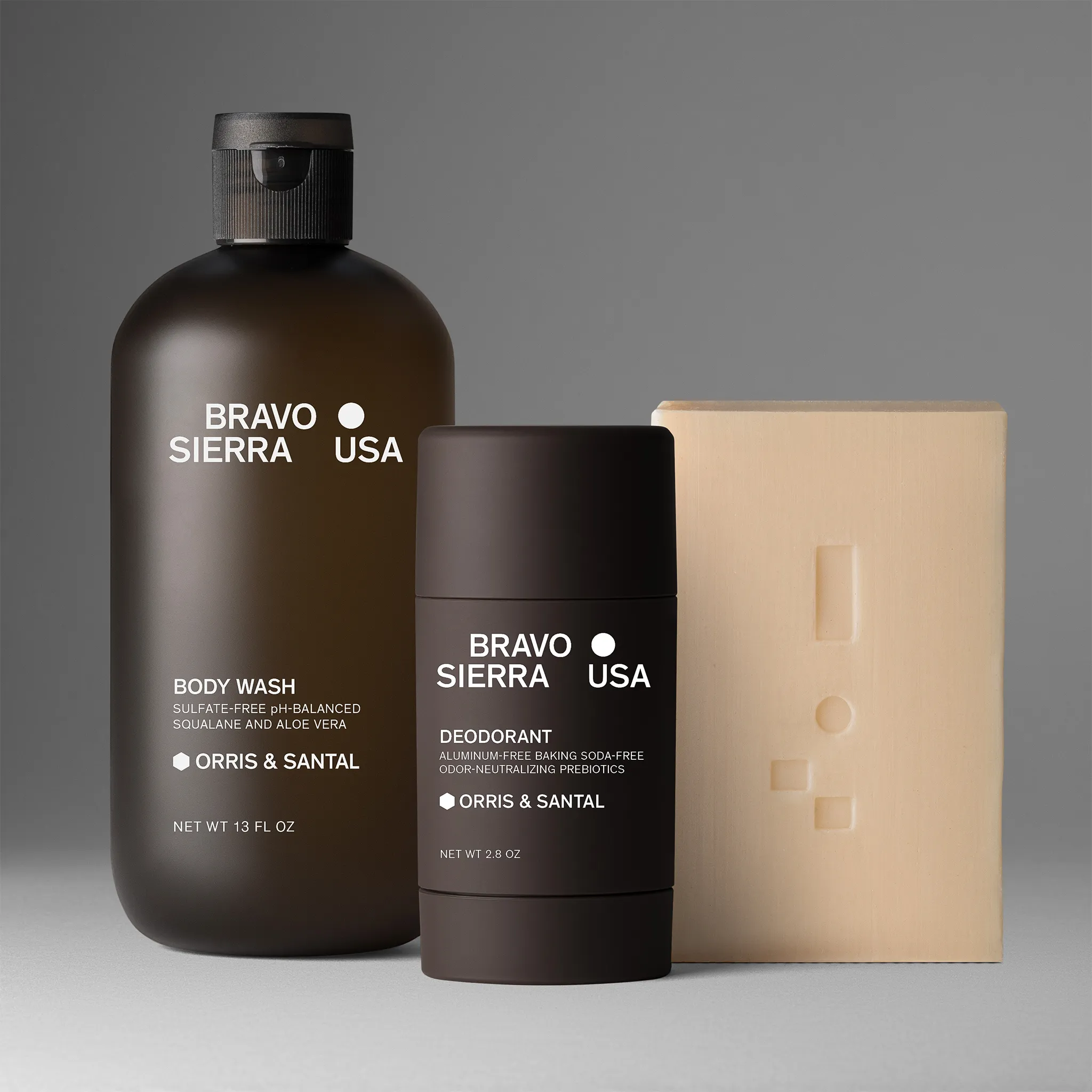
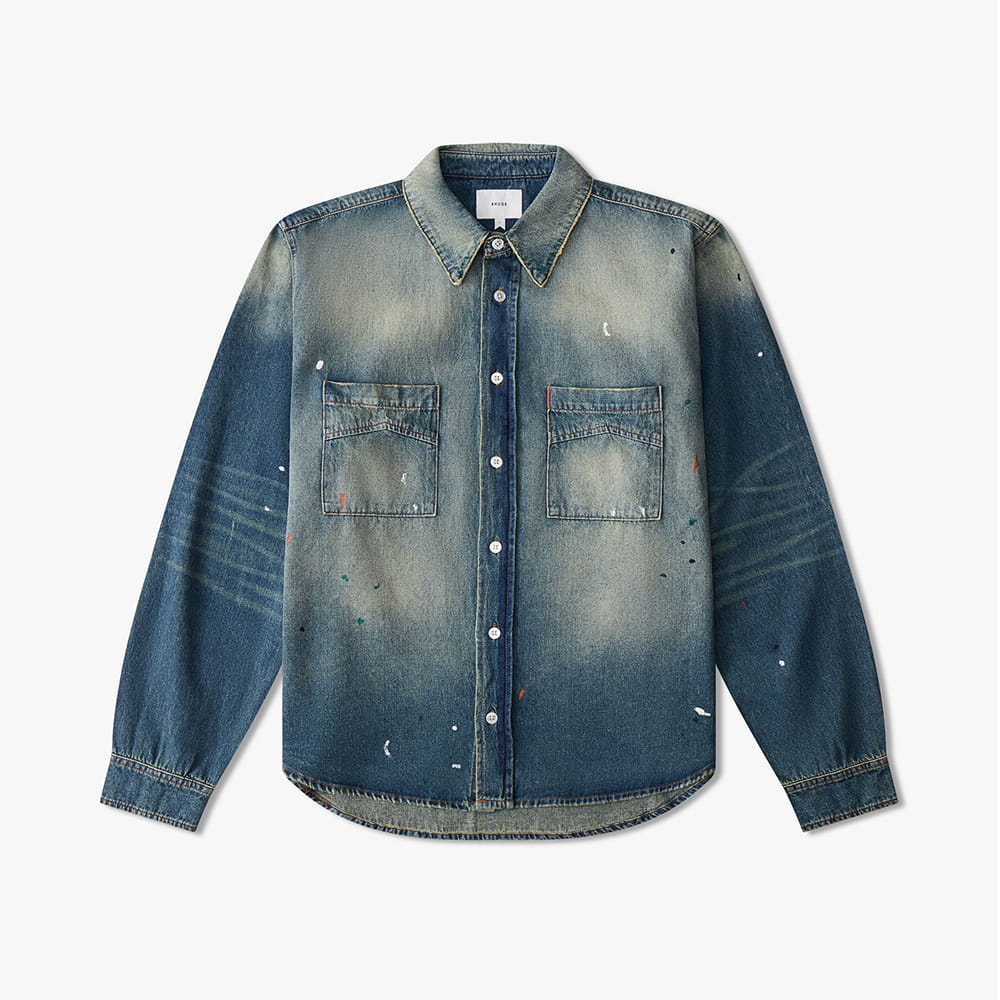
Visual content makes or breaks Amazon listings. Consumers place more importance on product images than on descriptions or reviews. Amazon requires at least one image, but successful sellers use all available slots.
Amazon Image Requirements and Best Practices
.jpg)
Your main image must meet Amazon's strict technical requirements. The product should occupy at least 85% of the frame, use a pure white background for product photography, and be at least 1000 pixels on the longest side to enable zoom functionality.
Beyond the main image, subsequent photos tell your product's story. Use lifestyle images to show the product in real-world scenarios. Detail shots should highlight textures, materials, and unique features that differentiate your product. Professional product image optimization ensures consistency across your entire catalog.
Image optimization checklist:
- Minimum 1600 x 1600 pixels for best zoom
- Under 10MB file size
- JPEG or PNG format
- Color-accurate and well-lit
- Multiple angles showing all features
- Lifestyle context, where appropriate
When optimizing Amazon product listings, remember that images drive initial clicks, while content closes the sale. Professional photography isn't optional anymore; it's the baseline expectation for competitive categories in 2026.
Writing Bullet Points That Convert
Amazon's bullet points appear prominently on mobile and desktop, making them crucial for conversions. You get five bullet points to communicate your product's value proposition. Each bullet can contain up to 500 characters, but brevity and scannability matter more than using every available character.
Effective Bullet Point Strategy
Start each bullet with a capitalized feature or benefit. Follow with specific details and specifications. Focus on answering customer questions before they ask them.
Structure your bullets to cover:
- Primary benefit and main use case
- Key features with technical specifications
- What's included in the package
- Unique selling proposition vs. competitors
- Warranty, guarantee, or customer support
Bad example: "Great headphones with good sound."
Good example: "Superior noise cancelation – Advanced ANC technology blocks up to 95% of ambient noise, perfect for flights, commutes, and focused work sessions in busy environments."
Notice how the good example leads with the benefit, provides a specific measurement, and lists relevant use cases. This approach helps customers quickly determine if the product meets their needs.
According to Amazon listing optimization best practices, bullet points should address common customer concerns and questions. Review competitor listings and customer questions to identify which information buyers most seek.
Optimizing Product Descriptions and A+ Content
The product description sits lower on the page but remains important for conversions and SEO. While many mobile users never scroll this far, desktop shoppers and detail-oriented buyers rely on thorough descriptions.
Your description should expand on bullet points with narrative storytelling. Paint a picture of how the product improves the customer's life. Use this space for detailed specifications, usage instructions, and care information.
Leveraging A+ Content for Brand Registry Sellers
A+ Content (formerly Enhanced Brand Content) allows Brand Registry members to add rich media to their listings. This includes comparison charts, lifestyle images, and formatted text layouts that traditional sellers cannot access.
A+ Content benefits include:
- Up to 15% increase in conversion rates
- Reduced return rates through better expectations
- Improved brand storytelling and differentiation
- Additional keyword opportunities (though not indexed)
- Professional appearance that builds trust
Create A+ Content modules that address specific customer concerns. Use comparison charts to show why your product outperforms competitors. Include lifestyle images that demonstrate real-world applications. The benefits of retouching in e-commerce photography become especially apparent in A+ Content, where visual quality directly impacts perceived value.
%201.jpg)
Conducting Strategic Keyword Research
Keywords are the foundation of discoverability on Amazon. To optimize Amazon product listings, you need to understand the terms customers actually use when searching for products like yours.
Keyword Research Process
Start with Amazon's own search suggestions. Type your product category into the search bar and note the autocomplete suggestions. These represent high-volume search terms that real customers use.
.jpg)
Amazon's Search Query Performance report in Brand Analytics shows exactly which keywords drive impressions and clicks for your products. Focus on terms where you have impressions but low conversion rates; these represent optimization opportunities.
Long-tail keywords often convert better than generic terms. Instead of targeting "water bottle," optimize for "insulated stainless steel water bottle 32 oz." The more specific the search, the higher the purchase intent.
Distribute keywords strategically across your listing:
- Most important keyword in title (first 80 characters)
- Secondary keywords in the remaining title space
- Feature-focused keywords in bullet points
- Long-tail variations in description
- Backend search terms for remaining relevant keywords
Never sacrifice readability for keyword density. Amazon's algorithm in 2026 is sophisticated enough to understand context and semantic relationships. Following eight proven optimization strategies means balancing keyword targeting with genuine customer communication.
Maximizing Backend Search Terms
Backend search terms are hidden keywords that only Amazon's algorithm sees. You get approximately 250 bytes of space to include relevant terms that don't fit naturally into visible content.
Backend Keyword Best Practices
Use all available space efficiently. Don't repeat keywords that already appear in your title, bullets, or description. Amazon indexes each unique term only once, so repetition wastes valuable space.
What to include in backend search terms:
- Alternate spellings and common misspellings
- Abbreviations and acronyms
- Synonyms and related terms
- Foreign language equivalents (if selling internationally)
- Seasonal or occasion-based keywords
Avoid using competitor brand names, which violates Amazon's policies. Skip punctuation and focus on space-separated words. Don't use subjective terms like "best" or "amazing" as customers don't search for these qualifiers.
Format backend keywords as space-separated words without commas. For example: "bluetooth wireless cordless headset earphones headphone audio music"
Optimizing Product Categories and Attributes
Accurate categorization helps Amazon show your product to the right shoppers. Choose the most specific category that fits your product. Being in the wrong category can seriously limit visibility.
Beyond the main category, fill out all relevant item attributes in Seller Central. These include:
- Size, color, material, and style variations
- Target gender or age, group
- Specific product dimensions and weight
- Brand and manufacturer information
- Special features and certifications
Complete product data helps you appear in filtered search results. When a customer filters for "leather" material or "waterproof" features, your product only shows if you've specified these attributes.
Many sellers leave attribute fields blank, missing out on qualified traffic. Take the extra time to complete every applicable field. This attention to detail helps you optimize Amazon product listings more thoroughly than competitors.
Pricing Strategy and Competitiveness
Price significantly influences both Amazon's algorithm and customer purchasing decisions. While you don't need to be the cheapest option, your price must be justified by value.
Dynamic Pricing Considerations
Research competitor pricing in your category. Position yourself based on your unique value proposition. Premium pricing works when supported by superior images, detailed descriptions, and strong reviews.
Consider using Amazon's Automate Pricing tool to stay competitive while maintaining margins. However, don't enter a race to the bottom. Focus on communicating value through your listing optimization rather than competing solely on price.
The complete guide to product photo retouching explains how high-quality visuals justify premium pricing by elevating perceived product value.
Building and Leveraging Customer Reviews
Reviews are social proof that directly impacts conversion rates and search rankings. Products with more positive reviews rank higher and convert better than those with few or mixed reviews.
Strategies for Generating Reviews
Amazon's policies prohibit incentivized reviews, but you can encourage organic feedback through excellent customer service and follow-up.
Review generation tactics:
- Enroll in Amazon's Vine program for new products
- Use Amazon's Request a Review button
- Include product inserts with helpful tips (no review requests)
- Respond professionally to negative reviews
- Ensure product quality matches expectations
Review velocity matters as much as total review count. A product with 50 recent reviews may outrank one with 200 old reviews. Consistent sales generate consistent reviews, creating a positive feedback loop.
Address negative reviews by improving your listing. If multiple customers mention the same issue, update your images or description to set accurate expectations. Understanding how to minimize return rates through better product representation prevents negative reviews before they happen.
Technical Optimization and File Management
Technical elements like image file sizes and formats impact page load speed, which affects both user experience and conversion rates. Amazon's product image dimension requirements specify minimum sizes, but optimization goes beyond meeting basic requirements.
Image File Optimization
Compress images without sacrificing quality. Large file sizes slow page loading, especially on mobile devices. Aim for:
- Main images under 500KB
- Secondary images under 300KB
- Infographics under 400KB (due to text detail)
Use appropriate file formats. JPEG works best for most product photos. PNG is required for images with transparency, but Amazon's main image already has a white background.
Test your listings on multiple devices. What looks perfect on a desktop might appear differently on mobile. Since most Amazon shopping happens on mobile devices in 2026, mobile optimization is non-negotiable.
Monitoring Performance and Iterating
Optimization isn't a one-time task. Successful Amazon sellers continuously monitor performance and test improvements. Use Amazon's Brand Analytics and Business Reports to track key metrics.
Essential metrics to monitor:
- Conversion rate by traffic source
- Click-through rate from search
- Sessions and page views
- Unit session percentage
- Return rate by product
When conversion rates drop, review recent changes to your listing or increased competitor activity. A/B test different main images, titles, or bullet point structures using Amazon's Manage Your Experiments tool, available to Brand Registry sellers.
Seasonal adjustments matter too. Update your primary image and keywords to reflect seasonal use cases. For example, highlight portability features during the summer travel season and durability during back-to-school periods.
The insights from e-commerce image standards apply directly to Amazon listings, where consistent, high-quality imagery across your catalog builds brand recognition and trust.
Advanced Optimization Techniques for 2026
As Amazon's marketplace becomes more competitive, advanced strategies separate top sellers from the rest. Video content now appears in search results and significantly boosts engagement.
Video Content Integration
Upload product demonstration videos showing your item in use. Videos increase conversion rates by helping customers visualize ownership and reducing uncertainty about product functionality.
Create videos that:
- Demonstrate key features in action
- Show scale and size compared to common objects
- Highlight unique selling points visually
- Address common customer questions
- Stay under 60 seconds for maximum engagement
Amazon's algorithm increasingly favors listings with complete, rich content. Sellers who optimize Amazon product listings with video, A+ Content, comprehensive images, and detailed text consistently outperform those who don't.
Geographic targeting matters more in 2026. If your product has regional appeal or seasonal variations by location, optimize for those specific markets. Amazon's advertising platform allows location-based campaigns that complement organic optimization.
Compliance and Policy Considerations
Amazon regularly updates its listing requirements and policies. Non-compliance can result in suppressed listings or account suspension. Stay current with:
- Category-specific requirements
- Restricted product guidelines
- Image policy updates
- Keyword restrictions (prohibited terms)
- Claims and certification requirements
Avoid common compliance mistakes, such as using competitor names in listings, making unsubstantiated health claims, or using prohibited terms like "Amazon's Choice" in your content. According to hidden optimization strategies, following Amazon's guidelines precisely while maximizing allowed optimization opportunities creates a competitive advantage.
Never use customer review content in your images or A+ Content. Don't reference Amazon in your listing copy. These violations can trigger immediate suppression even for previously successful listings.
When working with professional photography services, ensure deliverables meet Amazon's technical specifications. The e-commerce product photography workflow should include Amazon-specific requirements from the start to avoid costly reshoots or delays in reformatting.
Optimizing your Amazon product listings requires attention to detail across multiple elements, from keyword research and compelling copy to professional photography and strategic pricing. When these components work together, they create listings that not only rank well but convert browsers into buyers.
If your current product images aren't driving the conversions you need, Squareshot delivers the professional photography, retouching, and fast turnaround times that make Amazon listings stand out. With expertise across catalog shoots, creative styling, and model photography, Squareshot helps brands present their products with the visual quality that today's competitive marketplace demands.



Product A
SQUARE SHOT