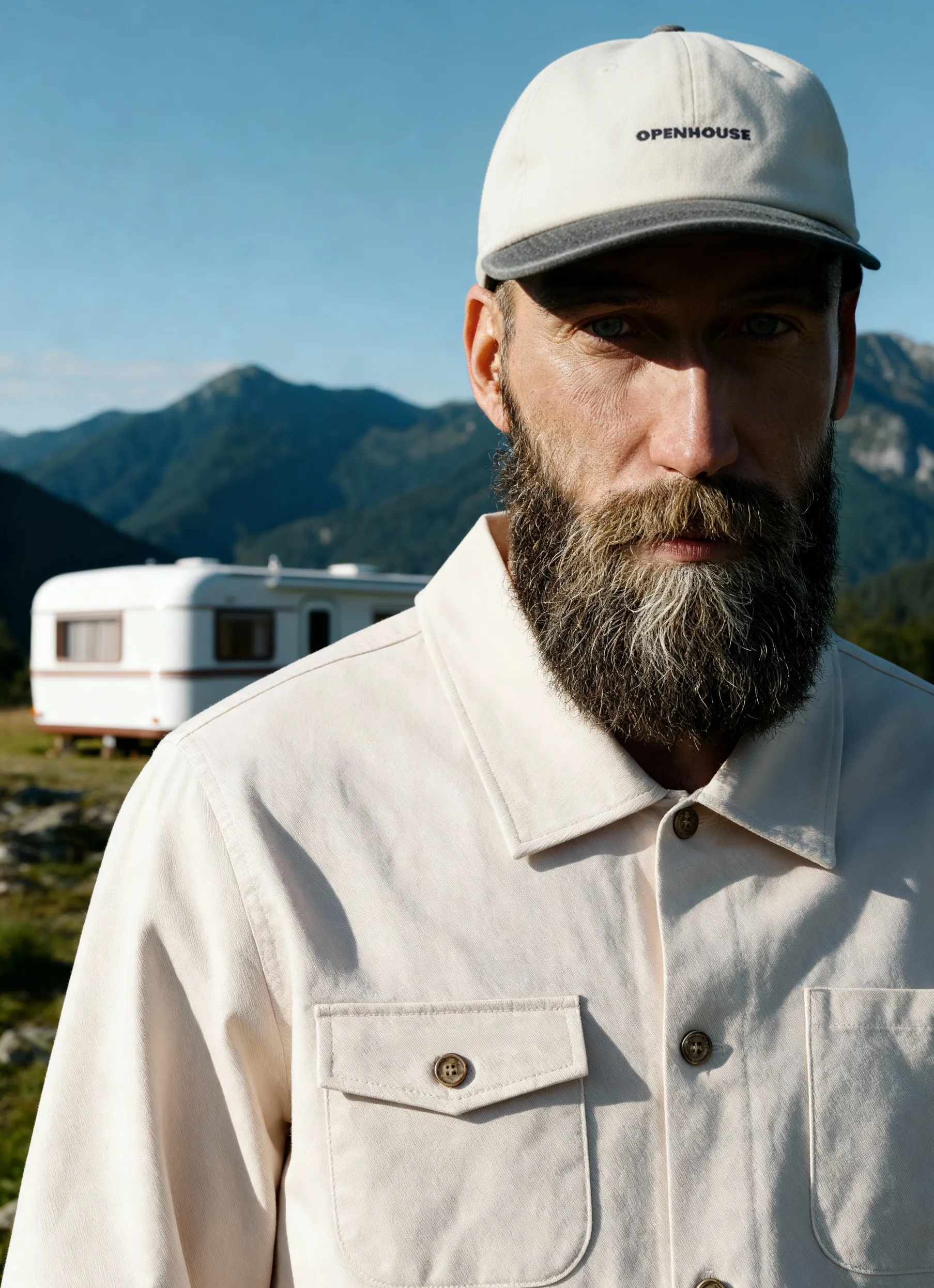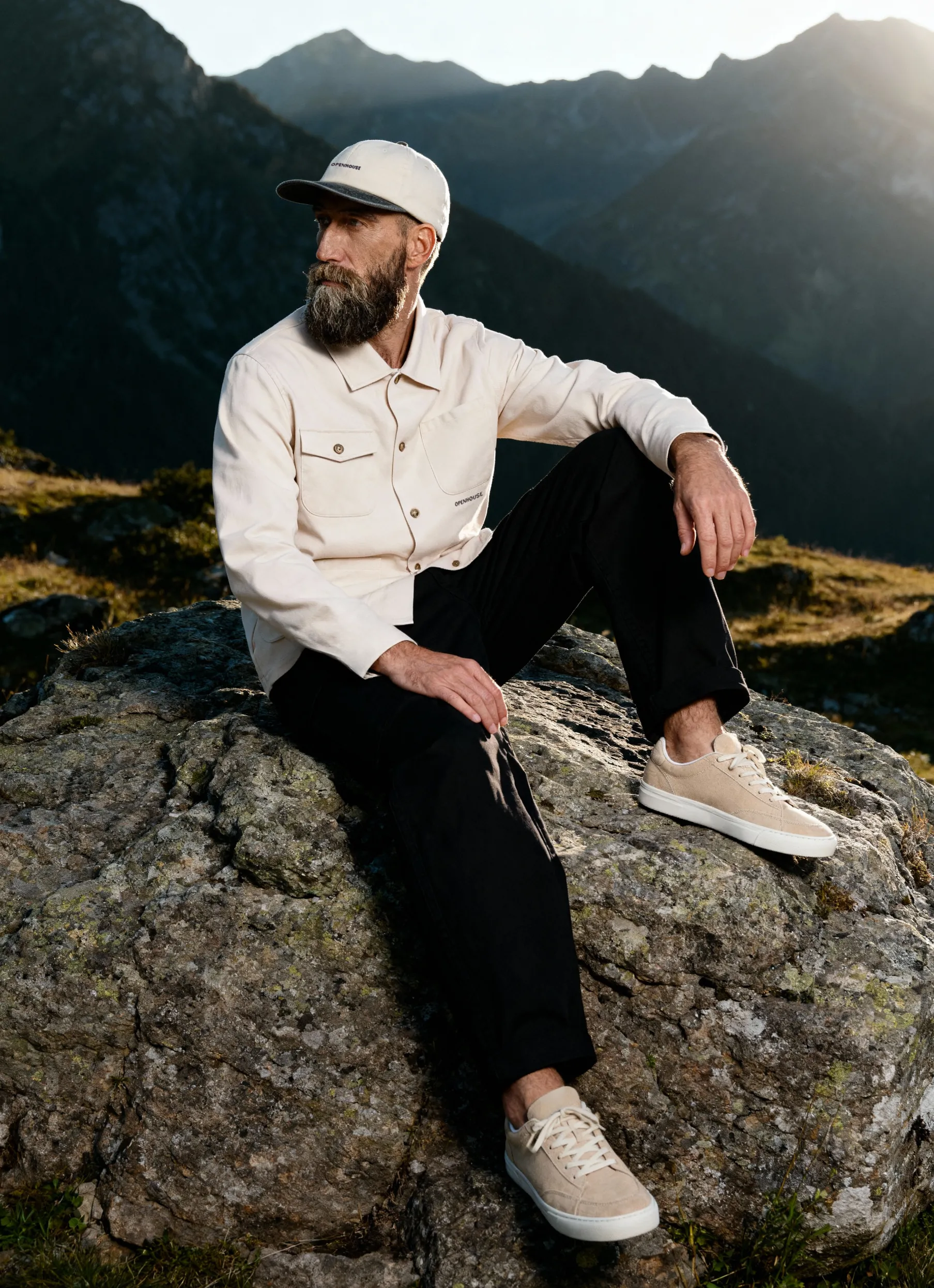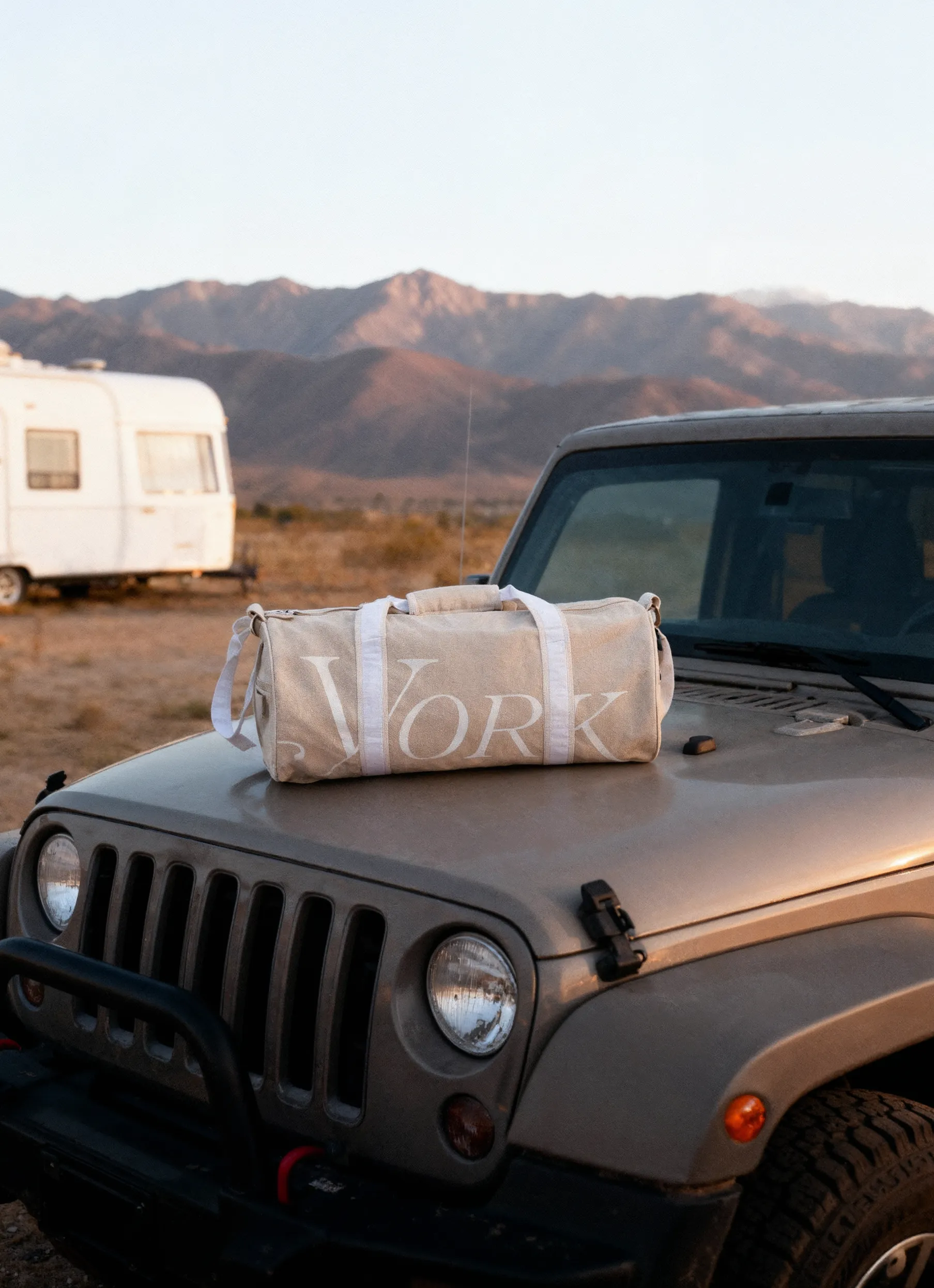


In 2026, the power of merchandise photography cannot be ignored. The right images do more than just show products; they inspire trust and drive sales in a crowded e-commerce world.
Are you struggling to capture the attention your brand deserves? You are not alone. Many businesses find it tough to stand out with ordinary photos.
This article reveals seven must-know tips to help you master merchandise photography. Get ready to discover insider advice on lighting, composition, equipment, product styling, and photo editing, all tailored for today’s competitive market.
Want higher sales and a stronger brand? Let’s dive in and transform your product images.
Why Merchandise Photography Matters in 2026
Online shopping has transformed the way we buy, and merchandise photography is now at the heart of every successful e-commerce strategy. As we step into 2026, eye-catching images are no longer just a nice-to-have; they are essential for building trust, boosting sales, and standing out in a crowded digital marketplace.
The Evolving Role of Product Imagery
The surge in online shopping has made merchandise photography more influential than ever. Today’s consumers rely heavily on visuals to make purchase decisions, with recent industry reports revealing that 75% of shoppers say product photos are their main source of information before buying.
High-quality merchandise photography does more than showcase a product; it tells a story and helps shoppers imagine the item in their own lives. Platforms now support immersive shopping experiences, from augmented reality (AR) try-ons to interactive 360° views, raising the bar for what customers expect.
Visual branding plays a huge role in building trust. Consistent, professional merchandise photography signals reliability and quality, encouraging shoppers to choose your brand over competitors. For example, after a significant upgrade to their product imagery, several leading brands saw measurable increases in both engagement and conversion rates. In fact, studies confirm that high-quality product images boost conversion rates, making clear photography a smart investment.
Mobile-first shopping is also shaping the need for images that look great and load quickly on any device. E-commerce platforms now require optimized, platform-specific images to ensure products shine everywhere they appear.
Key Trends Shaping Merchandise Photography in 2026
Looking ahead, several key trends are redefining merchandise photography in 2026. Artificial intelligence is streamlining photo editing and automating repetitive tasks, while smart cameras make it easier for anyone to capture stunning product shots.
Brands are embracing eco-conscious and authentic visual storytelling, spotlighting real materials, sustainable processes, and honest depictions. Diverse representation in merchandise photography is no longer optional, as shoppers seek brands that reflect their values and communities.
Short-form video and motion stills are expanding the definition of product photography, giving customers a richer, more engaging view of what they are buying. Consistency across all sales channels is crucial, so every image — from a website thumbnail to a social media post — tells a unified brand story.
In summary, merchandise photography in 2026 is about more than just snapping a photo. It is about leveraging new technology, staying true to your brand, and connecting authentically with your audience in an increasingly visual world.
7 Must-Know Merchandise Photography Tips for Stunning Results 2026
In 2026, the competition for attention in online marketplaces is more intense than ever. To stand out, your merchandise photography must do more than just display products — it should inspire, inform, and drive conversions.
Let’s break down the seven must-know tips to help you consistently create stunning merchandise photography that turns browsers into buyers.
1. Master Lighting for Depth and Clarity
Lighting is the foundation of outstanding merchandise photography. The proper lighting setup brings out the actual colors, textures, and details of your products, making them irresistible to shoppers.
Natural light is soft and flattering, perfect for lifestyle imagery or when you want to create a welcoming mood. However, artificial lighting offers control and consistency, essential for catalogs and batch shoots. Softboxes, diffusers, and reflectors help eliminate harsh shadows and ensure even illumination.
Consider the color temperature — warm light can alter how products appear, while cool light may make items look sterile. Adjusting white balance guarantees your product photography accurately represents your products.
Affordable solutions, such as clamp lights with daylight bulbs or DIY diffusers, can elevate small-business merchandise photography. Reflectors bounce light back onto the product, reducing unwanted shadows. Before-and-after shots clearly show how thoughtful lighting transforms merchandise photography. For a deeper dive, explore this Guide to lighting for product photos to master every aspect of lighting.
Whether you’re shooting apparel, tech, or jewelry, investing time in lighting will pay off in every merchandise photography session.
2. Prioritize Backgrounds and Props for Brand Cohesion
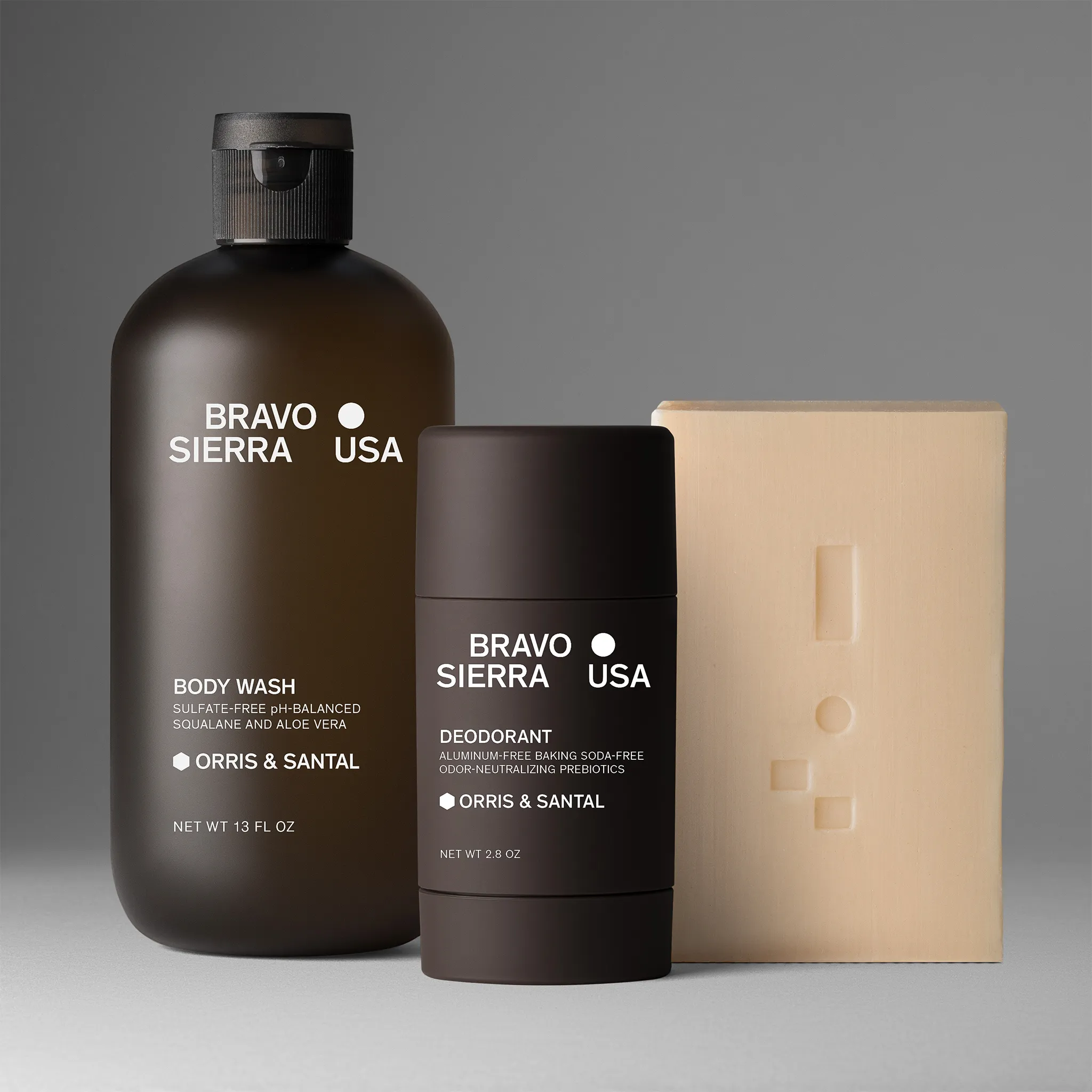
The background and props you choose can make or break your merchandise photography. Clean, distraction-free backgrounds ensure your products are the stars. Light gray or white backgrounds are e-commerce staples, keeping attention on the product.
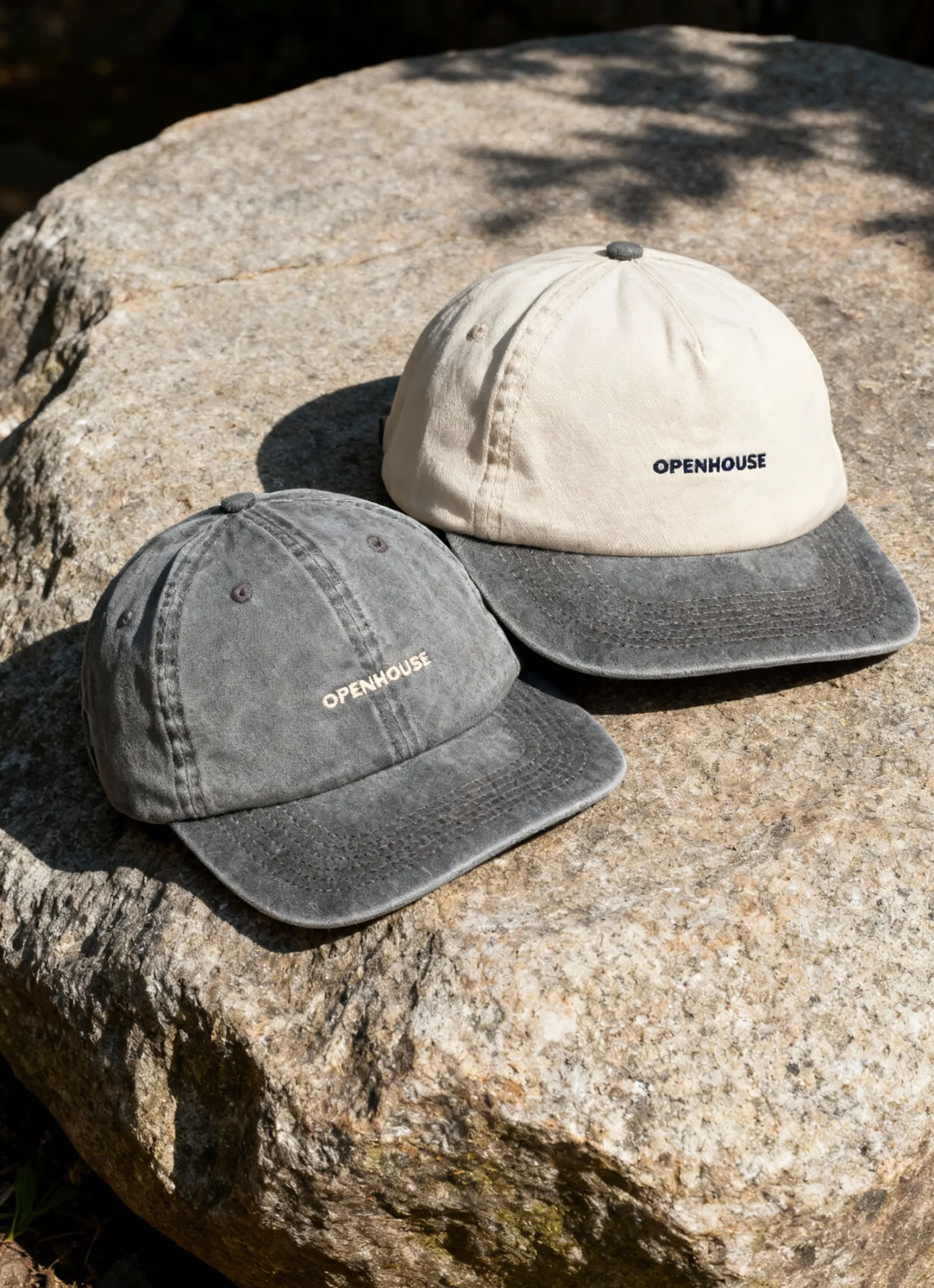
When you want to tell a story or highlight your brand’s personality, colored or textured backdrops work wonders. Just remember, the background should complement your product photography, not compete with it.


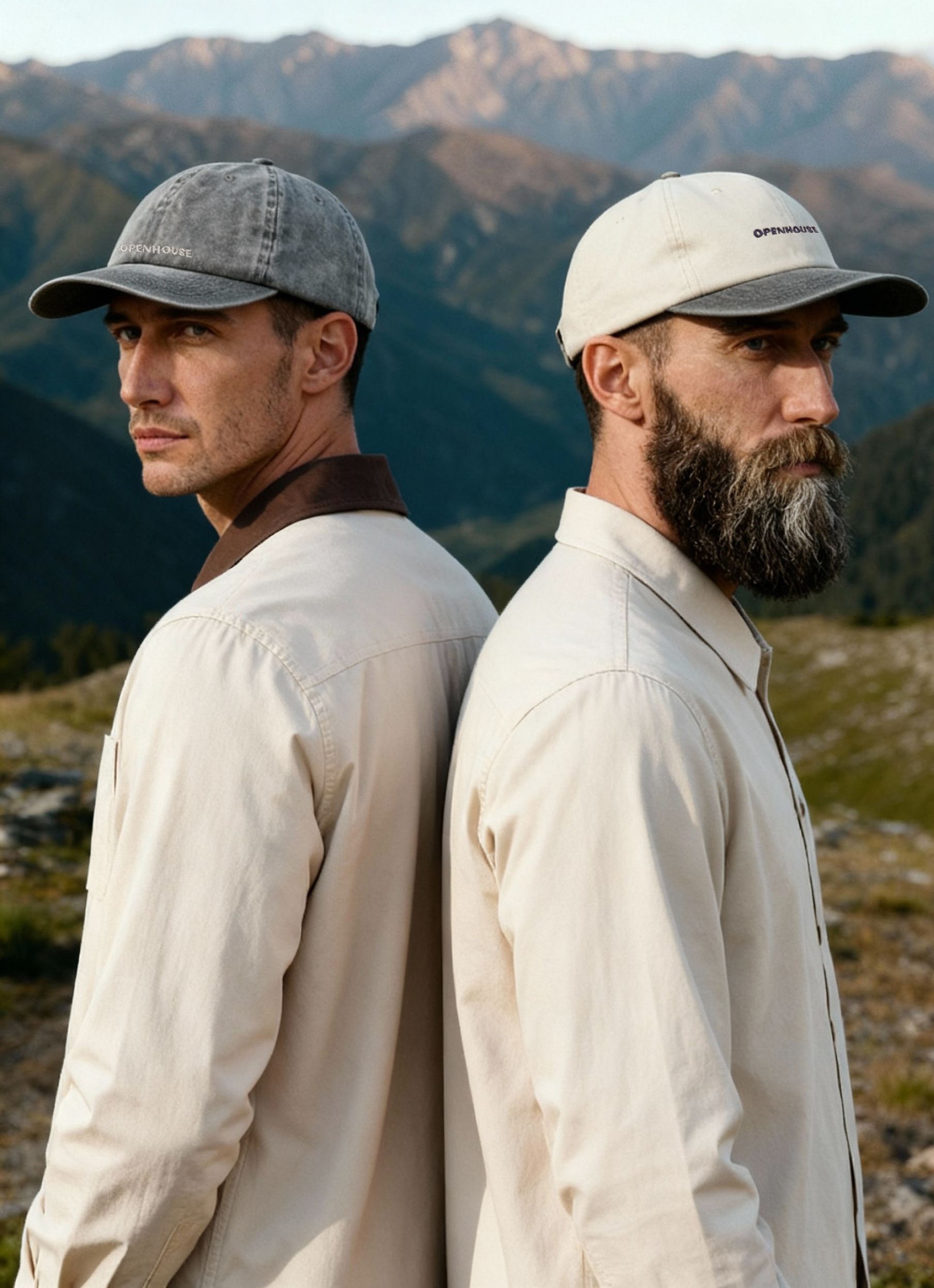
Props can contextualize products, showing them in use or within a relevant setting. For example, a laptop with a coffee mug and notebook signals productivity, while a pair of sneakers on a gym mat suggests action. The goal is to enhance the product’s appeal in your merchandise photography without overwhelming the viewer.
DIY backgrounds — like painted foam boards or printed papers — offer budget-friendly options for small brands. Consistency is crucial. Ensure similar backgrounds and props across your merchandise photography catalog for a cohesive brand look.
Here are quick tips for effective backgrounds and props:
- Stick to neutral tones for universal appeal.
- Use branded elements (like a signature color) sparingly.
- Match props to your audience’s lifestyle and aspirations.
- Regularly review your merchandise photography for visual consistency.
A great background supports your merchandise photography without overshadowing it.
3. Composition Techniques That Sell
Composition is the secret sauce that makes product photography pop. The rule of thirds, symmetry, and leading lines help guide the viewer’s eye directly to the product.
Framing is key in merchandise photography. Place your product slightly off-center for a dynamic look, or use symmetry for a balanced, classic feel. Negative space — leaving areas around your product uncluttered — draws attention to key product features and keeps images clean.
Close-ups and detail shots are vital for tactile products such as jewelry and textured fabrics. These images help shoppers “feel” your product on screen. Capture multiple angles and lifestyle shots to give a complete picture in your merchandise photography.
Split-screen comparisons often reveal the difference between standard and optimized composition. One side may look cluttered, while the other, with intentional framing, feels inviting and professional.
Remember to adjust the composition for mobile and desktop. What looks centered on a laptop may be cropped on a phone. Test your merchandise photography across devices for the best results.
A few composition tips:
- Use the grid feature on your camera or phone for alignment.
- Shoot both horizontal and vertical formats.
- Try creative flat-lay shots for small products.
Strong composition is what transforms simple merchandise photography into images that sell.
4. Invest in the Right Equipment and Tools
The right tools can take your merchandise photography from amateur to pro. Today’s smartphones offer impressive camera quality, but DSLRs and mirrorless cameras provide more control and flexibility.
Lenses matter. Macro lenses are ideal for small items, while prime lenses offer sharpness for apparel or larger products. A sturdy tripod eliminates blur and keeps your product photography crisp. Remote shutters let you shoot without touching the camera, reducing vibrations.
Color calibration tools and accurate monitors ensure your merchandise photography looks the same on all devices. This is vital for brand consistency.
Here’s a quick gear checklist for merchandise photography:
- Camera: Smartphone, DSLR, or mirrorless
- Lenses: Macro for details, prime for sharpness, zoom for versatility
- Tripod: For stability
- Lighting: Softboxes, reflectors, or affordable clamp lights
- Color checker: For accurate colors
- Turntable: For 360° product spins
- Light tent: For small products requiring even lighting
Budget-friendly brands now offer starter kits for merchandise photography, making it accessible to businesses of all sizes. Investing wisely in equipment ensures your product photography stands out in every marketplace.
5. Perfect Your Styling and Product Preparation
Great merchandise photography starts before you even pick up the camera. Proper product preparation — like cleaning, steaming, and arranging — is non-negotiable.
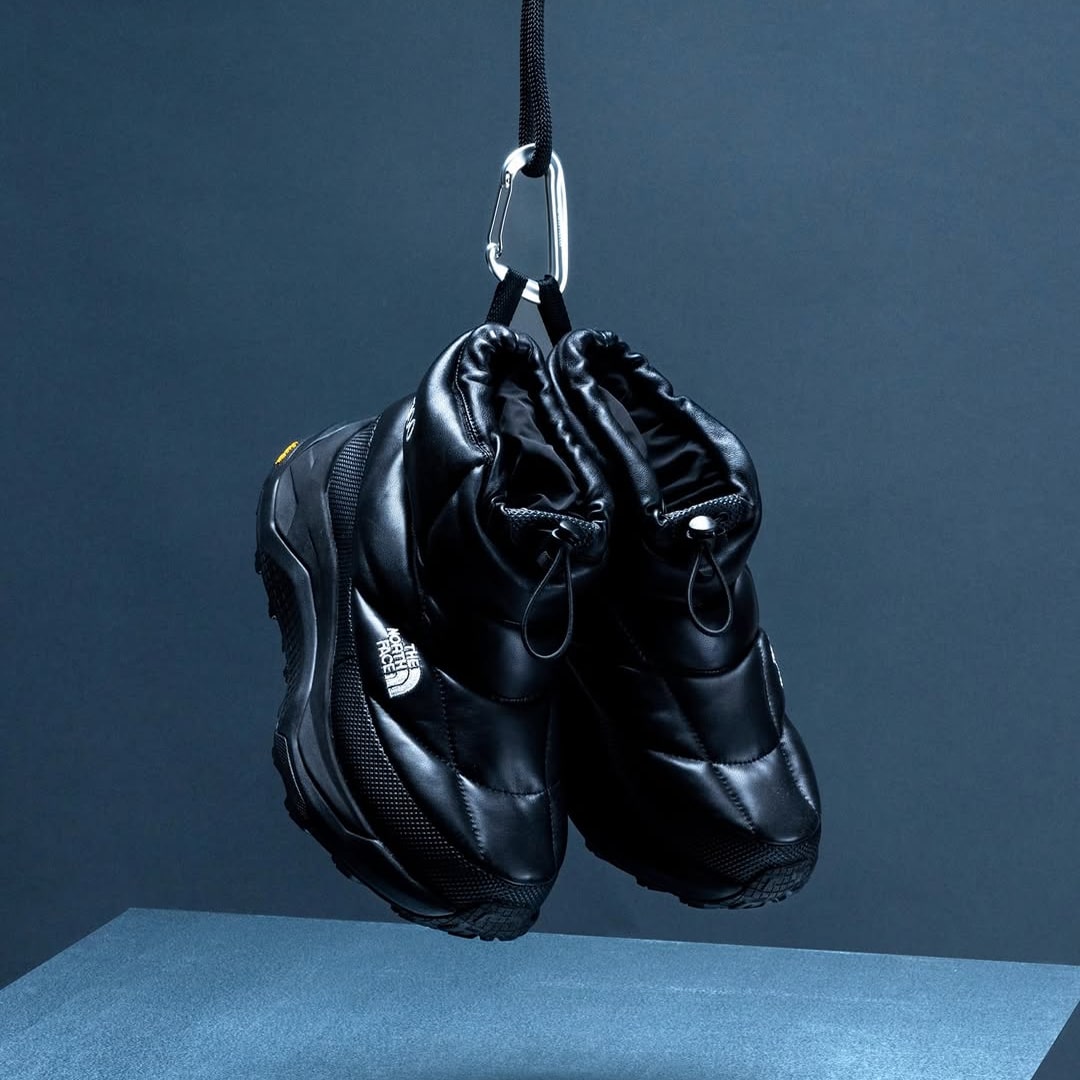
For apparel, ensure all items are wrinkle-free and presented on mannequins or neatly folded. Accessories benefit from stands or invisible supports, creating a floating effect in your photography.
Color coordination and thematic styling make images more appealing. For tech products, pair them with minimalist props. For home goods, create a cozy scene. Always inspect for fingerprints, dust, or flaws that could distract buyers.
Here’s a step-by-step styling checklist for merchandise photography:
- Clean and prepare each product.
- Choose props and backgrounds that fit your brand.
- Arrange the product for the best angles.
- Check lighting and shadows.
- Capture a test shot and adjust as needed.
Adapt your styling for the season or trending themes to keep your merchandise photography fresh and relevant. Attention to detail in styling separates amateur visuals from professional results.
6. Edit for Consistency and Visual Impact
Editing is where your merchandise photography truly stands out. Post-production polishes images, ensuring they’re market-ready and consistent across your catalog.
Essential edits include exposure correction, color balance, background cleanup, and gentle retouching. Batch editing with presets saves time and maintains consistency in your merchandise photography.
AI-powered tools in 2026 make editing faster and smarter, detecting flaws and suggesting corrections automatically. Still, be mindful not to over-edit. Authenticity matters — shoppers want to see real products, not digital fantasies.
Optimize image size and format for each platform. JPEGs are great for web, while PNGs offer transparency for overlays.
Consistent editing ensures your merchandise photography builds trust, making your brand memorable.
7. Optimize for Omnichannel and Emerging Platforms
Modern merchandise photography must work everywhere — marketplaces, your own website, and social media. Each platform has specific image requirements for aspect ratio, resolution, and file size.
Tailor your merchandise photography for Amazon, Etsy, and DTC sites by following their guidelines. Create mobile-first images that load quickly and look great on smaller screens.
In 2026, short-form video and interactive elements like 360° spins are key. These formats let shoppers engage with products, boosting conversions. Add SEO-friendly alt text, descriptive filenames, and image sitemaps to make your merchandise photography discoverable.
Accessibility matters. Use clear, descriptive imagery so visually impaired shoppers can understand your products. Prepare a checklist for multi-channel launches:
- Resize images for each platform.
- Add alt text and SEO tags.
- Test load times and mobile display.
- Include 360° or video where possible.
Future-proof your product photos by staying updated on new tech and trends. Consistent, optimized images ensure your products shine everywhere shoppers look.
Common Mistakes to Avoid in Merchandise Photography
Avoiding common mistakes in merchandise photography is essential if you want your products to stand out and convert browsers into buyers. Here are the pitfalls you should watch for in 2026.
- Neglecting Proper Lighting. Poor lighting can make products look dull or even misrepresent colors. Always use soft, even lighting to highlight the true features of your items.
- Cluttered or Inconsistent Backgrounds. Distracting backgrounds can confuse shoppers and weaken your brand identity. Clean, neutral backgrounds keep the focus on your product and support a cohesive look.
- Limited Angles and Lack of Scale. Showing only one angle leaves customers guessing. Include multiple views and a recognizable object for scale to boost trust in your merchandise photography.
- Skipping Product Preparation. Unprepared products — think dust, wrinkles, or fingerprints — can make your photos look unprofessional. Take the time to prep and style every item before shooting.
- Over-Editing Images. Heavy retouching might create unrealistic expectations. Keep editing natural to ensure authenticity and avoid disappointing buyers.
- Ignoring Platform-Specific Standards. Uploading images that don’t meet marketplace requirements can lead to rejection or poor display. Review E-commerce image standards to ensure your merchandise photography meets all the latest guidelines.
Even small changes can prevent these mistakes. By staying mindful of these pitfalls, you’ll create professional merchandise photography that drives more sales.
Merchandise Photography Resources and Tools for 2026
Staying competitive in merchandise photography means having the right tools and resources at your fingertips. Explore these essential picks for 2026 to streamline your workflow and spark creativity.
- Editing & Automation. AI-powered tools like Luminar Neo and Adobe Photoshop’s new automation features are transforming product photo editing.
- Learning & Inspiration. Online courses from platforms like Skillshare and Domestika make it easy to level up your skills. For creative ideas and step-by-step guides, explore Creative flat lay product photography.
- Communities & Forums. Join groups like r/ProductPhotography or dedicated Facebook communities to share work, get feedback, and stay on top of trends.
- Hardware Brands. Leading brands such as Canon, Sony, and Godox offer great options for every budget, ensuring your merchandise photography setup is future-ready.
You’ve just discovered the top tips for taking your merchandise photography to the next level. Following these steps can make a real difference in how customers see and connect with your brand.
If you’re ready to turn those ideas into eye-catching images but want a little help from the pros, why not take the next step with us? You’ll get expert guidance and a team that cares about making your products pop from lighting to editing and everything in between.
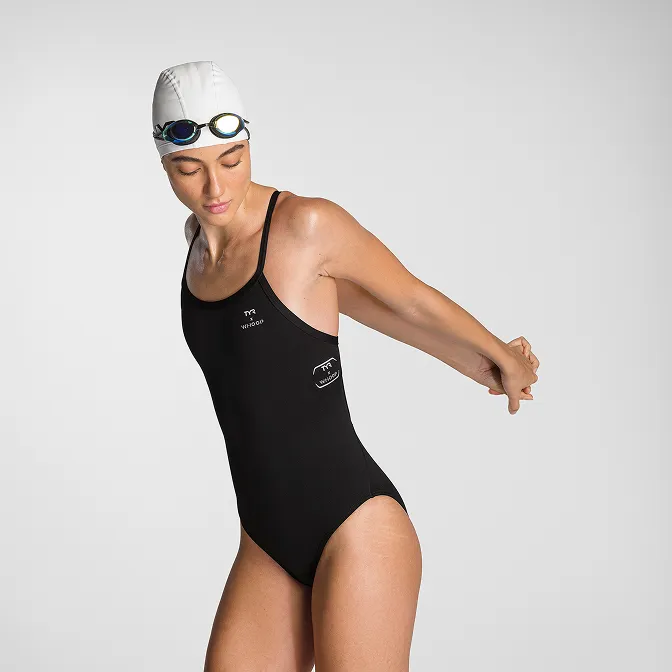
Product A
SQUARE SHOT