

A catalog photoshoot represents one of the most important investments an e-commerce brand can make in 2026. Whether you're launching a new product line, refreshing your online store, or creating a printed catalog, the quality of your product photography has a direct impact on conversion rates and brand perception.
Unlike casual product snapshots, a professional catalog photoshoot requires strategic planning, technical expertise, and a clear understanding of how images will be used across multiple platforms. The difference between amateur and professional catalog photography often determines whether customers click "add to cart" or move on to competitors.
Planning Your Catalog Photoshoot Strategy
Before any camera equipment gets unpacked, successful catalog photography starts with comprehensive pre-production planning. This phase determines the entire direction of your shoot and prevents costly mistakes during production.
Define your catalog objectives first. Are you shooting for an online store, a printed catalog, social media, or all three? Each platform has different image requirements and aspect ratios. Understanding where images will be displayed helps determine shot composition, orientation, and how many variations you need per product.
Create a detailed shot list that includes:
- Every product being photographed
- Number of angles required per item
- Specific styling or prop requirements
- Any lifestyle or model shots needed
- Priority order if time becomes limited
Budget and timeline considerations shape every aspect of your catalog photoshoot. A typical professional shoot requires 1-3 days, depending on product quantity and complexity. Factor in additional time for post-production retouching, which can take another 3-7 days depending on image volume and editing requirements.
Building Your Production Team
The right team makes the difference between a smooth catalog photoshoot and a chaotic experience. At a minimum, you need a skilled product photographer who understands lighting and composition. For larger productions, consider adding a stylist who can arrange products attractively, a digital tech to monitor image quality in real-time, and assistants to handle product prep and set changes.


Communication is critical. Share your brand guidelines, reference images, and specific requirements with everyone involved before shoot day. The best practices for product image layouts emphasize consistency across all catalog images, which requires clear direction from the start.
Essential Equipment and Setup Requirements
Professional catalog photos demand more than just a good camera. The equipment list varies based on your specific needs, but certain foundational elements remain consistent across most catalog photoshoots.
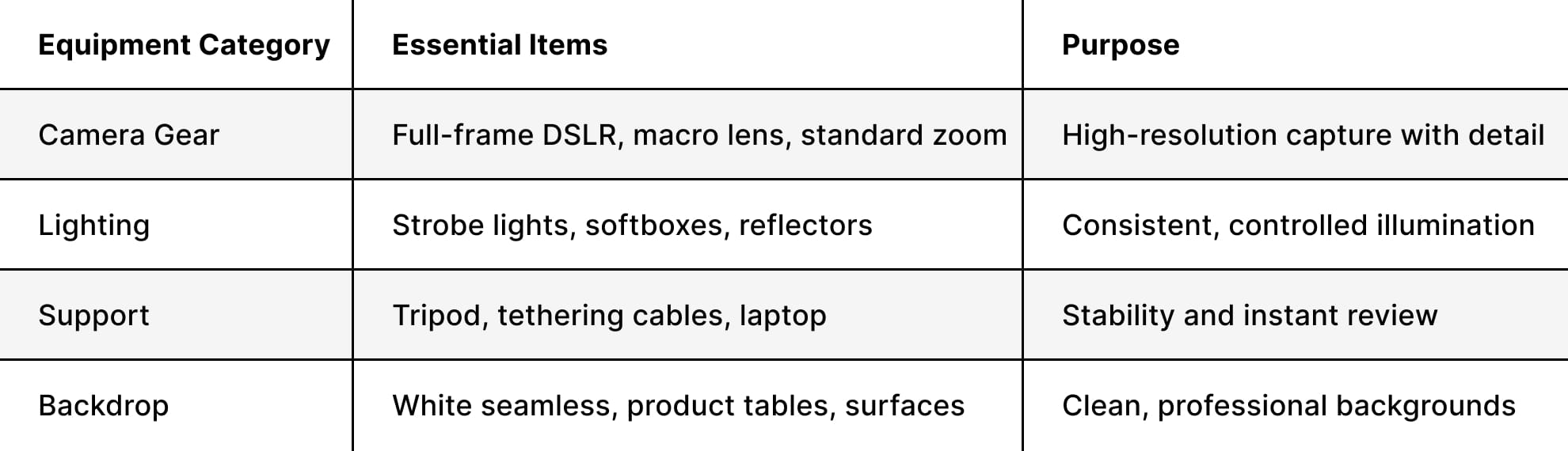
A white background studio setup remains the gold standard for catalog photography because it provides maximum versatility. Images shot on pure white backgrounds work equally well in catalogs, websites, and marketing materials without requiring extensive post-production background removal.
Lighting Techniques for Catalog Photography
Proper lighting conditions transform ordinary product shots into compelling catalog photos. Most professional catalog photoshoots use a three-point lighting setup as a foundation, then modify based on product characteristics.
Soft, diffused lighting works best for most catalog products. This approach minimizes harsh shadows and hot spots while clearly revealing product details. Large softboxes positioned at 45-degree angles create flattering, even illumination that shows texture and color accurately.
For reflective products like jewelry, electronics, or glassware, you'll need additional light control. Use diffusion panels, light tents, or specialized lighting techniques to eliminate unwanted reflections while maintaining product shine and dimension.
Executing the Catalog Photoshoot
Shoot day requires organization, patience, and attention to detail. Even with perfect planning, unexpected challenges arise, so build flexibility into your schedule.
Start with your most important products. Energy and focus are highest at the beginning of the shoot, making this the ideal time for hero products or complex setups. This approach also ensures that if time runs short, your priority items are already captured.
Maintain consistent camera settings throughout your catalog photoshoot:
- Lock exposure settings to ensure uniform brightness
- Use the same white balance for color consistency
- Keep the same aperture for depth of field continuity
- Maintain identical framing and crop proportions
The catalog photography tips from industry professionals emphasize shooting tethered to a laptop or tablet. This allows immediate image review, catching focus issues, styling problems, or technical errors before moving to the next product.
Shooting Multiple Product Angles
Modern e-commerce success depends on showing products from multiple perspectives. Research shows that product pages with 3-5 images convert better than those with single images.
Standard catalog angles include:
- Straight-on front view (primary image)
- 45-degree angle showing depth
- Side profile highlighting features
- Back view for complete information
- Close-ups of important details or textures
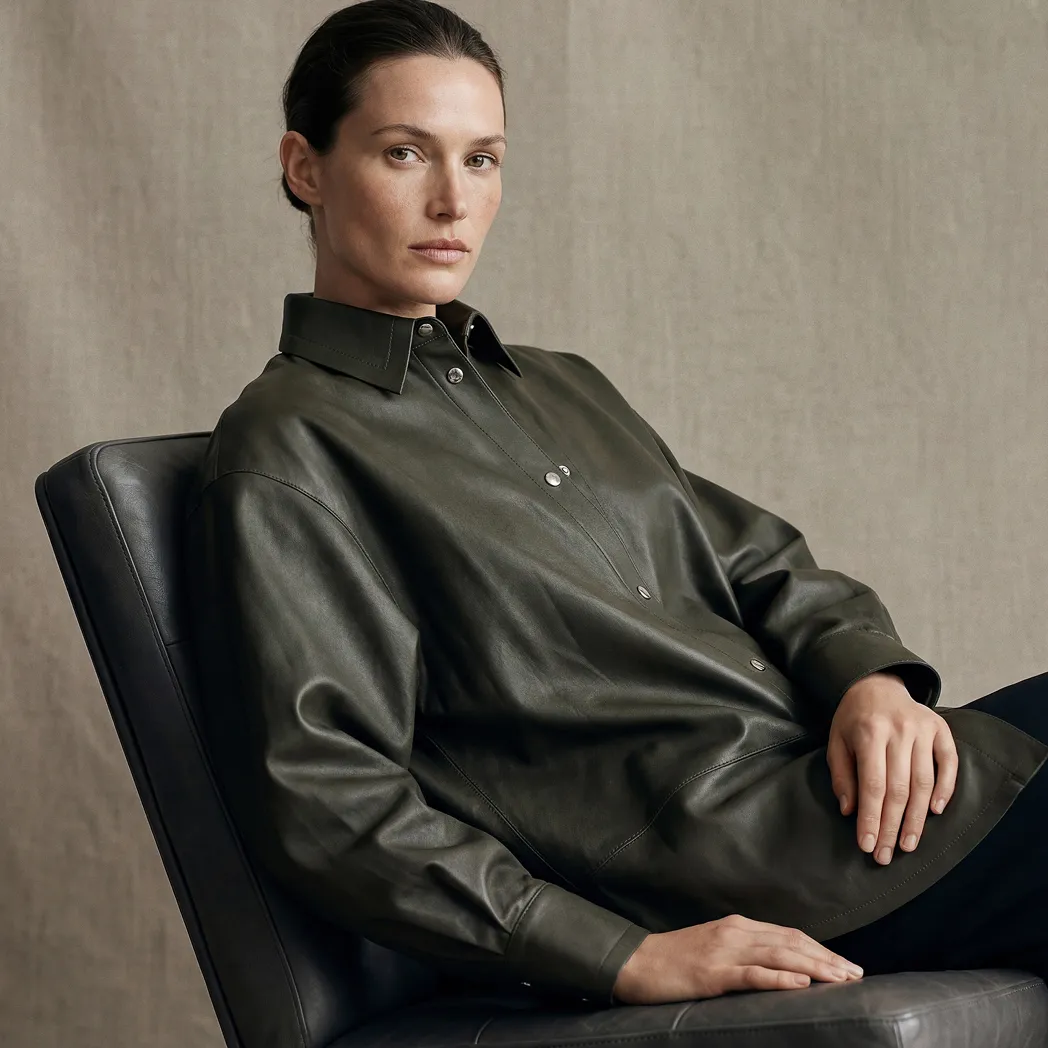
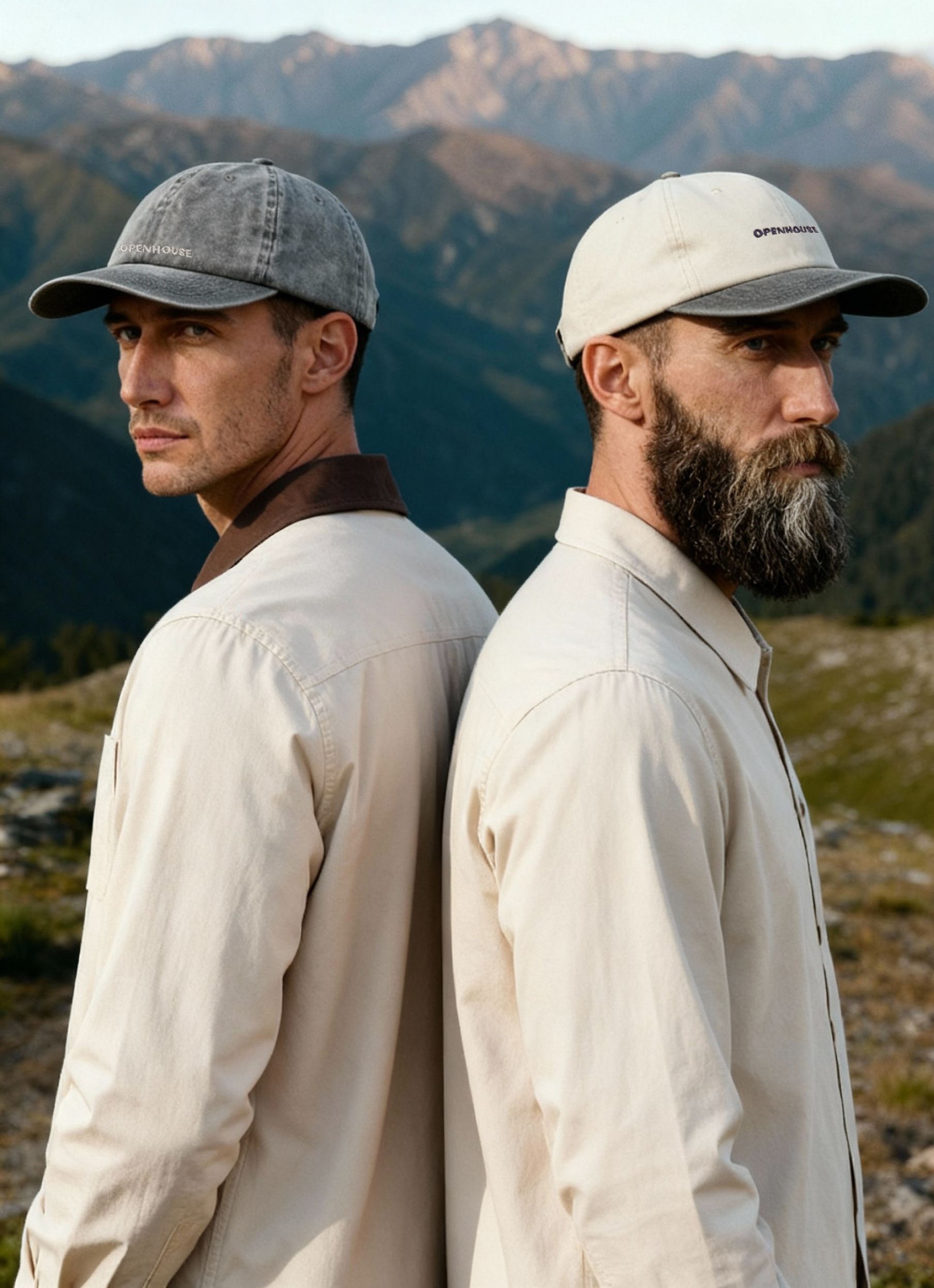
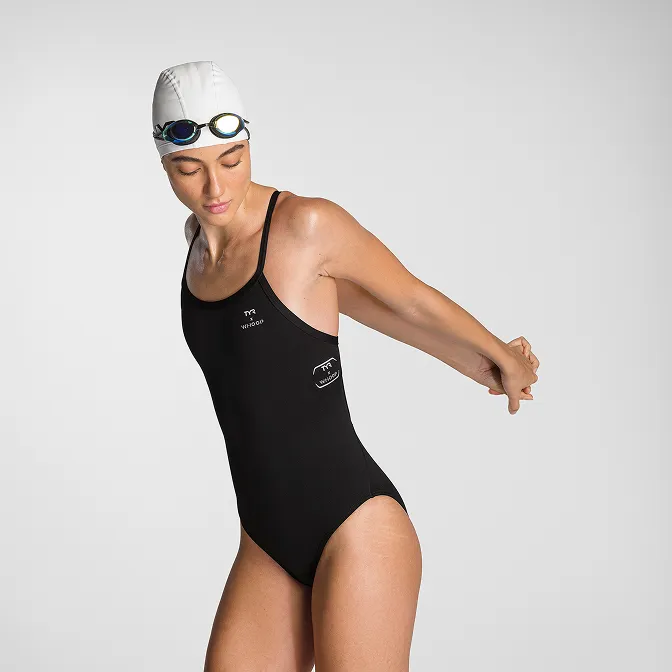
For apparel or bags, add lifestyle shots showing the product in use. These contextual images help customers visualize size, functionality, and real-world appearance. The staging product photos guide provides detailed techniques for creating these compelling lifestyle compositions.
Post-Production and Image Retouching
The catalog photoshoot doesn't end when the camera stops clicking. Post-production transforms raw captures into polished, professional catalog images ready for publication.
Professional retouching involves multiple steps that enhance images while maintaining natural product appearance. Basic adjustments include color correction, exposure balancing, and cropping to standard dimensions. Advanced retouching addresses dust removal, minor imperfections, shadow refinement, and background cleanup.
Consistency matters more than perfection. Your catalog images should share similar color temperature, brightness levels, and editing style. This uniformity creates a cohesive brand perception and makes catalog layouts more professional. The benefits of retouching in e-commerce photography extend beyond aesthetics to include higher customer confidence and reduced return rates.
File Organization and Delivery
Proper file management prevents chaos during and after your catalog photoshoot. Implement a naming convention that includes product SKU, angle description, and version number. This system makes finding specific images effortless months or years later.
Deliver final images in multiple formats to serve different needs:
- High-resolution TIFF or PSD files for print catalogs
- Optimized JPEGs for website use
- Mobile-friendly versions for app integration
- Social media-ready crops and dimensions
Following product image optimization guidelines ensures your catalog images load quickly while maintaining quality across all platforms.
Common Catalog Photoshoot Challenges and Solutions
Even experienced photographers encounter obstacles during catalog photoshoots. Anticipating these issues and having solutions ready keeps production on schedule.
Time management challenges are the most common problem. Products often take longer to style than expected, or technical issues slow progress. Combat this by padding your schedule with 20-30% extra time and prioritizing shots as mentioned earlier.
Color accuracy presents another frequent challenge, especially when shooting multiple product colors. Use a color checker card at the start of each lighting setup to establish accurate white balance. This reference makes color correction in post-production much faster and more precise.
Reflective or transparent products require specialized techniques that slow production. Budget extra time for these challenging items, or schedule them for specific portions of the shoot when you can focus entirely on perfecting the lighting setup.
Maintaining Brand Consistency Across Shoots
If your catalog photoshoot happens across multiple sessions or locations, maintaining visual consistency becomes critical. Create a comprehensive style guide documenting exact lighting ratios, camera settings, backdrop specifications, and styling approaches used.
The best practices for creating clear and engaging catalog layouts emphasize that consistency extends beyond individual images to include how they work together as a cohesive collection. Reference your previous catalog shoots and ensure new images match the established aesthetic.
Advanced Catalog Photoshoot Techniques
Once you've mastered basic catalog photography, advanced techniques can elevate your imagery and set your brand identity apart from competitors.
Focus stacking creates impossibly sharp images by combining multiple photos shot at different focus points. This technique works brilliantly for products with significant depth, like shoes or electronics, where maintaining sharpness from front to back is impossible in a single shot.
360-degree product photography gives customers an interactive viewing experience, letting them rotate products digitally. While more time-intensive than standard catalog photography, these interactive images significantly boost engagement and conversion rates for complex products.
Lifestyle integration blends product photography with contextual scenes. Rather than simple white background shots, these images show products in use or styled environments. The creative product styling photography ideas provide inspiration for elevating catalog photography beyond basic product documentation.
Seasonal and Trend-Responsive Photography
Smart brands plan catalog photoshoots with seasonal variations and emerging trends in mind. Shooting multiple background options, prop arrangements, or styling variations during the same session maximizes the versatility of each catalog photoshoot.
Consider photographing products with both minimal styling for timeless appeal and on-trend styling for immediate seasonal campaigns. This dual approach extends the usable life of catalog images while maintaining contemporary relevance. The catalog photoshoot ideas and tips offer current approaches that resonate with 2026 consumer preferences.
Budgeting Your Catalog Photoshoot
Understanding catalog photography costs helps you allocate resources effectively and make informed decisions about which services provide the best return on investment.
Professional catalog photoshoot pricing varies based on several factors:
- Number of products being photographed
- Complexity of styling and setup requirements
- Whether you need lifestyle or model shots
- Turnaround time expectations
- Level of post-production retouching needed
Typical professional rates range from $25-150 per product image, depending on complexity and volume. Larger product quantities usually qualify for volume discounts, making catalog photoshoots more cost-effective than piecemeal photography.
When evaluating product photography services, consider total value rather than just per-image cost. Services that include styling, advanced retouching, and fast turnaround times often deliver better overall value than bare-bones budget options requiring additional coordination and editing costs.
ROI of Professional Catalog Photography
Quality catalog images aren't expenses, they're investments with measurable returns. Professional product photography typically increases conversion rates by 30-40% compared to amateur photography, more than justifying the upfront costs.
Better catalog images also reduce return rates. When customers can clearly see product details, colors, and dimensions, they make more informed purchase decisions and feel more satisfied with what arrives. This reduces the costly cycle of returns and replacements that eat into profit margins.
Platform-Specific Catalog Photography Considerations
Different sales channels require different image specifications, and smart catalog photoshoots account for these variations from the planning stage.
E-commerce platforms each have unique requirements:
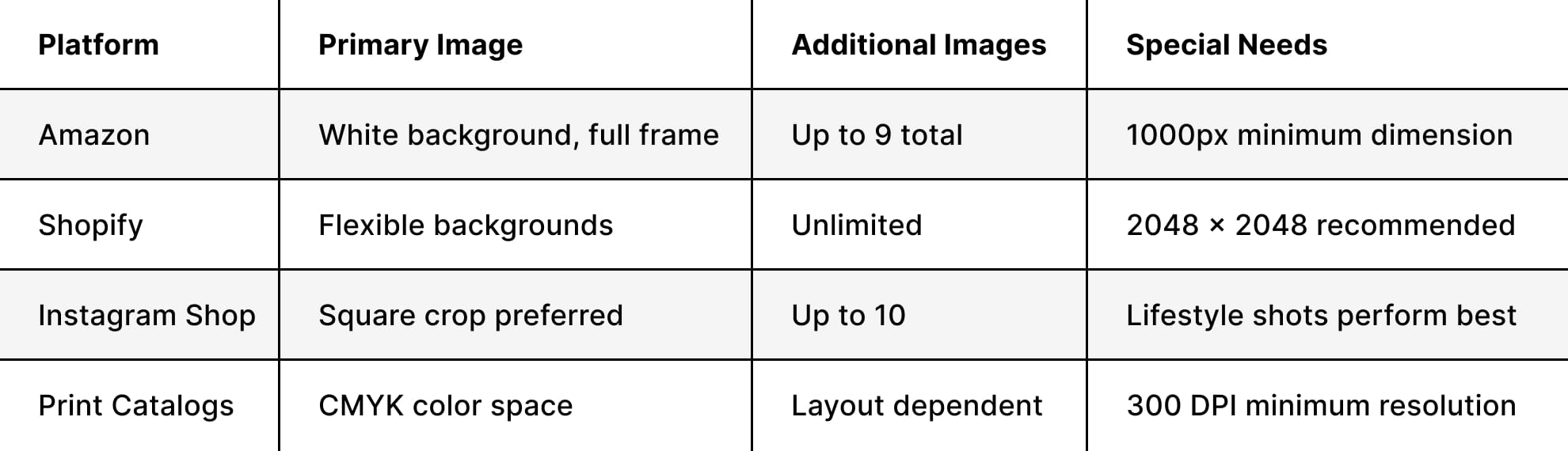
Planning your catalog photoshoot with these specifications in mind prevents expensive re-shoots. Shoot with enough resolution and space around products to allow flexible cropping for different platform requirements. Understanding e-commerce product image size guidelines ensures your catalog images work everywhere they're needed.
Mobile-First Photography Approach
With over 70% of e-commerce browsing happening on mobile devices in 2026, catalog photography must prioritize mobile viewing. This means shooting products large enough in frame that important details remain visible on small screens.
Test catalog images on actual mobile devices before finalizing. Details that look perfect on a 27-inch monitor may become illegible on a smartphone. Adjust composition, zoom level, and detail shot selection based on how images actually display where most customers will see them.
Catalog Photoshoot Trends for 2026
The catalog photography landscape continues evolving with consumer preferences and technological capabilities. Staying current ensures your catalog images feel fresh and competitive.
Authenticity dominates 2026 catalog trends. Consumers increasingly prefer natural, realistic product presentation over heavily stylized or obviously edited images. This doesn't mean lower quality, rather honest representation that builds trust and sets accurate expectations.
Sustainability messaging influences catalog photoshoots through eco-friendly prop choices, natural materials, and highlighting product durability or environmental benefits through visual storytelling. Brands communicate values through styling choices as much as through product features.
Technology Integration in Catalog Photography
AI-powered tools are transforming post-production workflows, making professional catalog retouching faster and more accessible. However, the essential guide to product photography workflow emphasizes that technology enhances rather than replaces professional photography expertise.
Creating compelling catalog imagery requires strategic planning, technical expertise, and attention to detail that transforms products into must-have items. From pre-production planning through final delivery, every step in the catalog photoshoot process contributes to images that drive sales and build brand trust.
When you're ready to elevate your product photography with professional catalog shoots that deliver results, Squareshot combines experienced photographers, comprehensive production support, and advanced retouching to create catalog images that exceed expectations and arrive on schedule.
Product A
SQUARE SHOT