

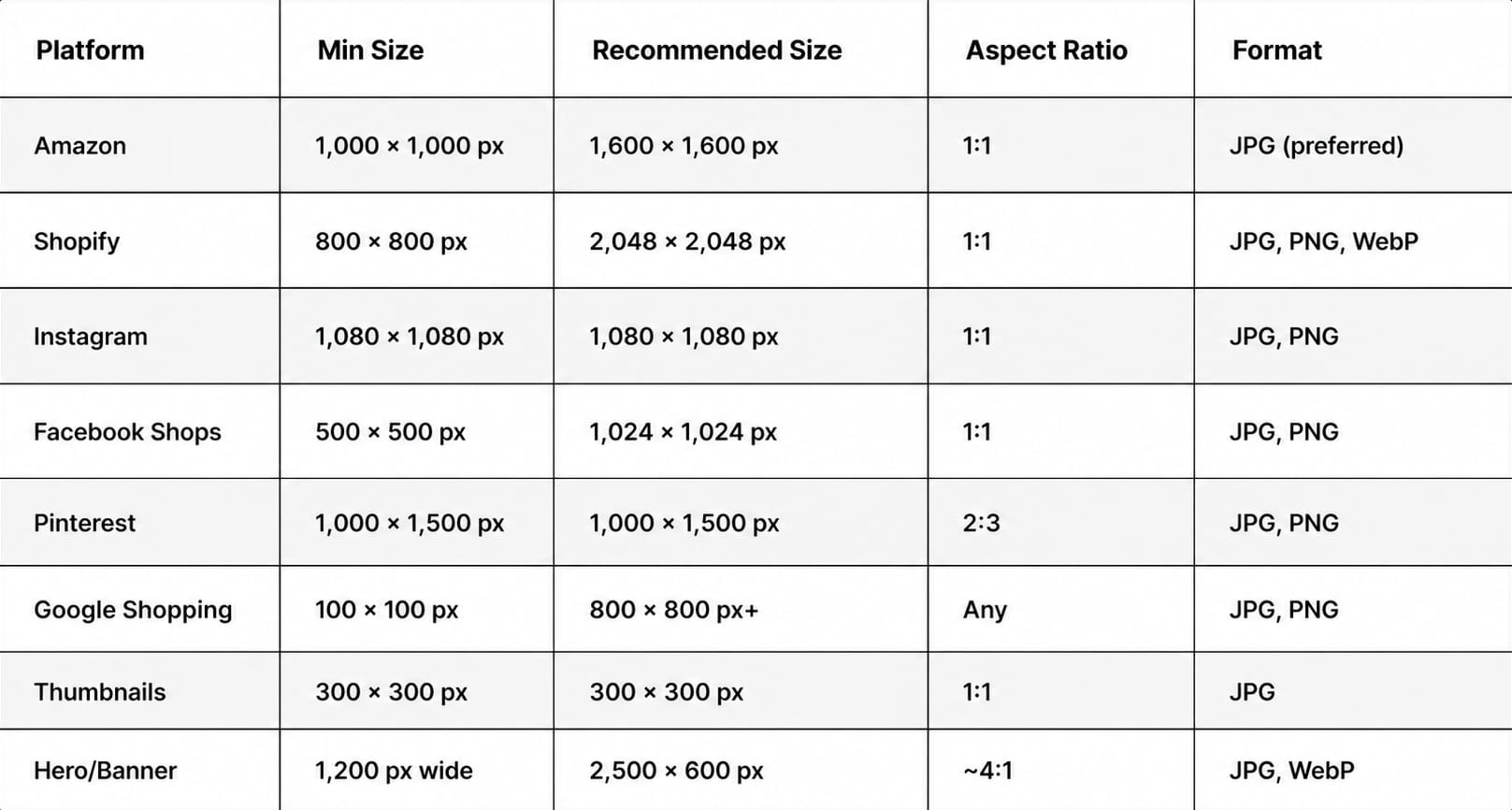
Use the quick-reference table above to find exact pixel requirements for your platform — then read on for optimization tips, common mistakes, and 2026 best practices.
Why E-commerce Product Image Size Matters in 2026
The e-commerce product image size is more than just a technical detail. It is an important part of the user experience for every online store. Let us explore how the right approach to image sizing can directly impact your bottom line and future-proof your brand.
The Impact on User Experience and Conversion Rates
When it comes to online shopping, images are the primary way customers evaluate products. High-resolution visuals enable zoom features, letting shoppers inspect details and colors up close. If your e-commerce product image size is too small or blurry, it can erode trust and send buyers searching elsewhere.
Consistency in image sizing across product pages also creates a polished, professional feel. For instance, fashion and jewelry stores often see negative reviews and high returns when images misrepresent color or detail. Following the E-commerce image standards guide can help you avoid these pitfalls and boost shopper confidence.
SEO Performance and Site Speed
Search engines now reward sites that load quickly and deliver a seamless experience. Oversized images can drastically slow page load times, leading to lower rankings and fewer visitors. Optimizing e-commerce product image size helps your pages load faster and keeps users engaged.
Google’s Core Web Vitals put image optimization front and center for SEO. Using the right file size and compression techniques reduces bounce rates and increases the chances of repeat visits. Do not forget that descriptive alt text and keyword-rich filenames can further boost your search visibility.
Mobile Optimization and Responsive Design
78 percent of e-commerce traffic now comes from mobile devices. This makes mobile-friendly e-commerce product image size more important than ever. Responsive images automatically adapt to different screens, keeping visuals sharp without using excess data.
If your images are not optimized for mobile, you risk slow load times and awkward cropping. As device diversity expands in 2026, ensuring every image displays perfectly on any device will be key to staying competitive. Responsive design is not just a trend; it is a necessity for modern e-commerce.
Brand Perception and Professionalism
High-quality, consistently sized images are a hallmark of a trustworthy brand. Shoppers judge your professionalism based on the look and feel of your product photos. Premium brands invest in uniform backgrounds, lighting, and sizing to communicate reliability and attention to detail.
On the other hand, inconsistent or low-quality images can make even the best products seem questionable. Keeping your product image size standard across all listings portrays your store as reliable and customer-focused, helping you stand out in a crowded market.
Data-Driven Results
Fast-loading, clear visuals lower bounce rates and encourage shoppers to return. Leading platforms like Amazon and Shopify consistently outperform competitors by prioritizing image optimization. Making image optimization a priority can transform your e-commerce results and set you up for long-term success.
2026 Platform-Specific Product Image Size Requirements
As e-commerce evolves, keeping up with product image size requirements can be challenging. In 2026, every major platform updates its guidelines to ensure the best possible shopping experience. Whether you sell on Amazon, Shopify, social media, or Google Shopping, following the latest specifications is essential for visibility, speed, and conversions.
Amazon Product Image Guidelines
Amazon sets strict standards for e-commerce product image size to maintain a uniform, professional look across its vast marketplace.
- Minimum size: 1000 x 1000 pixels for basic zoom functionality
- Optimal size: 1600 x 1600 pixels or larger for enhanced zoom and clarity
- Maximum size: Up to 10,000 pixels on the longest side
- File types: JPG (preferred), PNG, TIFF, GIF
- Background: White (RGB 255,255,255), with the product filling at least 85% of the frame
Amazon prohibits watermarks, text, or promotional overlays. If your images do not meet these requirements, your product could be delisted, resulting in lost sales and reduced visibility. Consistently meeting the e-commerce product image size standards on Amazon is non-negotiable for long-term success.
Shopify and Other E-Commerce Platforms
Shopify offers flexibility but recommends a sharp, consistent e-commerce product image size for the best customer experience.
- Recommended size: 2048 x 2048 pixels for crisp visuals and zoom
- File size: Maximum 20MB, but under 3MB is ideal for fast loading
- Aspect ratio: 1:1 (square) for product grids; banners range from 1200–2500 x 400–600 pixels
Other platforms like BigCommerce and WooCommerce have similar recommendations. Always check each platform’s latest documentation, as requirements can change. Uploading oversized files can slow your store, while inconsistent sizing disrupts your product grid. For a comprehensive look at optimal image sizes across e-commerce platforms, explore these E-commerce Image Size Recommendations.
Social Commerce: Instagram, Facebook, and Pinterest
Social shopping continues to surge in 2026, and each channel has its own e-commerce product image size requirements.
- Instagram: 1080 x 1080 pixels, square images for posts
- Facebook Shops: Minimum 500 x 500 pixels, but 1024 x 1024 pixels is best for clarity
- Pinterest: 1000 x 1500 pixels for vertical pins
Consistency in image sizing ensures your brand looks polished across every channel. Brands that use the proper e-commerce product image size on social platforms see more engagement, better ad performance, and higher click-through rates. Always preview your images before posting to avoid awkward cropping or pixelation.
Google Shopping and Other Marketplaces
Google Shopping’s e-commerce product image size rules are all about clarity and speed.
- Minimum size: 100 x 100 pixels (apparel: 250 x 250 pixels)
- Recommended size: 800 x 800 pixels or larger
- File formats: JPEG, PNG, non-animated GIF
- Background: White or neutral backgrounds only
Transparent backgrounds are not supported. Google penalizes blurry or low-res images, which can drastically reduce your product’s visibility. Sticking to the right e-commerce product image size will help your products stand out in search and shopping feeds.
Thumbnails, Banners, and Category Images
Beyond product photos, the size of e-commerce product images also matters for thumbnails and banners.
- Thumbnails: 300 x 300 pixels is standard for most platforms
- Banners/Hero images: 1200–2500 pixels wide, height varies by template
- Aspect ratios: Consistency prevents layout issues and cropping errors
Uniform thumbnails create a seamless browsing experience, while well-sized banners instantly capture attention. Sticking to recommended e-commerce product image size guidelines for these elements keeps your store looking professional and easy to navigate.
Step-by-Step Guide: Optimizing E-commerce Product Images for 2026
Ready to take your e-commerce product image size strategy to the next level? Here’s a practical, step-by-step playbook for 2026. These steps will help you create visuals that look sharp, load fast, and convert browsers into buyers.
Step 1: Choose the Right Dimensions and Aspect Ratio
Getting your product image size right starts with the dimensions. Most major platforms recommend images at least 2000 x 2000 pixels for crisp detail and zoom functionality. A square 1:1 aspect ratio is standard for product grids, while banners and hero shots may need wider formats.
Check your platform’s latest requirements to avoid unexpected cropping or distortion. For a detailed breakdown, check out the E-commerce Image Size Guidelines 2025 to ensure your images meet the most up-to-date standards.
Consistent sizing across your catalog prevents layout issues and gives your store a polished, professional look. For example, using uniform dimensions reduces unexpected cropping, which helps shoppers see your products exactly as you intend.
Step 2: Select the Best File Format
Choosing the right file format is key to balancing quality and speed for e-commerce product image size. JPEG is your go-to for most product photos, thanks to its small file size and solid clarity. When you need transparency, like with logos, PNG works best, though it can be larger.
WebP is gaining traction for its advanced compression and quality. In 2026, most browsers support WebP, making it a smart choice for reducing load times without sacrificing detail. For example, switching to WebP can drop your file size by up to 35 percent compared to JPEG, making your site snappier.
Step 3: Compress Images Without Losing Quality
Large files slow your site and frustrate shoppers. Use compression tools to shrink files while keeping images sharp. Aim for standard product images under 300KB and thumbnails under 100KB.
Popular tools like TinyPNG, ImageOptim, or Photoshop’s “Save for Web” feature make this easy. Batch processing saves time, especially for large catalogs. Efficient compression directly impacts e-commerce product image size, cutting load times and boosting SEO. Compressed images keep your site fast, which keeps customers engaged.
Step 4: Implement Responsive and Lazy Loading Techniques
With shoppers browsing on phones, tablets, and desktops, responsive images are essential. Use HTML attributes like srcset and sizes so images adapt to different screens. This ensures your e-commerce product image size always looks sharp, no matter the device.
Lazy loading defers off-screen images until users scroll down, speeding up initial load times. Implementing these techniques means your pages load faster, reduce bounce rates, and deliver a seamless experience. Responsive and lazy loading are must-haves for modern e-commerce.
Step 5: Name Files and Add Alt Text for SEO
Don’t overlook the SEO power of your e-commerce product image size. Use clear, descriptive filenames with relevant keywords, like blue-leather-wallet-2026.jpg. This helps search engines understand your images and boosts discoverability.
Alt text is equally important. Write concise, informative descriptions for every product image. This not only improves accessibility for visually impaired users but also increases your visibility in Google Image search. Smart naming and alt text can give your products a real edge in search rankings.
Step 6: Test Across Devices and Browsers
Before going live, always preview your e-commerce product image size on multiple devices and browsers. What looks great on a desktop might appear pixelated or awkwardly cropped on mobile.
Test load times and adjust compression or dimensions as needed. This step helps you catch issues early, ensuring a consistent, high-quality experience for every shopper. Regular testing is the secret weapon of brands that never miss a sale due to poor visuals.
Step 7: Maintain Consistency and Quality Control
Consistency in e-commerce product image size builds trust and reinforces your brand’s professionalism. Develop a style guide outlining preferred dimensions, backgrounds, and composition.
Schedule regular audits to ensure new uploads meet current platform and SEO standards. Brands with strict image guidelines see fewer returns and more repeat customers. Quality control is an ongoing process, not a one-time task, so make it part of your routine.
Professional Product Photography: Laying the Foundation for Image Optimization
Getting product image size right starts long before you upload any files. The foundation of every high-converting online store is professional product photography, which sets the tone for your entire brand and streamlines the optimization process.
Why High-Quality Photography Matters for E-commerce
The first step toward mastering e-commerce product image size is investing in sharp, well-lit photos. High-quality images allow shoppers to see every detail, building trust and reducing hesitation at checkout.
Professional photography minimizes the need for heavy editing or resizing, making it easier to achieve the perfect e-commerce product image size for any platform. When your catalog features consistent angles, backgrounds, and lighting, you not only speed up the optimization process but also create a cohesive look across your store.


Consider this: fashion and beauty brands that rely on professional shoots often see higher conversion rates and fewer customer complaints. Their visuals accurately represent colors and textures, reducing the risk of returns due to mismatched expectations.
Consistent, high-resolution images ensure your e-commerce product image size remains optimal, whether displaying on mobile, desktop, or social channels. This commitment to quality forms the backbone of successful e-commerce visuals.
Squareshot: Elevating E-commerce Visuals
Squareshot specializes in professional product photography tailored for e-commerce needs. Our team handles catalog, creative, and model shoots, ensuring every image aligns with the ideal e-commerce product image size for your target platforms.
We offer advanced retouching and production support, so you receive images that are ready for resizing, compression, and SEO right from the start. Fast turnaround times mean your store can keep content fresh and up to date, no matter how quickly trends change.
With scalable solutions, Squareshot helps businesses maintain a steady flow of optimized images, supporting uniformity and compliance with evolving requirements. Brands that use Squareshot benefit from a streamlined workflow, making it easier to manage e-commerce product image size standards as they grow.
For those exploring options, take a look at the Best product photography services to compare providers that excel at supporting optimized image sizing and professional results.
By partnering with a dedicated studio, you lay the groundwork for ongoing e-commerce product image size optimization, ensuring your visuals stand out and stay ahead of future standards.
Common Mistakes in E-commerce Product Image Sizing (and How to Avoid Them)
Getting the e-commerce product image size right is essential for every online store. Even small mistakes can hurt your brand, slow down your site, and cost you valuable sales. Let's break down the most common pitfalls and how to avoid them for a seamless, high-performing store.
Oversized Images That Slow Down Sites
Uploading images straight from your camera, often thousands of pixels wide, is a classic e-commerce product image size mistake. These huge files slow down page loads and frustrate shoppers.
Slow sites not only drive customers away but also damage SEO. Always resize your images to fit platform guidelines before uploading. For a quick reference on platform-specific recommendations, check this E-commerce Image Size Requirements guide.
Tiny or Low-Resolution Images
Small images, usually under 800 x 800 pixels, look blurry and unprofessional, especially on modern screens. This common e-commerce product image size error can lead to lost trust and higher return rates.
Always start with high-resolution photos and compress them for web use. A sharp, detailed image reassures buyers and supports their purchase decisions.
Inconsistent Aspect Ratios and Cropping
Mixing portrait, landscape, and square images creates a messy storefront. Inconsistent e-commerce product image size and aspect ratios disrupt your product grid, making your brand look careless.
To prevent this, use templates and stick to standard aspect ratios — usually 1:1 for product listings. Uniformity keeps your store looking polished and easy to browse.
Ignoring Mobile Optimization
More than half of e-commerce traffic comes from mobile devices. If your e-commerce product image size isn't optimized for mobile, you risk slow loads and awkward cropping.
Always preview images on multiple devices. Adjust crop and compression settings to ensure fast loads and crisp visuals everywhere your shoppers browse.
Neglecting SEO Elements
Skipping alt text, using generic filenames, or forgetting structured data are easy mistakes that lower your search rankings. Every e-commerce product image size should be paired with descriptive filenames and alt text.
These steps not only boost visibility on Google but also improve accessibility for all users.
Not Updating Images for Platform Changes
Platforms like Amazon or Google Shopping often update their requirements. Using outdated e-commerce product image size specs can get your listings delisted or hidden.
Stay ahead by scheduling regular reviews. Resources such as the Amazon Product Image Requirements 2025 keep you informed of the latest changes and best practices.
Avoiding these common mistakes helps you maintain a professional storefront, drive conversions, and keep your e-commerce product image size strategy up to date.
Advanced Trends in E-commerce Product Image Optimization for 2026
E-commerce is transforming fast, and staying ahead means adapting to the newest advancements. In 2026, the landscape of e-commerce product image size optimization is shaped by AI, immersive visuals, and data-driven strategies. Let us explore the trends that are redefining how brands create, deliver, and optimize product images for a competitive edge.
AI-Powered Image Enhancement and Automation
AI is revolutionizing how brands manage e-commerce product image size across large catalogs. Automated tools now handle resizing, compressing, and retouching, saving hours of manual work. Retailers use AI to upscale images, remove backgrounds, and even create multiple variants for testing.
For example, AI-driven platforms can analyze user engagement and automatically optimize images for higher conversions. This ensures every e-commerce product image size is tailored for both speed and quality, improving consistency and scalability.
3D, AR, and Interactive Product Images
Immersive visuals are taking center stage in 2026. Many brands now use 3D models and augmented reality to let shoppers interact with products. Customers can spin, zoom, and visualize items in real-world settings, which boosts engagement and confidence.
If you want to learn more about how hero images and interactive visuals drive results, check out these hero shot trends for e-commerce. Investing in interactive e-commerce product image size standards helps brands stand out and increase conversions in a crowded market.
Personalization and Dynamic Image Delivery
Personalization is key to connecting with modern shoppers. Advanced platforms deliver dynamic images that adjust based on device, location, and even user preferences. This means the e-commerce product image size is always optimal, whether viewed on a phone in low-bandwidth conditions or a desktop with a large display.
Brands leveraging dynamic delivery see faster load times and higher conversion rates, as shoppers experience quick, clear product visuals every time. Personalized images also support targeted marketing strategies, making every impression count.
Data-Driven Optimization and A/B Testing
Brands now rely on data to refine their e-commerce product image size strategies. By tracking how users interact with images — zooming, clicking, or spending time on certain photos — retailers can identify what works best.
A/B testing different image sizes, formats, and compositions allows for continuous improvement. Companies that prioritize data-driven decisions see measurable gains, often reporting higher sales and lower bounce rates from optimized visuals.
Preparing for Future Platform Requirements
The world of e-commerce product image size is always evolving. Platforms frequently update their requirements, introducing new formats like AVIF or stricter mobile guidelines. Staying ahead means updating brand style guides and workflows regularly.
Forward-thinking brands monitor these changes closely, adapting quickly to maintain compliance and competitive advantage. By embracing ongoing education and flexibility, businesses are ready for whatever the future brings in e-commerce product image size optimization.
Now that you know how crucial the right product image size is for driving sales and staying ahead in e-commerce for 2026, why not take the next step and put your knowledge into action? Whether you want sharp catalog shots, creative images, or professional model photography, working with experts can make the whole process smooth and stress-free.
If you’re ready to elevate your store’s visuals and ensure every image is optimized from the start, let’s make your next project a breeze together.
Product A
SQUARE SHOT

-min.jpg)