
Launching new
products soon?
Calculate the price of the
photoshoot in advance!
CALCULATe PRICE
Get started
Request a shoot

Hero shot: The E-commerce Photography Trend that Drives CTR Up

March 23, 2026
5
MIN READ
A guide to hero product photography and how it bridges the gap between efficiency and high-impact visuals.
in this article
    Access the Article
    Just add your name and email — no account needed.
    Thank you!
    Oops! Something went wrong while submitting the form.

    Hero product photography sits between catalog and campaign imagery.

    It introduces context, mood, and visual interest — without the complexity of a full commercial shoot.

    As content demands increase across product pages, ads, and social channels, brands need more than standard on-white images. But full-scale productions aren’t always practical.

    Hero shots offer a middle ground.

    They keep the product clear and recognizable while adding just enough environment, styling, or narrative to make the image feel considered. The result is a format that’s efficient to produce but strong enough to carry attention across channels.

    What is a hero shot in e-commerce photography?

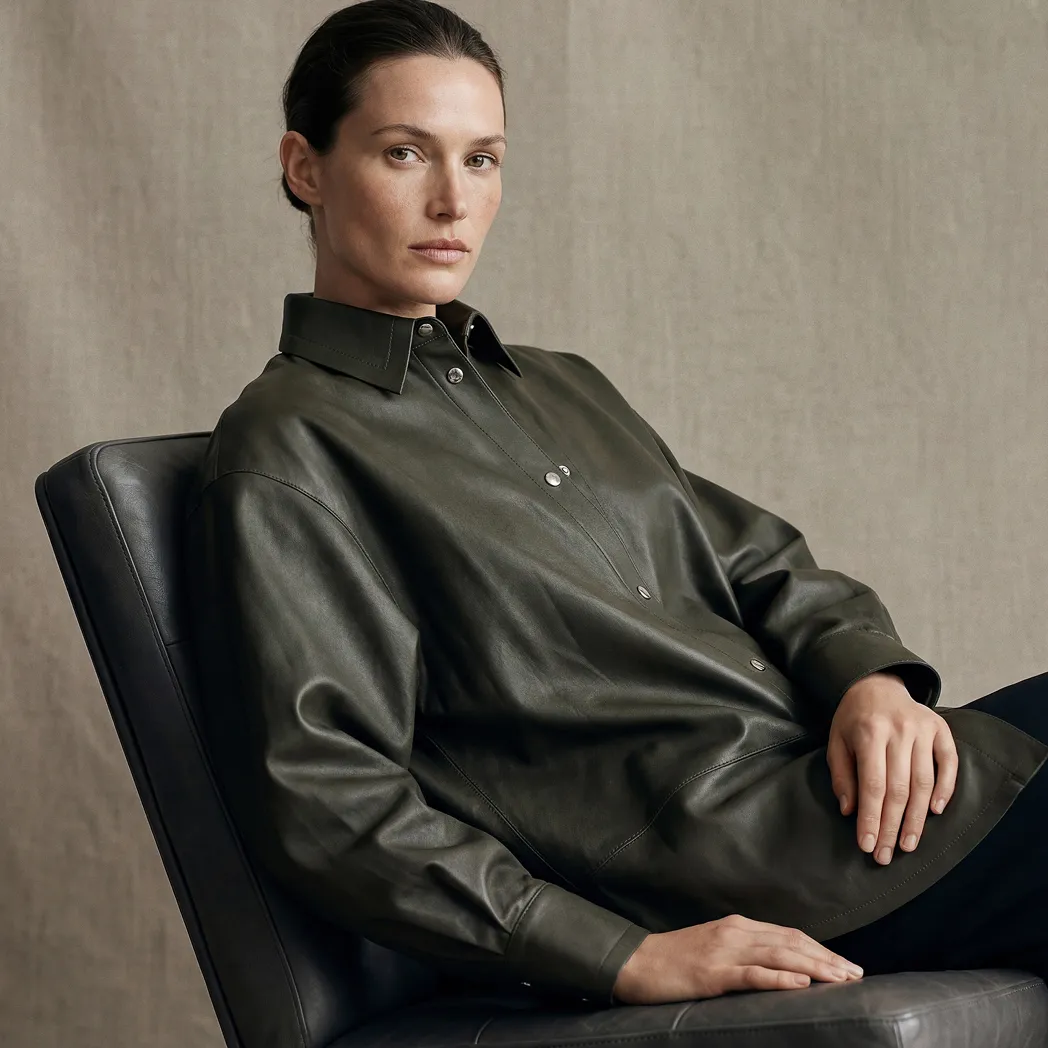
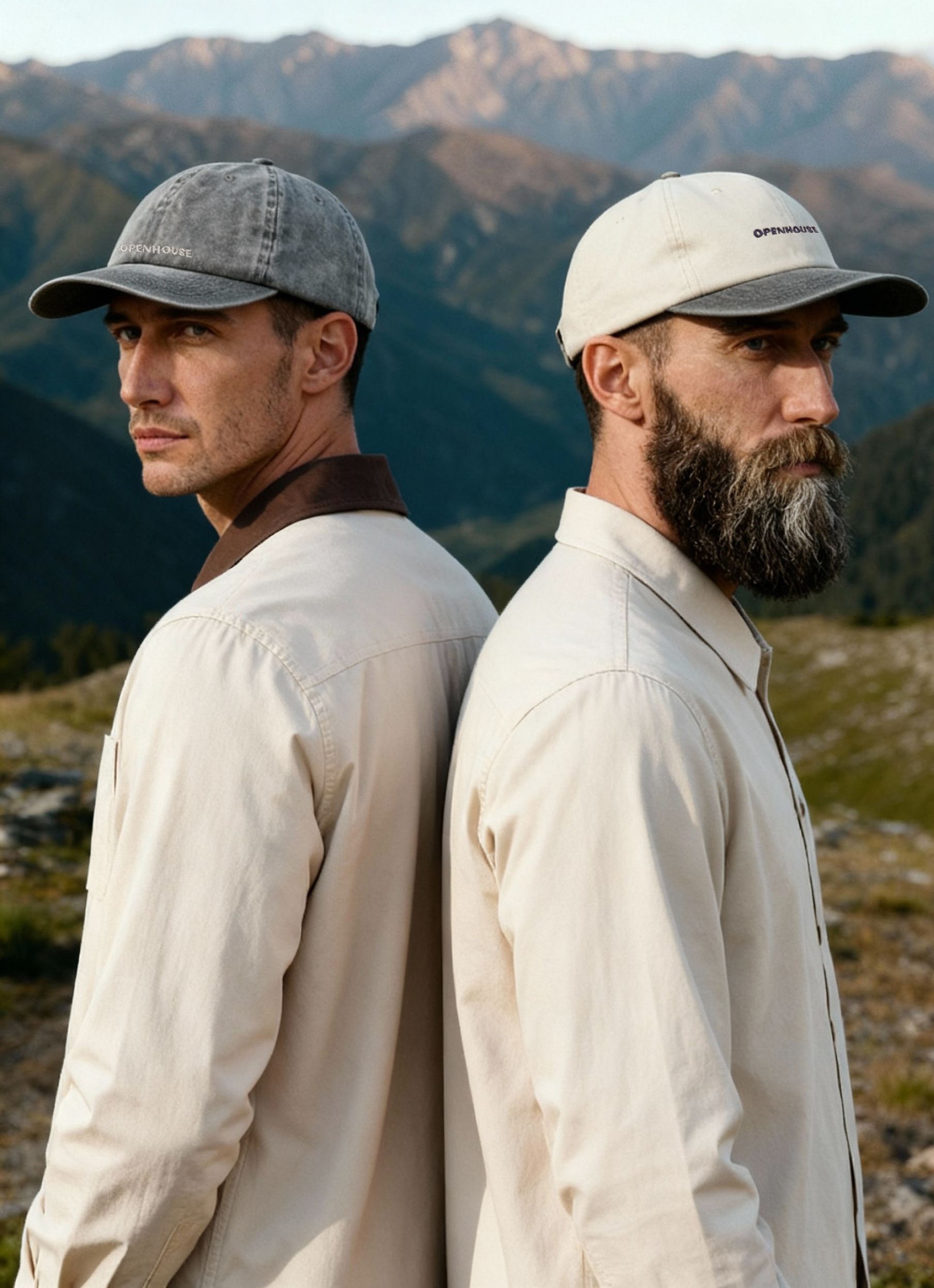
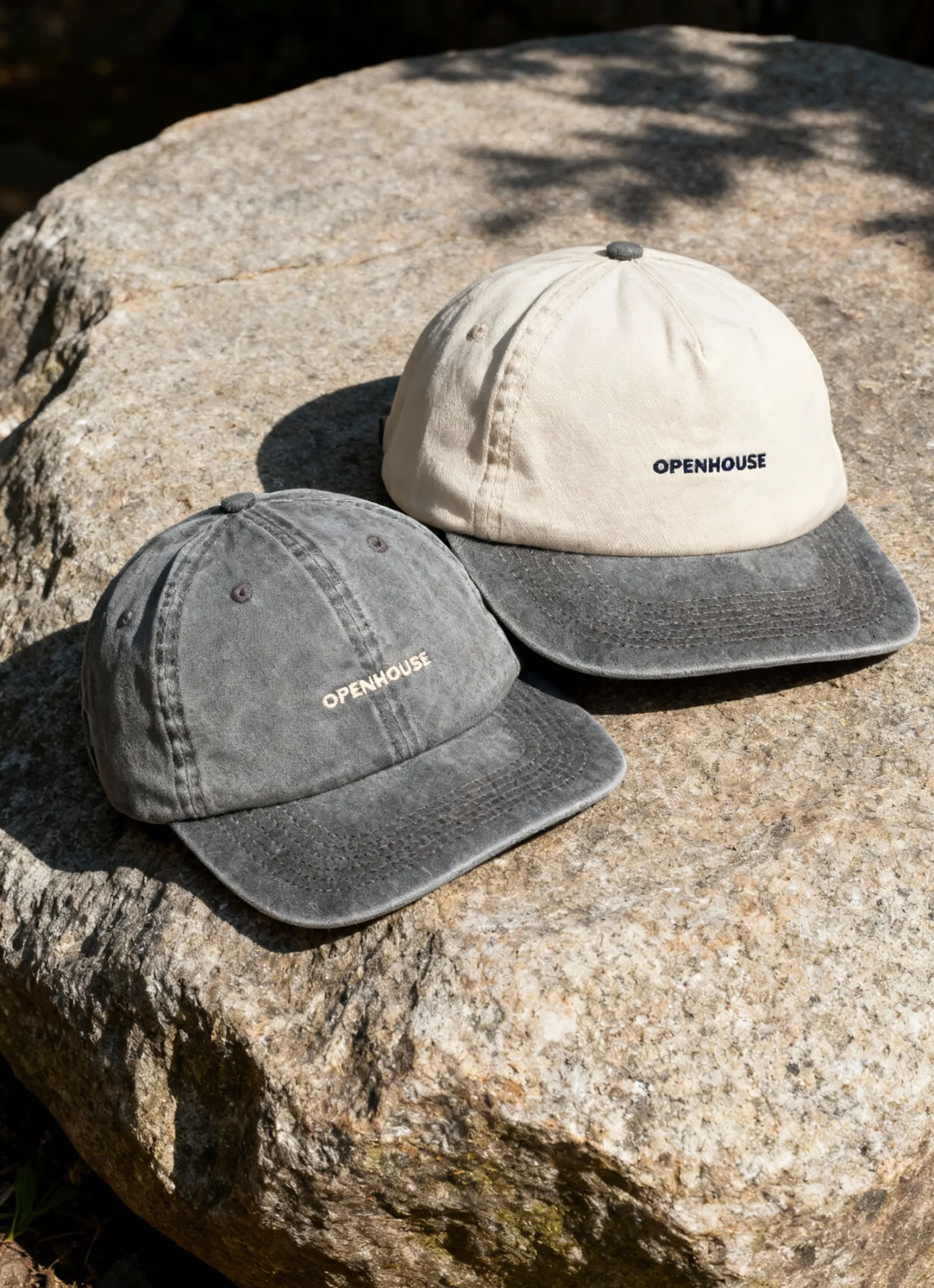
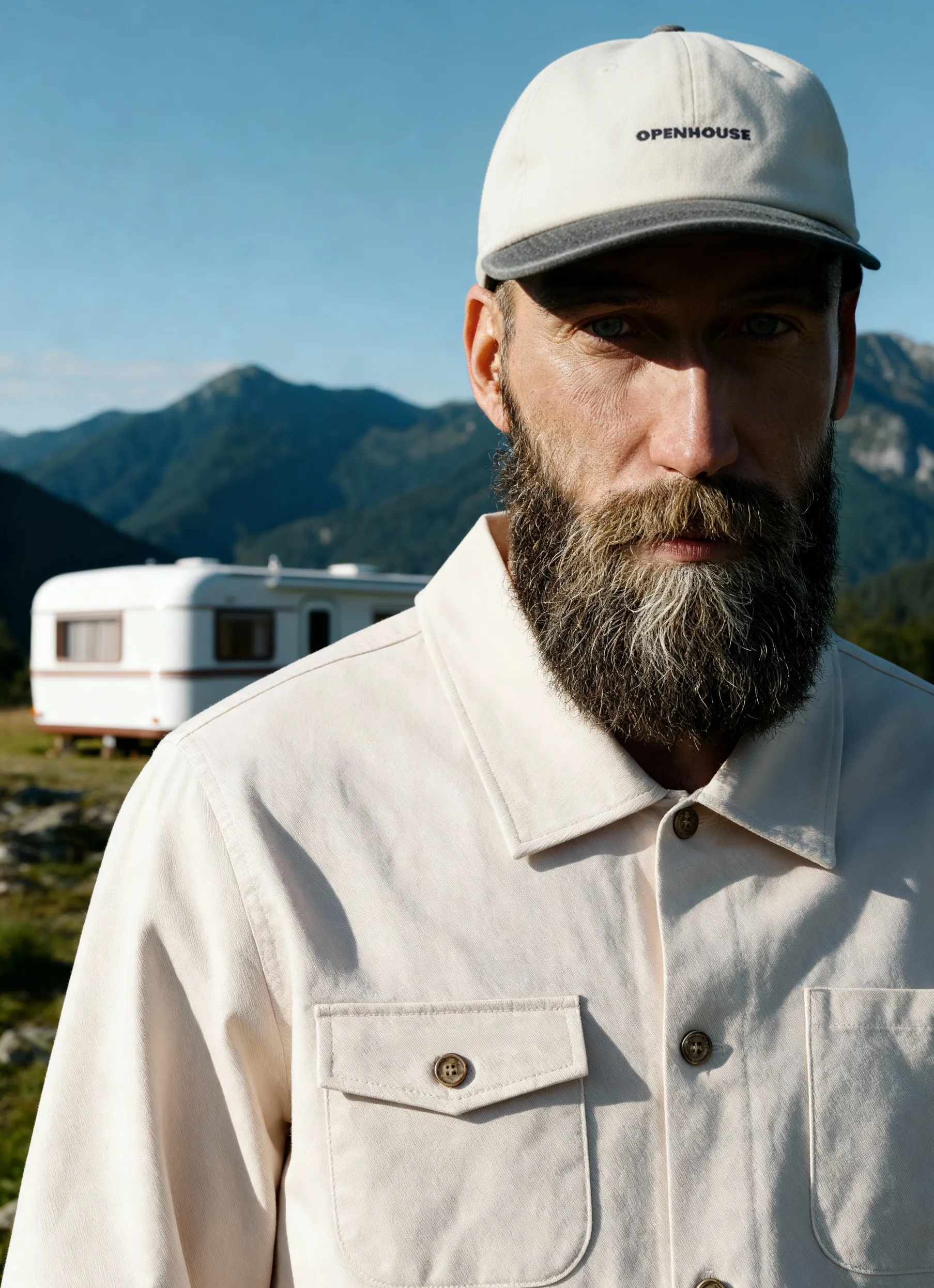
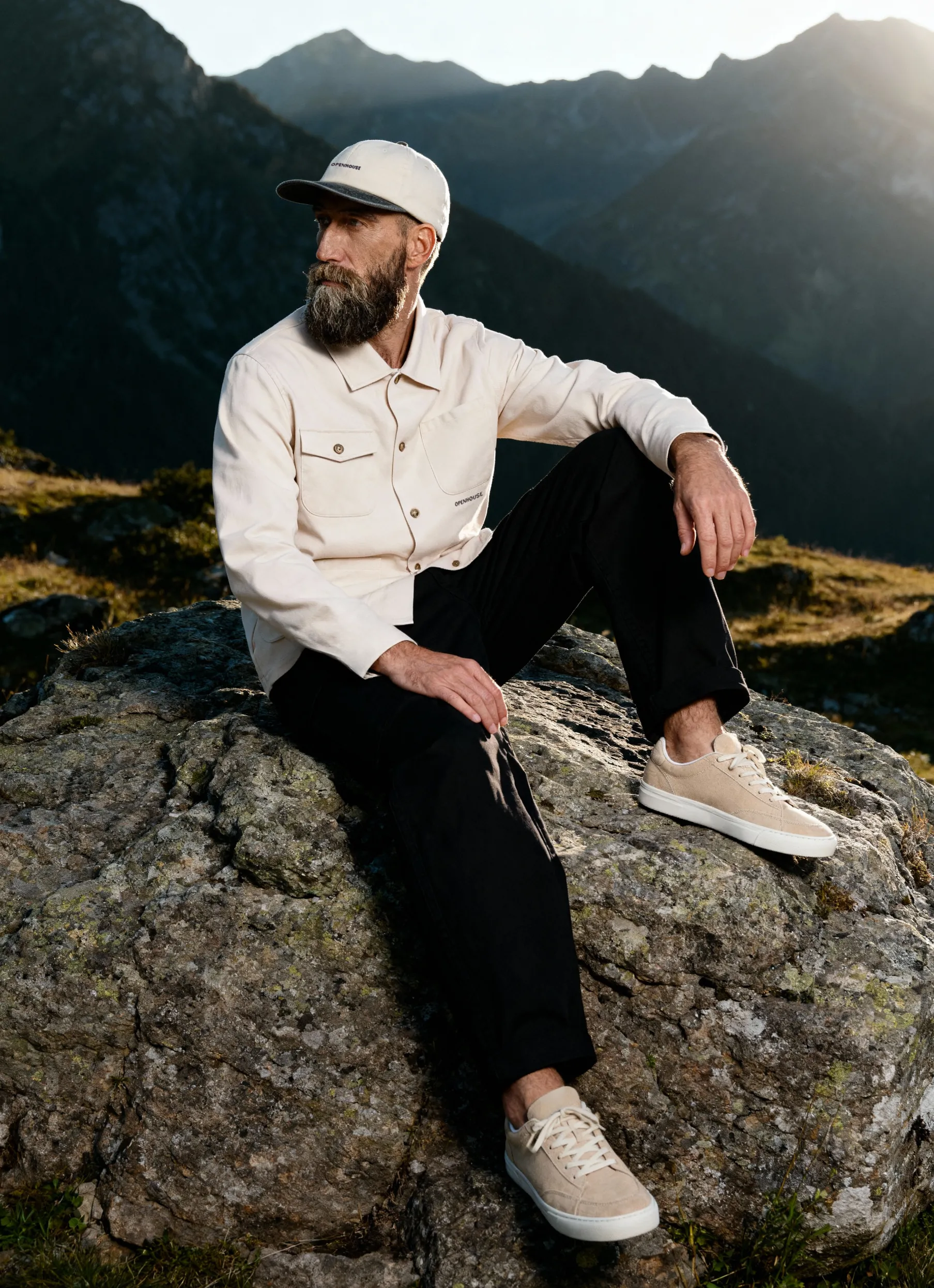
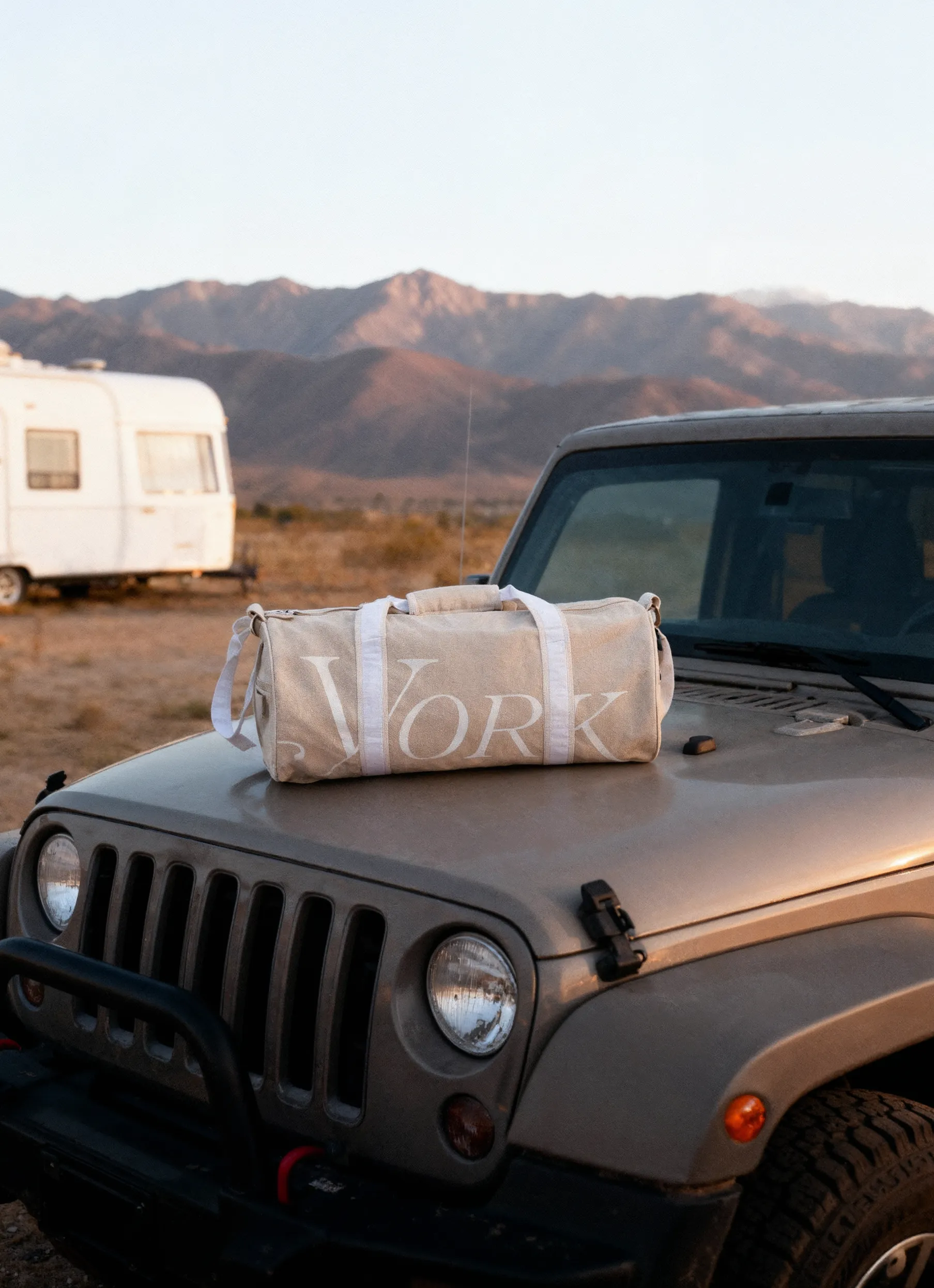
    The hero shot is a product image enriched with props, background, and the best possible light. It infuses mood, imparts brand spirit, and provides context to the photographed item. It is mostly used for social media and category pages in an online store. The hero shot focuses on a single key feature of the brand, offer, or product, requiring fewer resources than a full commercial shoot.

    Or, as Mitya Kovalenko, co-founder of Squareshot, puts it:

    It’s like a simplified version of a full campaign. A hero shot focuses on one idea or one facet of the brand, telling a more direct, single-angle story about the product, without the need for higher production costs.

    A full commercial shoot, on the other hand, requires significant time, team effort, and planning to align with broader storytelling, marketing strategy, and brand identity.

    That’s why a hero shot sits somewhere in between — a hybrid of product and commercial photography.

    What defines a hero image?

    Product as the centerpiece of the composition

    You will usually have one central product you are trying to sell or familiarize the audience with. It can also be a group photo but is much less common. There are no rules about how much of a product goes into the final picture, but more often than not, it's a full-sized product facing the camera at a slight angle or directly.

    No items found.
    Photo 1: Tom Ford, Photo 2: Christian Louboutin x Maison Margiela, Photo 3: Loewe, Photo 4: Alohas
    1/1

    Strategic use of ambiance and context

    Unlike a standard product image, a product hero shot will have some mood and brand identity infused into it. It provides context to the item in focus.

    No items found.
    Photos: Squareshot
    1/1

    Thoughtful selection of props, backgrounds, and creative lighting

    How do you infuse the intangible spirit into a piece of visual content? It's usually a combination of the props, textures, color of the background, positioning, and the concept of the shoot.

    No items found.
    Photo 1: MiuMiu, Photo 2: Jil Sander, Photo 3: Arket, Photo 4: Max Mara, Photo 5: Cartier
    1/1

    Optimization for social media engagement

    While hero images are also used to illustrate a product category in an online store, they are most often shot to convert social media into website traffic. Their appealing aesthetics make them stand out in the feed, capturing the viewer’s attention and driving them to an online store.

    Positioning between standard product images and high-end commercial visuals

    The price point further reveals the mid-point of hero shot product photography — it’s basically more emotion-driven than product images but still less thorough than commercial photos. This is reflected in the pricing, too.

    You only throw one creative idea into such images, enough to make them pop in a social media channel's newsfeed but not profound and all-embracing enough to represent the entire brand or collection.

    So, the hero image pricing is usually just a formula:

    Hero shot price = product image price + props cost + additional editing
    No items found.
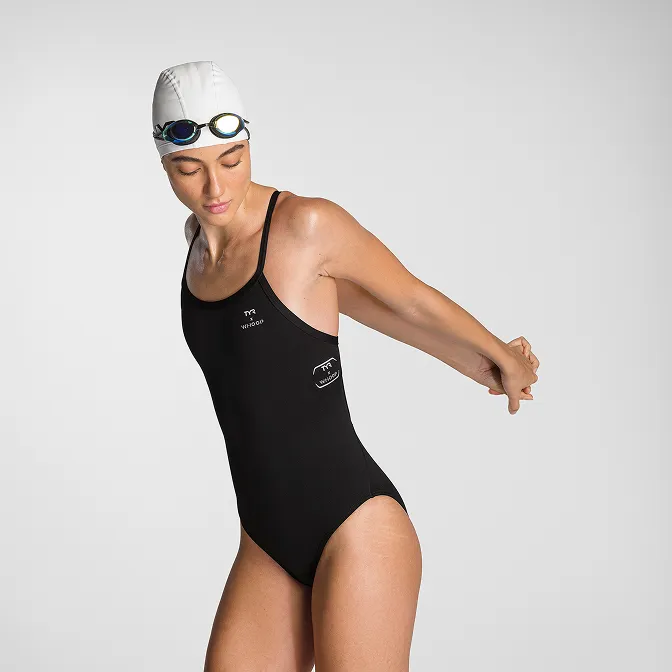
    Photo 1: Sacai, Photo 2: NEOUS, Photo 3: Alaїa, Photo 4: en route jewelry
    1/1
    Start your brief today
    Scope and budget your upcoming project. Then submit it for review.
    start brief->
    article model
    Start your brief today
    Scope and budget your upcoming project. Then submit it for review.
    start brief->

    Where hero shots actually work?

    Hero shots for e-commerce can be used across different channels:

    1. In an online store as one of the product photos

    In this case, there are 3 scenarios:

    A hero shot is used as the first image. However, it can sometimes feel overwhelming when displayed on a category page. With so much creativity at play, users may struggle to grasp the product’s core functionality at a glance.

    A hero shot is used as the final image. In this case, you get the emotional impact at the end of scrolling through the product image collection, but you can still enjoy the neat category page with uniform product images.

    Hero shot on the webpage
    Photo: Rhode

    Hero shots are strategically placed within product pages or category feeds, where standard product images dominate. E-commerce brands use them to catch visitors’ eye and drive clicks to specific items, making them a powerful tool for highlighting standout products. This approach can be especially effective for boosting sales of slow-moving or seasonal items nearing the end of their cycle.

    2. In an online store as a category image

    Depending on your online store's architecture and navigation, the category may have a page or a submenu devoted to it. Hero images belong nicely to category images, as they are functional enough and still convey an emotion.

    Hero shot on the webpage
    Photo: Le labo

    3. On social media

    The most frequent and purposeful use of this type of product image is social media. Facebook, Instagram, and X are all highly entertaining, so a mere white background product image will fail to attract attention.

    Hero shot usage on social media
    Photo 1: Yuzefi, Photo 2: Toteme

    In this visually competitive environment, visual content must have a bright, eye-catching composition and a creative angle to fight for the user’s attention.

    4. For blog pieces in outreach campaigns and influencer marketing

    If you do influencer marketing or provide your pieces for articles like “20 gifts for Mother’s Day under $50”, hero images will perfectly illustrate your story.

    Commercial image vs. Hero shot vs. Product photo

    Not all product imagery serves the same purpose. The difference isn’t just visual — it’s the level of creative investment and where the image is used.

    Product images are built for clarity.
    They show the product as accurately as possible, typically on a white or neutral background, with consistent lighting and minimal distraction. These images support product pages, marketplaces, and any environment where detail matters most.

    Hero shots introduce context.
    They add light styling, props, or environmental elements while keeping the product as the focal point. The goal isn’t full storytelling, but enough visual depth to capture attention and make the product feel more tangible.

    Commercial imagery is campaign-driven.
    It involves more complex sets, art direction, and narrative. These images are designed to communicate brand identity at a higher level, often across ads, landing pages, and seasonal campaigns.

    Hero shots sit between the two.

    They require more intention than standard product images, but far less production than a full campaign. This makes them especially useful for brands that need to scale content while maintaining visual quality.

    Below is a quick comparative table of the differences between the three types of visuals.

    Commercial image vs. Hero shot vs. Product photo - Table

    Stages of hero shots production for e-commerce and social media

    There are some particulars when it comes to planning and developing creative images, with most of the routine being the same as regular product photoshoots.

    1. The search for the central idea, inspiration, and references

    It all starts with an idea. Create a hero short for a specific occasion, like Christmas or Halloween. Sometimes, you need to create a hero shot to represent the entire collection, for example, a skiing collection. You may also want a more creative shot to represent your collection based on the products it's produced from.

    In either scenario, it all starts with a little brainstorming and a search for references that resonate with the spirit of your product.

    2. The search of props and the background

    Once the idea is approved, the team will find the right props and backgrounds for the shoot. You may want to combine several techniques to translate your idea: specific items to accompany your main product, colored or textured background, use of specific lighting and shadows, unusual positioning of the objects, etc.

    3. Shooting process

    The next stage is fairly technical and involves all the regular stages of the shoot preparation.

    We have set them out in the tiniest detail for you in this piece:

    E-commerce Product Photography Insider Guide: from zero to hero.

    4. Post-production and editing (Social media format prep)

    Every e-commerce photographer knows to take as much care during the shoot itself so as to minimize the post-production stage.

    Still, even the simplest product images require some tweaking with size, exposure, format, shapes, background, or ghost mannequin removal. Hero shot photography may require extra effort due to its overall higher level of complexity.

    Naturally, as social media is the primary application of this type of visual content, you need to provide different formats per the recent guidelines for each channel.

    If you decide to position your product at an unusual angle or buy hard-to-get props to make a hero shot of your products, you can be sure this piece of visual content is the best value for money. We recommend that our clients take hero shots for their key category products. They serve well to attract potential buyers from social media channels, reinforce brand awareness, and drive that CTR up.

    Afterword

    Hero shots aren’t a replacement for product or campaign imagery, they fill the space between them. Standard product images ensure clarity. Campaign visuals build brand. Hero shots help connect the two.

    For brands producing content across multiple channels, this balance matters. It allows teams to expand their visual library without significantly increasing production effort. Used intentionally, hero shots make product imagery more flexible, more engaging, and easier to scale.

    If you’re exploring how to introduce hero shots into your workflow, our team can help you plan and produce visuals that fit seamlessly into your existing system.

    No items found.
    1/1
    No items found.
    1/1
    No items found.
    1/1
    No items found.
    1/1
    No items found.
    1/1
    Article by
    Alex Davidovich
    Alex Davidovich is an entrepreneur with over 10 years in content production and product design, sharing insights shaped by real-world experience.
    I share weekly insights on e-comm content production
    Thank you! Your submission has been received!
    Oops! Something went wrong while submitting the form.
    Thank you! Your submission has been received!
    Oops! Something went wrong while submitting the form.
    Enjoy the article?
    You'll love squareshot.com, the product photography service that over 2,500 brands rely on. Build the Brief for your next launch!
    Home
    ->
    Blog
    ->
    hero-shot-ecommerce-trend
    ...
    GIVE YOUR
    Product A
    SQUARE SHOT
    Need Product images That Sell?
    SKIP THE SHOOT. GO AI
    High-quality product visuals in days, not weeks. Flexible styles. Optimized for e-commerce.
    learn more ->
    Guides
    March 23, 2026
    5
    MINS READ

    Hero shot: The E-commerce Photography Trend that Drives CTR Up

    Subscribe to our newsletter

    Once a month, we send useful materials to help you in your work

    Thank you! Your submission has been received!
    Oops! Something went wrong while submitting the form.
    Share

    Where hero shots actually work?

    Hero shots for e-commerce can be used across different channels:

    1. In an online store as one of the product photos

    In this case, there are 3 scenarios:

    A hero shot is used as the first image. However, it can sometimes feel overwhelming when displayed on a category page. With so much creativity at play, users may struggle to grasp the product’s core functionality at a glance.

    A hero shot is used as the final image. In this case, you get the emotional impact at the end of scrolling through the product image collection, but you can still enjoy the neat category page with uniform product images.

    Hero shot on the webpage
    Photo: Rhode

    Hero shots are strategically placed within product pages or category feeds, where standard product images dominate. E-commerce brands use them to catch visitors’ eye and drive clicks to specific items, making them a powerful tool for highlighting standout products. This approach can be especially effective for boosting sales of slow-moving or seasonal items nearing the end of their cycle.

    2. In an online store as a category image

    Depending on your online store's architecture and navigation, the category may have a page or a submenu devoted to it. Hero images belong nicely to category images, as they are functional enough and still convey an emotion.

    Hero shot on the webpage
    Photo: Le labo

    3. On social media

    The most frequent and purposeful use of this type of product image is social media. Facebook, Instagram, and X are all highly entertaining, so a mere white background product image will fail to attract attention.

    Hero shot usage on social media
    Photo 1: Yuzefi, Photo 2: Toteme

    In this visually competitive environment, visual content must have a bright, eye-catching composition and a creative angle to fight for the user’s attention.

    4. For blog pieces in outreach campaigns and influencer marketing

    If you do influencer marketing or provide your pieces for articles like “20 gifts for Mother’s Day under $50”, hero images will perfectly illustrate your story.

    Commercial image vs. Hero shot vs. Product photo

    Not all product imagery serves the same purpose. The difference isn’t just visual — it’s the level of creative investment and where the image is used.

    Product images are built for clarity.
    They show the product as accurately as possible, typically on a white or neutral background, with consistent lighting and minimal distraction. These images support product pages, marketplaces, and any environment where detail matters most.

    Hero shots introduce context.
    They add light styling, props, or environmental elements while keeping the product as the focal point. The goal isn’t full storytelling, but enough visual depth to capture attention and make the product feel more tangible.

    Commercial imagery is campaign-driven.
    It involves more complex sets, art direction, and narrative. These images are designed to communicate brand identity at a higher level, often across ads, landing pages, and seasonal campaigns.

    Hero shots sit between the two.

    They require more intention than standard product images, but far less production than a full campaign. This makes them especially useful for brands that need to scale content while maintaining visual quality.

    Below is a quick comparative table of the differences between the three types of visuals.

    Commercial image vs. Hero shot vs. Product photo - Table

    Stages of hero shots production for e-commerce and social media

    There are some particulars when it comes to planning and developing creative images, with most of the routine being the same as regular product photoshoots.

    1. The search for the central idea, inspiration, and references

    It all starts with an idea. Create a hero short for a specific occasion, like Christmas or Halloween. Sometimes, you need to create a hero shot to represent the entire collection, for example, a skiing collection. You may also want a more creative shot to represent your collection based on the products it's produced from.

    In either scenario, it all starts with a little brainstorming and a search for references that resonate with the spirit of your product.

    2. The search of props and the background

    Once the idea is approved, the team will find the right props and backgrounds for the shoot. You may want to combine several techniques to translate your idea: specific items to accompany your main product, colored or textured background, use of specific lighting and shadows, unusual positioning of the objects, etc.

    3. Shooting process

    The next stage is fairly technical and involves all the regular stages of the shoot preparation.

    We have set them out in the tiniest detail for you in this piece:

    E-commerce Product Photography Insider Guide: from zero to hero.

    4. Post-production and editing (Social media format prep)

    Every e-commerce photographer knows to take as much care during the shoot itself so as to minimize the post-production stage.

    Still, even the simplest product images require some tweaking with size, exposure, format, shapes, background, or ghost mannequin removal. Hero shot photography may require extra effort due to its overall higher level of complexity.

    Naturally, as social media is the primary application of this type of visual content, you need to provide different formats per the recent guidelines for each channel.

    If you decide to position your product at an unusual angle or buy hard-to-get props to make a hero shot of your products, you can be sure this piece of visual content is the best value for money. We recommend that our clients take hero shots for their key category products. They serve well to attract potential buyers from social media channels, reinforce brand awareness, and drive that CTR up.

    Afterword

    Hero shots aren’t a replacement for product or campaign imagery, they fill the space between them. Standard product images ensure clarity. Campaign visuals build brand. Hero shots help connect the two.

    For brands producing content across multiple channels, this balance matters. It allows teams to expand their visual library without significantly increasing production effort. Used intentionally, hero shots make product imagery more flexible, more engaging, and easier to scale.

    If you’re exploring how to introduce hero shots into your workflow, our team can help you plan and produce visuals that fit seamlessly into your existing system.

    read also

    Similar articles — Similar articles — Similar articles —
    Similar articles — Similar articles — Similar articles —
    No items found.
    No items found.