

Jewelry is one of the hardest product categories to sell online — and one of the highest-stakes. Your customer can't pick up the ring, hold it to the light, or feel the weight of a chain in their hand. All they have are your images. That means your photography isn't a supporting element of your product page. It is your product page.
The brands winning in jewelry e-commerce right now aren't necessarily selling better jewelry. They're showing it better. High-quality product photography for jewelry has been shown to increase conversions by up to 94% compared to low-quality images — and for a category where the average e-commerce conversion rate sits around 1.19%, that gap is enormous. Get the imagery right, and you're not just making your products look good. You're closing sales that would have otherwise walked out the door.
This guide covers everything a brand owner, content manager, or creative director needs to know about jewelry e-commerce photography — from lighting setups and styling choices to editing workflows, image optimization, and the mistakes that silently kill conversions.
Why Jewelry Photography Is Uniquely Difficult
Most product categories are hard to photograph well. Jewelry is in a category of its own.
The challenge starts with the material. Polished metals are essentially tiny mirrors — they reflect everything in the room, including your lights, your camera, and your hands. Gemstones refract and scatter light in unpredictable ways. A diamond that looks stunning to the naked eye can appear dull and lifeless in a poorly lit shot. A sterling silver ring can look grey and cheap under the wrong light, or blindingly overexposed under too much of it.
Then there's scale. Most jewelry pieces are small — sometimes tiny — which means you're working in a macro range where depth of field collapses to millimeters. A ring that looks sharp to the human eye may be almost entirely out of focus in a photo shot with standard settings. Every scratch, fingerprint, or casting imperfection gets magnified.
Add in the fact that jewelry needs to communicate materials (is this gold or gold-plated?), craftsmanship (are those stones set well?), and brand positioning (is this a $50 fashion piece or a $5,000 fine jewelry piece?) — all within a single image — and you start to understand why getting this category right requires a dedicated approach.
This is also why investing in a studio that understands jewelry specifically is worth far more than a generalist photographer with good equipment. Understanding what a professional product photography brief looks like for jewelry is the first step to getting results.
The Shot Types You Actually Need
Most jewelry listings underinvest in image variety. A single hero shot against a white background isn't enough. Research consistently shows that shoppers who see multiple angles and contexts are significantly more likely to add to cart and complete checkout.
Here's the core shot set every jewelry product page should have:
The hero shot is your primary listing image — clean white or off-white background, perfectly lit, sharp from front to back. This is the image that earns the click. It needs to communicate quality and style in under a second, because that's approximately how long shoppers give it before scrolling.
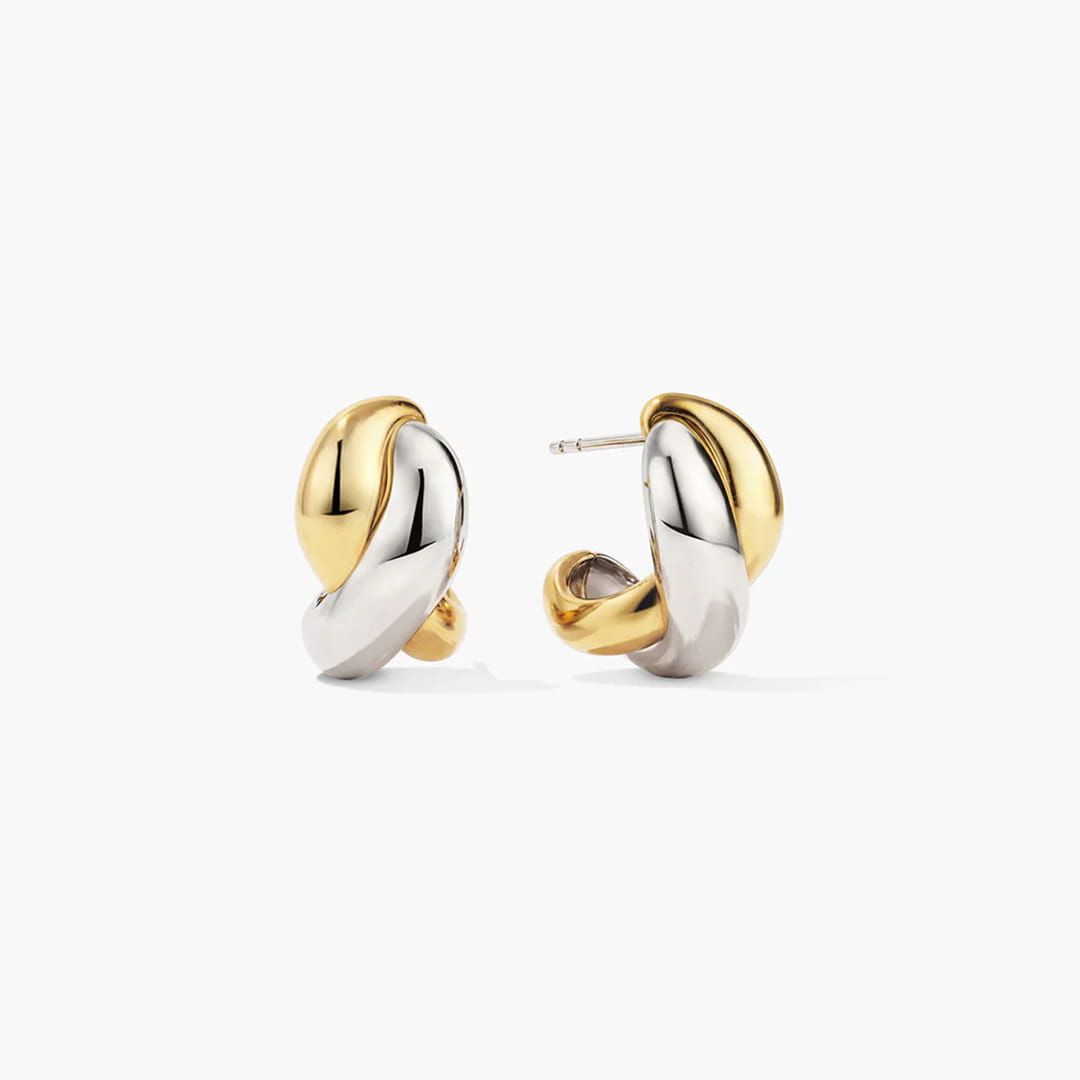
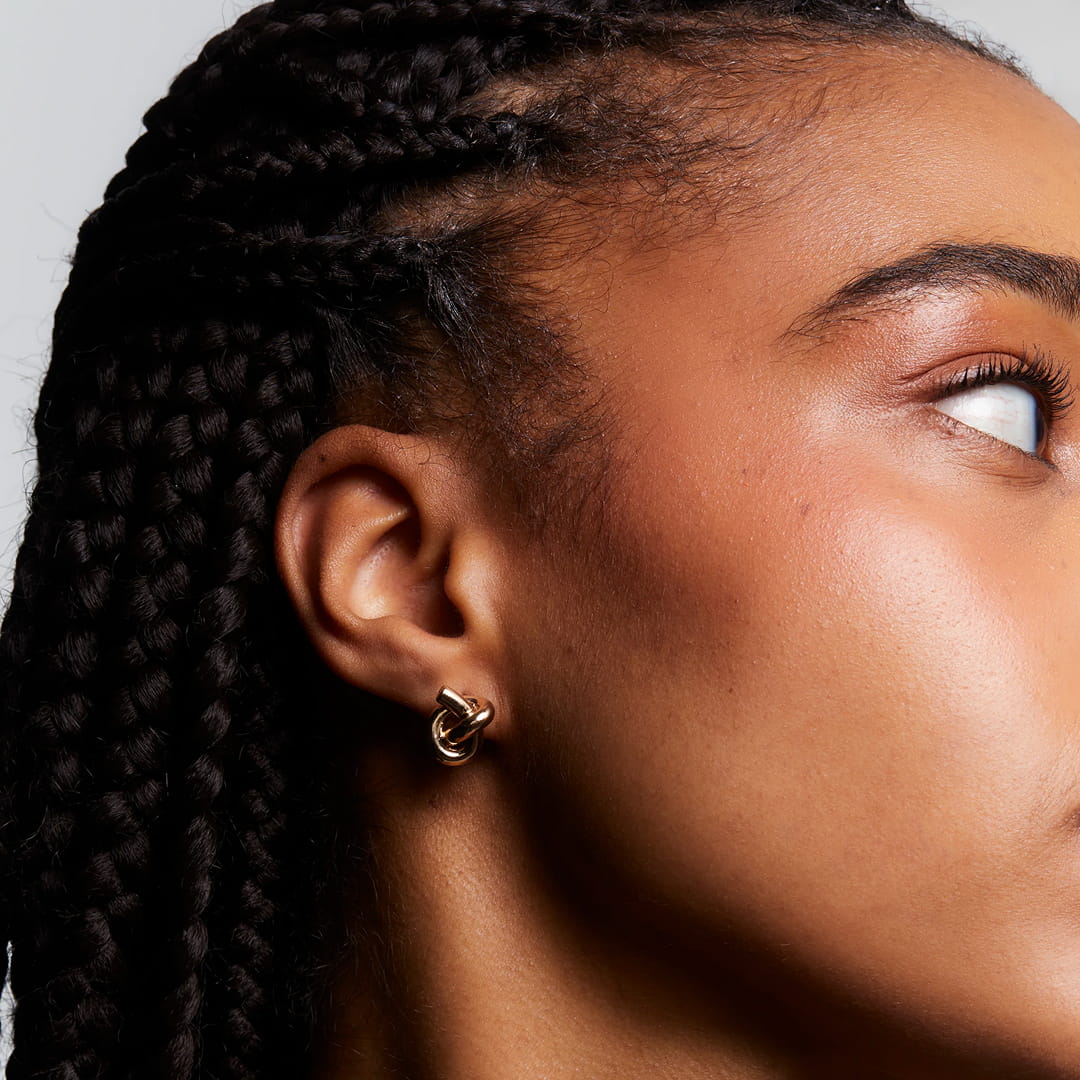
Detail shots are where you prove craftsmanship. A close-up of a stone setting, the texture of a hammered band, the clasp mechanism on a bracelet — these are the shots that justify the price point. Shoppers who are considering a higher-ticket purchase will zoom in and scrutinize. Give them something worth scrutinizing.
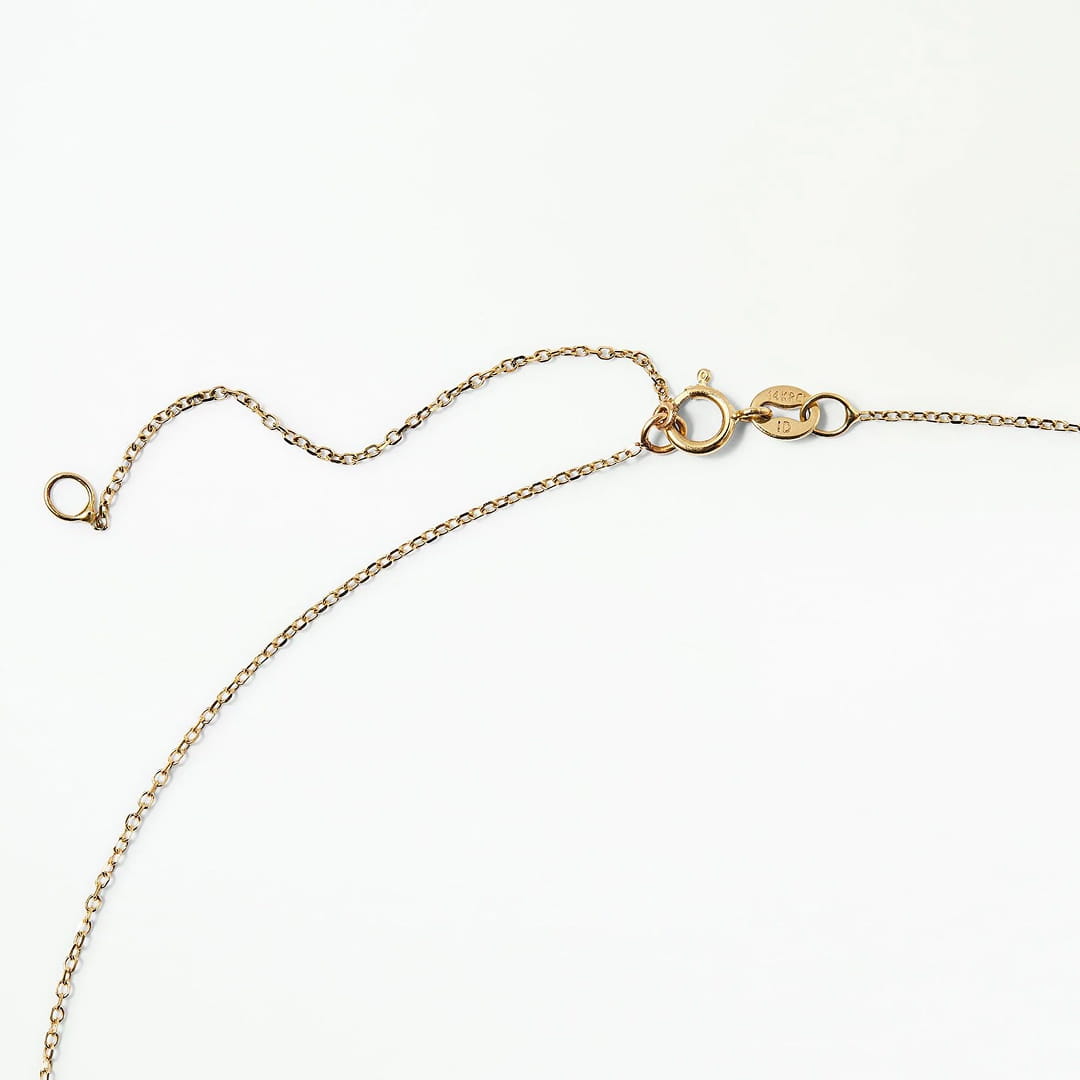
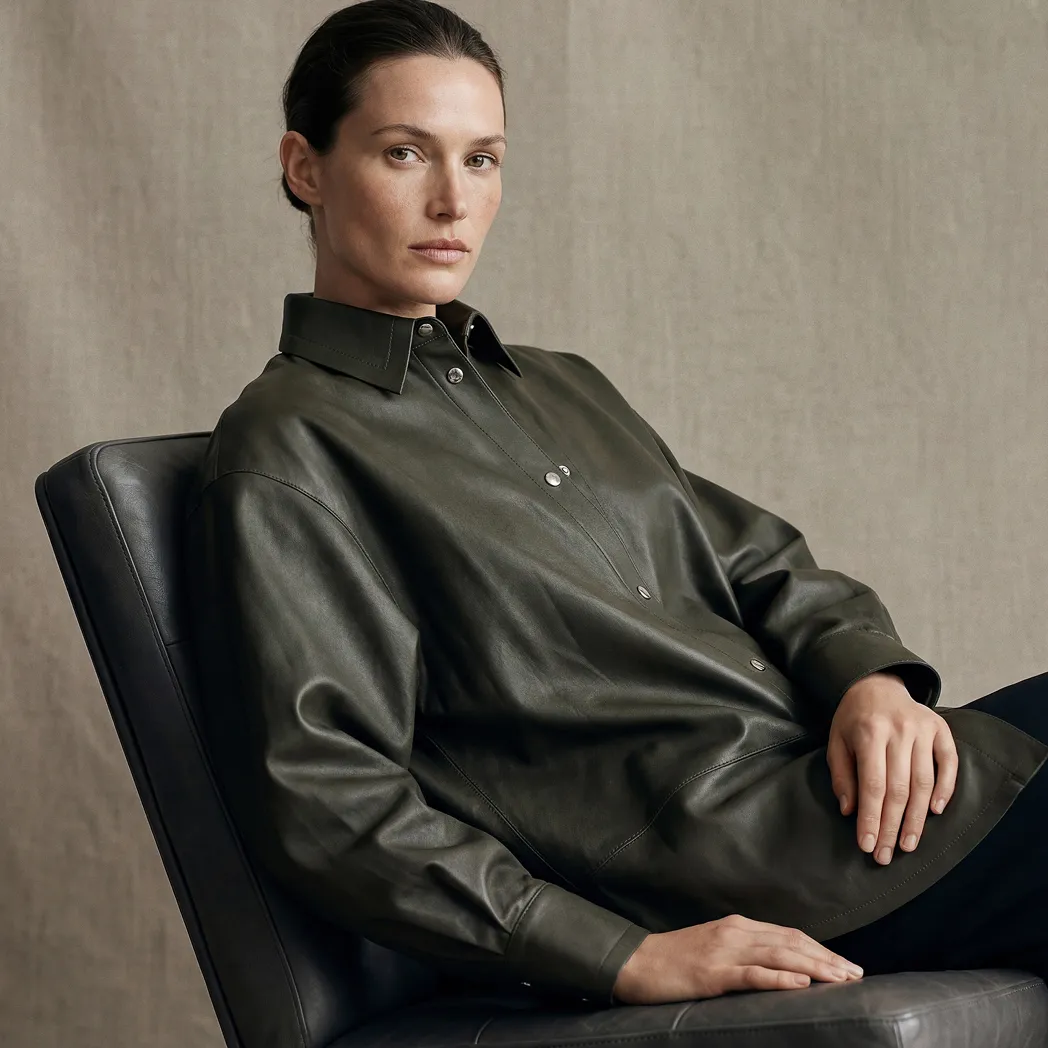
On-model or on-hand shots do something no studio shot can: they communicate scale and wearability. A pendant looks very different against a clean background versus against a neckline. A stacking ring looks different on a hand than it does sitting flat. According to a Photoroom survey of over 1,000 jewelry e-commerce brands, 82% of sellers mix three to five photography styles per listing — white-background hero, on-model macro, and lifestyle flat lay among them.

Lifestyle shots provide context and aspirational value. These images aren't just functional — they communicate brand identity. The setting, the styling, and the mood lighting all say something about who your customer is and what wearing your jewelry means. These are the images that drive engagement on social media and pull people deeper into your brand.

Flat lay and grouped shots are useful for collections, gift sets, or showing how pieces layer together. They're particularly effective for seasonal campaigns and editorial content.

If you're unsure how to brief each shot type effectively, our guide to preparing for a product photography shoot walks through exactly what information to give your studio.
Lighting: The Make-or-Break Variable
No single factor has more impact on jewelry photography than lighting. Get it wrong, and even a beautiful piece looks amateur. Get it right, and a mid-range product can look like fine jewelry.
Diffused light is your foundation. Harsh direct light creates hard shadows and causes polished metals to blow out, losing all detail in a wash of overexposed highlight. Soft, diffused light wraps around the piece more evenly, preserving detail in both shadows and highlights. This is achieved through light diffusion panels, softboxes, or a lightbox enclosure.
The three-light setup is the standard for professional jewelry photography: a primary key light for the main illumination, a fill light on the opposite side to reduce shadows without eliminating them entirely, and a backlight or rim light to separate the piece from the background and add depth. The ratios between these lights determine the mood and perceived material quality.
Color temperature matters more than most brands realize. Gold jewelry photographs best in warmer light (around 3200–4000K), which enhances the warmth of the metal. Silver and white gold read better in cooler, daylight-balanced light (5000–5500K). Mixing color temperatures — even slightly — produces an unnatural cast that no amount of editing fully corrects.
For gemstones specifically, a small, focused light source creates the internal brilliance and light scatter that makes stones come alive. This is often a narrow spot or a fiber optic light positioned to catch the stone from the ideal angle. Finding this angle takes time and experimentation — which is why experienced jewelry photographers are worth the investment. As we cover in our breakdown of what goes into a professional product shoot, lighting setup time for jewelry is significantly longer per piece than almost any other product category.
Common Mistakes That Kill Conversions
Even brands that invest in photography often leave money on the table through avoidable errors. These are the most common ones.
Fingerprints and dust. Under macro conditions, a fingerprint invisible to the naked eye becomes a glaring distraction. Every piece should be cleaned immediately before shooting — ideally with a microfiber cloth and, for metals, a jewelry polishing cloth. This step alone eliminates a significant chunk of retouching time and prevents detail shots from looking grimy.
Inconsistent white balance across SKUs. If your yellow gold bracelet looks slightly orange in one shot and slightly yellow in another, customers notice even if they can't articulate why. Inconsistency makes a brand look careless. Every image in your catalog should be shot and edited to the same white balance standard.
No scale reference. A pendant photograph floating against a white background gives the shopper almost no information about how large it is. Is it a statement piece or a delicate minimalist design? Show it on a model or next to a reference object.
Over-retouching. There's a fine line between correcting unavoidable flaws and misrepresenting the product. Removing genuine material characteristics — the warmth of yellow gold, the slight texture of a handmade piece — creates a disconnect between expectation and reality that leads to returns and negative reviews. The goal of retouching is accuracy and consistency, not idealization.
Background choices that compete with the product. Patterned, textured, or colored backgrounds pull visual attention away from the jewelry itself. For primary listing images, the background should disappear. White, off-white, or very light grey are the standard choices for good reason.
Shooting without a brief. Arriving at a shoot without a detailed brief — shot list, angles, styling direction, reference images — wastes expensive studio time and produces inconsistent results. A well-prepared brief is the single most effective thing a brand manager can do to improve output quality.
Equipment and Budget: What You Actually Need
There's a persistent myth that great jewelry photography requires a massive equipment investment. The reality is more nuanced.
Camera body. A modern mirrorless camera with a full-frame or APS-C sensor is ideal, but modern flagship smartphones — particularly in controlled lighting environments — produce results competitive with entry-level DSLRs for many applications. Where a dedicated camera genuinely earns its keep in jewelry photography is in macro lens compatibility and RAW file latitude for editing.
Macro lens. This is the one piece of equipment that genuinely has no affordable shortcut for jewelry. A 90mm or 100mm macro lens allows you to capture extreme detail at close range while maintaining working distance from the piece. Without a macro lens, fine detail shots are not achievable at a professional standard.
Lighting setup. A basic two-light softbox kit is the entry point. For jewelry specifically, adding a small LED spot for gemstone illumination makes a disproportionate difference. Budget-friendly lighting setups start around $150–300 for serviceable quality; professional studio setups run significantly higher but include the consistency and control that matters at scale.
Lightbox enclosure. For brands shooting a high volume of pieces at a consistent standard, a lightbox is a practical tool. It diffuses light evenly from multiple angles and minimizes reflections. Budget options start around $30–80.
For small brands, the honest question is whether in-house photography is actually more cost-effective than outsourcing. Professional product photography for jewelry typically runs $50–100 per piece for comprehensive coverage across multiple angles — and includes professional retouching. When you factor in equipment amortization, time cost, and the quality gap, outsourcing often produces better images at a comparable or lower effective cost per piece, particularly for brands launching seasonal collections.
Editing and Retouching: The Invisible Work That Matters
A great shoot produces great raw files. Getting those raw files to final images ready for your product page requires a disciplined editing workflow.
Color correction is non-negotiable. The camera doesn't always capture materials the way the eye sees them. White balance adjustments, exposure correction, and highlight recovery are the baseline. More nuanced color work — ensuring that rose gold reads as distinctly rose gold rather than orange, or that a sapphire appears as deep blue rather than purple — requires experience with how jewelry materials behave in different light.
Background cleanup and isolation. Even a white background shot requires cleanup — shadows, uneven illumination, dust on the surface. For cutout images (pieces isolated on pure white or transparent backgrounds), careful masking is required. Automated tools handle straightforward pieces adequately; complex pieces with intricate metalwork or chains require manual work.
Retouching for consistency, not perfection. The goal is to produce images that match across your catalog and accurately represent the product. Removing casting seams that wouldn't be visible in person is reasonable. Digitally enhancing gemstone brilliance beyond what the piece actually produces is not — it sets expectations the product can't meet.
File export specs. For web use, JPEG at 80–85% quality hits the right balance between file size and image fidelity. Typical e-commerce platforms recommend 1000–2000px on the longest edge. Always keep your original high-resolution files — they're needed for print, marketplace requirements, and future use.
Image Optimization for Web Performance and SEO
Your photography can be technically excellent and still underperform if it's not optimized for the web. This is one of the most commonly overlooked areas in e-commerce image strategy.
File size directly impacts page speed, and page speed impacts conversions. A product page that takes more than three seconds to load loses a significant portion of its visitors before the images even appear. Large, uncompressed image files are one of the primary causes of slow product pages. Tools like TinyPNG or Squoosh compress images with minimal visible quality loss. For sites with large catalogs, implementing lazy loading — which defers loading of off-screen images until they're needed — can meaningfully improve page load performance.
Next-generation formats. WebP images offer significantly smaller file sizes than JPEG at comparable quality. Most modern browsers support WebP, and most major e-commerce platforms now either accept or automatically convert to it. If your platform supports it, WebP should be your default output format.
Alt text is both an accessibility and SEO requirement. Every product image should have descriptive alt text that includes the product name and relevant attributes — material, style, and, where appropriate, the keyword. For jewelry, this looks like: "14k yellow gold solitaire diamond engagement ring, round cut, 1ct" rather than "ring.jpg" or a generic placeholder. This is one of the simplest wins available in e-commerce SEO and one of the most consistently underdone.
Image file naming. Descriptive file names — "sterling-silver-hoop-earrings-40mm.jpg" rather than "IMG_4521.jpg" — contribute marginally to SEO and significantly to catalog management. Implement a naming convention before you have hundreds of product images to rename.
Structured data for product images. Implementing Product schema markup that includes your product images gives search engines richer information about your product pages and increases the likelihood of appearing in Google Shopping results and image search.
For a deeper look at how to structure your product pages for both conversion and search performance, our guide to e-commerce image strategy covers the technical side in detail.
How to Brief a Studio for Jewelry Shoots
The quality of what comes out of a studio is largely determined by the quality of what goes in. A vague brief produces inconsistent results. A detailed brief produces exactly what you need, on budget, first time.
A strong jewelry photography brief includes:
- Shot list per SKU — exactly which angles and shot types are required for each piece
- Background and surface specs — white sweep, textured surface, props, fabric
- Model or styling direction — if on-model shots are required, skin tone, jewelry styling, hand positioning
- Reference images — examples of competitors or editorial images that capture the mood you're after
- Technical requirements — resolution, file format, color profile, delivery format
- Retouching scope — what level of post-production is included, and what to flag for additional work
Sending products clean, well-organized, and clearly labeled also makes a significant difference. Unlabelled products in unlabelled bags cost time, which costs money.
Working with a studio that has jewelry-specific experience means less briefing required on technical setup, more time focused on creative execution. Squareshot's team works with jewelry brands and understands the particular demands of the category.
What Top-Performing Jewelry Brands Do Differently
The brands generating the strongest conversion rates from their photography share a few consistent practices.
They shoot more shot types per SKU. A single hero image is the floor, not the ceiling. Top performers use four or more images per product — hero, detail, on-model, lifestyle, and grouped or contextual — giving shoppers multiple reasons to stay on the page and build confidence.


They invest in consistency. A catalog where every product is shot at the same angle, with the same lighting, against the same background, builds a visual coherence that communicates professionalism. Inconsistency — even subtle inconsistency in color temperature or composition — signals carelessness.
They refresh imagery regularly. Nearly half of jewelry e-commerce sellers refresh their product images at least quarterly, according to research from Photoroom. Stale imagery, or images that no longer match a refreshed brand identity, is a silent conversion drag.
They treat photography as a revenue line item, not a cost center. The data is clear: switching to larger, high-resolution images has been shown to produce around a 9.5% increase in sales for jewelry. Better images reduce returns, increase average order value, and build the brand equity that allows you to charge more. The brands that understand this don't negotiate photography fees down to the lowest possible number — they optimize for output quality and measure the ROI.
Getting Started With Your Next Shoot
Jewelry e-commerce photography is complex, but the path to getting it right is straightforward: understand the technical requirements, brief your studio clearly, invest in quality across the full shot set, and optimize your images for the platform.
Every element covered in this guide — lighting, shot types, retouching, web optimization — compounds. A well-lit hero shot gets the click. A strong detail shot keeps the shopper on the page. An on-model image closes the sale. And a fast-loading, SEO-optimized product page brings in the traffic to start the whole cycle.
Squareshot specializes in product photography for e-commerce brands that take imagery seriously. If you're ready to shoot, start your brief, and we'll take it from there.
Product A
SQUARE SHOT