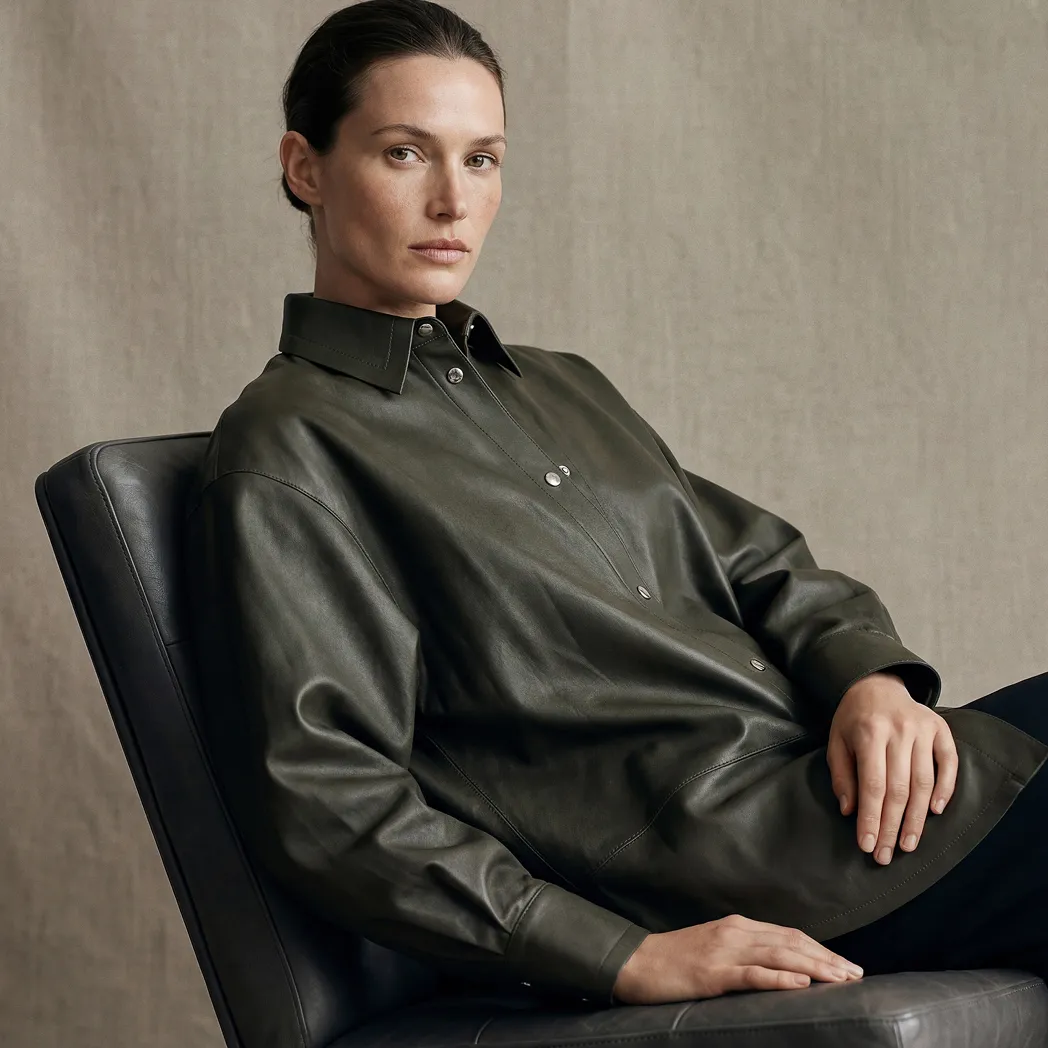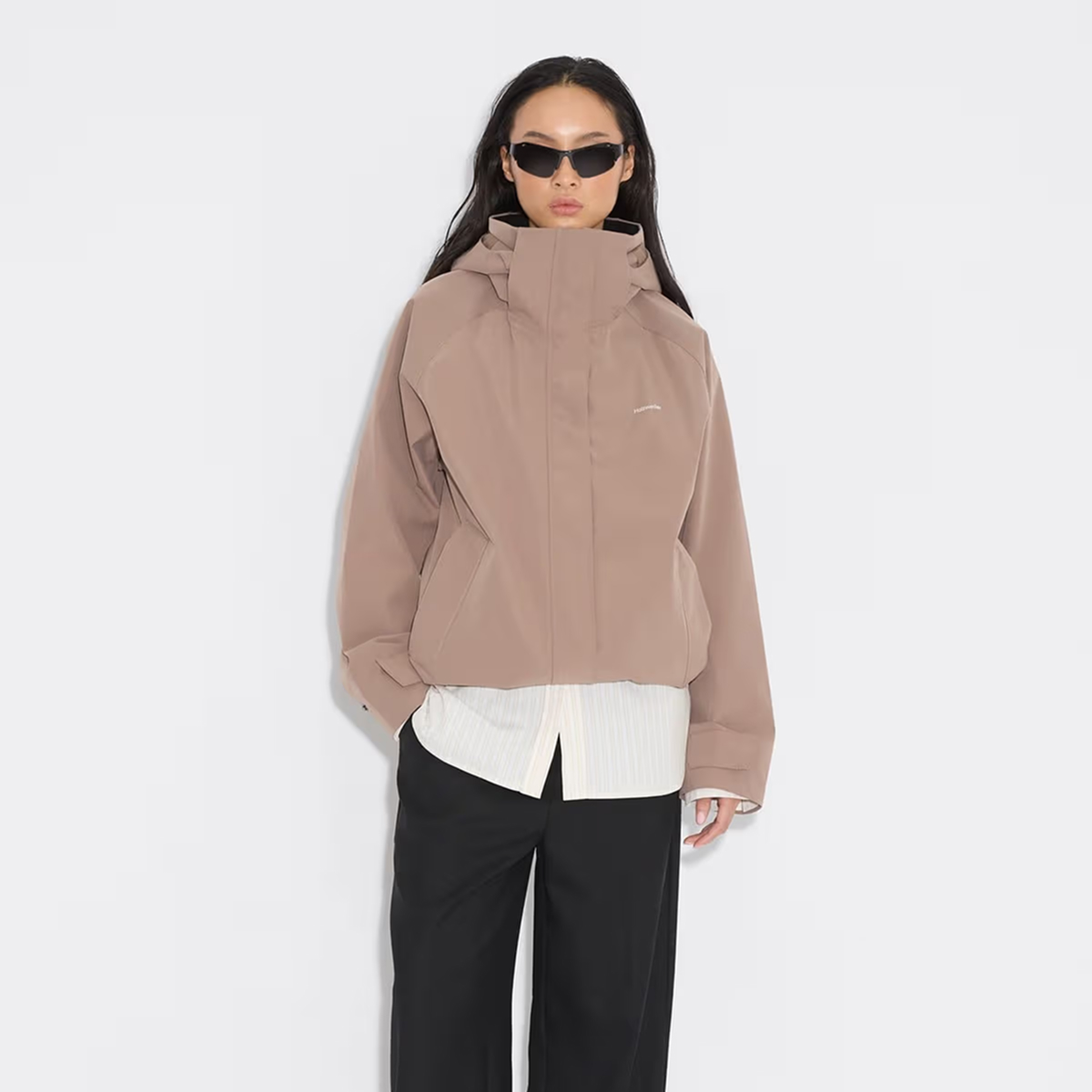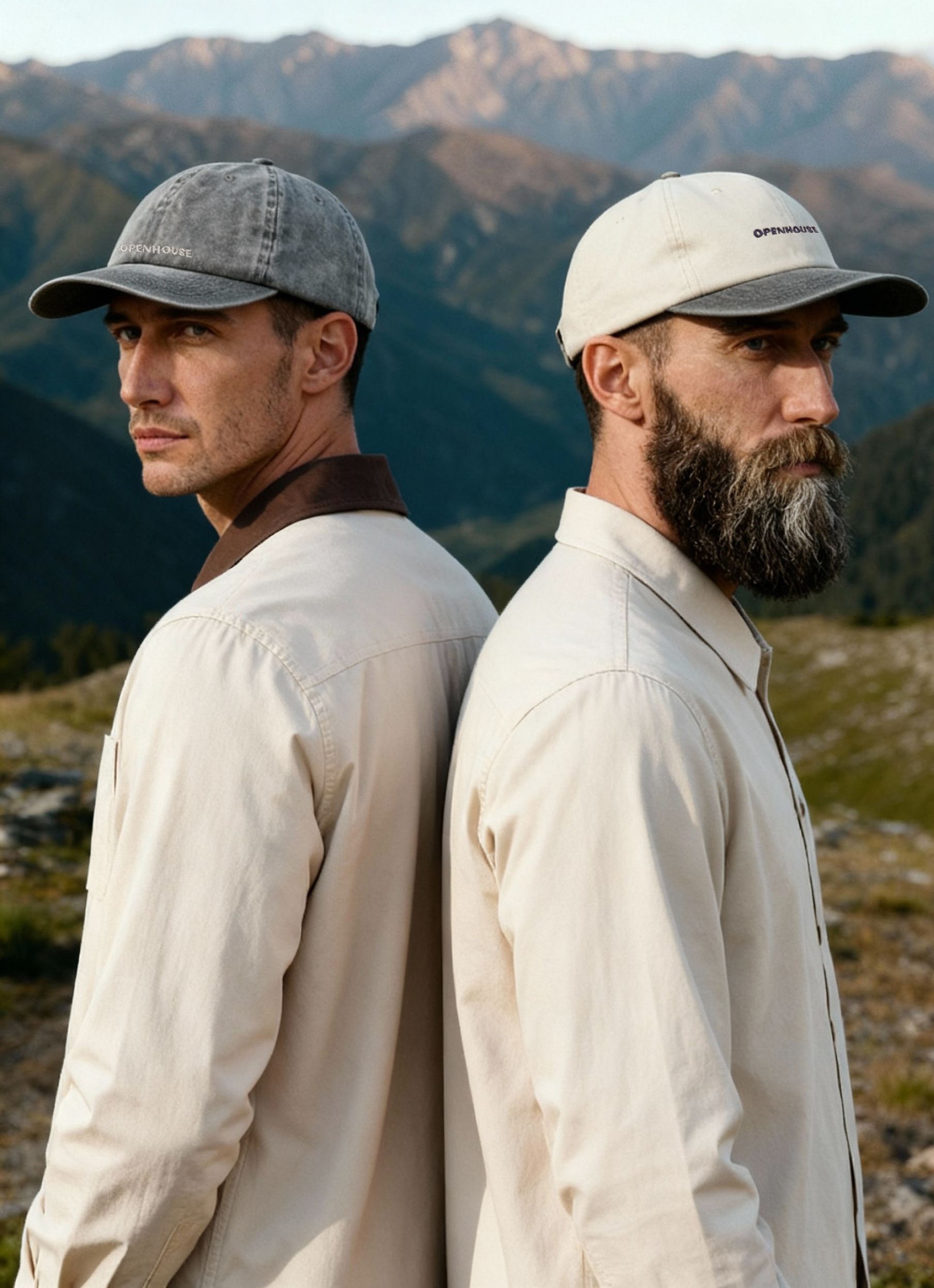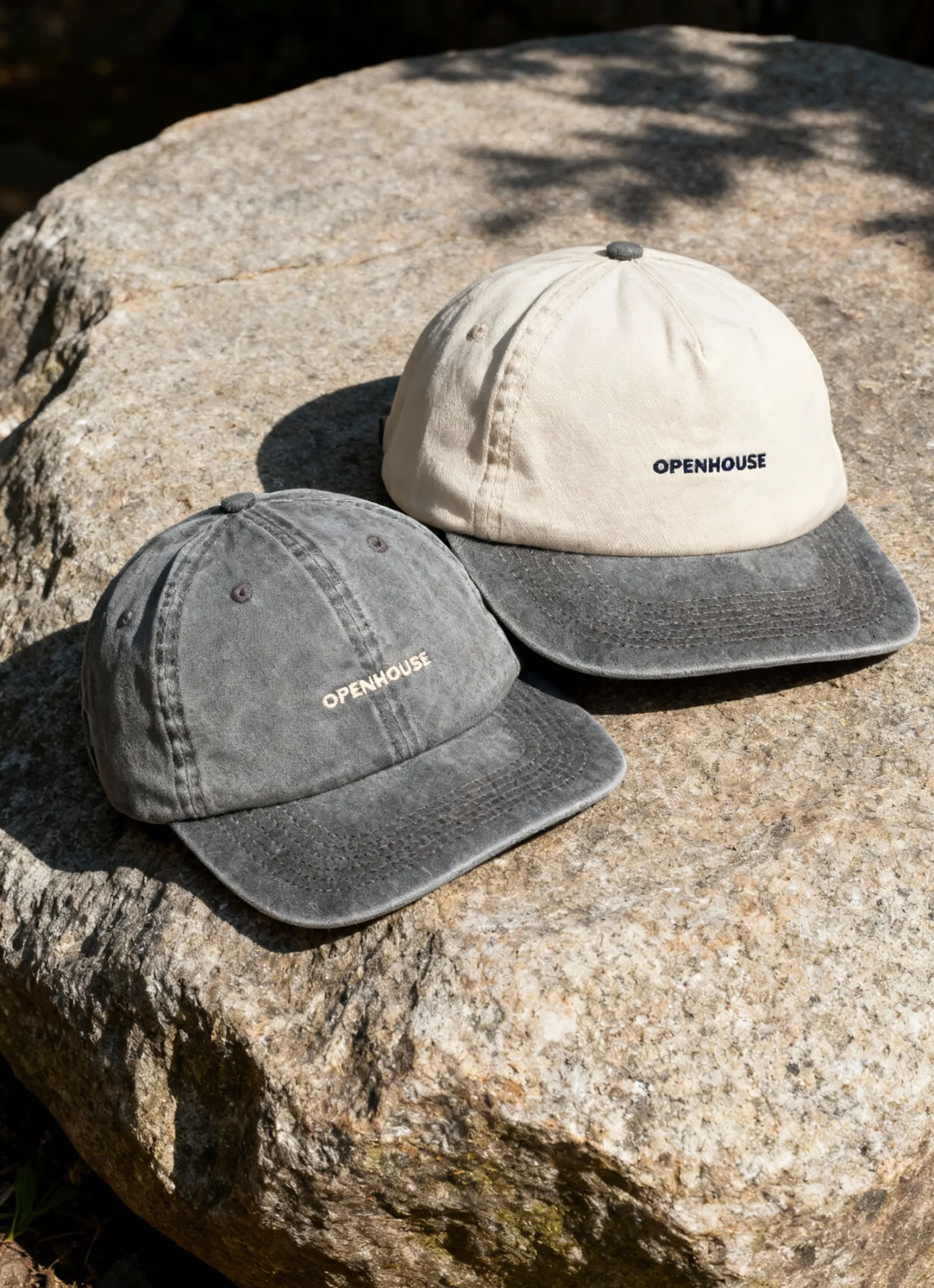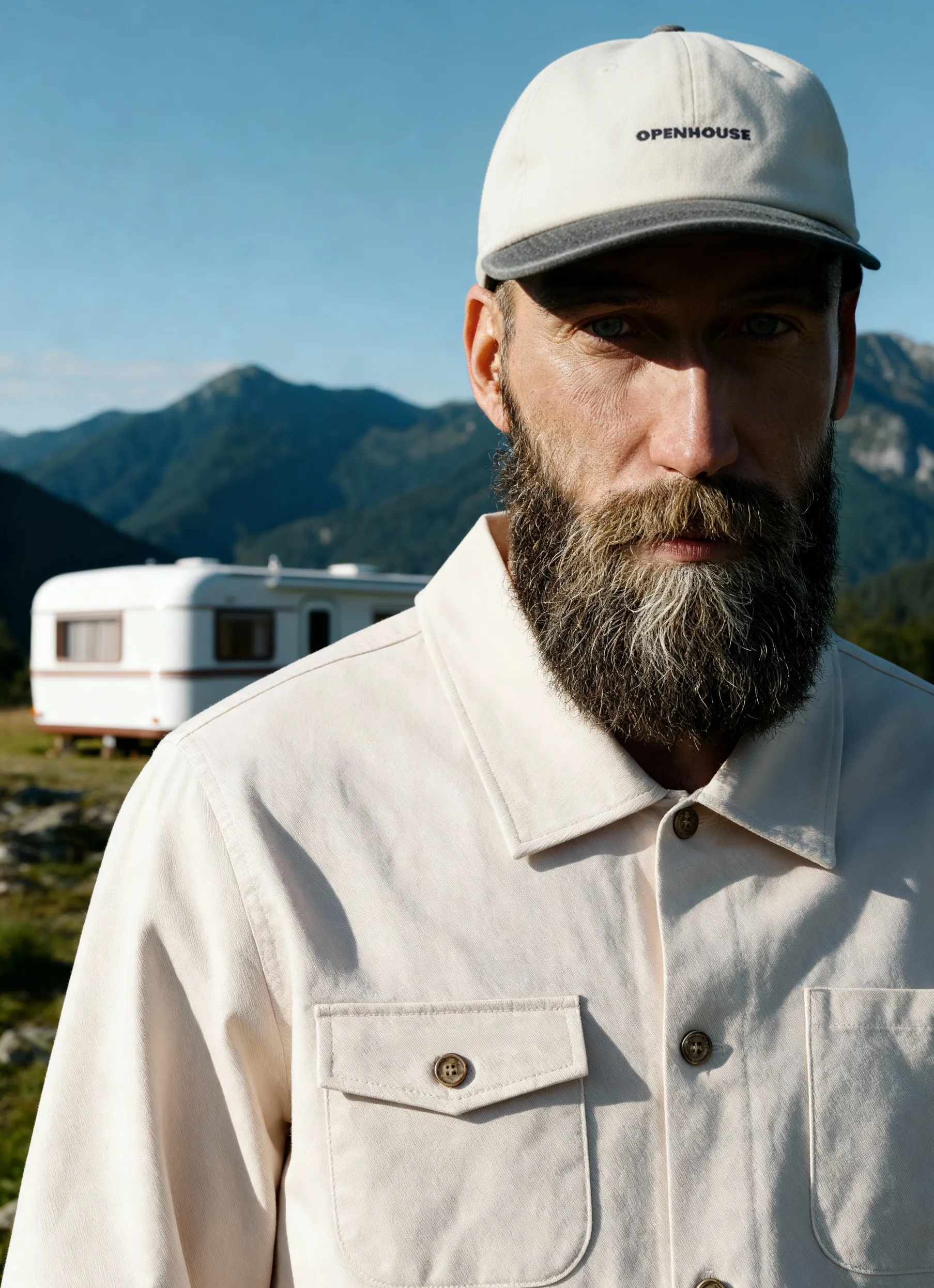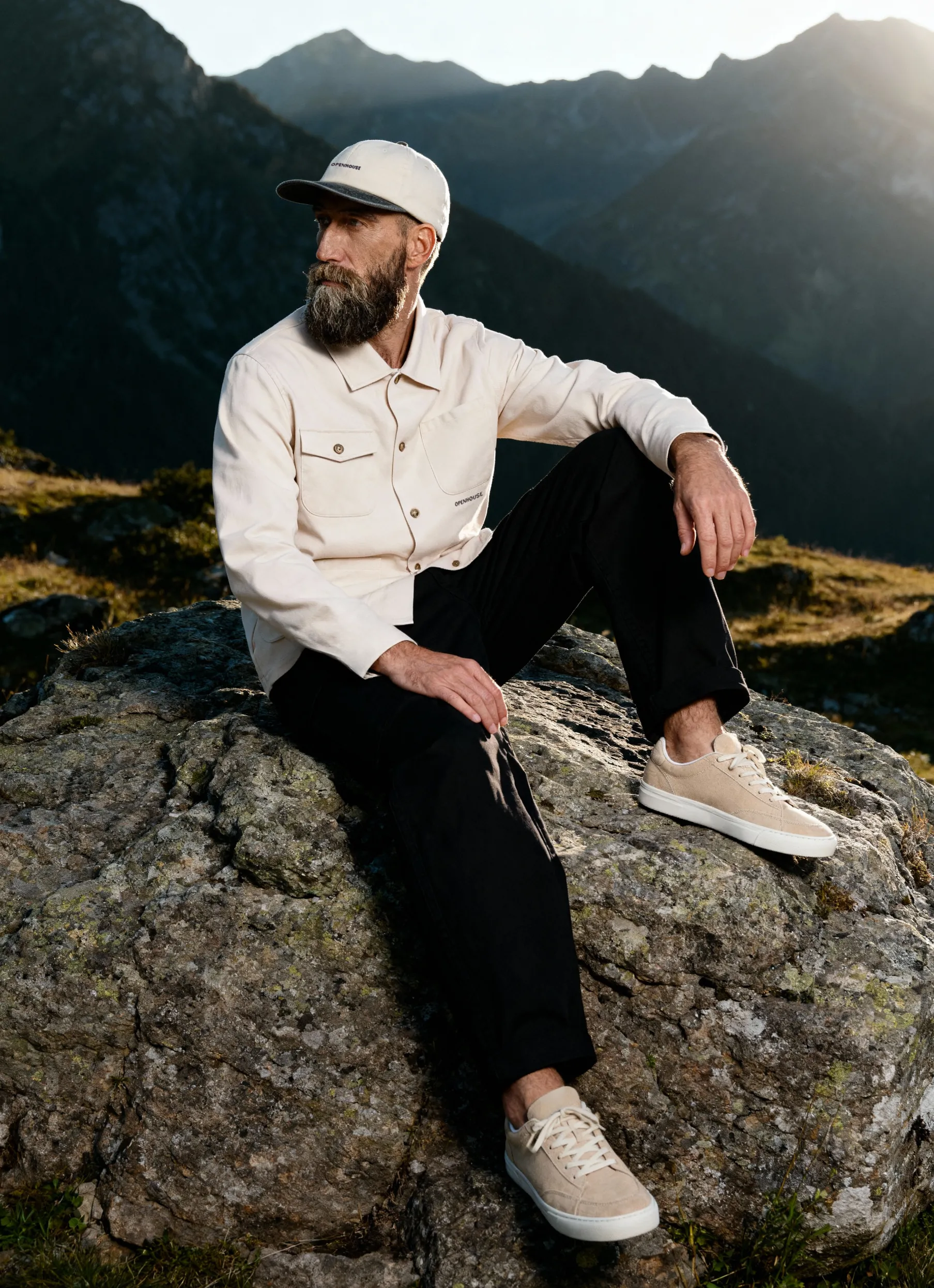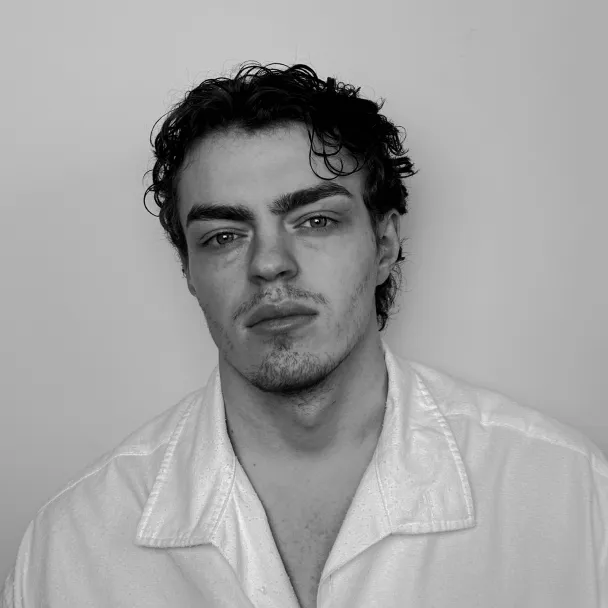


In apparel e-commerce, lighting is not a minor technical setting within a lighting setup — it is the mechanism that determines whether customers instantly understand a garment or hesitate. In product photography, illumination defines perceived quality, color accuracy, texture visibility, and trust within seconds of viewing product images.
For brands producing visuals at scale, lighting decisions are not stylistic preferences. They are operational choices that shape clarity, consistency, and scalability across marketplaces, product pages, and campaigns. The objective is not dramatic effects. It is reliable, repeatable imagery that communicates product information quickly and accurately.
This guide explains how lighting functions as a production system — and how to use it strategically to create apparel visuals that perform.
Why Lighting Directly Impacts Conversion
Online shoppers cannot touch fabric. Light replaces physical interaction.
When studio lights are engineered correctly, they reveal:
- true fabric color
- construction quality
- texture and drape
- material thickness
- finish and surface detail


When lighting is inconsistent, even technically sharp product images can appear misleading. Customers may see:
- inaccurate tones caused by mixed natural light and artificial sources
- flat silhouettes from missing fill light
- lost texture from overly frontal lighting
- unclear structure due to poor shadow control
These issues do more than affect aesthetics. They reduce trust, increase returns, and weaken conversion performance.
How Light Defines Fabric Perception
Apparel reacts to light differently from rigid products. Fabrics absorb, reflect, and scatter illumination depending on weave, finish, and dye.
Understanding this interaction allows production teams to choose the correct lighting setup rather than relying on guesswork.
Soft illumination, typically created with light modifiers such as diffusers or softboxes, is the standard for most e-commerce apparel because it reveals texture without harsh shadows or blown highlights. Large diffused sources maintain even exposure and accurate color across garments.
Directional lighting, by contrast, is used selectively to emphasize structure, tailoring, or surface detail. Textured knits, pleats, and structured pieces benefit from controlled shadow depth that communicates dimension.
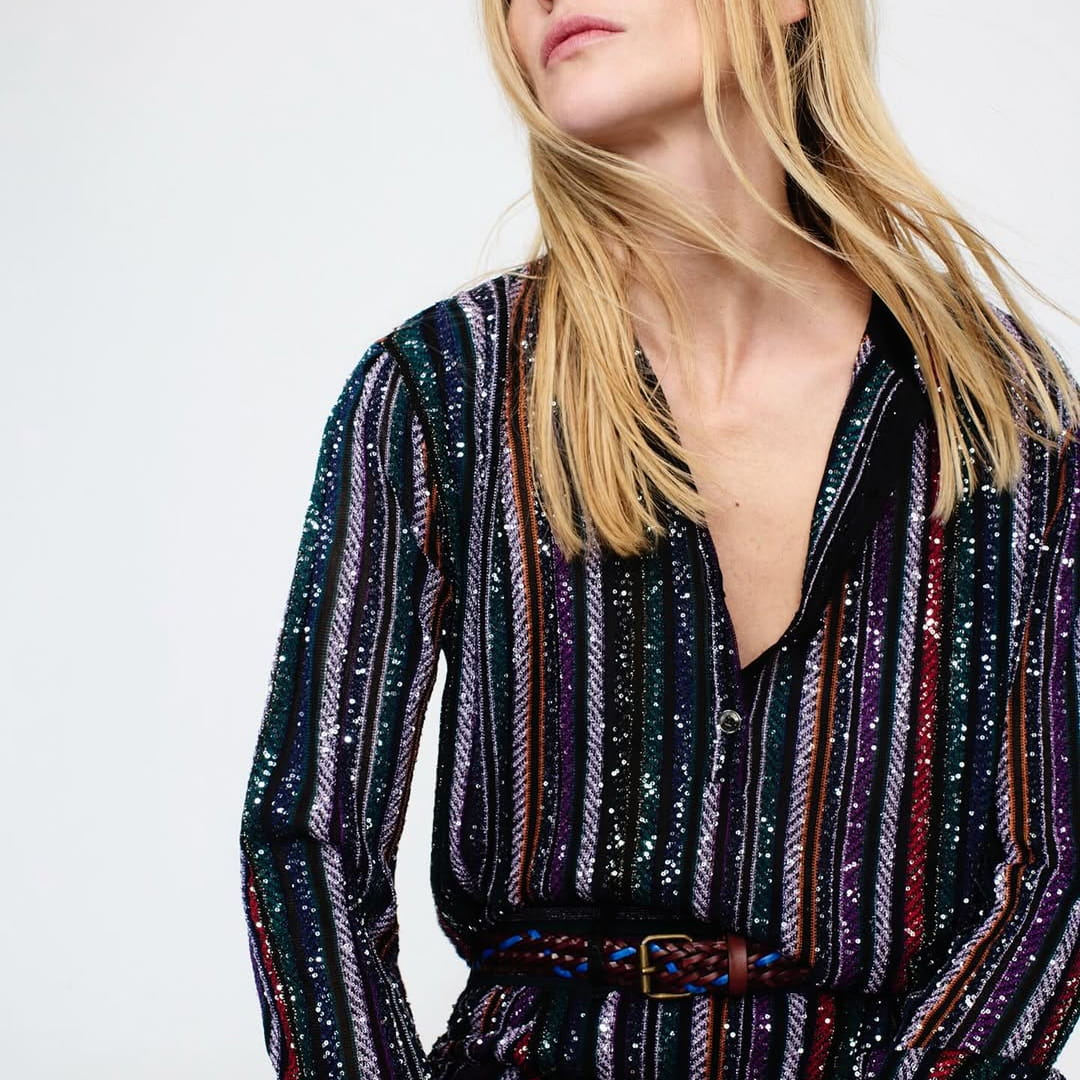
Different materials respond best to specific approaches:
- Linen and cotton perform best under soft, diffused light
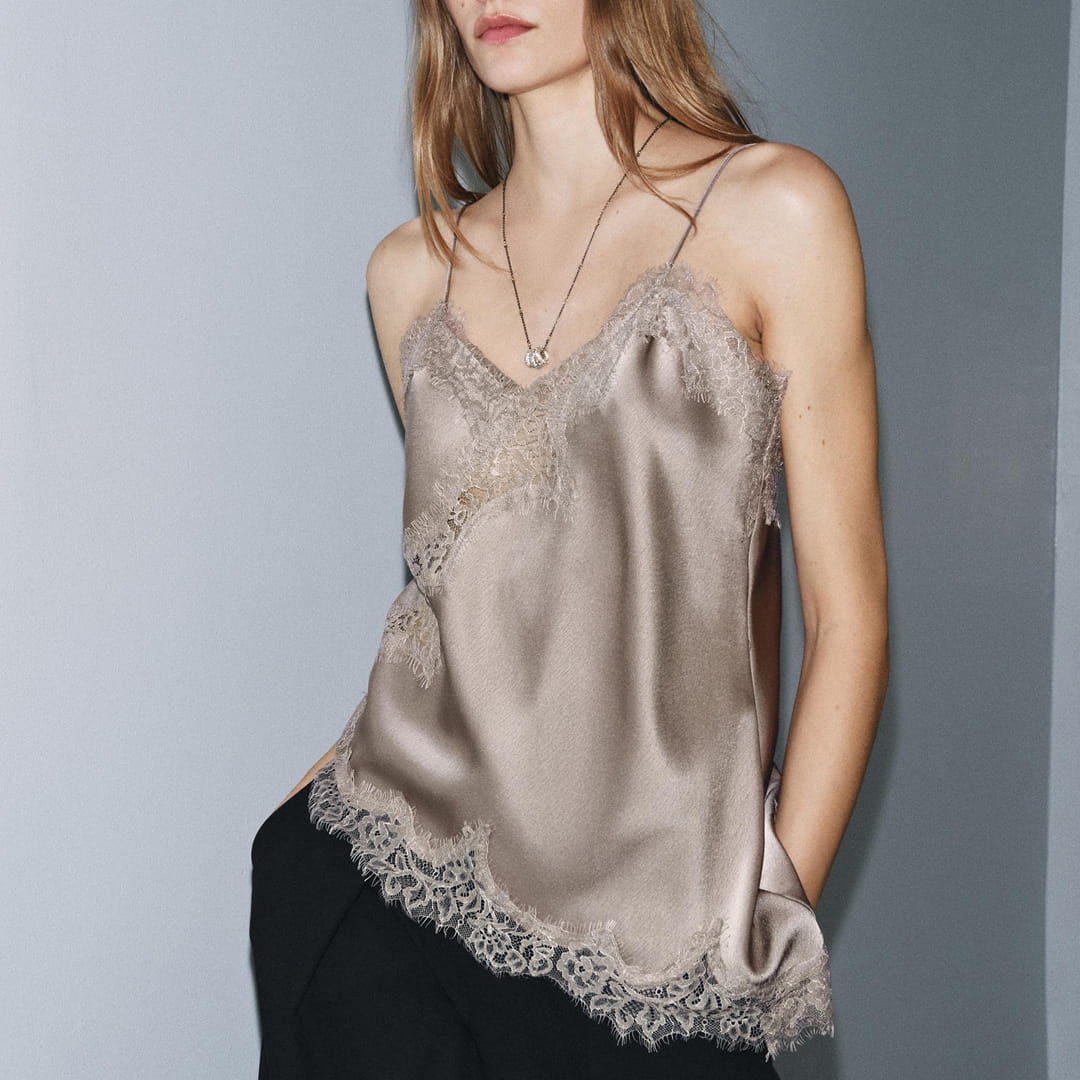
- Satin and silk require controlled angles to preserve sheen without glare
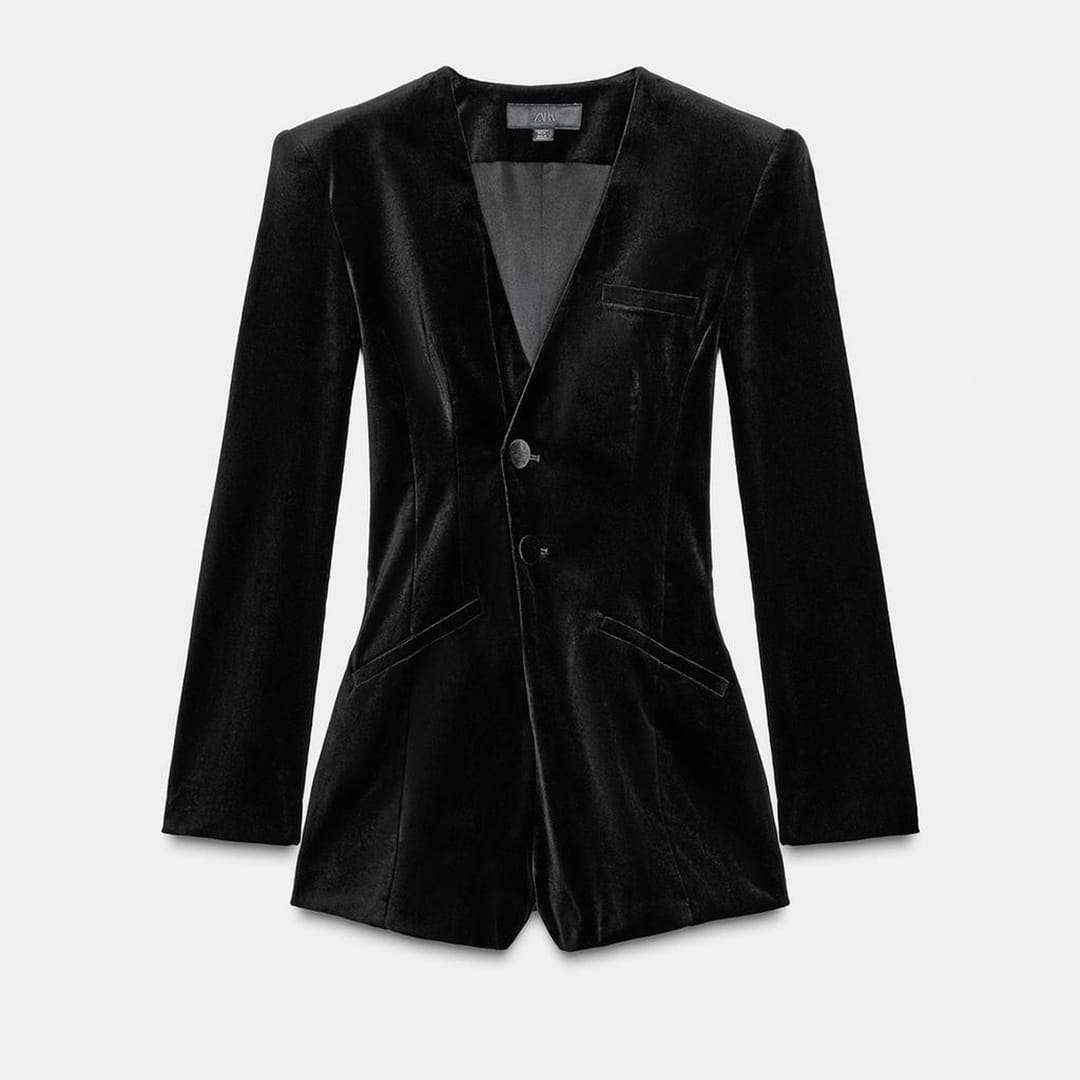
- Velvet benefits from directional lighting to reveal depth
- Sheer fabrics often require backlighting for transparency
The goal is not to choose a single ideal method, but to align lighting logic with material behavior.
Color Accuracy as a Production Priority
Color accuracy is one of the most critical technical requirements in product photography. If a garment looks different in person than it does online, return rates increase.
Professional studios typically rely on calibrated studio lights or balanced strobe lights rather than uncontrolled natural light. Controlled sources ensure consistency across sessions, which is essential when brands photograph collections over weeks or months.
Consistency matters more than any single lighting style.
Production-Standard Lighting Systems
Professional studios rarely improvise. Instead, they rely on repeatable frameworks such as three-point lighting to standardize results.
Front Lighting for Catalog Consistency
A centered diffused key light paired with balanced fill light produces even illumination across garments. This approach is ideal for white background product photography, where clarity and uniformity across SKUs are essential.
Brands use this setup when they need:
- uniform grids
- marketplace-ready images
- scalable catalog production
Consistency is the priority.
Directional Lighting for Dimension
Angled lighting introduces controlled shadows that reveal texture and construction. This is commonly used for:
- knitwear
- tailored pieces
- structured garments
- detailed fabrics
Directional setups often combine a key light with white reflectors to shape shadows without losing detail.
Backlighting for Separation
Backlighting adds edge definition, separating garments from the background. It is particularly useful for:
- flowing fabrics
- translucent textiles
- editorial-style product photography
When controlled properly, it increases clarity rather than creating a distraction.
Category-Specific Lighting Challenges
Different garment types demand different technical adjustments.
Reflective Materials
Satin, patent finishes, and metallic textiles can produce glare. Larger light sources and diffusion panels reduce specular highlights while preserving texture.
Dark Garments
Black or navy fabrics absorb light, making detail difficult to capture. Increasing light intensity and shaping illumination is more effective than simply adjusting shutter speed or exposure.
White Garments
Light clothing risks losing detail against bright backgrounds. Proper contrast ratios and background control preserve shape while keeping whites neutral.
Lighting by Shoot Format
Lighting decisions also depend on how the product will be photographed.
Flat Lay Photography
Flat lays require perfectly even illumination. Uneven lighting becomes immediately visible across the frame.
Ghost Mannequin Photography
Invisible mannequin imagery demands strict consistency. Lighting must remain identical across front, back, and detail shots so composites align seamlessly.
Model Photography
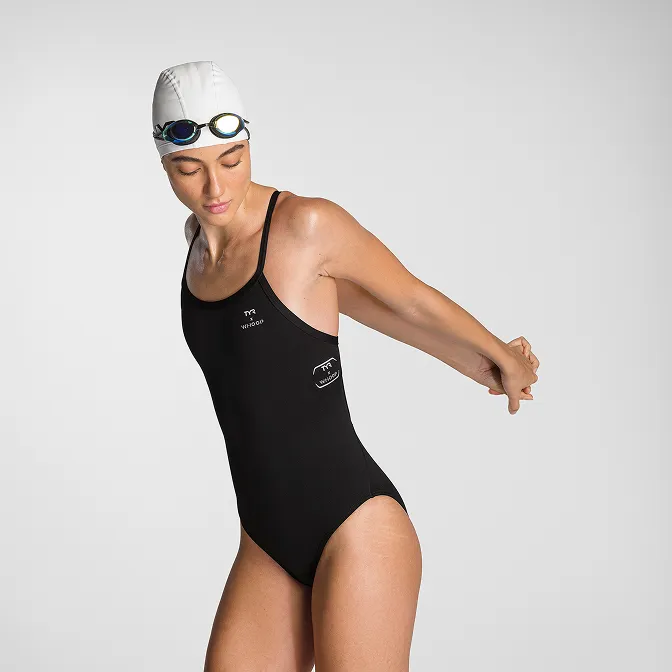
When photographing garments on people, lighting must balance two priorities: flattering the subject while accurately representing the clothing. Larger diffused sources help maintain consistency across movement and poses.
Common Lighting Mistakes That Reduce Performance
Even experienced teams encounter recurring issues:
- mixed color temperatures from combining natural light and strobes
- insufficient diffusion causing harsh shadows
- inconsistent exposure across sessions
- poorly lit backgrounds that look dull or uneven
Each of these problems weakens perceived product quality and brand credibility.
Consistency at Scale
For brands producing high volumes of product images, lighting must operate as a system rather than a one-time setup.
Scalable workflows typically include:
- documented lighting setup diagrams
- standardized camera settings
- fixed equipment placement
- repeatable studio processes
Consistency is not only aesthetic. It signals professionalism and reliability to customers.
Detail Without Distortion
Strong apparel imagery communicates information clearly while maintaining accuracy. Effective lighting reveals:
- stitch quality
- fabric texture
- true color
- garment structure
- hardware details
The best lighting is not the most dramatic. It is the most informative.
Mobile Viewing Reality
Most online shopping now happens on phones. Lighting that appears dramatic on large monitors may lose detail on smaller screens. Slightly softer, evenly distributed illumination often performs better across devices while still preserving depth.
How Teams Develop Lighting Expertise
Lighting mastery is built through structured testing. High-performing teams:
- test multiple lighting setups on the same garment
- document successful configurations
- analyze top-performing product pages
- review images on calibrated displays
Over time, lighting stops being trial-and-error and becomes a predictable production tool.
Strategic Takeaway
Lighting determines how clearly customers understand a garment before they ever touch it. Brands that treat lighting as an engineered production system — supported by controlled studio lights, proper modifiers, and standardized workflows — consistently produce product images that outperform.
When scalable apparel photography matters, working with a production-focused partner ensures every visual asset is built for clarity, accuracy, and conversion — not just appearance.
Product A
SQUARE SHOT